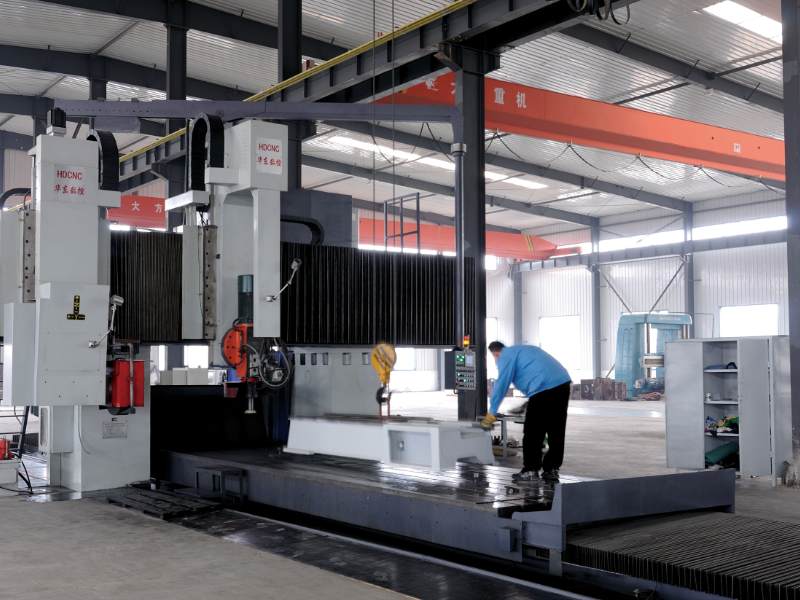
Optimizing Production Costs with an Automatic Horizontal Machining Center
An Automatic Horizontal Machining Center (HMC) is a machine tool designed to perform multiple machining operations—such as milling, drilling, boring, and tapping—on multiple faces of a workpiece in a single setup. Unlike vertical machining centers, HMCs feature a horizontal spindle, which allows for efficient chip evacuation and often supports pallet changers for continuous operation. This configuration is particularly beneficial for high-volume production and complex parts requiring multi-sided access. For procurement and operations teams, understanding the true investment in an Automatic Horizontal Machining Center goes beyond the initial purchase price; it includes a comprehensive analysis of automation scope, tooling, installation, and ongoing operational expenses. Missing critical cost elements during the initial assessment can lead to budget overruns and operational inefficiencies down the line.
What is an Automatic Horizontal Machining Center?
An Automatic Horizontal Machining Center is a sophisticated CNC machine designed for precision metal cutting. Its defining characteristic is a spindle that operates horizontally, enabling it to access multiple sides of a workpiece without re-fixturing. This capability significantly reduces setup times and improves part accuracy, especially for complex geometries. Modern HMCs often integrate advanced automation features such as automatic pallet changers (APCs), robotic part loading/unloading, and large-capacity tool magazines. These features allow for lights-out manufacturing and enhanced productivity, making them a strategic investment for industries requiring high throughput and consistent quality, such as automotive, aerospace, and mold making. The robust construction, often utilizing high-strength cast iron and precision-machined components, ensures long-term accuracy and rigidity, crucial for demanding applications.
Key Configurations of Horizontal Machining Centers
Horizontal Machining Centers come in various configurations, each suited to different production needs. The primary distinctions typically involve the number of axes, pallet system, and tool magazine capacity. Standard HMCs are typically 3-axis machines, but 4-axis (with a rotating B-axis on the pallet) and 5-axis models (adding a tilting A-axis) are common for more complex part geometries. The choice of pallet system is a major factor in automation level. A basic HMC might have a single fixed table, while more advanced models feature dual pallet changers or even multi-pallet systems integrated with automated storage and retrieval systems (AS/RS). Tool magazine capacity can range from 40 to over 300 tools, impacting the machine's versatility for diverse operations without manual intervention. For operations requiring high precision, advanced systems integrate intelligent feedforward and quadrant jump compensation technologies, effectively addressing common issues like overcut marks, quadrant marks, and chatter marks, ensuring superior surface finish and dimensional accuracy.
Performance Attributes of Modern HMCs
The performance of a modern Horizontal Machining Center is defined by several critical attributes that directly impact productivity and part quality. Core to their operation is the machine's structural integrity; MAKCNC's machines, for instance, utilize high-strength cast iron, often resin sand castings, which undergo aging treatment to maintain long-term precision and rigidity. Key transmission components, such as ball screws and linear guides, are frequently sourced from high-precision Taiwanese or German brands. The manufacturing process emphasizes system synergy to achieve optimal overall machine performance. For high-precision machining demands typical in the mold industry, integrated smart feedforward and quadrant jump compensation technologies are crucial. These features effectively mitigate common challenges like overcut marks, quadrant marks, and chatter marks, ensuring superior surface finish and dimensional accuracy. Furthermore, for high-mix, low-volume production scenarios, these machines are capable of multi-face machining in a single clamping, significantly reducing setup times and increasing efficiency.
Applications for Horizontal Machining Technology
Horizontal Machining Centers are versatile workhorses found across numerous industries due to their ability to handle complex parts and high production volumes efficiently. Their primary application lies in machining components that require access from multiple sides, such as engine blocks, transmission cases, pump housings, and large structural components. Industries like automotive, aerospace, heavy equipment, and mold & die manufacturing rely heavily on HMCs for precision and throughput. For example, in the automotive sector, HMCs are ideal for machining intricate engine components that demand tight tolerances and high material removal rates. The ability to integrate with automated pallet systems makes them suitable for continuous, unattended operation, which is critical for meeting stringent production schedules. Whether it's producing a variety of complex parts in small batches or mass-producing a single component, HMCs offer a robust and reliable solution.
Understanding Your Investment: HMC Cost Model
Calculating the total cost of ownership (TCO) for an Automatic Horizontal Machining Center requires a detailed breakdown beyond the base machine price. This section outlines a five-year cost model, separating initial acquisition costs from ongoing operational expenses, to assist in budget validation and quote comparison before supplier selection. This framework helps buyers identify potential hidden costs and compare supplier offerings comprehensively.
| Cost Category | Description | Typical 5-Year Impact (% of Base Machine Cost) | Considerations & Variances |
|---|---|---|---|
| Base Machine Cost | Price of the HMC unit itself (e.g., 3-axis, standard spindle). | 100% (Baseline) | Size, brand, spindle power, control system (e.g., Fanuc, Siemens) significantly impact this. MAKCNC offers single-unit purchases with no rigid MOQ, but bulk orders may receive more favorable commercial terms on price and delivery. |
| Pallet Automation | Costs for automatic pallet changers (APCs), multi-pallet systems, part loading robots. | 30-70% | Single APC vs. multi-pallet pools. Integration complexity. Robotic loading adds significant cost but reduces labor. Essential for lights-out operation. |
| Tooling Capacity & Management | Tool magazines (larger capacity), tool presetting equipment, tool holders, cutting tools, tool management software. | 20-50% | Higher tool count for diverse production. Presetting reduces setup time. Advanced tool management improves efficiency. |
| Chip Management System | Conveyors, filtration systems, coolant management, high-pressure coolant options. | 10-25% | Crucial for maintaining clean operation and extending tool life. Automated chip disposal reduces manual labor. High-pressure coolant improves machining performance. |
| Installation & Commissioning | Foundation work, rigging, electrical/pneumatic/coolant hookups, machine leveling, initial calibration. | 5-15% | Site preparation, travel for technicians, specialized equipment rental. Ensure clear scope of work from supplier. |
| Operator Coverage & Training | Wages for skilled operators, ongoing training, programming expertise. | 50-100% (over 5 years) | Highly automated machines require fewer operators but more highly skilled ones for programming and maintenance. Initial training provided by supplier is critical. |
| Maintenance & Spares | Scheduled maintenance, consumable parts (filters, oils), potential spare parts inventory. | 15-30% | MAKCNC typically provides a 12-month warranty after machine acceptance, with lifetime paid service. For some tender projects, a higher standard like a three-year free warranty may be offered. |
| Software & Connectivity | CAD/CAM software, DNC systems, machine monitoring, IoT integration. | 5-20% | Enhances productivity, data collection, and predictive maintenance capabilities. |
| Utilities | Electricity, compressed air, coolant consumption. | 10-20% | Ongoing operational cost, varies with machine utilization and energy efficiency. |
By considering these categories, procurement teams can develop a more accurate five-year TCO. MAKCNC offers lead times typically ranging from 1 to 6 months, depending on machine complexity and customization, allowing for better project planning and cost forecasting.
Operational Best Practices and Installation Tips
Effective operation and proper installation are key to maximizing the return on investment for any Horizontal Machining Center. Before installation, ensure the facility has a stable, level foundation capable of supporting the machine's weight and dynamic loads. Adequate space for material handling, chip management, and maintenance access is also critical. Electrically, ensure sufficient power supply with proper grounding and voltage stability. During operation, routine maintenance is paramount. This includes daily checks of coolant levels, lubrication systems, and chip conveyor functionality. Adhering to the manufacturer's recommended maintenance schedule, including periodic lubrication and inspection of critical components like ball screws and guides, will significantly extend machine lifespan and maintain precision. Regular calibration checks and tool presetting outside the machine can reduce downtime. For any issues, MAKCNC's mature after-sales network typically commits to an 8-hour response time and 48-hour on-site resolution, minimizing operational disruptions.
Choosing a Reliable HMC Supplier
Selecting the right supplier for an Automatic Horizontal Machining Center is a strategic decision that impacts long-term productivity and support. A reliable supplier offers not just machinery but a partnership with robust after-sales service and technical expertise. When evaluating suppliers, consider their experience and manufacturing capabilities. MAKCNC, established in 2016, operates multiple production lines and maintains a stock of sample machines, demonstrating substantial manufacturing capacity and readiness. Our facility is ISO9001:2015 certified, ensuring adherence to international quality management standards from design to delivery. While there is no rigid minimum order quantity, purchasing multiple units can lead to more favorable commercial terms on pricing, delivery, or after-sales support. We specialize in providing professional cnc machining center solutions for diverse industrial needs. Our commitment to quality, backed by a 12-month warranty and lifetime paid service, ensures your investment is protected.
Common Questions About Horizontal Machining Centers
What is the typical lead time for an HMC order?
Lead times for an HMC can vary significantly based on customization and current production schedules. At MAKCNC, we typically quote lead times between 1 to 6 months from order confirmation to delivery. This timeframe allows for meticulous manufacturing, assembly, and testing to ensure the machine meets our stringent quality standards.
What kind of warranty and after-sales support can I expect?
MAKCNC provides a standard 12-month warranty on the entire machine following acceptance. Beyond this period, we offer lifetime paid service to ensure your machine continues to operate effectively. Our mature after-sales network is structured to provide an 8-hour response time and dispatch technicians for on-site troubleshooting within 48 hours for critical issues. Specific tender projects may also qualify for extended warranty periods, such as three years of free warranty.
Can MAKCNC customize HMCs for specific applications?
Yes, we offer customized cnc machines and machining centers from makcnc tailored to specific production requirements. Our technical team works closely with clients to understand their unique needs, from specialized tooling interfaces to integrated automation solutions, ensuring the machine perfectly fits the intended application. This flexibility is a key advantage for operations requiring unique capabilities.
For more detailed information or to discuss your specific requirements for an Automatic Horizontal Machining Center, please contact us to request a quote.