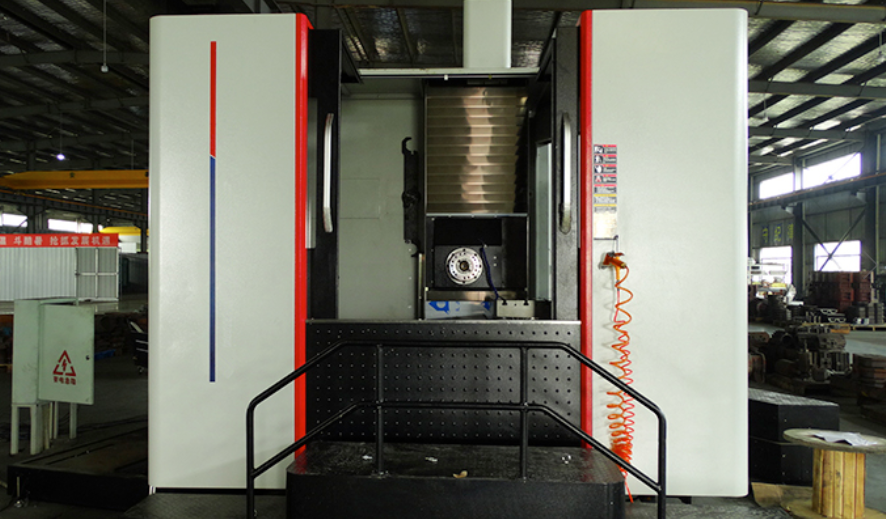
How to Accurately Calculate Import Costs from a Horizontal CNC Machine Center Supplier
Receiving a low initial price from a Horizontal CNC Machine Center Supplier can be misleading. The number on the quotation is often just the beginning of your total investment. Overlooking ancillary costs like freight, duties, commissioning, and tooling can lead to significant budget overruns and project delays. Before committing to a purchase order, it is essential to understand the full financial picture to make a sound investment and compare suppliers on a true "apples-to-apples" basis.
At MAKCNC, we believe in transparent partnerships. This guide provides a clear framework for calculating the total landed cost of a horizontal machining center, ensuring you have no surprises from the factory floor to your facility.
A Transparent Landed-Cost Model for Your HMC Investment
The machine's price is only one component of your budget. A professional supplier should be able to provide clarity on, or help you estimate, all associated expenses. Use the following breakdown as a checklist when evaluating quotations to build a complete financial model for your import.
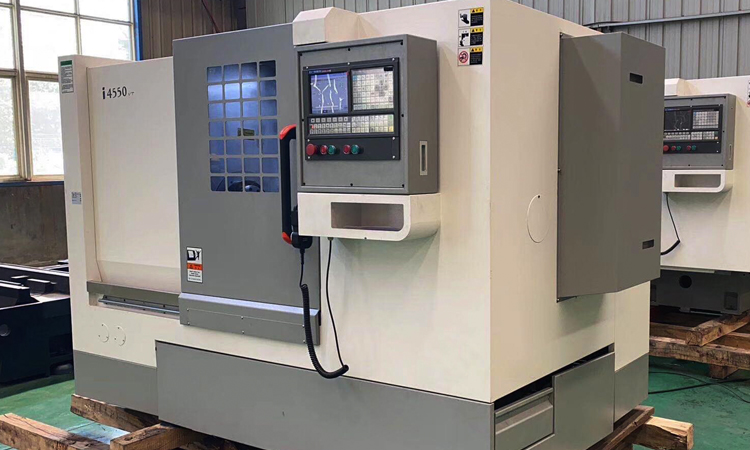
Here is a detailed model for calculating your total landed cost:
- Machine Price (EXW/FOB): This is your starting point. Clarify the Incoterms® used. An Ex-Works (EXW) price does not include transport to the port, while a Free on Board (FOB) price does. This small difference can represent a significant cost.
- Export Crating & Inland Freight: The machine must be professionally crated for sea or air transport to prevent damage. This involves specialized packaging to protect sensitive electronics and precision surfaces from moisture and vibration. This cost also includes transporting the crate from the factory to the port of departure.
- Ocean or Air Freight: The cost to transport the machine from the origin port to your destination port. Ocean freight is more economical but slower, while air freight is faster but substantially more expensive.
- Freight Insurance: This protects your investment against loss or damage during transit. It's a small percentage of the machine's value but provides critical financial protection.
- Customs Duties, Taxes, and Tariffs: These government-levied fees are based on the machine's value and classification (HS Code). Rates vary dramatically by country and can be a major expense. You will need a customs broker to manage this process.
- Port & Handling Fees: These are charges at the destination port for unloading the container, handling, and temporary storage.
- On-site Commissioning and Training: Does the supplier's price include sending a technician to your facility to install the machine, level it, run tests, and train your operators? This is a vital service that ensures the machine performs to specification from day one. Clarify travel, accommodation, and labor costs.
- Initial Tooling Package: The machine itself cannot make parts. You will need tool holders, cutting tools, vices, and fixtures. While you may have existing tooling, a new machine often requires a specific interface (e.g., BT40, CAT50) and an initial investment to get production started.
- First-Year Spare Parts Exposure: Consider a basic stock of consumable or critical spare parts, such as filters, seals, or a specific sensor. While our machines are built for reliability, having these on hand can prevent costly downtime while waiting for a shipment.
Key Machine Specifications That Impact Long-Term Value
While cost is a primary factor, the engineering and build quality of the machine determine its long-term accuracy, reliability, and return on investment. Sacrificing machine quality for a lower initial price often results in higher maintenance costs and lower part quality down the line. When evaluating a professional cnc machining center solution, pay close attention to the core components.
The foundation of any precision machine is its structural rigidity. Our machine bodies are constructed from high-strength cast iron, such as resin sand castings, which undergo an extensive aging treatment. This process relieves internal stresses in the metal, ensuring the machine frame maintains its geometric accuracy and stability over years of heavy use. This stability is fundamental to consistent part quality.
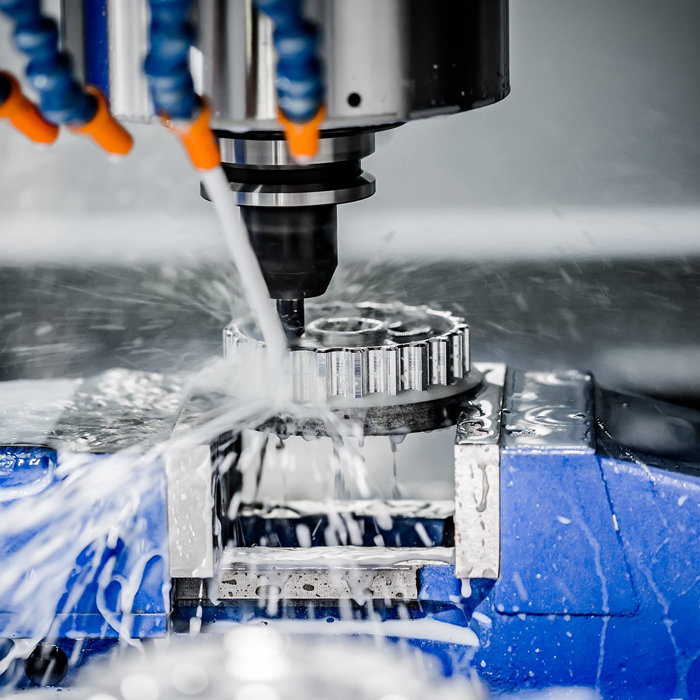
Furthermore, the performance of a CNC machine is heavily dependent on its core transmission components. We integrate high-precision ball screws and linear guideways sourced from leading manufacturers in Taiwan and Germany. These components provide smooth, accurate motion with minimal backlash. However, simply using high-quality parts is not enough. Our engineering process focuses on system-wide synergy, ensuring that the control system, servos, and mechanical elements work together to deliver optimal performance. For industries like mold and die manufacturing, our advanced system integration includes intelligent feed-forward control and quadrant glitch compensation. These technologies directly address common machining defects such as over-cutting, quadrant marks, and tool chatter, delivering a superior surface finish and dimensional accuracy.
Evaluating Supplier Support and Cooperation Terms
The supplier's business policies and service structure are as important as the machine itself. A strong support network ensures you can maximize uptime and resolve issues quickly. Before signing a contract, verify the following terms.
| Cooperation Term | What to Verify | MAKCNC Standard Practice |
|---|---|---|
| Minimum Order Quantity (MOQ) | Can you purchase a single machine, or are you required to buy in volume? This is especially important for small businesses or those buying their first HMC. | We have no rigid MOQ. Single-unit procurement is welcome, though purchasing multiple units may unlock more favorable commercial terms on price, delivery, or service. |
| Production Lead Time | How long will it take from order confirmation to the machine being ready for shipment? This impacts your project timeline and production planning. | Standard lead times range from 1 to 6 months, depending on the machine configuration and current production schedules. |
| Warranty Period | What is the length of the warranty, and what does it cover? When does the warranty period begin—from shipment or from on-site acceptance? | Our standard warranty is 12 months for the entire machine, effective after final acceptance at your facility. Extended warranties, such as a three-year term, can be arranged for specific projects. |
| After-Sales Service Response | If a problem occurs, what is the supplier's commitment to responding and resolving the issue? Vague promises are not enough; look for specific timeframes. | We provide lifetime paid service. During the warranty period, our mature after-sales network commits to an 8-hour response time and having a technician on-site within 48 hours to address any faults. |
Why Partner with MAKCNC for Your Machining Needs
Founded in 2016, MAKCNC operates from an ISO 9001:2015-certified facility with multiple production lines dedicated to building high-performance CNC machinery. Our focus on robust construction, premium components, and sophisticated system integration ensures that our machines deliver the precision and reliability demanded by modern manufacturing. We maintain an inventory of sample machines, allowing for thorough evaluation and testing.
Our business model is designed for international B2B partnerships. We support flexible procurement, from single-machine orders to multi-unit contracts, and provide transparent commercial terms. The information about about makcnc shows our commitment to quality extends beyond the machine to our comprehensive service and support structure, giving you a reliable partner for the entire lifecycle of your investment.
Frequently Asked Questions about Sourcing HMCs
What is the typical lead time for a horizontal machining center?
Lead times can vary based on customization and order volume, but our standard production window is between 1 and 6 months from the confirmation of the order.
Is there a minimum order quantity for purchasing a machine?
No, we do not enforce a strict minimum order quantity. You can purchase a single machine. However, placing a bulk order for multiple units can provide access to better commercial terms regarding pricing, delivery schedules, or after-sales service packages.
What does the standard machine warranty include?
Our standard warranty covers the entire machine for 12 months following successful on-site acceptance and commissioning. This ensures the warranty period only begins once the machine is fully operational in your facility. We also offer lifetime paid technical support and service.
How are complex machining issues like "quadrant marks" handled?
Our machines, particularly those configured for the mold and die industry, utilize advanced control system features like intelligent pre-processing and compensation technologies. These functionalities anticipate path changes and servo demands to effectively minimize common defects like quadrant marks and vibration patterns, resulting in higher-quality surface finishes.
If you are evaluating suppliers for a new horizontal machining center, contact our technical team to receive a detailed quotation and a transparent breakdown of all associated costs for your project.