Selecting the Right Metal Working CNC Machine Tools for Steel and Aluminum
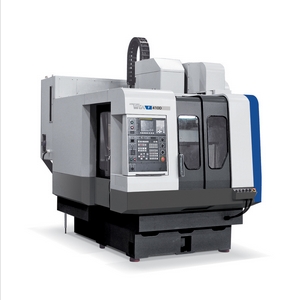
Choosing between professional cnc machining center solution options for production seems straightforward until you consider the material. A machine specified for aluminum will struggle, chatter, and produce poor results on steel. Conversely, using a heavy-duty steel-cutting machine for aluminum may not be cost-effective or achieve the highest possible speeds. This decision directly impacts part quality, tool longevity, and overall operational efficiency. Understanding the fundamental differences in machine requirements is the first step to making a sound investment.
At MAKCNC, we build our machines to meet demanding production environments. Our ISO 9001:2015 certified process ensures that every unit delivers sustained performance, whether you are cutting tough alloys or running high-speed aluminum jobs. This article clarifies the technical boundaries between machines suited for steel and those for aluminum, helping you define the right specifications for your needs.
Fundamental Differences in Machining Steel vs. Aluminum
Steel and aluminum are on opposite ends of the machining spectrum. Steel is hard and has low thermal conductivity, meaning heat concentrates in the tool and workpiece. Aluminum is soft, gummy, and an excellent heat conductor, dissipating heat quickly but posing challenges with chip welding. These material properties dictate entirely different approaches to machine design, tooling, and process parameters.
Successful machining depends on managing cutting forces and heat. A machine's ability to do this is determined by its structural mass, spindle characteristics, and control system. The following table outlines the core property differences that drive machine tool selection.
| Property | Carbon/Alloy Steel | Aluminum Alloys |
|---|---|---|
| Hardness & Strength | High. Requires significant force to cut, generating high pressure on the tool edge. | Low. Easily cut with lower force, but can be "gummy," leading to built-up edge on tooling. |
| Thermal Conductivity | Low. Heat remains concentrated in the cutting zone, leading to high tool temperatures. | High. Heat dissipates quickly from the cutting zone into the workpiece and chips. |
| Chip Formation | Often produces segmented, hot, and sharp chips that can be difficult to manage. | Forms long, continuous, and sticky chips that can wrap around tooling and require active evacuation. |
| Ideal Cutting Speed | Lower Surface Feet per Minute (SFM). Limited by heat buildup and tool wear. | Very high SFM. Limited primarily by machine's maximum spindle speed and feed rate. |
Machine Specification Boundaries: When a Lightweight Machine Fails
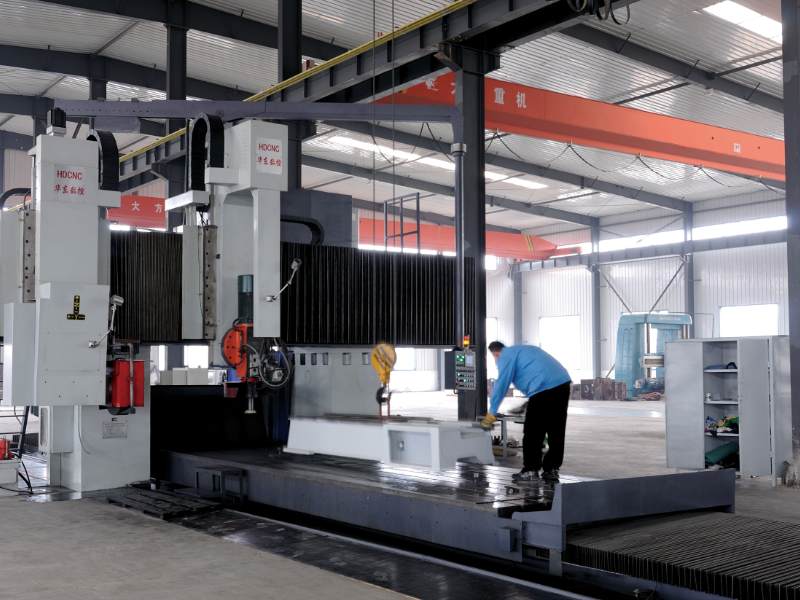
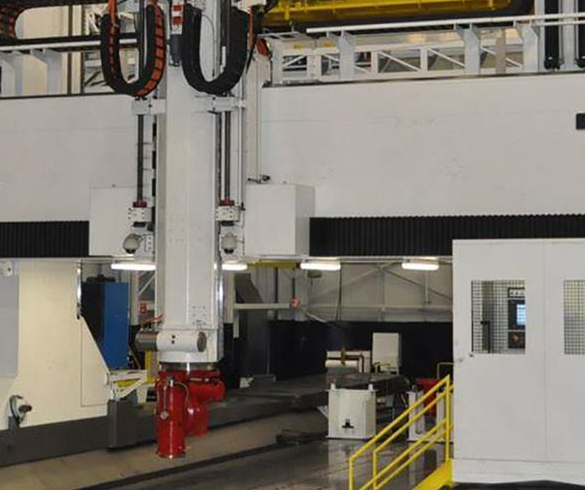
The most common sourcing mistake is selecting a machine based on its work envelope or features without considering its structural integrity. A lightweight machine, such as a CNC router or a low-rigidity vertical machining center, may perform well on aluminum but will fail when tasked with heavy steel cutting. This failure manifests as vibration (chatter), poor surface finish, dimensional inaccuracy, and drastically reduced tool life. The boundary is defined by rigidity.
When machining steel, the machine tool must absorb and dampen immense cutting forces without deflecting. For aluminum, the priority shifts to high-speed movement to achieve maximum material removal rates. Here is a breakdown of how machine requirements change for each material.
-
Machine Structure & Rigidity:
- For Steel: A heavy, rigid frame is non-negotiable. Our machines utilize high-strength cast iron, such as resin sand castings, which are thermally age-treated. This process relieves internal stresses in the casting, ensuring the machine's geometry remains stable and accurate for years under heavy cutting loads. This mass provides the necessary vibration damping.
- For Aluminum: Lighter-weight frames or even C-frame structures can suffice, as cutting forces are much lower. The focus is on fast acceleration and deceleration, not brute force absorption.
-
Spindle Requirements:
- For Steel: Requires a spindle that delivers high torque at low-to-medium RPMs (e.g., 6,000-8,000 RPM). This twisting force is necessary to power large-diameter cutters through tough material without stalling. A geared head or a high-torque direct-drive spindle is often preferred.
- For Aluminum: Requires a high-speed spindle (e.g., 12,000-20,000+ RPM). High RPM directly translates to faster feed rates and shorter cycle times. Torque is less of a concern.
-
Tooling & Tool Holder:
- For Steel: Requires tough carbide tools with specialized coatings (like TiAlN) to resist heat and abrasion. Tool holders must have high clamping force and runout accuracy (e.g., CAT40/50, HSK) to prevent tool pull-out under heavy loads.
- For Aluminum: Often uses polished, uncoated carbide or PCD (Polycrystalline Diamond) tools with sharp cutting edges and fewer flutes to promote chip evacuation. Lighter-duty tool holders may be acceptable.
-
Workholding:
- For Steel: High, consistent clamping force is essential to prevent the workpiece from moving or vibrating during aggressive cuts. Powerful hydraulic or mechanical vises and robust fixturing are standard.
- For Aluminum: Lower clamping forces are needed. Vacuum chucks or lighter-duty clamps are often sufficient and can reduce part deformation.
A Buyer's Checklist for Specifying Your Next CNC Machine
Before requesting a quote, use this checklist to define your core operational needs. Having clear answers will help you and your equipment partner configure a machine that provides the best value and performance for your specific production mix, preventing over-spending on unnecessary features or under-specifying a machine that cannot handle your workload.
- Primary Material Analysis: What material will this machine cut more than 80% of the time? Optimize for your primary workload, not the exceptions.
- Tolerance Requirements: What are the tightest tolerances you must hold consistently? This dictates the required precision of the machine's drive system, such as the ballscrews and linear guideways. We utilize high-precision components from proven suppliers in Taiwan and Germany to ensure lasting accuracy.
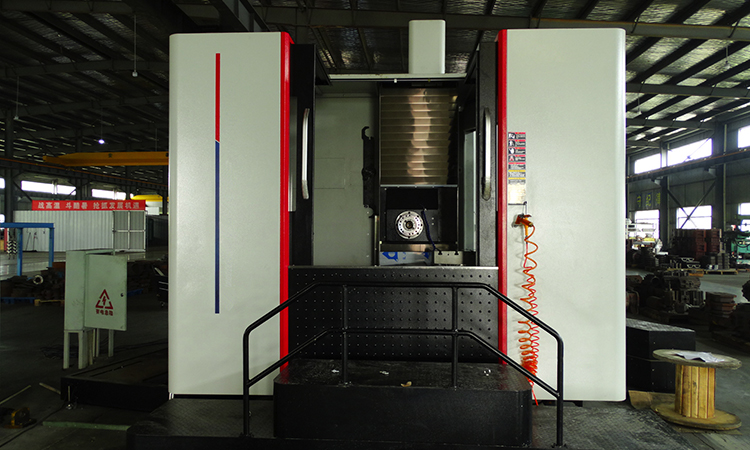
- Part Complexity: Do your parts require machining on multiple faces? A machine with 4th or 5th-axis capabilities can complete complex parts in a single setup, improving accuracy and reducing labor. Our systems are capable of one-clamping, multi-face machining for high-mix production.
- Target Cycle Time: What is your goal for parts per hour? This will influence spindle speed, feed rates, and the need for features like pallet changers.
- Common Machining Defects: Do you struggle with issues like chatter marks, over-cutting, or quadrant glitches in mold making? Advanced control systems with intelligent feed-forward and compensation technologies can directly address these common precision issues.
- Service & Support Needs: What is your tolerance for downtime? Evaluate a potential supplier's warranty terms, response time, and on-site service availability. We offer a standard 12-month warranty with an 8-hour response commitment and 48-hour on-site service.
Your Partner for Demanding CNC Production
Since 2016, MAKCNC has been dedicated to manufacturing reliable and precise CNC machines for global industries. As a professional CNC lathing machine manufacturer, we understand that uptime and accuracy are critical to your business. Our multiple production lines and inventory of sample machines allow us to respond to market needs effectively, with lead times typically ranging from one to six months.
We believe machine quality begins with a solid foundation. That is why our machine bodies are made from high-strength, age-treated cast iron, providing the stability needed for demanding cuts. This structural integrity, combined with high-precision drive components, ensures our machines deliver consistent results over their entire service life. We also offer flexible purchasing terms; while bulk orders receive preferential commercial conditions, we have no hard minimum order quantity, allowing for single-unit procurement. For more information, you can learn more about MAKCNC and our manufacturing philosophy.
Our commitment extends beyond delivery. We provide a comprehensive 12-month warranty after acceptance and offer lifetime paid service to keep your operations running smoothly. Our established after-sales network is structured to provide rapid support when you need it most.
If you are evaluating new equipment for steel or aluminum production, our technical team can help you configure a machine that matches your specific application requirements. Contact us with your part drawings to receive a detailed proposal and quote.