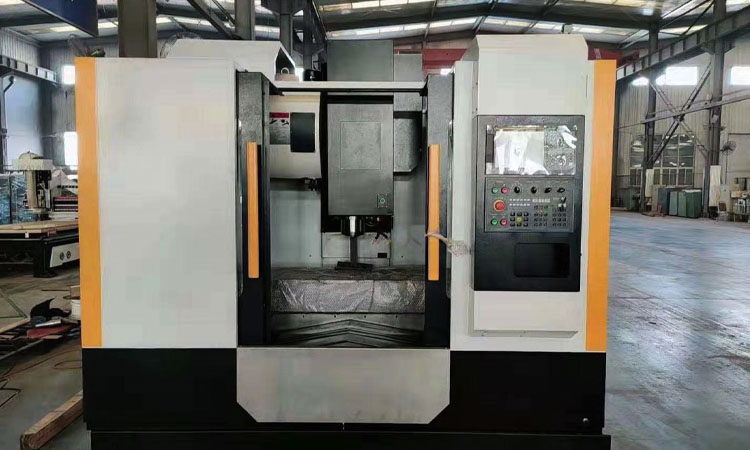
Calculating the True 5-Year Cost of Industrial CNC Machining Equipment
Industrial CNC machining equipment represents a significant capital investment, but the initial purchase price is only one part of the total financial commitment. Buyers who focus solely on the sticker price often face unexpected long-term expenses that erode profitability. A machine with a lower upfront cost can become more expensive over its lifespan due to higher maintenance, frequent downtime, and lower part quality. To make a sustainable investment, you must evaluate the total cost of ownership over a typical five-year operational period. This includes analyzing everything from energy consumption and tooling to the financial impact of after-sales support responsiveness.
This equipment, which includes products like a high quality and durable cnc lathe or a versatile machining center, automates manufacturing processes with computer-guided precision. Understanding the factors that contribute to its long-term cost is essential for accurate budgeting and securing a strong return on investment.
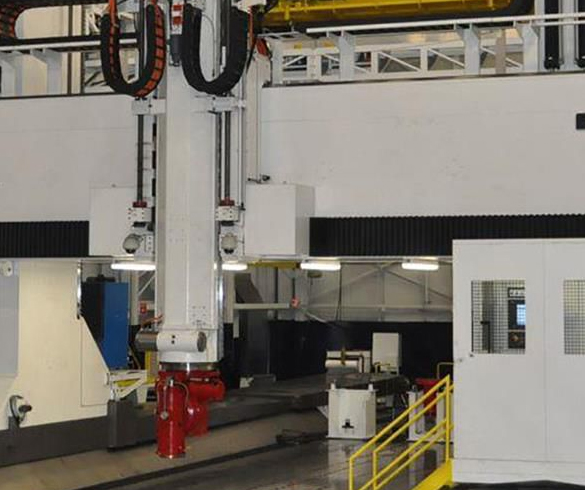
Beyond the Invoice: A 5-Year Total Cost of Ownership (TCO) Formula
The Total Cost of Ownership (TCO) provides a framework for revealing all lifetime costs, not just the initial purchase price. For industrial CNC machining equipment, a practical TCO calculation helps you compare different models and suppliers on a more equal footing. It moves the conversation from "Which machine is cheaper?" to "Which machine delivers the most value over its service life?"
A simplified five-year TCO can be expressed with this formula:
5-Year TCO = Initial Purchase Price + 5 x (Annual Operating Costs)
The challenge lies in accurately identifying and quantifying the annual operating costs. We can categorize these expenses to better manage the calculation and distinguish between fixed figures and operational estimates.
| Cost Category | Component | Description & Estimation Notes |
|---|---|---|
| Confirmed Costs (Known at Purchase) | Purchase Price | The invoiced cost of the machine, including controller and standard accessories. |
| Shipping & Installation | Costs for delivery, rigging, foundation prep, and initial commissioning by a technician. Always request this as a separate line item. | |
| Estimated Costs (Can be Forecasted) | Maintenance | Budget 1-3% of the purchase price annually for preventive maintenance, spare parts, and lubricants. Higher quality components reduce this figure. |
| Tooling & Consumables | The cost of cutting tools, holders, and coolant. This is highly dependent on the materials being machined and production volume. | |
| Energy Consumption | Calculate based on the machine's spindle and motor power ratings (kW) multiplied by your average operating hours and local electricity rate (€/kWh). | |
| Variable Costs (Operation-Dependent) | Labor | The cost of skilled operators for programming, setup, and operation. A machine that allows for single-setup, multi-face machining reduces labor per part. |
| Downtime | The most difficult cost to quantify but potentially the largest. It represents lost production revenue when the machine is not running due to failure. A reliable machine with fast support response minimizes this. |
Key Machine Characteristics That Influence Long-Term Costs
The physical construction and technological integration of a CNC machine directly impact its TCO. Seemingly minor details in the machine's specification sheet can translate into significant savings or expenses over five years. When evaluating industrial CNC machining equipment, look for features that signal long-term stability and efficiency.
- Structural Rigidity and Stability: The machine's base and frame are its foundation. We use high-strength cast iron, such as resin sand castings, which undergo an aging treatment process. This stabilizes the material's internal stresses, ensuring the machine maintains its geometric accuracy and rigidity for years. A stable frame absorbs vibration, which extends cutting tool life, improves surface finish, and reduces the frequency of recalibration.
- Quality of Core Drive Components: The ball screws and linear guideways are the heart of the machine's motion system. Our machines integrate high-precision components from established brands in Taiwan or Germany. These premium parts offer superior reliability and wear resistance compared to lower-grade alternatives, leading to less unscheduled downtime and lower replacement costs.
- Advanced System Control and Integration: Modern CNC controllers do more than just execute G-code. Our systems incorporate technologies like intelligent feedforward control and quadrant glitch compensation. These features are designed to solve common machining defects in the mold industry such as over-cutting, quadrant marks, and chatter. The result is fewer scrapped parts, less time spent on manual finishing, and a higher yield of acceptable components from raw material.
- Processing Versatility: For high-mix, low-volume production, setup time is a major cost driver. Machines capable of completing multi-sided machining in a single clamping significantly reduce labor costs and the potential for error associated with re-fixturing a part. This capability is a direct contributor to lower cost-per-part.
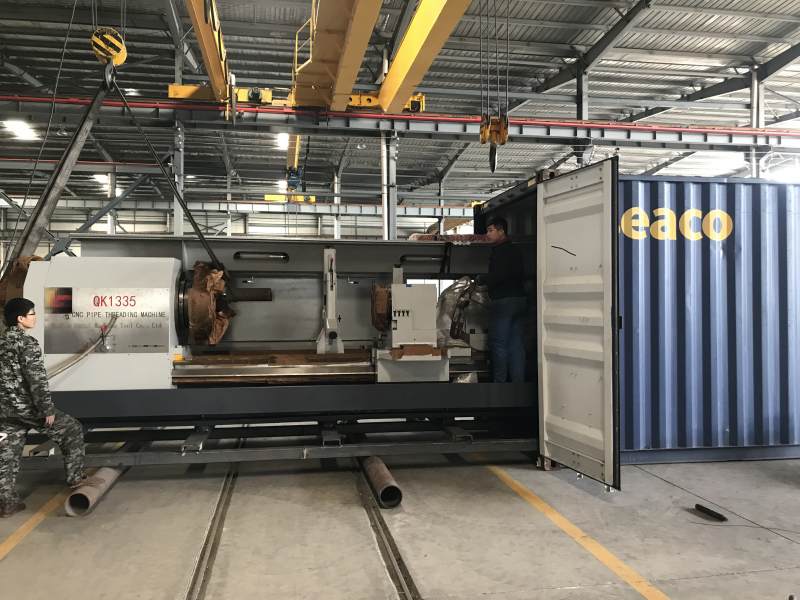
Pre-Purchase Checklist for Minimizing Future Expenses
Before issuing a purchase order, use a structured checklist to verify that a potential supplier and their machine meet the criteria for long-term value. This process helps you look past marketing claims and focus on the factors that directly affect reliability and operational costs.
Buyer's Decision Checklist
- Confirm Quality Management Certification: Does the manufacturer operate an ISO 9001:2015 certified facility? This certification indicates a commitment to consistent processes and quality control.
- Inquire About Core Component Sourcing: Ask for the brands of the ball screws, linear guides, spindle, and CNC controller. Reputable suppliers are transparent about their key components.
- Verify Machine Frame Construction: What material is the machine base made from, and what treatments (e.g., aging, quenching) are used to ensure long-term precision?
- Clarify Warranty and Service Terms: What is the standard warranty period (e.g., 12 months after acceptance)? What are the options and costs for lifetime paid service or extended warranties?
- Evaluate After-Sales Support Guarantees: Does the supplier commit to specific service levels? Look for concrete promises, such as an 8-hour response time and 48-hour on-site arrival for troubleshooting.
- Discuss Procurement Flexibility: Is there a strict Minimum Order Quantity (MOQ)? A supplier with no hard MOQ allows for single-unit purchases, while offering better commercial terms for bulk orders.
- Establish a Clear Lead Time: What is the expected delivery timeline (e.g., 1 to 6 months)? Factor this into your production planning to avoid project delays.
MAKCNC: Your Partner for Cost-Effective Industrial CNC Machining Equipment
Since our establishment in 2016, MAKCNC has focused on building CNC machines that deliver lasting value. Our ISO 9001:2015 certified production facility ensures every machine meets stringent quality standards. We understand that the true cost of a machine extends far beyond its price tag, which is why we build our equipment for reliability, precision, and efficiency.
By using high-strength cast iron frames with aging treatment and integrating core components from leading German and Taiwanese brands, we provide a stable and durable platform for your manufacturing needs. Our professional cnc machining center solution is engineered with advanced control technology to minimize part defects and reduce waste. We offer flexible purchasing options with no rigid MOQ and provide a robust after-sales support network committed to an 8-hour response and 48-hour on-site service, ensuring minimal downtime and protecting your investment for years to come.
Frequently Asked Questions (FAQ)
What is the typical lead time for a MAKCNC machine?
Our standard lead time ranges from one to six months. The exact time depends on the specific machine configuration, level of customization, and current production schedules. We maintain an inventory of sample machines to facilitate faster delivery for some models.
Is there a minimum order quantity (MOQ)?
We do not have a strict or hard MOQ. You can procure a single machine. However, purchasing in volume (multiple units) may provide access to more favorable commercial terms regarding price, delivery, or after-sales service packages.
What brand of core components do you use?
We prioritize long-term reliability and precision by sourcing core drive components, such as ball screws and linear guideways, from highly regarded manufacturers in Taiwan and Germany. This commitment to quality parts is central to our machine's performance.
What does the standard warranty cover?
Our typical warranty provides coverage for 12 months after the machine has been formally accepted at your facility. We also offer lifetime paid service and can accommodate requests for longer warranty periods, such as three years, for specific tenders or projects.
For a detailed quote that considers your specific application and long-term operational goals, contact the MAKCNC team today.