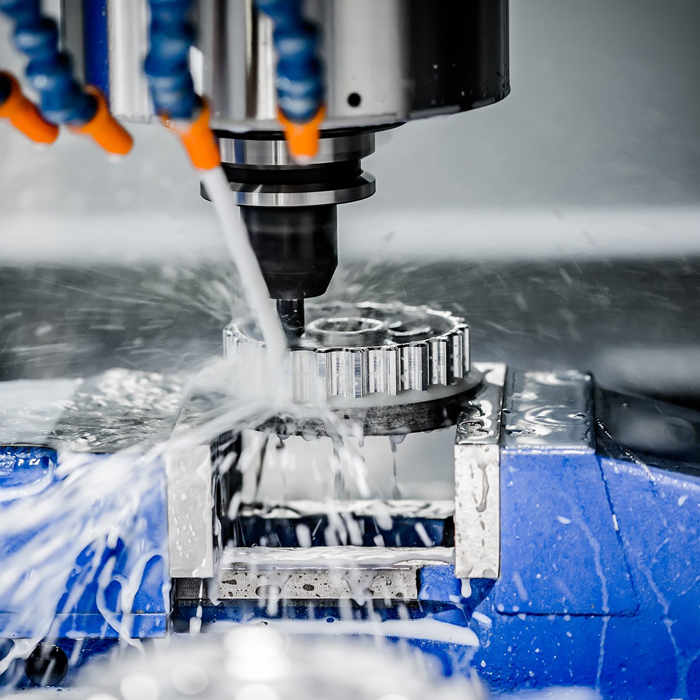
How to Source a Heavy Horizontal Machining Center for 50-Taper Cutting Work
A Heavy Horizontal Machining Center looks similar to a standard machining center on a spec sheet — until you load it with a 500 kg mold base and run a heavy roughing pass. That's when undersized spindle torque, weak pallet clamping, or a thin casting section shows up as chatter, lost accuracy, or a cracked table. Buyers who skip these checks before issuing an RFQ often find out the hard way, after the machine is already on the shop floor. This guide covers what actually separates a machine built for 50-taper heavy cutting from one that only looks the part.
What Is a Heavy Horizontal Machining Center?
A Heavy Horizontal Machining Center is a CNC-controlled machine tool with a horizontal spindle orientation, typically fitted with a rotary or index table and pallet-changing system, built to remove large amounts of material from heavy or bulky workpieces — mold bases, gearbox housings, pump bodies, structural steel parts. Unlike vertical machining centers, the horizontal spindle layout lets chips fall away from the cutting zone by gravity, which matters during long, heavy roughing cycles where chip re-cutting damages both the tool and the surface finish. "Heavy" in this context refers to the machine's rated pallet load, spindle torque, and structural rigidity — not just its physical footprint.
Types of Heavy Horizontal Machining Centers
Not every horizontal machine is built the same way, and the differences matter once you get into heavy cutting. Common configurations include:
- Fixed-column, single-pallet machines — simpler structure, lower cost, suited to lower-volume heavy parts where pallet-change speed isn't a priority.
- Twin-pallet (APC) horizontal machining centers — one pallet loads while the other machines, reducing idle spindle time; common in mold and die shops running multiple fixtures.
- Traveling-column horizontal machining centers — the column moves rather than the table, useful for oversized or heavy workpieces that shouldn't be repositioned often.
Buyers evaluating options across categories can compare configurations through a broader CNC machining center lineup before narrowing down to horizontal-specific models.
Features of a Heavy Horizontal Machining Center Built for 50-Taper Work
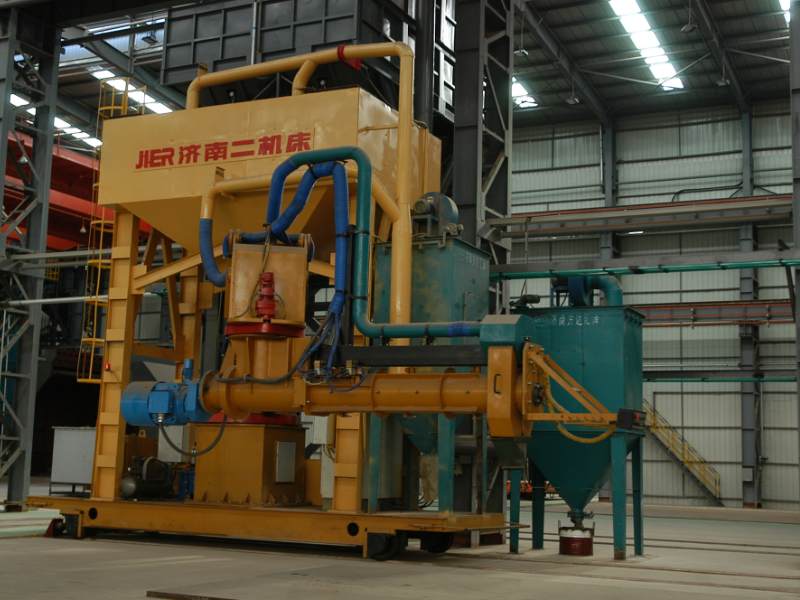
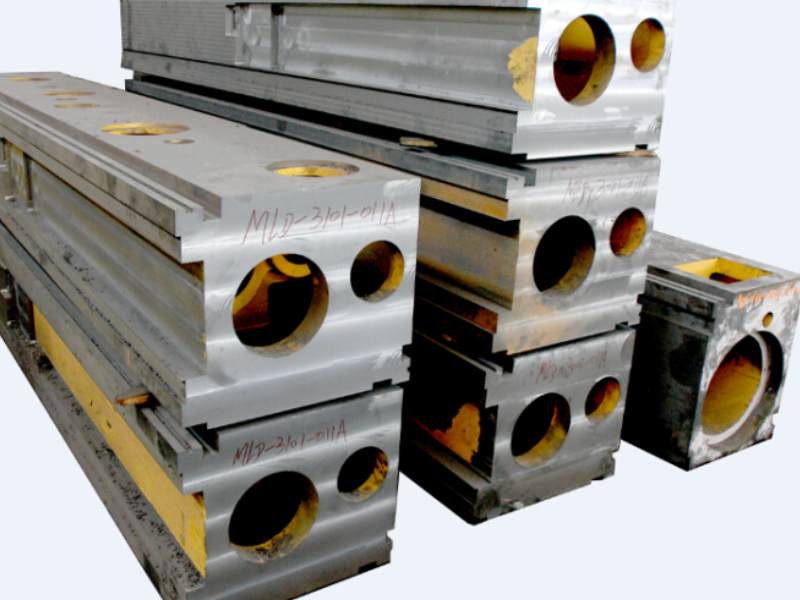
50-taper spindles exist because 40-taper tooling runs out of rigidity once cutter diameter and depth of cut go up. But the spindle taper alone doesn't guarantee heavy-cutting performance — the whole machine has to support it. Structural bodies are typically cast from high-strength cast iron, often resin sand castings, then aged to relieve internal stress so the frame holds its geometry under repeated heavy loads over years of service, not just during acceptance testing. Core motion components — ballscrews and linear guideways — commonly come from Taiwanese or German brands, chosen because spindle torque and axis rigidity only translate into accuracy when the whole drivetrain works together as one system.
For mold and die work specifically, control systems with intelligent feedforward and quadrant-glitch compensation address the over-cut marks, quadrant witness lines, and chatter marks that show up on curved surfaces during direction changes — a persistent problem on machines without this compensation. Machines built for multi-variety, small-batch production also benefit from one-setup, multi-face machining capability, cutting down on repositioning error for parts with features on several sides.
Sourcing Checklist Linking Spindle Torque, Pallet Load, and Casting Structure to Your Cutting Job
These three items are frequently checked in isolation, but they only tell the full story together. A high-torque spindle mounted on a thin-walled casting will still deflect under load; a heavy pallet rating means nothing if the spindle can't drive a large cutter through hardened steel. Match each spec against your actual heaviest job before requesting a quote.
| Check Item | Why It Matters | Risk If Ignored |
|---|---|---|
| 50-taper spindle torque rating | Determines how large a cutter diameter and depth of cut the machine can sustain in steel or cast iron without stalling | Roughing passes get throttled back, cycle times stretch, tool wear accelerates |
| Pallet load rating (kg) | Sets the practical ceiling on part + fixture weight the table and clamping system can hold accurately through rotation | Table sag or clamping slip mid-cycle, leading to dimensional drift on large parts |
| Casting structure and rib design | Resists deflection from cutting forces transmitted through the spindle and table; aged castings hold geometry over time | Vibration, chatter marks, and gradual loss of positioning accuracy after months of heavy use |
| Guideway and ballscrew brand/size | Axis rigidity has to match spindle torque, or the drivetrain becomes the weak link during heavy cuts | Axis backlash and reduced repeatability despite a powerful spindle |
Rule of thumb: if your heaviest fixture-plus-workpiece weight is within 70% of the rated pallet load, and your typical cutter diameter for roughing exceeds 50mm in steel, you need to verify the spindle torque curve and casting rib layout directly with the builder — general spec sheets rarely show enough detail on their own.
Heavy Horizontal Machining Center Applications
These machines are common in mold and die shops producing multi-cavity injection molds, in heavy equipment manufacturing for gearbox and pump housings, and in energy-sector fabrication where large castings need several faces machined without repositioning. The horizontal spindle layout and pallet system make them a practical fit anywhere parts are heavy, geometrically complex, and produced in small to mid-size batches rather than mass volume.
Heavy Horizontal Machining Center Price
Pricing on horizontal machining centers varies with several factors, and none of them should be assumed equal across suppliers:
- Spindle taper and torque class — higher-torque 50-taper spindles cost more than standard 40-taper units.
- Pallet size and load rating — larger pallets with higher load capacity add to structural and drive costs.
- Control system brand — feedforward and quadrant-compensation features are usually tied to higher-tier controllers.
- Guideway/ballscrew origin — imported precision components (Taiwan or Germany) price higher than generic alternatives but affect long-term accuracy retention.
- Order volume — there's no hard minimum order quantity; a single unit can be purchased, but multi-unit orders typically unlock better pricing, lead time, or after-sales terms.
Lead times generally run 1 to 6 months depending on configuration and whether the model is available from existing sample stock.
Heavy Horizontal Machining Center User Guide
Once the machine arrives, a few practices protect the investment: pour a level, vibration-isolated foundation before installation — heavy horizontal machines are sensitive to floor settling over the first year. Run a warm-up cycle before heavy roughing jobs, especially in cold shop conditions, since thermal growth in the spindle and ballscrews affects first-part accuracy. Follow the manufacturer's lubrication and guideway cleaning schedule; skipping this is the most common cause of premature axis wear on machines otherwise built to hold tolerance for years. Keep acceptance-test records on file, since warranty terms are usually measured from the machine's acceptance date, not shipment date.
Heavy Horizontal Machining Center Supplier
MAKCNC has manufactured CNC lathes and machining centers since 2016, operating multiple production lines with sample machines kept in stock to shorten evaluation and delivery timelines. Our facility is ISO9001:2015 certified, and structural components across our machine lines use high-strength cast iron with aging treatment for long-term rigidity, paired with Taiwan or Germany-sourced ballscrews and guideways. Standard warranty covers 12 months after machine acceptance, with lifetime paid service afterward; select tender projects can be arranged with extended terms such as a three-year free warranty. Our service network targets an 8-hour response and 48-hour on-site resolution for reported issues. Buyers with non-standard requirements can also review our customized CNC equipment options, and see documented project outcomes on our global CNC machinery cases page. More on our background is available on the about MAKCNC page.
FAQ of Heavy Horizontal Machining Center
Is there a minimum order quantity?
No hard minimum — a single unit can be purchased. Multi-unit orders usually get better pricing, delivery, or service terms.
What's the typical lead time?
Generally 1 to 6 months, depending on configuration and whether the requested spec matches an available sample machine.
What warranty applies after acceptance?
Standard coverage is 12 months post-acceptance with lifetime paid service; some tender-based projects qualify for a three-year free warranty.
Can the machine handle multi-face machining in one setup?
Yes, this capability is built into the pallet and control system design for multi-variety, small-batch production, reducing repositioning steps.
Do you offer vertical alternatives if horizontal isn't the right fit?
Yes — models such as the MV1380 and MV970 are available for parts better suited to vertical spindle orientation.
If you're evaluating a Heavy Horizontal Machining Center for 50-taper heavy cutting, send us your part weight, cutter size, and cycle-time targets — we'll help match spindle torque and pallet rating to your job before you commit to an RFQ.