How to Vet a CNC Turning Equipment Supplier
What Is a CNC Turning Equipment Supplier
CNC Turning Equipment Supplier is a business that offers CNC lathing machines and supports buyers during machine selection, quotation, delivery, commissioning, and after-sales coordination. The term should not be treated as proof that a vendor owns a factory, keeps spare parts, performs final inspection, or can handle export paperwork. Those points require evidence. CNC turning is a machining process in which a workpiece rotates while cutting tools remove material to form cylindrical, tapered, threaded, or contoured features. For a procurement manager, the supplier-qualification question is not simply whether a machine appears suitable in a catalogue. It is whether the supplier can provide verifiable proof that the quoted configuration, build quality, acceptance method, documentation, and support terms fit the planned production requirement.
A buyer should begin by defining the equipment scope before comparing vendors. Confirm the intended part family, material, maximum workpiece size, workholding method, required operations, production volume, operator skill level, electrical requirements, and destination-country documentation needs. This reduces the risk of receiving quotations for machines that look similar but differ in useful capability. A supplier can only prepare a meaningful offer when the buyer states the real production task. If drawings are unavailable at the first stage, a part sketch, process sheet, existing machine data, or list of recurring machining problems can still support an initial technical discussion.
Types of Supplier Arrangements to Compare
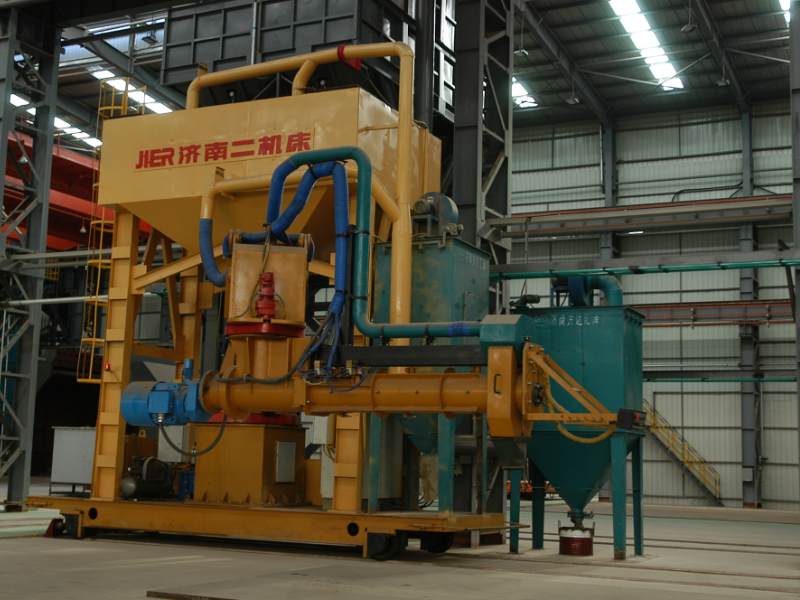
Overseas buyers generally encounter three practical supplier arrangements. The right choice depends on whether the purchase is limited to turning work or forms part of a wider manufacturing-cell plan. MAKCNC offers CNC lathing machines, CNC machining centers, and CNC machine solutions, so its scope may suit buyers who need to compare turning equipment alongside milling capacity. That does not mean every project needs a combined purchase. A dedicated turning requirement should be evaluated on its own specifications, acceptance criteria, and service plan.
| Supplier arrangement | Best-fit purchasing situation | What to verify before requesting a final quote | When it may not fit |
|---|---|---|---|
| Turning-machine-focused order | A production line needs a CNC lathe for shafts, sleeves, flanges, threaded parts, or similar rotational components. | Machine configuration, chuck and tooling scope, control system, workpiece range, run-off part, and acceptance method. | It may not fit if the part also needs extensive prismatic milling, drilling, or multi-face machining. |
| Turning and machining-center package | A buyer is setting up or expanding a line that needs both rotational and non-rotational part processing. | Interface between processes, fixture strategy, production sequence, installation timing, and separate acceptance criteria for each machine type. | It may add sourcing complexity when only one replacement CNC lathe is needed. |
| Customized equipment discussion | A standard machine needs adaptation for a specific part, fixture, workflow, or automation requirement. | Written scope boundaries, approved configuration, drawings, commercial impact, acceptance responsibility, and service limitations. | It is not appropriate when the requirement is still unclear or when a standard model already meets the task. |
For a buyer considering both turning and milling equipment, compare the product scope with a professional cnc machining center solution before asking for a package quotation. The practical benefit is better process planning. The limit is that a package should not replace individual technical validation for each machine.
Features That Matter During Supplier Qualification
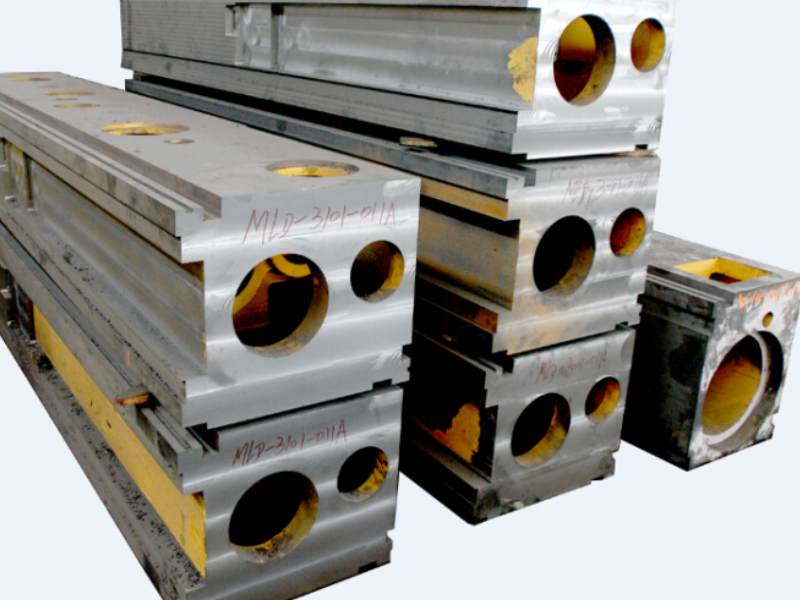
Focus on features that affect long-term production rather than brochure language. Machine structure, transmission components, control functions, and service conditions should all be linked to a real operating need. MAKCNC states that many machine bodies use high-strength cast iron, including resin-sand castings, with aging treatment intended to support long-term rigidity and accuracy retention. The company brief also states that core transmission parts such as ball screws and guideways commonly use high-precision Taiwan or German components. A buyer should request the exact component brand and model for the quoted machine because “commonly used” does not define an individual order configuration.
- Machine-body construction: Request the material description and confirm whether the quoted machine uses the stated casting approach. This suits buyers concerned about rigidity and long-term stability. It does not replace a run-off test or acceptance inspection.
- Ball screws and guideways: Ask for the component brands, specifications, and maintenance requirements in the final technical offer. This is relevant for repeatability-sensitive work. It does not prove final assembly quality by itself.
- Control and compensation functions: For mold-related precision work, MAKCNC describes system integration with intelligent feedforward and quadrant-jump compensation to address issues such as overcut marks, quadrant marks, and chatter patterns. Ask whether these functions apply to the selected control system and configuration. They may not be relevant for simple rough-turning work.
- Multi-face processing capability: For high-mix, low-volume production, verify whether the proposed setup can complete multiple faces in one clamping. This can reduce handling steps, but only when the part geometry, fixture, tooling, and machine configuration support it.
The buying rule is simple: treat each claimed feature as a request for a document, a live demonstration, or a contractual line item. Do not accept an unverified feature list as proof that the final delivered machine will include every item.
CNC Turning Equipment Applications and Fit Limits
CNC lathing equipment is commonly considered for parts where rotation around a central axis drives the machining process. Examples include shafts, bushings, threaded fittings, flanges, couplings, pins, sleeves, and other rotational components. Production engineers should classify parts by turning time, secondary operations, required tolerances, material behavior, and clamping risk before selecting a machine. A supplier discussion becomes more useful when the buyer provides one representative difficult part rather than only a general industry name. For instance, a short flange may need different workholding and chip-management choices than a long slender shaft, even when both are described as turning work.
The machine should also be assessed against the steps it cannot complete efficiently. A part with extensive side drilling, angled features, deep pocket milling, or multiple prismatic faces may require secondary processing or a machining-center operation. MAKCNC also offers CNC machining centers, including models such as the vertical cnc machining center mv1160, which may be relevant where turning is only one stage of the manufacturing route. That comparison is useful for process planning, not a reason to purchase more equipment than the part family requires.
How to Evaluate CNC Turning Equipment Price Factors
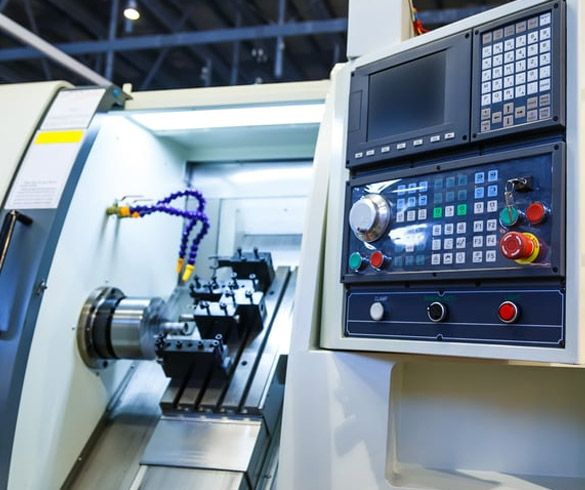
A machine price should be evaluated as a defined commercial package, not as one number. A low initial offer can omit equipment, documentation, installation support, spare parts, or export responsibilities that another supplier has included. Since actual prices depend on machine configuration and order terms, buyers should request an itemized quotation and compare like for like. MAKCNC states that there is no mandatory minimum order quantity and that a single machine can be purchased. For multi-machine purchases, better commercial terms may be available in price, delivery time, or after-sales service. That is useful for staged investment planning, but the exact terms must be confirmed for the specific order.
| Quote element | Buyer action | Why it affects the real purchase cost |
|---|---|---|
| Base machine configuration | Request a line-by-line specification sheet. | Controls, workholding, tooling interfaces, guards, and optional functions can differ between offers. |
| Included accessories | Ask which accessories are included, optional, or excluded. | An apparently lower offer may require later additions before production can start. |
| Inspection and acceptance | State the required test method and documents before order confirmation. | Acceptance disputes often arise when the test part or standard was not agreed in advance. |
| Export and shipping terms | Specify the destination, requested trade term, packing requirement, and document list. | Freight, insurance, export packing, customs paperwork, and local handling can materially change landed cost. |
| Warranty and service | Confirm duration, start date, exclusions, response process, and paid-service rates after warranty. | After-sales obligations are only useful when responsibilities are written clearly. |
MAKCNC describes a usual warranty of 12 months after complete-machine acceptance, followed by lifetime paid service. Some tender projects may require a longer arrangement, such as three years of free warranty. The suitable approach is to state the required warranty in the RFQ rather than assume a tender-specific term applies to every purchase.
Supplier Verification Workflow Before Final Quotation
Use a staged verification process before issuing a purchase order. The purpose is to separate confirmed evidence from supplier statements. MAKCNC was established in 2016 and reports multiple production lines and sample-machine inventory. These are relevant starting points for a factory review, but a buyer should still request current evidence for the selected machine and production schedule. The company brief also lists S09001:2015. Request a copy of the applicable certificate, its issuing organization, validity period, and scope before treating it as a qualification item.
| Verification stage | Evidence to request | Decision rule | Limit of the check |
|---|---|---|---|
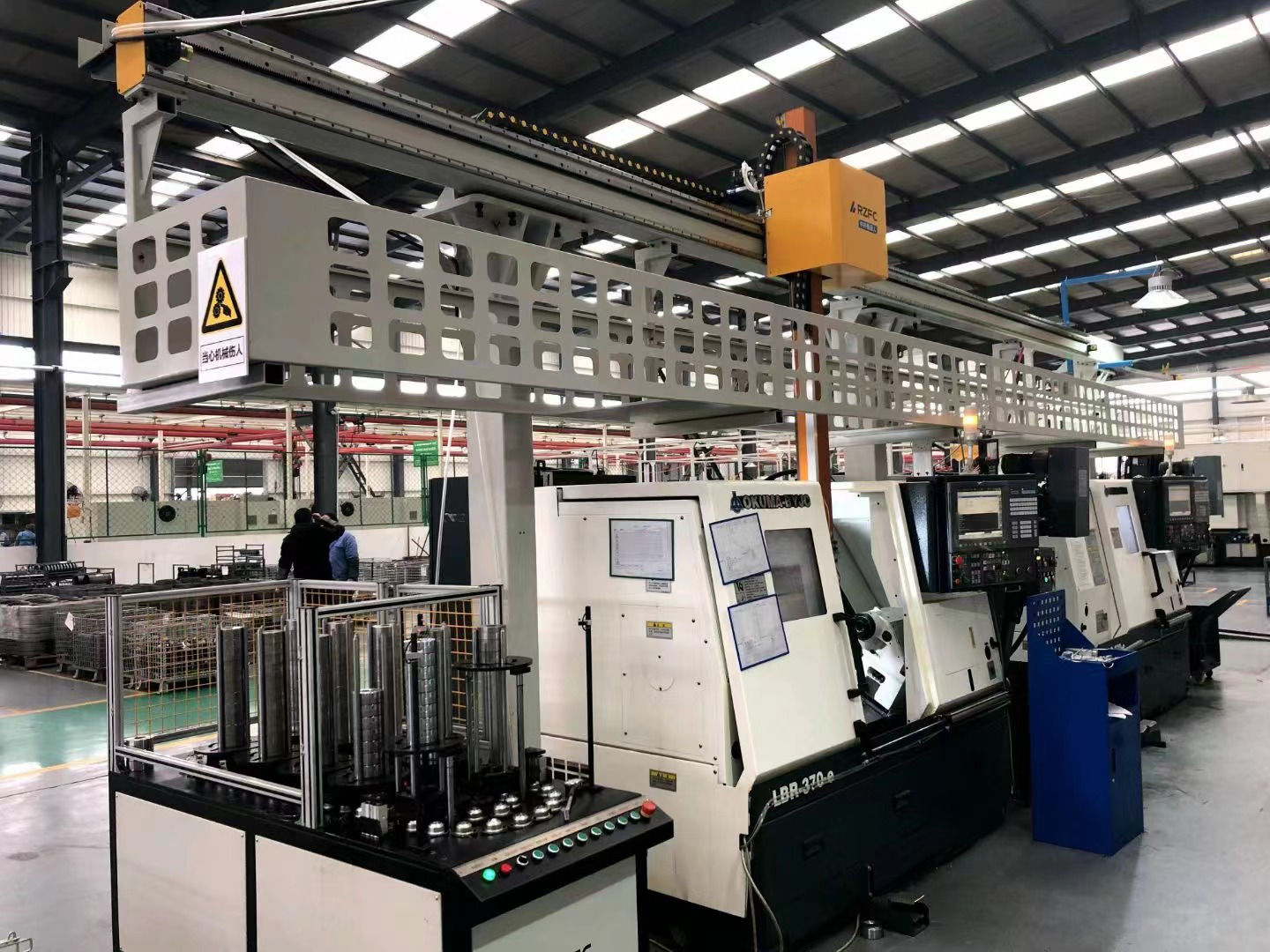
| Factory capability | Current factory address, production-line photos or video, equipment list, organization contacts, and clarification of the quoted machine’s build status. | Confirm that the facility and production activity match the supplier’s stated role. | Photos alone do not confirm the quality of your specific machine. |
| Live run-off evidence | Live video of the quoted or comparable machine running, machining sequence, control display, safety functions, and agreed representative part where available. | Use an agreed test plan that identifies what the demonstration must show. | A comparable machine is not proof that the ordered configuration has passed acceptance. |
| Inspection records | Inspection report format, machine acceptance checklist, test-part method, and calibration status for measuring equipment used in acceptance. | Approve the record format before shipment and define who signs it. | Records must match the actual machine serial number and agreed scope. |
| Spare-parts stock | Recommended spare-parts list, available stock status, lead-time confirmation, and pricing for consumable or service-sensitive items. | Identify parts that could stop production and agree how replacements will be obtained. | Do not assume local stock or immediate availability unless confirmed in writing. |
| Export documentation | Proforma invoice, packing list, commercial invoice, bill of lading requirements, origin documents if required, manuals, and electrical documentation. | Give the supplier a destination-specific document list before booking shipment. | The buyer must still confirm import rules with its broker or local authority. |
This checklist fits procurement teams buying overseas equipment, especially where a site visit is not practical. It does not replace an independent pre-shipment inspection when the contract value, technical risk, or internal approval process justifies third-party verification. Agree the inspection timing, cost responsibility, rejection criteria, and corrective-action process before production is completed.
Installation and Use Controls That Should Be Agreed Early
Installation risk is often created during the quotation stage because buyers wait too long to discuss utilities, foundations, lifting, commissioning, training, and first-part acceptance. Ask the supplier which installation requirements are included in the machine documentation and which site conditions must be prepared by the buyer. Confirm power specifications, space planning, access route, lifting method, coolant and chip-management needs, and operator training responsibilities before shipment. This is particularly important when replacing an existing machine with limited floor space or when installation must align with a fixed shutdown period.
- Send the part drawing or process details and identify the operations to be performed on the machine.
- Request a technical proposal that distinguishes standard scope, options, exclusions, and buyer-supplied items.
- Agree acceptance criteria, inspection records, run-off evidence, and pre-shipment inspection rights.
- Confirm shipment terms, packing method, documentation list, and destination requirements.
- Prepare the site before arrival and assign named contacts for installation, commissioning, and acceptance.
- Record final acceptance, warranty start date, service contacts, and the approved spare-parts plan.
The company brief states that mature after-sales networks typically commit to an eight-hour response and on-site fault handling within 48 hours. Buyers should ask whether these targets apply to their destination, service channel, working-day definition, and machine model. Response targets do not guarantee that every fault can be resolved within that period, particularly if replacement components are required.
MAKCNC Supplier Fit and Cooperation Boundaries
MAKCNC can be considered by buyers sourcing CNC lathing machines, CNC machining centers, or CNC machine solutions who want to qualify a supplier before final quotation. The documented business facts provide several useful discussion points: establishment in 2016, multiple production lines, sample-machine inventory, single-machine purchasing without a mandatory minimum order quantity, and stated lead times of one to six months. Lead time should be confirmed against the actual configuration, production queue, customization scope, and destination arrangements. A sample machine in inventory may support faster review or availability discussions, but it should not be treated as a delivery promise for every model.
For turning-focused requirements, review the available cnc lathing machine range alongside the verification checklist in this article. For specialized requirements, discuss whether customized cnc machines and machining centers from makcnc are appropriate only after the process requirement is sufficiently defined. The buyer should request written confirmation of exact configuration, inspection scope, warranty terms, export documentation, service responsibilities, and commercial conditions. These items remain project-specific and should be settled in the formal quotation and contract.
FAQ of Supplier Qualification for CNC Turning Equipment
Should a buyer approve a supplier based on a catalogue and quotation alone?
No. A catalogue identifies possible equipment, while qualification should confirm the specific machine configuration, factory capability, live run-off evidence, inspection records, spare-parts approach, and export documents. A catalogue is useful for shortlisting. It is not sufficient for final approval when production uptime, acceptance requirements, or overseas shipment risk matter.
What should be included in a CNC lathe RFQ?
Include part drawings or part descriptions, material, maximum dimensions, annual or monthly volume, target operations, tolerance requirements, preferred control system if applicable, workholding needs, destination country, requested trade term, warranty expectation, and required documentation. If the buyer has no drawing, provide photos, current machining method, and the production issue the new machine must solve.
Can one machine be purchased from MAKCNC?
Yes. MAKCNC states that there is no mandatory minimum order quantity and that a single machine can be purchased. Multiple-machine procurement may qualify for improved terms in pricing, delivery, or after-sales service, subject to the specific commercial discussion.
What warranty point should be confirmed before ordering?
Confirm the warranty duration, the event that starts the warranty period, covered components, exclusions, remote-support process, on-site service conditions, and paid-service terms after warranty. MAKCNC states that its usual complete-machine warranty is 12 months after acceptance, with lifetime paid service thereafter. Tender-specific warranty requirements should be written into the final agreement.
If you are shortlisting overseas CNC turning vendors, contact MAKCNC for a current quotation and a machine-specific verification package.