How to Accurately Budget with a China CNC Lathe and Machining Center Supplier
A China CNC lathe and machining center supplier can offer significant value, but the most common mistake buyers make is focusing only on the machine's price tag. An attractive initial quote can hide thousands in unbudgeted expenses related to shipping, duties, and options. Failing to account for the total landed cost before signing a purchase order is the single biggest risk in international procurement. It turns a smart investment into a budget crisis. This guide breaks down the full cost structure so you can create an accurate budget and compare suppliers with complete clarity.
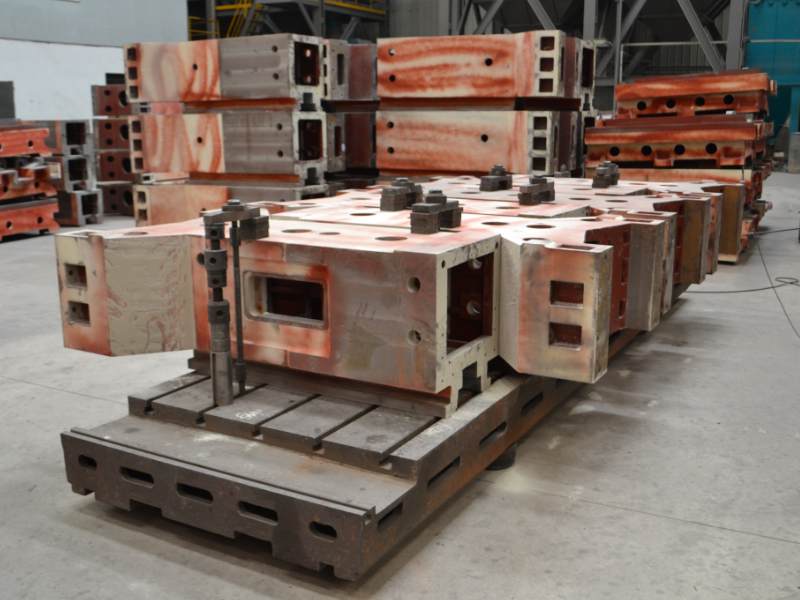
Before calculating costs, it's essential to understand what defines a quality machine. The performance of a CNC machine is determined by its structural integrity, the precision of its components, and the intelligence of its control system. At MAKCNC, we build our machines on a foundation of high-strength cast iron, like resin sand castings, which undergo an aging treatment to ensure long-term rigidity and accuracy. This stable base is critical for absorbing vibrations and maintaining precision during aggressive cutting operations.

Understanding the Five Components of Your Total Landed Cost
The price on your initial quotation is only the beginning. To avoid surprises, you must analyze the full CNC machine import cost. We believe in transparency, which is why we break down our international quotes into a five-part landed cost model. This helps you see exactly where your money is going and separates fixed costs from variable estimates.
Here is a breakdown of the typical costs involved when importing a machine. Use this as a checklist when reviewing any quote from a potential supplier.
| Cost Component | Description | Cost Type | Action for Buyer |
|---|---|---|---|
| 1. Machine Base Price | The ex-factory (EXW) price for the standard machine configuration. This is the figure most buyers focus on. | Confirmed | Verify the standard specifications. Ensure this price reflects the machine you need before any options. |
| 2. Tooling & Options | Costs for optional accessories like a 4th axis, tool setters, chip conveyors, or specific tooling packages. | Confirmed | Finalize all required options with the supplier's technical team before the final quote. Adding these later can be more expensive. |
| 3. Crating & Handling | The cost to properly package the machine for international sea freight. This includes fumigated wooden crates compliant with ISPM 15 standards. | Confirmed | Confirm that the crating is robust enough for ocean transit and protects against corrosion and impact. |
| 4. Freight & Insurance | The cost to transport the machine from the supplier's factory to your nearest port (CIF Incoterms) or directly to your facility (DAP). This is the largest variable. | Estimate | Request a freight estimate but understand that shipping rates fluctuate weekly. We can provide current estimates, but the final cost is set at the time of booking. |
| 5. Destination Charges & Duties | Fees at your end, including customs clearance, port handling, import duties, taxes (VAT/GST), and inland transportation. | Variable / Unknown to Supplier | Work with a local customs broker. They can provide an accurate estimate of CNC customs duties and fees based on the machine's HS code and value. |
Key Machine Features That Influence Price and Performance
The base price of a CNC machine is directly tied to its engineering and components. While a lower price may be tempting, it often comes at the expense of long-term accuracy and reliability. When evaluating a quote from any China CNC lathe and machining center supplier, look for details on the core construction and systems.
Our machines are built for demanding applications, particularly in the mold and die industry where precision is non-negotiable. Here are the specific elements that contribute to their performance:
- Structural Rigidity: The machine body is made from high-strength cast iron that has been through an aging process. This stabilizes the material, preventing deformation over years of use and maintaining the machine's geometric accuracy.
- Core Drive Components: We use high-precision ball screws and linear guideways from established brands in Taiwan or Germany. These are the arteries of the machine, and their quality directly impacts positioning accuracy and repeatability.
- Advanced Control Systems: For high-precision mold making, our systems incorporate intelligent feedforward and quadrant glitch compensation. These technologies proactively address common machining flaws like over-cutting, quadrant marks, and chatter marks, resulting in a superior surface finish.
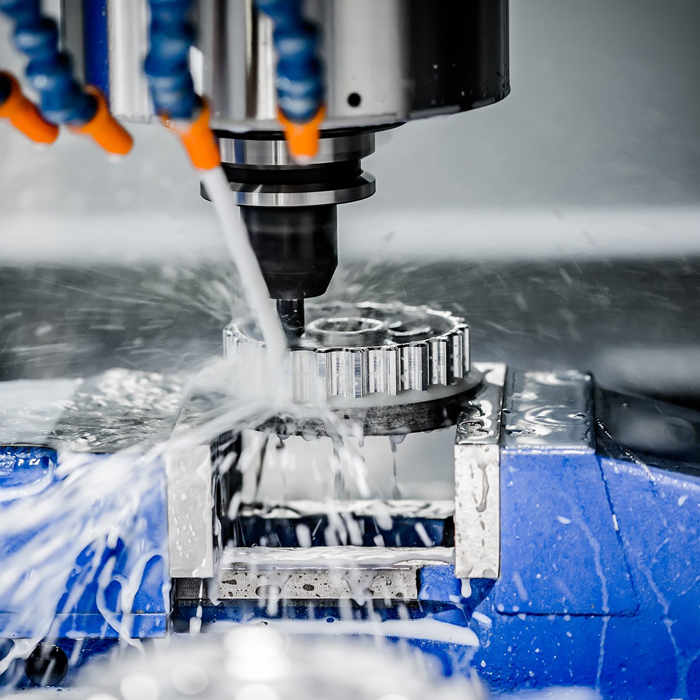
- Versatility for Production: For shops that handle diverse jobs, our machining centers are capable of multi-face machining in a single clamping. This reduces setup time and improves accuracy for complex parts, making them ideal for high-mix, low-volume production. See our professional cnc machining center solution page for examples.
Planning for Delivery, Warranty, and After-Sales Support
Your relationship with a supplier doesn't end when the machine ships. Post-purchase support and logistics are a critical part of the total value. A cheap machine with poor support can quickly become the most expensive piece of equipment in your shop due to downtime.
Common Sourcing Mistakes to Avoid
Based on our experience, here are frequent missteps buyers make when importing equipment. Avoiding them will save you time and money.
- Ignoring Lead Times: Our standard production lead time is 1 to 6 months. This does not include shipping time. Factoring this entire timeline into your production planning is essential to avoid delays.
- Assuming a Standard Warranty: Our typical warranty is 12 months after site acceptance. However, some projects, like formal tenders, may require longer terms, such as three years. Always clarify the warranty period and what it covers in your purchase contract.
- Underestimating Support Response Time: When a machine is down, every hour counts. Our established aftermarket service network commits to an 8-hour response time for inquiries and aims to have a technician on-site within 48 hours to address any faults.
- Forgetting About Long-Term Service: We provide lifetime paid service for our machines. This ensures you have access to parts and technical expertise long after the warranty period expires.
MAKCNC: Your ISO9001:2015 Certified Partner
Founded in 2016, MAKCNC operates multiple production lines within our ISO9001:2015-certified facility. We maintain an inventory of sample machines, allowing potential partners to see our build quality firsthand. We differentiate ourselves by offering flexibility and engineering depth. There is no rigid minimum order quantity; you can procure a single machine. However, purchasing in volume allows for more favorable commercial terms regarding price, delivery, and after-sales support.
Our philosophy is centered on system synergy—ensuring that every high-quality component works together to deliver optimal performance for the entire machine. This approach, combined with our transparent costing model, makes us a reliable partner for businesses looking to invest in productive and durable CNC equipment. You can learn more about MAKCNC, professional cnc lathing machine manufacturer, on our company page.
Frequently Asked Questions (FAQ)
What is the total landed cost of a CNC machine from China?
The total landed cost is the sum of the machine's price, options, crating, international freight, insurance, customs duties, taxes, and local delivery fees. As a rough guide, destination charges (duties, taxes, clearance) can add 10-25% to the CIF (Cost, Insurance, and Freight) value, but this varies significantly by country.
How much does it cost to import a CNC lathe?
The import cost depends on the machine's value, weight, and your country's tariff schedule. The machining center freight cost can range from $2,000 to $10,000+ depending on the machine size and current market rates. You must consult a local customs broker for a precise calculation of duties and taxes.
How do I calculate CNC machining center shipping cost?
To calculate shipping cost, you need the packed dimensions (Length x Width x Height) and gross weight of the machine crate. Provide this information, along with the origin and destination ports, to a freight forwarder. They will give you a quote based on current container shipping rates.
If you are evaluating suppliers for your next CNC machine, contact our technical team. We can provide a detailed, five-part quote to help you build an accurate budget. Submit your requirements to get started.