
CNC Centers for Small Batch Production
What Are CNC Centers
cnc centers are computer-controlled machine tools that cut, drill, mill, tap, and finish parts according to digital programs. They are especially useful for small-batch production, where manufacturers may need prototypes, replacement parts, customized components, or short runs without investing in a dedicated production line. A CNC center can store multiple programs, use a range of cutting tools, and repeat the same tool path with dependable dimensional control. That flexibility is valuable when a customer needs 20 brackets this week, 80 housings next month, and a revised design after field testing. Rather than relying on manual measurement for every piece, the operator loads the program, secures the workpiece, verifies the work offset, and starts the cycle. Skilled setup remains essential, but CNC machining makes the repeatable stages of production much easier to manage.
Types of CNC Centers
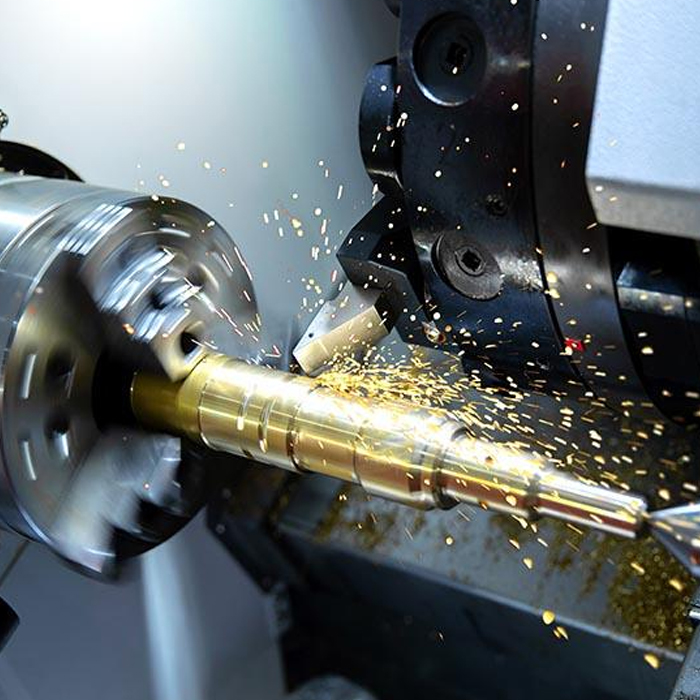
Several types of CNC machining centers are available, and the best option depends on the part shape, material, workholding method, and expected production volume. Vertical models place the spindle above the workpiece. They are widely used for plates, molds, brackets, motor components, and other prismatic parts. MAKCNC vertical models such as the vertical cnc machining center MV1160 are suitable for workshops that need a generous working range without taking up excessive floor space. Horizontal models position the spindle beside the workpiece, which can improve chip evacuation and make multi-face machining more efficient on deeper or larger parts. CNC lathes are intended for round workpieces, including shafts, bushings, flanges, and threaded components. Depending on the part family, a manufacturer may use one machining center for milling and a CNC lathing machine for turning, or combine both processes in a practical production plan.
Features of CNC Centers
For short-run manufacturing, the most important CNC center features are efficient setup, repeatable positioning, programmable cutting, and reliable tool access. A machine with a suitable automatic tool changer can move from drilling to milling and tapping without requiring manual tool changes after each operation. Storage for multiple part programs helps operators switch between orders, while work offsets make it easier to manage different fixtures and material sizes without rewriting the program. Rigid machine construction supports stable cutting in steel, aluminum, cast iron, and other common materials. Spindle speed and feed control also allow the process to be adjusted for a thin-wall aluminum housing or a tougher steel shaft. In practice, small-batch productivity often depends less on the highest spindle speed and more on how quickly the team can prepare the fixture, verify the program, and return to a proven setup.
Setup Efficiency and Fast Changeovers
Small orders can become unprofitable when setup takes longer than the actual cutting cycle. CNC centers address this issue by storing proven programs and allowing repeat jobs to return to an established process. Modular fixtures, zero-point workholding, preset tools, and probing systems can significantly reduce the time between one job and the next. For example, a manufacturer making three sizes of pump covers may use one fixture base with interchangeable locating plates instead of designing a completely new fixture for every size. After the first successful run, operators should document tool numbers, work offsets, clamping details, inspection points, and cutting parameters. Those records make the next order faster to prepare, even when a different operator runs the machine. Fast changeovers are not created by machine features alone; they depend on sound machine design, disciplined tooling practices, accurate programming, and organized production records.
CNC Center Applications
CNC center applications extend across many industries because short-run work rarely follows a single production pattern. Prototype departments use machining centers to test new enclosures, brackets, impellers, fixtures, and other components before committing to higher-volume production. Automotive suppliers may produce trial tooling, sensor mounts, transmission parts, and service components in quantities ranging from 10 to 500 pieces. Aerospace subcontractors often require careful documentation and consistent machining for lightweight aluminum or titanium parts. Agricultural equipment manufacturers may need replacement gears, shafts, mounting plates, and hydraulic components, while petroleum and geological service companies can order threaded pipe parts and specialized flanges in limited quantities. Consumer electronics suppliers can use a vertical machine to produce metal frames, test fixtures, and heat sinks. With appropriate tooling and cutting data, one machine can support several product families instead of remaining dedicated to a single high-volume item.
Material Compatibility and Part Quality
Material choice directly affects spindle load, cutting speed, tool life, coolant selection, and cycle time. Aluminum generally allows higher cutting speeds and is often a practical option for prototypes and lightweight housings. Carbon steel and alloy steel may require stronger workholding, suitable carbide tools, and close control of cutting heat. Stainless steel can work-harden when the tool rubs rather than cuts, making stable feeds and sharp tooling particularly important. Cast iron creates chips and dust that call for effective housekeeping and an appropriate coolant strategy. Plastics, brass, copper, and engineering composites each have their own machining requirements. Buyers should provide the supplier with the material grade, maximum part dimensions, tolerance requirements, surface finish targets, and the most demanding machining operation. CNC production equipment should match the actual job, not simply be selected by table size or advertised spindle power.
CNC Center Price Factors
The price of CNC centers depends on machine size, spindle configuration, axis travel, control system, tool changer capacity, enclosure design, and included accessories. A compact vertical model may suit small aluminum components, while a larger machine carries a higher cost because it can accommodate heavier fixtures and bigger workpieces. Horizontal equipment may have a higher initial purchase price, yet it can reduce the number of setups needed for multi-face parts. Automatic tool changers, probing systems, chip conveyors, fourth-axis packages, bar feeders, hydraulic fixtures, and special threading equipment also influence the final quotation. Freight, export packing, insurance, taxes, installation support, spare parts, and operator training should all be included in the purchasing calculation. A lower purchase price does not always mean lower operating cost if the machine lacks the travel, rigidity, or tooling capacity required for the intended parts. Request a quotation based on real drawings and material details so the supplier can recommend a suitable specification.
How to Use CNC Centers
A reliable user guide starts before the machine reaches the workshop. Confirm the foundation requirements, door clearance, lifting method, electrical supply, compressed air, coolant handling, ventilation, and chip disposal plan. After installation, technicians should level the machine, inspect spindle and axis movement, verify lubrication, and check the control system. Operators need training in work offsets, tool length compensation, program loading, dry runs, single-block operation, emergency stops, and basic inspection procedures. For a new small-batch job, simulate the tool path, check fixture clearance, use conservative cutting data, and inspect the first piece carefully. Measure critical dimensions with calibrated instruments, record the results, and correct offsets rather than changing the program unnecessarily. Keep tools sharp and replace worn inserts before part quality begins to drift. Daily cleaning, scheduled lubrication, coolant checks, and planned maintenance help protect accuracy and reduce unplanned downtime.
What CNC Center Features Improve Production Flexibility
Features that improve production flexibility include large program memory, quick tool changes, multiple work offsets, probing, programmable coolant, a suitable spindle speed range, and enough table space for more than one fixture. A fourth axis can reduce manual repositioning when parts require machining around several faces. A rigid vertical machine with a broad work envelope may handle prototype plates, fixtures, and medium-sized housings within the same week. For round parts, a lathe with an automatic chuck or bar feeder can produce short batches with fewer manual loading steps. Flexible production also relies on access to standard tooling and replacement parts in the buyer’s region. International customers should confirm that the control interface, electrical system, manuals, and maintenance support meet local requirements. MAKCNC also offers customized cnc machines and machining centers from makcnc when a standard configuration does not suit the workpiece or manufacturing process.
How to Choose CNC Centers for Export Manufacturing
When considering how to choose CNC centers for export manufacturing, begin with the part drawings rather than a broad machine category. List the largest diameter or length, maximum workpiece weight, required tolerances, material, surface finish, number of operations, and expected batch size. Compare X, Y, and Z travel against the real fixture dimensions and tool clearance, leaving adequate room for safe loading and access. Check spindle torque at the operating speeds needed for steel or cast iron, not only the maximum RPM shown in a brochure. Ask about the control brand, voltage, language options, standard accessories, packing dimensions, warranty terms, commissioning support, and spare-parts availability. Export buyers should also review loading arrangements, customs documentation, shipping port options, installation responsibility, and technical video support. Examples of overseas delivery experience can be reviewed through MAKCNC’s global cnc machiery cases of makcnc, including projects involving pipe machining and general CNC equipment.
Industrial CNC Centers for Small Batch Work
Industrial CNC centers are not reserved for large factories producing thousands of identical parts. Small manufacturers can benefit from the same core functions when the machine is specified for their actual workload. The equipment should offer enough rigidity for the hardest material, sufficient travel for the largest part, and a control system that the local team can learn and maintain with confidence. Production managers should compare cycle time, setup time, inspection time, tool consumption, labor, power use, and maintenance costs over a typical month. A machine that produces 60 customized components through two repeatable setups may be more valuable than a faster model that requires five fixture changes. In export projects, the supplier’s communication, documentation, packing quality, and after-sales response can matter just as much as the cutting cycle. These practical factors determine whether the equipment becomes a dependable long-term production asset.
FAQ of CNC Centers
How do CNC centers support small-batch manufacturing
CNC centers support small-batch manufacturing by combining programmable machining with repeatable setup methods. A workshop can store separate programs for several part numbers and call up the required file when an order arrives. The same machine may produce a prototype on Monday, a replacement component on Wednesday, and a short production run on Friday. Automatic tool changes reduce manual intervention, while work offsets and modular fixtures shorten changeover time. Operators can inspect the first part, adjust tool or work offsets, and then repeat the approved process for the remaining pieces. This approach is particularly useful when designs change frequently or customers request different dimensions. It also reduces the need for dedicated hard tooling, which can make short runs financially viable. The result is a production method that balances customization, repeatability, and controlled labor input.
What CNC center features improve production flexibility
Useful features include an automatic tool changer, multiple work offsets, program storage, probing, broad spindle speed control, a rigid table, and enough travel for the planned fixtures. A fourth axis can help machine several faces without removing the workpiece, while a chip conveyor may reduce cleaning time during longer cycles. For shops processing different materials, adjustable coolant delivery and suitable spindle torque are valuable. Tool presetting and standard holders can also make the next setup more predictable. A clear control interface matters because operators need to switch between part programs without creating avoidable errors. Buyers should evaluate the complete process rather than focusing on one headline specification. The right combination depends on whether the workshop produces flat plates, deep cavities, round shafts, threaded pipe parts, or mixed components. Flexibility comes from matching machine functions to the expected variety of work.
How to choose CNC centers for export manufacturing
Choose equipment by comparing part drawings, materials, tolerances, batch sizes, and factory conditions with the machine specification. Confirm table load, axis travel, spindle torque, tool capacity, chuck or fixture requirements, control system, electrical voltage, and available service support. Ask the manufacturer to review sample parts and recommend tooling instead of relying only on a generic brochure. Export buyers should request a formal quotation that separates the machine price, accessories, packing, freight, installation, training, warranty, and spare parts. It is also wise to confirm foundation requirements and the documents needed for customs clearance. When possible, review videos of a test cut or a similar customer application. This process helps prevent a machine from arriving with insufficient clearance, unsuitable power, or missing accessories. A well-matched specification supports faster commissioning and more reliable small-batch output.
MAKCNC CNC Centers Supplier
MAKCNC supplies CNC lathing machines, CNC machining centers, and CNC machines for manufacturers that require reliable equipment for prototypes, customized parts, and short production runs. Our product range includes vertical machining center series, horizontal machining center series, gantry processing series, heavy-duty cutting lathes, CNC oilfield lathes, and CNC lathe series. The recommended machining center and oilfield lathe products are designed around high speed, high rigidity, performance, and production efficiency for sectors such as automotive, aerospace, petroleum, agricultural machinery, chemical processing, minerals, water conservancy, and geological exploration. Customers can review the about makcnc professional cnc lathing machine manufacturer page to learn more about the company, or contact MAKCNC with drawings, material details, target quantity, and destination country. If you are looking for a CNC centers supplier, please contact us for the latest product quotation and equipment recommendation.