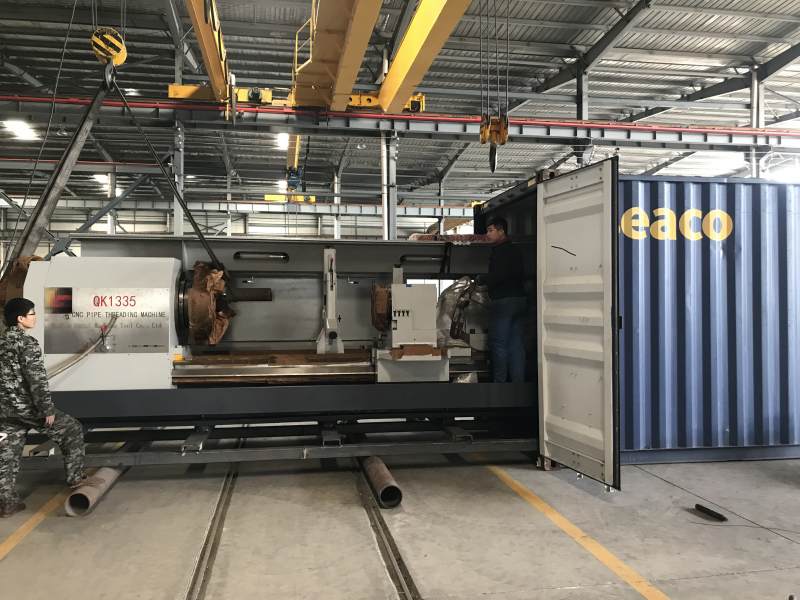
Evaluating the Lifetime Cost of Horizontal CNC Machining Equipment
The biggest mistake in sourcing Horizontal CNC Machining Equipment is focusing only on the initial purchase price. A machine's true cost emerges over its entire operational life. A horizontal cnc machining center is a significant capital investment designed for high-precision, automated production, where the spindle is oriented horizontally. Underestimating tooling, maintenance, and labor expenses over a five-year period can turn a seemingly good deal into a long-term financial drain. To make a sustainable investment, procurement teams and plant managers must analyze the full spectrum of costs from day one.
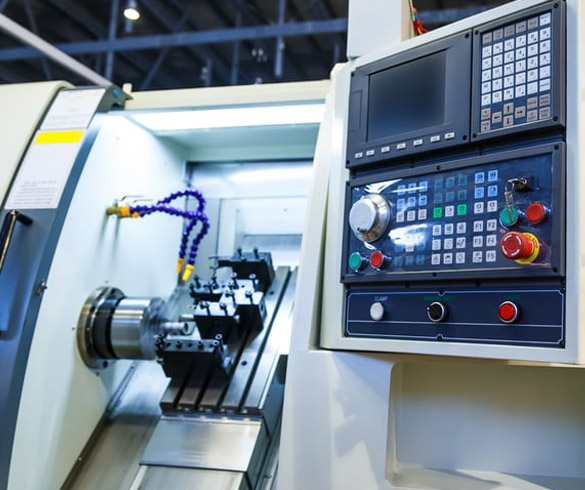
Analyzing the 5-Year Total Cost of Ownership (TCO)
Calculating the Total Cost of Ownership (TCO) provides a realistic budget for your machining operations. It moves the conversation from "how much does it cost?" to "what will be my return on investment?" Below is a framework for estimating the five-year costs associated with a new horizontal machining center. This structure separates confirmed costs from estimates, helping you build a more accurate financial case.
Cost Breakdown Framework:
- Confirmed Costs (Year 0): These are the fixed, upfront expenses you can confirm directly with your supplier.
- Machine Base Price: The primary cost of the equipment itself.
- Shipping & Installation: Fees for logistics, rigging, and on-site setup by technicians.
- Initial Fixturing & Tooling Package: Essential workholding and cutters required to begin production on your first project.
- Required Training: Cost for training operators and maintenance staff on the new system.
- Estimated Recurring Costs (Years 1-5): These costs are predictable but will vary based on usage and operational intensity.
- Annual Maintenance: Budget for scheduled preventative maintenance, including lubricants, filters, and service technician visits. A typical estimate is 1-3% of the machine's purchase price per year.
- Tooling Consumption: The ongoing cost of replacing worn inserts, end mills, drills, and other cutting tools. This depends heavily on materials being machined and production volume.
- Consumables: Includes coolant, hydraulic oil, and cleaning supplies.
- Spare Parts: A budget for common wear-and-tear items like belts, seals, and sensors that may need replacement outside the warranty period.
- Variable & Opportunity Costs (Years 1-5): These are harder to quantify but have a significant impact on profitability.
- Operator Labor: The salary and benefits for the personnel running the machine. Consider how automation features might reduce the labor hours required per part.
- Energy Consumption: The electricity cost to run the machine, which fluctuates with production hours and machine power rating.
- Downtime: The potential revenue lost when the machine is not producing parts due to unplanned maintenance or breakdowns. A reliable machine with strong service support minimizes this risk.
Key Features Driving Precision and Long-Term Value
The initial price of a CNC machine is often directly related to the quality of its construction and components, which in turn affects its long-term accuracy and reliability. Cheaper alternatives can lead to higher maintenance costs and lower part quality down the line. Our machines are built with a focus on sustained performance. The machine body is constructed from high-strength cast iron, such as resin sand castings, which undergoes an aging treatment. This process relieves internal stresses in the metal, ensuring the machine frame maintains its geometric accuracy and rigidity over years of heavy use.
Core performance is dictated by the motion system. We utilize high-precision drive components, including ball screws and linear guideways, sourced from established German and Taiwanese manufacturers. These components are integrated into a system designed for optimal synergy. For industries like mold and die manufacturing that demand superior surface finishes, our advanced control systems incorporate technologies like intelligent feed-forward control and quadrant glitch compensation. These features directly address common machining defects such as over-cutting, quadrant marks, and chatter marks, reducing scrap rates and manual finishing time.
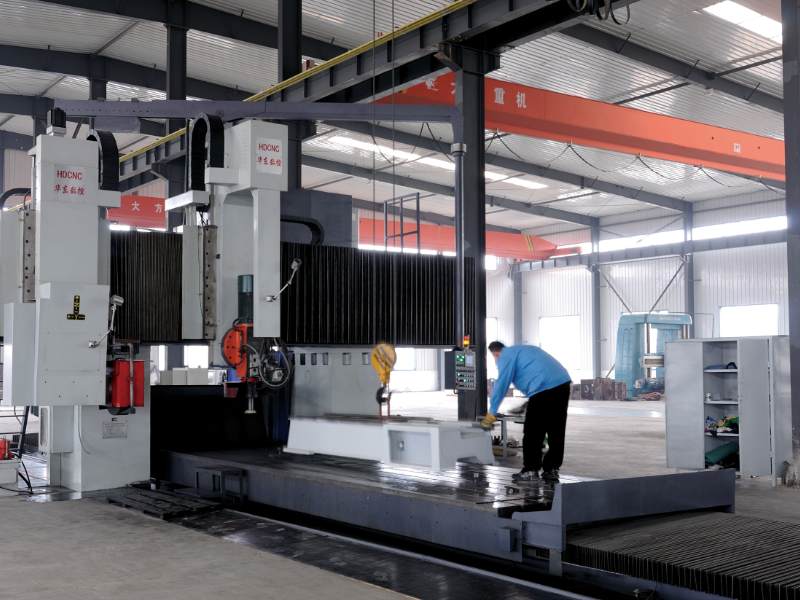
Common Applications and Production Scenarios
Horizontal CNC machining equipment excels in specific production environments where efficiency and precision are paramount. Its design, featuring a pallet-changing system and a tombstone-style fixture, is ideal for multi-variety, small-to-medium batch production runs. The ability to set up one workpiece while another is being machined drastically reduces non-productive time.
This capability is especially valuable in scenarios requiring one-clamping, multi-face machining. For complex parts like hydraulic valve bodies, engine blocks, or gearbox housings, a horizontal machine can access four sides of the part without a new setup. This not only saves time but also improves accuracy by eliminating the potential for positioning errors between operations. While we offer a range of equipment, including the high quality and durable cnc lathing machine, the horizontal machining center is the preferred solution for complex, prismatic parts in aerospace, automotive, and heavy equipment manufacturing.
Buyer's Checklist for Installation and Operation
Proper planning before your new machine arrives is essential for a smooth startup and efficient operation. Neglecting these steps can lead to costly delays and installation problems. Use this checklist to guide your preparation process.
| Phase | Action Item | Key Consideration |
|---|---|---|
| Pre-Delivery | Foundation Preparation | Does the machine require a specific concrete thickness or isolated pad to ensure stability and dampen vibration? Check the manufacturer's foundation plan. |
| Pre-Delivery | Utility Hookups | Verify that you have the correct voltage, phase, and amperage for electrical power. Confirm compressed air supply meets the required pressure (PSI/bar) and flow (CFM/LPM). |
| Delivery & Installation | Site Access | Ensure a clear path for rigging equipment from the delivery truck to the final machine location. Check door heights and aisle widths. |
| Post-Installation | Operator & Maintenance Training | Schedule training with the supplier's technicians. Ensure your team understands the controller, safety features, and daily/weekly preventative maintenance tasks. |
| Post-Installation | Establish Maintenance Logs | Create a system to track all maintenance activities, coolant concentration checks, and any service calls. This helps identify trends and plan for future needs. |
Selecting Your Horizontal CNC Machining Equipment Supplier
Choosing the right partner is as important as choosing the right machine. A good supplier provides not just equipment, but also the support structure to ensure your investment remains productive. Established in 2016, MAKCNC operates multiple production lines from our ISO 9001:2015-certified facility. We maintain an inventory of sample machines, allowing for shorter evaluation times. You can learn more about makcnc and our commitment to quality manufacturing.
We understand that every business has different procurement needs. That's why we have no rigid minimum order quantity; single-unit purchases are welcome. For larger orders, we can offer improved commercial terms regarding price, delivery, or after-sales service. Our standard lead time is between one and six months. All machines come with a 12-month warranty after final acceptance, with lifetime paid service available. Our mature after-sales network is committed to an 8-hour response time for inquiries and 48-hour on-site arrival for troubleshooting.
Frequently Asked Questions
What is the typical lead time for a horizontal machining center?
Our standard lead times range from one to six months, depending on the specific model configuration and current production schedules.
Is there a minimum order quantity (MOQ)?
No, we do not have a strict MOQ. You can procure a single machine. However, purchasing in volume may provide access to better commercial terms on pricing, delivery, or service.
What kind of warranty and after-sales service do you provide?
Our standard warranty is 12 months for the entire machine after on-site acceptance. We also offer lifetime paid service. For support requests, our network typically responds within 8 hours and can have a technician on-site within 48 hours to address any issues.
If you are building an investment case for new equipment, our team can help provide the detailed specifications and pricing data needed for your analysis. Contact us with your project drawings to receive a formal quote.