How to Accurately Estimate Your Horizontal Machining Center HMC Landed Cost
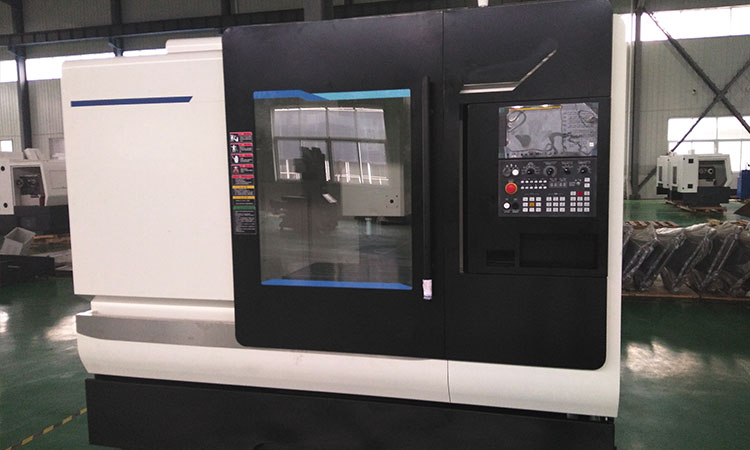
A Horizontal Machining Center HMC is a highly automated machine tool with a horizontally oriented spindle. Unlike its vertical counterpart, the HMC typically uses a pallet-changing system to allow one workpiece to be machined while another is being set up, which significantly reduces non-productive time. The horizontal spindle orientation also leverages gravity for superior chip evacuation, making it ideal for heavy-duty cutting and high-volume production runs. This configuration is particularly effective for machining block-like or cubical parts, as a rotary table can present multiple faces to the spindle in a single setup, improving accuracy and reducing handling.
Types of Horizontal Machining Centers
When sourcing an HMC, you will encounter several types, primarily classified by their physical size and capabilities. The most common distinction is pallet size, which dictates the maximum workpiece dimensions. Common pallet sizes range from 300mm to over 1000mm. Another key classification is the number of axes. A standard HMC offers 4-axis machining (X, Y, Z linear axes plus a B-axis rotary table). This is sufficient for most applications requiring access to four sides of a part. For more complex geometries, such as those found in aerospace or medical components, 5-axis HMCs are available. These machines add a tilting capability to the spindle or table, allowing for intricate contouring and eliminating the need for multiple setups.
Key Features of a High-Performance HMC
The long-term performance and precision of an HMC are determined by its underlying construction and the quality of its components. A machine's stability begins with its foundation. We build our machine bodies using high-strength cast iron, such as resin sand castings, which undergo a time-aging treatment. This process relieves internal stresses in the material to ensure the machine maintains its geometric accuracy and rigidity over years of operation. The core drive components are equally important. We specify high-precision ball screws and linear guideways from established brands in Taiwan and Germany. This focus on system synergy ensures the entire machine performs optimally. For demanding industries like mold making, our advanced control systems integrate technologies like intelligent feed-forward and quadrant glitch compensation to effectively solve common machining issues such as over-cut marks, quadrant marks, and chatter marks.
Common HMC Applications in Modern Manufacturing
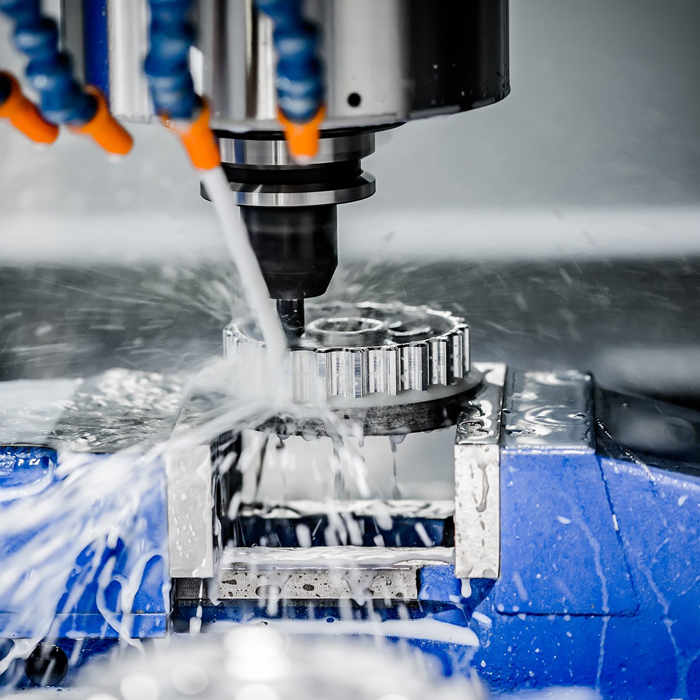
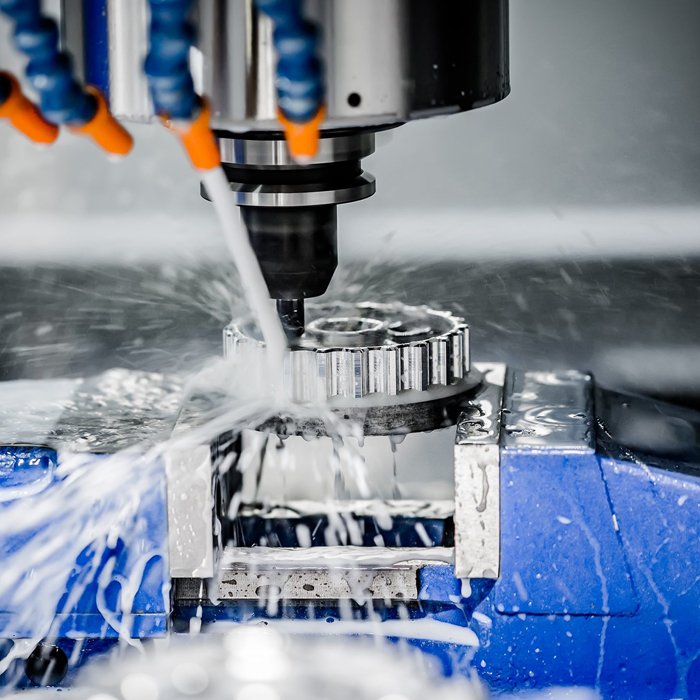
The unique capabilities of a Horizontal Machining Center HMC make it indispensable in several industries. Its high rigidity and efficient chip removal are perfect for the mass production of automotive components like engine blocks, cylinder heads, and transmission cases. In the aerospace sector, HMCs are used to machine complex structural parts from aluminum and titanium alloys, where multi-sided access in a single clamping is essential for maintaining tight tolerances. The hydraulics industry relies on them to produce intricate valve bodies and manifolds. Furthermore, for manufacturers dealing with high-mix, low-volume production, the ability to machine multiple faces in one setup drastically reduces changeover times and improves overall equipment effectiveness. This versatility makes the HMC a powerful asset for any shop focused on productivity and precision.
How to Accurately Estimate Your HMC Landed Cost
The price on a supplier's quotation is only the beginning of your total investment. To avoid budget overruns, you must calculate the total landed cost, which includes all expenses incurred to get the machine delivered, installed, and operational in your facility. A common mistake is to compare suppliers based on the Free on Board (FOB) price alone. A detailed budget requires breaking down all potential expenses. Here is a framework to help you build a complete cost analysis.
| Cost Category | Description | Cost Type |
|---|---|---|
| Machine Base Price | The primary cost of the HMC as configured. | Confirmed |
| Optional Tooling & Fixtures | Any special tool holders, probes, or workholding solutions. | Confirmed |
| Crating & Export Packing | Fees for building a seaworthy crate to protect the machine during transit. | Confirmed |
| Ocean/Air Freight | Cost to transport the machine from the port of origin to your country's port. This can fluctuate. | Estimated |
| Transit Insurance | Insurance covering potential damage during shipping. | Estimated |
| Customs Duty & Taxes | Tariffs and taxes levied by your government on imported machinery. Check your local HS codes. | Estimated |
| Port & Handling Fees | Charges at the destination port for unloading, storage, and customs clearance. | Estimated |
| Inland Trucking & Rigging | Cost to transport the machine from the port to your factory and position it on the foundation. | Unknown (Local Quote) |
| Installation & Commissioning | Fees for a technician to install, level, and test the machine. | Planning Allowance |
| Operator Training | Costs associated with training your team to operate and maintain the HMC. | Planning Allowance |
| Initial Spare Parts Package | A recommended set of wear parts (filters, wipers, etc.) to have on hand. | Planning Allowance |
By using this breakdown, you can more accurately compare quotations from different suppliers and prepare a realistic capital expenditure budget. Understanding different shipping Incoterms like FOB, CIF, and DDP is also vital, as they define who is responsible for costs at each stage of the shipping process.
An Importer's Checklist for HMC Installation and Use
Proper preparation is key to a smooth installation and a fast return on your investment. Rushing the process can lead to costly delays and potential damage to your new machine. Follow this step-by-step checklist to ensure your facility is ready.
- Pre-Delivery Foundation Check: The HMC's foundation is critical for accuracy. Ensure the concrete foundation is fully cured and meets the thickness and reinforcement specifications provided by the manufacturer.
- Utility Preparation: Verify that the required electrical power (voltage, phase, amperage) and a clean, dry compressed air supply are installed near the machine's final location.
- Delivery & Rigging Plan: Plan the delivery route into your factory. Check door clearances, floor load capacity, and overhead obstacles. Hire experienced machinery riggers to safely uncrate and move the machine into position.
- Installation & Leveling: Once positioned, the machine must be meticulously leveled by a qualified technician. This is a primary factor in the machine's long-term geometric accuracy.
- Commissioning & Testing: The technician will connect all peripherals, power up the machine, and run a series of test programs to verify its full functionality and accuracy against factory specifications.
- Operator & Maintenance Training: Ensure your team receives thorough training on the machine's operation, programming, and routine maintenance schedule. Proper care is essential for machine longevity.
Choosing a Reliable Horizontal Machining Center HMC Supplier
As a specialized manufacturer of CNC machinery since 2016, MAKCNC provides a professional cnc machining center solution for global businesses. Our ISO9001:2015-certified facilities operate multiple production lines, allowing us to maintain a stock of sample machines and offer flexible lead times, typically between one to six months. We understand the needs of diverse buyers, which is why we have no rigid minimum order quantity; you can procure a single unit. For clients placing bulk orders, we can offer more favorable commercial terms regarding price, delivery, or after-sales service. Our commitment to quality extends beyond the sale. A standard 12-month warranty is provided after machine acceptance, with lifetime paid services available. Our mature after-sales network is built for responsiveness, promising an initial response within 8 hours and on-site troubleshooting within 48 hours for critical issues. To learn more about makcnc, visit our company page.
Frequently Asked Questions about HMCs
What is the typical lead time when ordering an HMC?
Lead times can vary based on machine configuration and production schedules. At MAKCNC, our typical lead time is between 1 to 6 months. We recommend discussing your specific timeline with our sales team.
Is there a minimum order quantity for your machines?
We do not enforce a strict minimum order quantity. Single-unit purchases are welcome. However, placing a bulk order for multiple machines may provide access to better commercial terms.
What kind of warranty and after-sales support can I expect?
Our standard warranty covers the entire machine for 12 months after final acceptance. We also offer lifetime paid technical support and services. Our service network aims to respond to inquiries within 8 hours and have a technician on-site to address faults within 48 hours.
How does an HMC improve productivity compared to a VMC?
An HMC boosts productivity primarily through its integrated automatic pallet changer, which minimizes machine downtime. Additionally, its ability to machine multiple sides of a workpiece in a single setup reduces part handling and improves accuracy. The horizontal spindle design also provides more efficient chip evacuation, allowing for more aggressive and continuous cutting.
For a detailed quotation that includes a full cost breakdown for your specific HMC requirements, please contact our technical team with your project details.