How to Choose an Automatic CNC Slant Bed Lathe for Your Production Line
What Is an Automatic CNC Slant Bed Lathe?
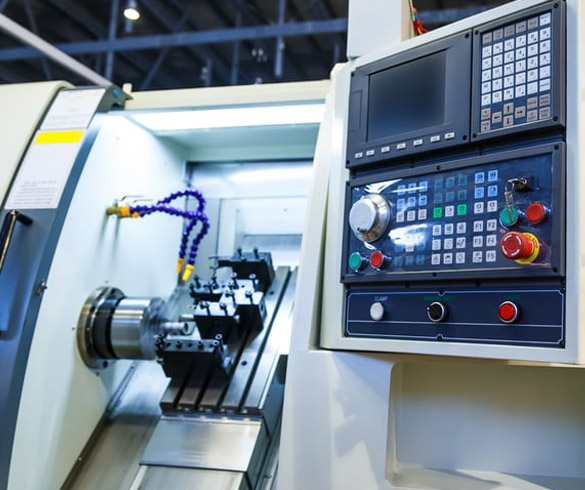
An Automatic CNC Slant Bed Lathe is a turning machine built on an inclined bed, usually angled at 30°, 45°, or 60°, with a programmable control system that handles loading, cutting, and part ejection with minimal operator intervention. The slanted bed design lets chips and coolant drop away from the cutting zone by gravity instead of piling up on a flat surface, which keeps the work area clear during long unattended cycles. Compared with flat-bed lathes, the inclined structure also gives the turret and tailstock a shorter, more rigid travel path, which matters when you are machining shafts, flanges, or hydraulic fittings that demand tight roundness and repeatable diameters. Buyers evaluating this machine type are typically trying to replace manual lathes or older CNC units that can no longer hit cycle-time or tolerance targets on batch orders.
Types of Automatic CNC Slant Bed Lathes
Slant bed lathes are generally grouped by spindle configuration, automation level, and bed size. Single-spindle machines cover general shaft and flange work, while twin-spindle or multi-axis versions let a shop finish both ends of a part in one setup, cutting handling time roughly in half for symmetric components. On the automation side, some models pair with a bar feeder for continuous stock feeding, others integrate a robotic arm or gantry loader for chucked parts, and a few are sold as stand-alone CNC units for shops that already run their own automation cell. Bed size varies from compact machines suited to small fittings and connectors up to heavy-duty frames for shafts over a meter long. Picking the right combination starts with your part family, not the spec sheet, because an oversized machine wastes floor space and cycle time on small parts, while an undersized one cannot hold rigidity on long or heavy workpieces.
Comparison of 30°, 45°, and 60° Bed Angles
The bed angle is the single design choice that affects chip evacuation, turret clearance, structural rigidity, and operator access more than any other spec on the machine. Choosing the wrong angle for your part mix is a common and costly mistake, because it is not something you can retrofit later. The table below breaks down the practical trade-offs.
| Bed Angle | Chip Evacuation | Turret Clearance | Rigidity | Operator Access | Best Fit |
|---|---|---|---|---|---|
| 30° | Moderate — chips slide but can accumulate on light cuts | Largest swing clearance, good for bulky chucks | Lower center of gravity, stable for heavy roughing | Easiest front access for manual check or loading | Large-diameter, heavy workpieces and mixed manual/auto runs |
| 45° | Good balance of gravity drop and compact footprint | Balanced clearance for mid-size turrets and tooling | Solid rigidity for most general turning work | Reasonable access, standard operator posture | General-purpose shops running varied part sizes |
| 60° | Best chip drop, almost no chip buildup even in long cycles | Tighter clearance, favors compact turret designs | Shortest, stiffest structural path for fine finishing | Reduced front access, suited to fully automated loading | Unattended, high-volume runs on smaller precision parts |
The decision rule is straightforward: if your shop still does manual chucking or handles oversized parts, a 30° bed keeps access easy and stable under heavy cuts. If you run a mix of job sizes without dedicated automation, 45° is the safer general-purpose pick. If you are feeding a bar loader or robot around the clock on small to mid-size precision parts, the 60° bed drops chips fastest and keeps the spindle area clean, which reduces unplanned stops from chip tangling. The trade-off is reduced hand access, so 60° machines are not ideal where operators need to intervene frequently mid-cycle.
Features of an Automatic CNC Slant Bed Lathe
Machine bodies are typically cast from high-strength cast iron, often resin sand castings, then aged to relieve internal stress so the structure holds its geometry under years of cutting load. Core transmission components — ballscrews and linear guides — commonly come from Taiwanese or German brands, selected because their accuracy and the overall system tuning work together to get the most out of the whole machine rather than any single part. For mold-industry work, where surface finish and dimensional repeatability are non-negotiable, the control system can integrate intelligent feedforward and quadrant-glitch compensation, which directly reduces tool marks, quadrant bands, and chatter lines on contoured surfaces. For shops running many small-batch part numbers, the ability to complete multi-face machining in a single chucking cuts fixture changes and keeps tolerances stacked from one reference point instead of several. These are not cosmetic features — they are the difference between a batch that passes inspection on the first run and one that needs rework.
Automatic CNC Slant Bed Lathe Application
These machines show up most often in automotive component shops, hydraulic and pneumatic fitting manufacturers, mold and die component production, and general contract machining shops serving multiple industries. In mold work specifically, the combination of rigidity and anti-chatter compensation addresses the exact defects — over-cut marks, quadrant bands, tool chatter — that cause scrapped cavities or inserts. For multi-variety, small-batch production runs, the single-chucking, multi-face capability shortens changeover between part numbers, which matters more to profitability than raw spindle speed when lot sizes are small. Shops that need broader multi-axis capability beyond turning, such as milling features onto turned parts, often pair a slant bed lathe with a CNC machining center to cover the full part geometry without outsourcing a secondary operation.
Automatic CNC Slant Bed Lathe Price
Pricing on these machines moves with four main variables: bed angle and frame size, automation level (manual chucking versus bar feeder versus robotic loading), control brand and ballscrew/guide origin, and warranty tier. There is no hard minimum order quantity — a single unit can be purchased — but batch orders of multiple machines typically unlock better commercial terms on price, delivery scheduling, or after-sales packages. Lead times generally run one to six months depending on configuration and current production slot availability, since the facility runs multiple production lines and keeps sample machines in stock for faster shipment on standard models. Buyers should request a line-item quote breaking out the base machine, automation add-ons, tooling package, and warranty upgrade, rather than a single bundled number, so it is clear what drives the cost difference between two quotes.
Cost Breakdown Checklist
- Base machine (bed angle, swing diameter, spindle bore)
- Automation package (bar feeder, robot arm, or none)
- Control system and measurement/compensation software
- Tooling, chucks, and fixtures specific to your parts
- Warranty tier — standard 12-month coverage versus extended terms sometimes required on tender projects
- Freight, installation, and operator training
Buyer's Decision Checklist and Commissioning Steps
Before issuing an RFQ, confirm the part drawing, target cycle time, annual volume, and material (steel, stainless, aluminum, or free-machining alloys) because these four data points determine bed angle, spindle power, and tooling needs more reliably than any brochure spec. Once a machine arrives, commissioning generally follows this sequence, and skipping steps is the most common source of early breakdowns.
- Verify foundation leveling and anchor the bed before running any program — an unlevel bed defeats the rigidity benefit of the slant design.
- Check ballscrew and guideway lubrication lines for air pockets before the first production run.
- Run a dry cycle with no stock loaded to confirm turret indexing and tailstock travel are clear of the chuck.
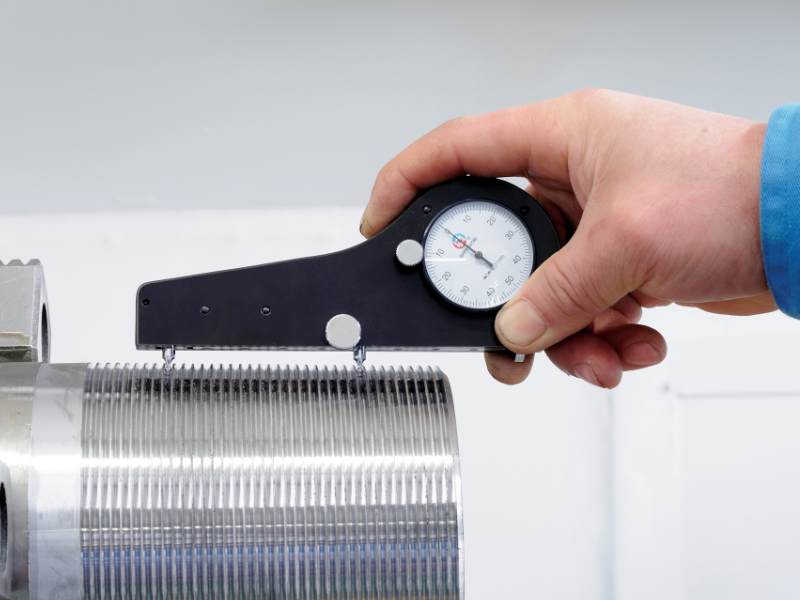
- Cut a sample part and measure against drawing tolerance before committing to a full batch.
- Record spindle warm-up time, since thermal growth on the first hour of operation can shift diameters on tight-tolerance parts.
Warranty on these machines is typically twelve months from acceptance, with paid lifetime service available afterward; some tender projects specify longer free-warranty terms, such as three years, where contractually required. A mature after-sales network commits to an 8-hour response window and 48-hour on-site arrival for fault resolution, which is worth confirming in writing before signing any purchase order, not assuming it applies by default.
Common Mistakes Buyers Make
- Choosing bed angle based on price alone instead of part size and automation plans
- Skipping a sample-part trial before committing to full-batch production
- Assuming warranty terms match the supplier's standard brochure without confirming in the contract
- Underestimating floor space and crane access needed for machine delivery and installation
- Overlooking spindle thermal warm-up when setting first-article tolerance checks
Automatic CNC Slant Bed Lathe Supplier
MAKCNC has manufactured CNC turning and machining equipment since 2016, operating multiple production lines under an ISO 9001:2015-certified quality system. The company keeps sample machines in stock to shorten delivery on common configurations and supports both single-unit purchases and larger batch orders with adjusted commercial terms. Beyond slant bed lathes, the product range covers CNC lathing machines, vertical and horizontal CNC machining centers, and customized equipment built around specific part drawings rather than off-the-shelf specs. Buyers can review documented project outcomes on the cases page or read more about the company background on the about page before requesting a formal quotation.
FAQ of Automatic CNC Slant Bed Lathe
What bed angle should a general job shop start with? A 45° bed is the safer default for shops without a fixed automation plan, since it balances chip evacuation, rigidity, and operator access across varied part sizes.
Is there a minimum order quantity? No. A single unit can be purchased, though multiple-machine orders typically receive better pricing or delivery terms.
How long is the standard warranty? Twelve months after acceptance is standard, with paid lifetime service afterward; some tender projects require extended terms such as three years.
What is the typical lead time? Lead time generally runs one to six months depending on configuration, automation package, and current production scheduling.
Can one machine handle multi-face parts without re-fixturing? Yes, models built for multi-variety, small-batch production can complete multiple faces in a single chucking, which reduces stacked tolerance error from repeated setups.
If you are comparing bed angles or automation packages for your part mix, send us your drawing and target cycle time and we will put together a configuration and quote for your review.