Finding the Right Affordable CNC Lathe Machine for Your Parts
Choosing an affordable CNC lathe machine involves more than just comparing price tags. The most critical decision is matching the machine’s core specifications—swing, spindle bore, spindle speed, and turret capacity—to the dimensions and complexity of the parts you produce. Selecting a machine with inadequate capacity means you can't complete jobs, while over-specifying leads to unnecessary capital expenditure. This guide clarifies how these four key specifications directly impact your production capabilities so you can make a cost-effective investment.
Established in 2016, MAKCNC operates from an ISO9001:2015 certified facility, focusing on building reliable and precise CNC equipment. Our approach ensures that even our most accessible machines are built for performance and durability.
Matching Machine Specs to Your Workpiece: A Practical Guide
The specifications on a data sheet are not just numbers; they are hard limits on your production. A small difference in swing or bore diameter can be the deciding factor between a profitable job and a machine that sits idle. Before requesting a quote, analyze your most common workpieces against these four critical parameters.
This comparison shows how to align machine capacity with your part requirements, preventing costly purchasing errors.
| Specification | What It Limits | Choose a Smaller Spec Machine If... | Choose a Larger Spec Machine If... |
|---|---|---|---|
| Swing Over Bed | The maximum diameter of a workpiece that can rotate without hitting the machine bed. | Your production consists of small-diameter parts like pins, shafts, bolts, or small fittings. You don't anticipate working with large, disc-shaped components. | You need to machine larger-diameter parts such as flanges, gears, pulleys, or housing components. Always choose a swing at least 10-15% larger than your biggest part's diameter. |
| Spindle Bore Diameter | The maximum diameter of bar stock that can be fed through the headstock for continuous production. | You primarily work with chucked parts (individual billets) or small-diameter bar stock (e.g., under 50mm). Bar feeding is not a primary requirement for your operations. | You plan to use an automatic bar feeder for high-volume production of parts from standard bar stock. The spindle bore must be larger than the raw material you intend to use. |
| Max Spindle Speed (RPM) | The rotational speed of the spindle, affecting surface finish, cycle times, and the types of materials you can efficiently machine. | You mainly machine larger diameter parts or tough ferrous metals like steel, which require lower cutting speeds. Achieving a mirror finish is not a top priority. | You work with smaller diameter parts, aluminum, brass, or plastics, which benefit from high cutting speeds. You need to achieve excellent surface finishes and minimize cycle times. |
| Turret Capacity | The number of tool stations available on the turret, determining the complexity of a part that can be completed in a single setup. | Your parts are simple, requiring only a few tools (e.g., turning, facing, drilling, threading). You don't perform complex operations like milling or Y-axis machining. | Your parts require multiple tools for turning, grooving, drilling, tapping, and potentially live tooling operations. A higher capacity (e.g., 10 or 12 stations) reduces setup changes for complex, multi-operation parts. |
Key Construction and Control Features that Impact Long-Term Accuracy
An affordable price should not mean a compromise on fundamental machine quality. The long-term precision and reliability of a CNC lathe depend heavily on its structural integrity and the quality of its core components. At MAKCNC, we build our machines on a foundation designed for stability and lasting performance, even in demanding production environments.
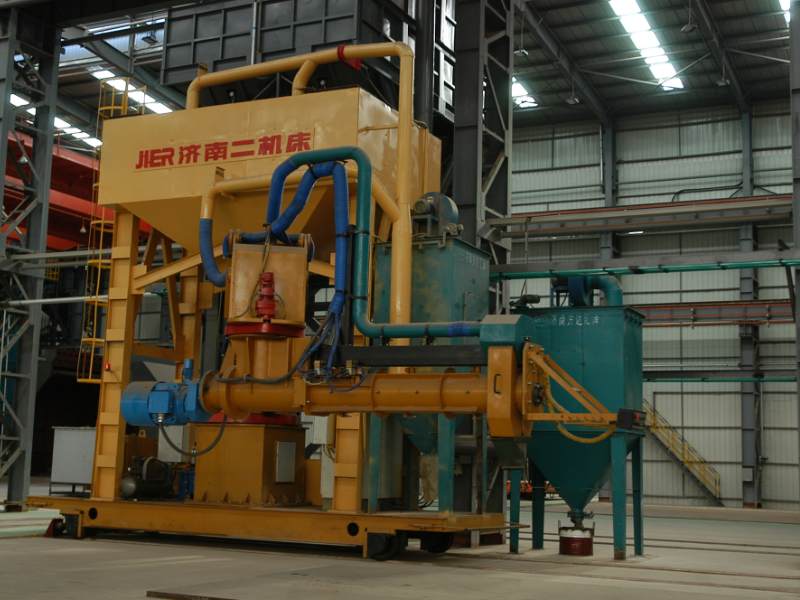
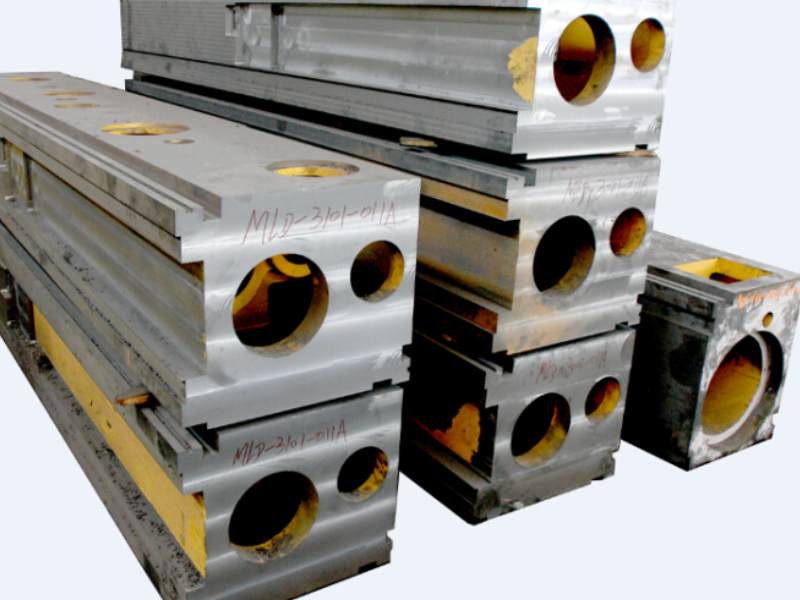
The machine body is made from high-strength cast iron, often using resin sand casting methods, which provides superior vibration damping compared to welded steel frames. Each casting undergoes a meticulous aging treatment process. This critical step relieves internal stresses within the metal, preventing dimensional changes over time and ensuring the machine maintains its geometric accuracy throughout its service life.
Furthermore, we integrate high-precision components for all critical systems. The core drive components, such as the ball screws and linear guides, are sourced from reputable manufacturers in Taiwan and Germany. This focus on system synergy ensures every part works together to deliver optimal performance. For industries like mold making, where surface finish is paramount, our advanced control systems incorporate technologies like intelligent feed-forward and quadrant glitch compensation. These features actively prevent common machining flaws such as over-cutting marks, quadrant lines, and tool vibration marks, delivering a superior final product directly from the machine. For shops handling diverse, low-volume orders, this precision allows for the completion of multi-sided parts in a single clamping.
Buyer's Checklist for Machine Rigidity and Precision
- Machine Base Material: Verify that the machine frame is constructed from high-strength, stress-relieved cast iron for maximum stability and vibration damping.
- Core Component Origin: Ask about the brand and origin of critical components like ball screws, linear guides, and spindle bearings. Reputable sources from Taiwan or Germany are a strong indicator of quality.
- Control System Capabilities: Does the CNC controller include features specifically designed to improve surface finish and prevent common machining errors? Ask about functions that address over-cutting or vibration.
- Assembly and Testing: Inquire about the manufacturer's quality control process. Is every machine tested for geometric accuracy (e.g., with a ballbar test) before shipment?
Evaluating Total Cost of Ownership Beyond the Sticker Price
A truly affordable CNC lathe machine is one that delivers value over its entire lifecycle, not just on the initial invoice. Factors like purchasing flexibility, lead times, and after-sales support significantly impact your total cost of ownership and operational uptime. Understanding a supplier's business policies is as important as reviewing their technical specifications.
One major consideration is the minimum order quantity (MOQ). Many manufacturers impose strict MOQs, forcing smaller businesses or those with project-based needs to buy more than necessary. We offer a more flexible approach: there is no rigid MOQ. You can procure a single machine for a specific project or for prototyping. However, for businesses scaling up, placing a bulk order for multiple units can unlock more favorable commercial terms, including improvements in pricing, delivery schedules, or service packages.
Our standard lead time is between one to six months, providing a clear timeline for your planning. Once delivered and accepted, every machine is covered by a 12-month warranty. For specific tender projects or larger contracts, we can offer extended terms, such as a three-year free warranty. Beyond the warranty period, we provide lifetime paid service to ensure your investment remains productive for years to come. Our commitment to support is backed by a mature after-sales network that promises a response within 8 hours and on-site troubleshooting within 48 hours to minimize any potential downtime.
As a professional about makcnc, professional cnc lathing machine manufacturer, we also provide other solutions like our professional cnc machining center solution, vertical and horizontal cnc machine center for more complex manufacturing needs.
If you are evaluating options for a high quality and durable cnc lathe, contact our technical team to discuss your part drawings and production goals. We can help you select the ideal machine configuration for your budget and application.