Choosing an Economical CNC Lathe Machine for Prototype Batches
What is an Economical CNC Lathe Machine?
An Economical CNC Lathe Machine is a turning center designed to provide a precise, automated machining solution at an accessible investment level, specifically for workshops focused on prototyping, small-batch production, and parts with less complex geometries. Unlike large-scale production lathes built for continuous, high-volume runs of a single part, these machines balance capability with cost-effectiveness. They excel in environments where flexibility and quick changeovers are more important than sheer output speed. The core value of an economical model lies in its ability to bring CNC accuracy in-house, reducing reliance on external machine shops for developing new products or fulfilling smaller orders. This allows businesses to control their development timelines, protect intellectual property, and manage costs more effectively when producing turned components like shafts, flanges, bushings, and custom fittings.
Types of CNC Lathes for Small-Batch Production
When evaluating options for prototype and low-volume work, CNC lathes generally fall into two main categories: flat-bed and slant-bed (or inclined-bed) designs. A flat-bed CNC lathe has a traditional design with the guideways mounted horizontally, similar to a manual lathe. They are often simpler and can be a good entry point for shops transitioning from manual to CNC machining. However, for most professional prototype and small-batch applications, the CNC inclined bed lathe offers significant advantages. The slanted orientation of the bed allows chips and coolant to fall away from the workpiece and tooling unimpeded, improving thermal stability, surface finish, and tool life. This design also provides greater rigidity and easier access for the operator during setup and inspection, which is critical in a high-mix, low-volume environment.
Key Features of a High-Value Economical Lathe
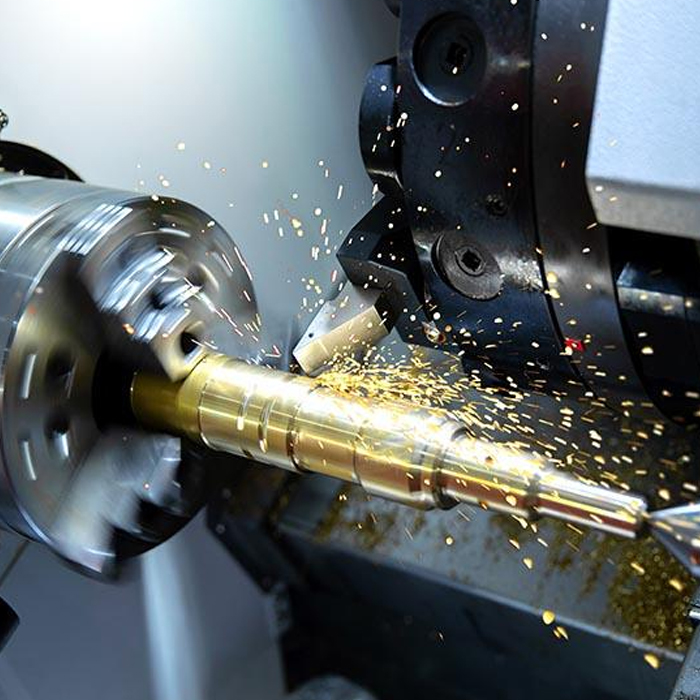
A machine's price tag does not tell the whole story; its long-term value is determined by its construction and components. A truly economical machine is one that delivers consistent accuracy and reliability over many years, minimizing downtime and scrap. The foundation of this performance is the machine body, which should be made from high-strength cast iron that has undergone an aging treatment. This process relieves internal stresses in the casting, preventing deformation over time and ensuring the machine maintains its geometric accuracy. Furthermore, the core drive components, such as the ball screws and linear guideways, are critical. Sourcing these parts from established high-precision manufacturers in Taiwan or Germany ensures smooth, precise axis movement and durability. Finally, effective system integration, including intelligent control features like feedforward and quadrant glitch compensation, helps resolve common machining defects such as tool marks at quadrant transitions, ensuring a superior surface finish even on complex contours typical in mold making and prototyping.
Application Matrix for Economical CNC Lathes
Selecting the right machine requires understanding not just what it can do, but also where its limits are. An economical lathe is a powerful tool for certain applications but can become a bottleneck if misapplied. Its strength lies in versatility for small to medium parts in low quantities. For high-volume production or very large, heavy workpieces, a different class of machine is required. This matrix helps clarify the ideal use cases and boundaries for a typical economical CNC lathe.
| Part Profile / Application | Ideal Fit (Why it Works) | Boundary / Costly Mismatch (When to Reconsider) |
|---|---|---|
| Short Shafts & Pins | Excellent for quick setups and turning simple external diameters, shoulders, and grooves. The machine's agility allows for fast programming and execution of one-off parts. | Long, slender shafts (high length-to-diameter ratio) may require a tailstock or steady rest not always standard on base models, leading to vibration and poor accuracy. |
| Bushings & Collars | Perfect for internal and external turning, facing, and boring operations. The ability to hold tight tolerances on diameters is a core strength. | Mass production runs (thousands of units) would be inefficient. A dedicated production lathe with bar feeders and automation would yield a much lower cost per part. |
| Flanges & Discs | Well-suited for facing, OD/ID turning, and drilling bolt-hole patterns (if equipped with live tooling). Single-clamping operations are efficient. | Very large diameter flanges may exceed the machine's swing-over-bed capacity. Heavy interrupted cuts can test the limits of the machine's rigidity and spindle power. |
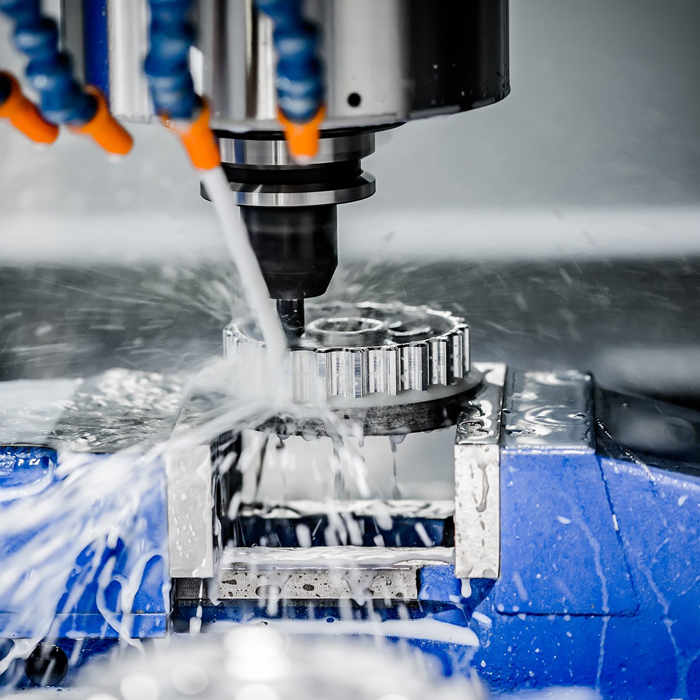
| Prototype Runs (1-50 pieces) | This is the primary strength. The machine allows for rapid design iteration without the high cost and long lead times of outsourcing. Ideal for testing form, fit, and function. | Parts requiring complex multi-axis milling operations. While some lathes have C-axis and live tooling, a dedicated professional cnc machining center solution is better for parts that are more "milled" than "turned." |
Factors Influencing Economical CNC Lathe Machine Prices
The final price of an Economical CNC Lathe Machine is influenced by several key factors beyond the base model. The primary driver is the machine's size, defined by its maximum turning diameter (swing) and length (distance between centers). Larger capacities require a more massive frame and more powerful motors, increasing cost. The second major factor is the control system and its features; advanced controllers with sophisticated software for high-speed machining or complex contouring will command a premium. Optional accessories also play a big role. These can include a hydraulic tailstock for supporting long workpieces, a parts catcher for automated unloading of small components, a chip conveyor for managing swarf, and live tooling with a C-axis to enable milling, drilling, and tapping operations in a single setup. Finally, consider the included service and warranty package, as extended coverage and rapid on-site support can add to the initial investment but provide significant value and peace of mind.
A Buyer's Checklist for Installation and Use
Proper planning before and after your machine arrives is essential for a smooth start-up and long-term performance. Rushing the process can lead to costly errors and delays. Use this checklist as a guide to ensure you are prepared for your new CNC lathe.
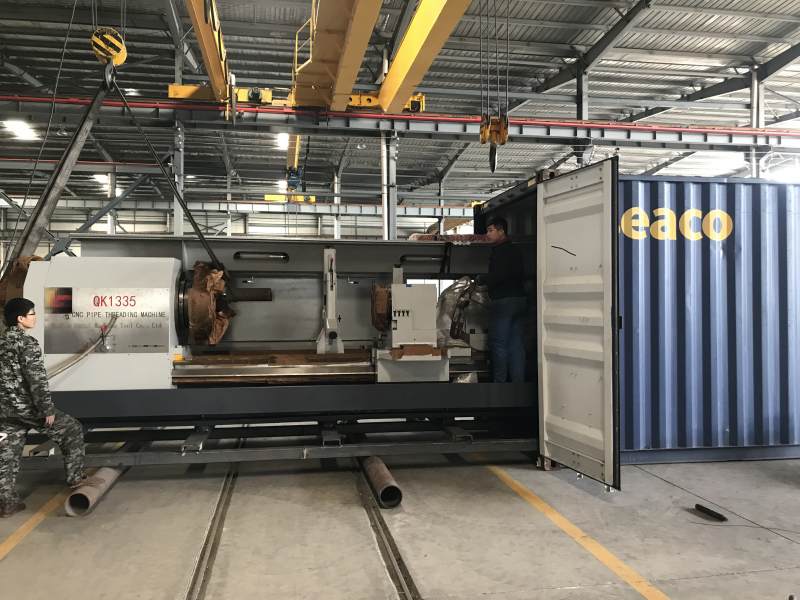
- Pre-Installation Site Prep: Have you confirmed the machine's footprint and weight? Is the concrete floor thick enough to support it without causing vibration issues? A proper foundation is non-negotiable for precision work.
- Power and Air Supply: Does your facility have the correct voltage, phase, and amperage available at the installation site? Is a clean, dry compressed air supply ready if the machine requires it for chucks, turrets, or other pneumatic systems?
- Machine Leveling: On arrival, the machine must be meticulously leveled. This is the single most important step for ensuring geometric accuracy. Do not operate the machine until it is perfectly level and secured.
- Tooling and Workholding: Have you ordered the necessary tool holders (for both internal and external turning), cutting inserts, and chuck jaws or collets for your specific parts? The machine is useless without the right tooling.
- Operator Training: Is the operator familiar with the specific CNC control on the machine? Even experienced machinists need time to learn a new system's interface and functions. Invest in training to prevent crashes and maximize efficiency.
- Maintenance Schedule: Review the manufacturer's recommended maintenance schedule. Establish a daily, weekly, and monthly checklist for checking fluid levels, cleaning filters, and lubricating key components.

Sourcing from a Professional CNC Lathing Machine Manufacturer
When you invest in a CNC machine, you are not just buying a piece of equipment; you are entering a long-term relationship with the supplier. Working with an established and certified manufacturer like MAKCNC provides a level of security that is difficult to quantify but essential for business operations. As an ISO 9001:2015 certified company established in 2016, we have structured our production processes to deliver consistent quality. Our approach involves using rigid, stress-relieved cast iron structures and high-precision drive components to build machines that hold their accuracy. We understand the demands of different industries, offering features to solve common problems like "over-cut marks" in mold making. Our flexible purchasing terms mean you can procure a single machine without a hard minimum order quantity, while still accessing better commercial terms for bulk orders. With a standard 12-month warranty, lifetime paid service, and a commitment to respond within 8 hours for service requests, we provide the support you need to keep your production running. Being a professional cnc lathing machine manufacturer means building a reliable partnership.
Frequently Asked Questions (FAQ)
What is the typical lead time for one of these machines?
Our standard production and delivery timeline ranges from 1 to 6 months, depending on the specific model, customization, and current order volume. We maintain a stock of sample machines to facilitate faster evaluation for certain models.
Is there a minimum order quantity (MOQ)?
No, there is no rigid MOQ. You can purchase a single machine. However, placing a larger order for multiple units may provide access to more favorable pricing, delivery, or after-sales service terms.
What kind of warranty and after-sales support can I expect?
The standard warranty is 12 months after the machine has been successfully installed and accepted at your facility. We also offer lifetime paid service for all our equipment. For some projects, such as government tenders, we can provide extended free warranty periods, like three years. Our service network typically responds to issues within 8 hours and can have a technician on-site within 48 hours to address any faults.
What materials are the machines built from?
The machine bodies are constructed primarily from high-strength cast iron, such as resin sand castings, which undergo an aging treatment to ensure long-term stability and rigidity. Key transmission components like ball screws and linear guideways are sourced from high-precision brands in Taiwan or Germany to guarantee accuracy and a long service life.
If you are looking for a supplier for an Economical CNC Lathe Machine, please contact us for a detailed quote and technical consultation.