Gantry CNC Machine Bridge Design and Work Envelope
Gantry CNC Machine Definition
A Gantry CNC Machine is a computer-controlled cutting system built around a bridge structure that travels over a fixed or moving worktable. Two side columns support the bridge, while guide rails, drive systems, and a spindle assembly control movement along the X, Y, and Z axes. This layout provides a broad machining area and solid support for large plates, welded frames, molds, structural parts, and other oversized workpieces. Unlike a conventional vertical machine with a compact column, the bridge spans the full working width. That difference influences cutting access, loading methods, rigidity, floor space, and the maximum material size a factory can machine.
Types of Gantry CNC Machine
Buyers typically compare these machines by bridge movement, table arrangement, spindle capacity, and intended material. In a fixed-table design, the workpiece remains stationary while the bridge travels along the table length. A moving-table design carries the material through the cutting zone and can be suitable for long parts where sufficient floor space is available for table travel. A gantry milling machine is commonly selected for metal cutting, mold production, heavy plates, and structural components. A CNC gantry router generally uses a high-speed spindle for aluminum, plastic, wood, composite board, and light alloy work. Large-format CNC machine configurations can include extended X-axis travel, dual-drive systems, automatic tool changers, rotary axes, or multiple spindles. A gantry machining center adds enclosed cutting, coolant management, tool handling, and greater metal-removal capacity.
Features of Gantry CNC Machine
The bridge, columns, rails, spindle, and worktable make up the core mechanical system. The bridge must resist bending as the spindle cuts across the entire working width. Columns transfer cutting forces to the bed and foundation, so their section size and connection method are important. Linear guide rails or box ways guide movement, while ball screws, rack-and-pinion drives, or geared systems provide axis motion. The spindle delivers torque and speed based on the material and cutting-tool diameter. A rigid worktable supports the part through T-slots, vacuum zones, fixture holes, or custom clamping blocks. In practice, a 12,000 rpm spindle may be suitable for aluminum and light alloys, while a lower-speed, high-torque spindle can be a better fit for steel and cast iron. Accuracy also relies on assembly quality, backlash control, thermal compensation, and regular maintenance.
How the Bridge Design Supports Cutting
The bridge is more than a crossbeam; it is the main load-bearing structure that carries the spindle carriage across the working width. During heavy cutting, the tool pushes against the material and creates forces that can cause deflection if the bridge is too narrow, too light, or inadequately supported. A box-shaped welded bridge, stress-relieved casting, or reinforced steel structure can limit unwanted movement. Dual-side drives also help keep the bridge square during travel. Some machines use synchronized motors on both columns, while others use one motor with a mechanical shaft linking both sides. The chosen design should suit the cutting load, table width, part weight, and required tolerance. For rough milling, stiffness and torque often matter more than extremely high spindle speed. For finishing operations, smooth axis movement and thermal stability become increasingly important.
Work Envelope and Large Part Machining
The work envelope refers to the usable travel available to the cutting tool. It is usually listed as X, Y, and Z travel, such as 3000 mm by 1500 mm by 800 mm. These dimensions should not be confused with the outside table size or the machine's overall footprint. Clamps, fixtures, tool length, spindle nose clearance, and bridge height all reduce the practical cutting area. A part measuring 2800 mm long may not fit comfortably on a machine with 3000 mm X travel if the fixture requires 150 mm at each end. Engineers should also check the distance between columns, maximum workpiece height, table load rating, and access for loading equipment. For large steel plates, a wide table with strong support is useful. For tall molds, Z-axis clearance and spindle extension are often the deciding factors.
What is the ideal work envelope for a Gantry CNC Machine
There is no single ideal work envelope because the right size depends on the largest part, fixture method, tool length, and future production plans. A fabricator producing 2000 mm by 1000 mm plates may find a 2500 mm by 1300 mm cutting area practical, leaving room for clamping and edge clearance. A mold producer may need less table length but greater Z-axis height, while an aerospace supplier may require a long X axis for ribs, frames, or skin panels. A useful purchasing rule is to add clearance around the largest regular workpiece instead of choosing a table that exactly matches its dimensions. Leave room for clamps, probing, tool approach, and chip removal. MAKCNC can review drawings and recommend a machine size before quotation, helping reduce the risk of paying for unused travel or purchasing a model that is too small.
Gantry CNC Machine Application
These machines are used when ordinary machining centers cannot provide enough width, length, or workpiece support. Shipbuilding and rail production use them for frames, brackets, and heavy welded assemblies. Energy companies machine base plates, valve bodies, turbine components, and large fixtures. Automotive suppliers use a CNC gantry router for composite panels, trim tools, and prototype body sections. Mold makers process large dies and patterns, often completing roughing and finishing in one setup. Agricultural machinery manufacturers cut and drill long frames, while construction equipment plants machine booms, plates, and connection surfaces. Oilfield manufacturers may use large machining equipment for pressure-related components and production fixtures. In every case, the machine should match the material hardness, part weight, tolerance, batch size, and number of setups required.
Which industries use Gantry CNC Machines
Industries using this equipment include aerospace, automotive, shipbuilding, rail transportation, mining, agricultural machinery, energy, petroleum, chemical equipment, construction machinery, and general metal fabrication. Aerospace buyers often focus on stable finishing, probing, and five-axis or indexed machining options. Mining and construction equipment producers usually prioritize table load, spindle torque, chip evacuation, and long service life. Furniture, sign, and composite manufacturers may choose a high-speed router arrangement with vacuum clamping. Petroleum equipment suppliers can require large swing capacity, heavy fixtures, and dependable drilling or milling of steel parts. The same bridge concept serves all of these industries, but the spindle, enclosure, control system, table, and axis drives should be configured for the actual production task.
Gantry CNC Machine Price Factors
Price varies significantly with travel size, spindle power, guideway type, control brand, automatic tool changing, table design, and optional rotary or tilting axes. A compact router for plastic and wood generally costs less than a 4000 mm or 6000 mm metal-cutting machine fitted with a high-torque spindle, coolant system, chip conveyor, and enclosed guarding. Machine weight also affects cost because larger columns, reinforced bridges, and stronger foundations require more steel or cast material. Automatic probing, laser tool measurement, dual-table loading, drilling heads, and custom fixtures add to the quotation. Freight, export packing, installation supervision, electrical standards, and operator training should be reviewed as separate commercial items. When comparing two quotations, buyers should examine usable travel, table load, spindle torque, positioning accuracy, repeatability, and included accessories rather than looking only at the headline price.
Gantry CNC Machine User Guide
Installation begins with a suitable foundation, precise leveling, stable power, and sufficient clearance for loading and maintenance. After transport, the machine should be inspected for rail protection, lubrication lines, cable carriers, and electrical connections. Before production starts, the operator should verify axis zero return, spindle rotation, tool offsets, work coordinate settings, and emergency stop functions. Large parts need even support; an unsupported plate can vibrate or distort during cutting. Use the recommended clamp pattern, inspect tools before each batch, and remove chips from guideway covers and table slots. Avoid placing a workpiece beyond the supported area simply because it fits within the table length. Lubrication, coolant concentration checks, filter cleaning, and periodic alignment inspections help preserve accuracy. Operators should also investigate unusual vibration, temperature changes, or axis noise rather than waiting for a visible failure.

Choosing the Right Gantry Machining Center
Start with the workpiece list, not the machine brochure. Record the maximum length, width, height, weight, material, tolerance, and required operations for each part. Then determine whether the work requires milling, drilling, tapping, contouring, engraving, routing, or several operations in one setup. A steel fabrication shop may need a heavy bridge, box ways, a 22 kW spindle, and a table rated for several tonnes. A composite producer may benefit more from a high-speed spindle, vacuum table, dust collection, and automatic tool changing. Check whether the control supports the required CAD/CAM postprocessor and whether replacement parts are available in your market. MAKCNC offers [customized CNC machines and machining centers from MAKCNC](https://www.makcnc.com/customized-equipment.html) for applications that do not fit a standard catalog model.
Gantry Milling Machine Versus Other CNC Equipment
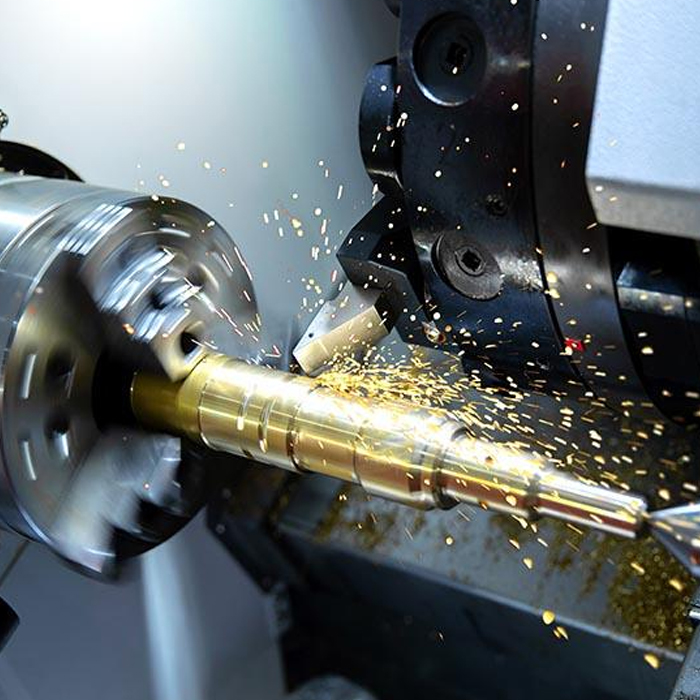
A gantry milling machine is a strong option when the part is wide, long, or heavy and the tool must reach across a broad surface. A vertical machining center is usually more compact and may provide better access for smaller workpieces, while a horizontal machining center can improve chip fall and multi-face machining. For turning shafts, pipes, and round parts, a CNC lathing machine is more suitable than a bridge-style mill. MAKCNC supplies both machining and turning equipment, including a [high quality and durable cnc lathe](https://www.makcnc.com/cnc-lathing-machine.html). The right production line may combine a large bridge mill for plates and frames with a lathe for shafts, flanges, or threaded components. Matching each machine to its intended cutting motion avoids forcing one platform to handle work it was not designed to perform.
Gantry CNC Machine Supplier
MAKCNC is a Gantry CNC Machine supplier serving manufacturers, distributors, and engineering companies that need CNC Lathing Machine, CNC Machining Center, and CNC Machine solutions. Our product range includes vertical and horizontal machining center series, gantry processing series, heavy-duty cutting lathes, CNC oilfield lathes, and standard CNC lathes. Recommended products are designed around high speed, high rigidity, performance, and production efficiency for communication, consumer electronics, automotive, aerospace, minerals, agricultural machinery, chemical, petroleum, water conservancy, and geological exploration applications. Buyers can review [global CNC machinery cases of MAKCNC](https://www.makcnc.com/cases.html) and learn more about the [professional CNC lathing machine manufacturer MAKCNC](https://www.makcnc.com/about.html). If you are looking for a Gantry CNC Machine supplier, contact MAKCNC for the latest product quotation and a configuration based on your work envelope.
FAQ of Gantry CNC Machine
How does a Gantry CNC Machine work
A Gantry CNC Machine works by moving a spindle across a bridge supported by two columns. The CNC controller sends programmed commands to the X, Y, and Z axis drives. X movement usually follows the long direction of the table, Y movement travels across the bridge, and Z movement raises or lowers the spindle. The workpiece is secured to the table with clamps, fixtures, vacuum, or a dedicated pallet. The spindle rotates a cutting tool, while linear guides and drive systems position that tool along the programmed path. Encoders help the control monitor axis position. Depending on the model, the machine may also include an automatic tool changer, probing system, coolant supply, chip removal system, or rotary axis.
What is the ideal work envelope for a Gantry CNC Machine
The ideal work envelope is large enough for the biggest regular part, its fixture, tool access, and safe operator clearance. It should not be selected by matching the raw material size alone. For example, a 2500 mm plate may require more than 2500 mm of X travel once clamps, edge clearance, and tool approach are considered. Z travel must account for table height, fixture height, workpiece height, and tool length. Y travel should provide clearance between the columns and enough space for the spindle carriage to reach both sides of the part. A buyer should also check the maximum table load and whether the bridge height can accommodate future products. A drawing review with the supplier is the safest way to confirm usable capacity.
Which industries use Gantry CNC Machines
Aerospace, automotive, shipbuilding, rail, mining, agricultural machinery, energy, petroleum, construction equipment, mold making, and metal fabrication companies all use this type of equipment. Aerospace and mold applications may require fine finishing, probing, thermal control, and multi-axis options. Mining and construction equipment plants often need high spindle torque and a table capable of supporting heavy steel parts. Shipyards and rail suppliers value long travel for frames and structural components. Composite and sign manufacturers may choose a CNC gantry router with high spindle speed and vacuum clamping. The machine configuration should follow the material and process rather than the industry name alone, since two companies in the same sector may need very different table sizes and spindle specifications.
How can buyers reduce machining risk before ordering
Prepare sample drawings, material details, target tolerances, annual quantity, preferred tools, and the largest planned workpiece before requesting a quotation. Ask the supplier to confirm usable X, Y, and Z travel, table load, bridge clearance, spindle power, maximum speed, positioning accuracy, repeatability, and included software. A cutting test with the customer’s material can reveal vibration, chip control, surface finish, and cycle-time issues. It is also wise to confirm foundation requirements, delivery conditions, training, warranty coverage, and spare parts support. MAKCNC can discuss standard and customized configurations so the final machine is based on actual production requirements rather than a nominal table dimension. For supplier inquiries, contact the MAKCNC team and request the latest quotation.
Conclusion and MAKCNC Contact
Bridge design determines how effectively the machine controls cutting forces, while the work envelope determines whether a part can be loaded, clamped, and machined in a practical setup. Columns, rails, spindle power, table load, drive synchronization, and clearance all deserve careful attention before purchase. MAKCNC provides Gantry CNC Machine, gantry machining center, CNC machining center, and CNC lathing machine options for different materials and production needs. If you are searching for a reliable supplier, contact MAKCNC with your part drawings to receive the latest product quotation and technical recommendation.