Why Comparing a CNC Turning Lathe Manufacturer Carefully Protects Your Production Budget
A CNC Turning Lathe Manufacturer selection is rarely a simple price comparison. It is a decision between vendors who list similar specs on paper, yet carry very different engineering depth underneath. Two quotations can show the same spindle speed and the same travel range, but one machine holds tolerance through years of three-shift production while the other drifts within months. Procurement teams often discover the gap only after the purchase order is signed, when spare parts take weeks to arrive or no technician ever shows up. This guide lays out what to check before the shortlist closes, not after the machine ships.
What Is a CNC Turning Lathe Manufacturer?
A CNC turning lathe manufacturer is a company that designs, casts, assembles, and calibrates computer-controlled lathes, rather than a trading company that simply resells a third-party machine under its own badge. The core building blocks include the cast machine bed, the spindle, the ball screw and linear guideway, and the CNC control system. The value a manufacturer adds sits in how these parts are matched and tuned together, not in any single component. A facility certified to ISO 9001:2015 signals a documented, repeatable process for quality control across these steps, which matters because two manufacturers buying identical control panels can still deliver machines with noticeably different rigidity, noise, and accuracy retention.
Types of CNC Turning Lathe Manufacturers
Turning lathe manufacturers generally fall into two groups. The first group runs its own casting and machining lines, controls the sourcing of ball screws and guideways directly, and can adjust rigidity or spindle configuration to fit a buyer's part geometry. The second group assembles components sourced from multiple third-party shops and focuses mainly on final wiring and testing. Neither model is automatically wrong, but each carries a different risk profile for lead time, spare parts availability, and customization. Within the product itself you will also see flat-bed and CNC inclined bed lathe configurations, the inclined design shedding chips more efficiently and handling heavier cutting loads. For buyers comparing a basic high quality and durable cnc lathe against a full machining center line, knowing which category a manufacturer falls into changes what questions you should ask next.
Features That Separate Engineering-Led Manufacturers from Assemblers
Specs sheets look identical until you ask what sits underneath them. These features are worth confirming before you shortlist a supplier:
- Cast iron body with aging treatment: high-strength resin sand castings, stress-relieved through aging, keep geometry stable under heavy cutting loads over years, not just during acceptance testing.
- Branded transmission components: ball screws and guideways sourced from established Taiwanese or German suppliers reduce backlash and wear compared to unbranded alternatives, and system tuning matters as much as the component brand itself.
- Feedforward and anti-quadrant compensation: advanced control systems that integrate smart feedforward and quadrant-glitch compensation directly address overcut marks, quadrant marks, and chatter lines, which are common complaints on mold and die work.
- One-setup multi-face machining: for multi-variety, small-batch production, the ability to finish several faces in a single clamping cuts repositioning error and setup time significantly.
A Side-by-Side Matrix for Scoring Manufacturer Depth, Range, and Support
Spec sheets rarely show the operational differences that actually affect your total cost of ownership. Use this matrix to score each candidate before you request formal quotations.
| Evaluation Criterion | Trading / Assembly Supplier | Vertically-Integrated Manufacturer |
|---|---|---|
| Engineering depth | Limited customization, relies on standard third-party builds | Controls casting, system integration, and tuning in-house |
| Machine range | Usually one lathe category only | Lathes, vertical and horizontal cnc machine center lines, and customized CNC equipment under one roof |
| Export support | Documentation handled by third party, slower response | Direct factory contact, typically faster document turnaround |
| After-sales response | Depends on reseller's own service network, often inconsistent | Factory-run service network with stated response commitments |
| Warranty terms | Often limited or unclear beyond the first few months | Standard 12-month warranty with paid lifetime service, extendable for tender requirements |
Decision rule: choose a trading/assembly supplier only for a single, low-precision part run with no customization need and a tight budget. Choose a vertically-integrated manufacturer when the part tolerance is tight, the job involves mold or multi-face work, or you expect to need spare parts and technical support for years after delivery. The matrix above is a scoring tool, not a verdict against smaller suppliers; some assemblers perform well on simple jobs, but they rarely match engineering-led manufacturers once tolerance or service demands rise.
Where CNC Turning Lathes Are Actually Used
Mold and die shops are a common application for this equipment, where high-precision turning combined with feedforward and quadrant compensation directly reduces rework on cavity and core components. Multi-variety, small-batch producers benefit from one-setup multi-face capability, since it avoids re-fixturing error across runs. Shops that pair turning with milling often run a lathe alongside a vertical and horizontal cnc machine center to cover a part's full process in fewer handoffs. This matters for buyers because the application dictates which features on the comparison matrix above actually carry weight, and paying for a feature your part geometry never uses is wasted budget.
What Drives CNC Turning Lathe Pricing
Price on a quotation rarely tells the full story unless you understand what is behind it. These are the main cost drivers worth asking about line by line:
- Bed design: inclined-bed machines generally cost more than flat-bed equivalents due to chip-shedding geometry and rigidity requirements.
- Transmission component origin: Taiwanese or German ball screws and guideways add cost over unbranded parts, but reduce long-term maintenance.
- Control system tier: systems with feedforward and anti-quadrant compensation sit above basic control packages in price.
- Customization: fourth-axis add-ons, special fixturing, or customized CNC equipment work raise both price and lead time.
- Order volume: there is no hard minimum order quantity, a single unit can be purchased, but batch orders of multiple machines typically unlock better pricing, lead time, or after-sales terms.
Evaluation Checklist Before You Send the RFQ
Run through these steps before quotations go out, not after:
- Write down the exact tolerance and part geometry you need machined, not just the machine spec you think you want.
- Ask each candidate for their casting process and whether the body goes through aging treatment.
- Confirm the ball screw and guideway brand in writing, not just "imported" on a spec sheet.
- Get the warranty period and service terms in the contract, including response time commitments.
- Check production lead time against your installation calendar; typical lead times run one to six months depending on configuration.
- Decide whether a single trial unit or a batch order fits your risk tolerance and budget better.
Common mistakes to avoid: treating the lowest quote as the lowest total cost, skipping a written confirmation of ballscrew/guideway brand, and failing to pin down after-sales response time before signing. These three gaps cause most of the post-delivery disputes procurement teams report.
Choosing MAKCNC as Your CNC Turning Lathe Manufacturer
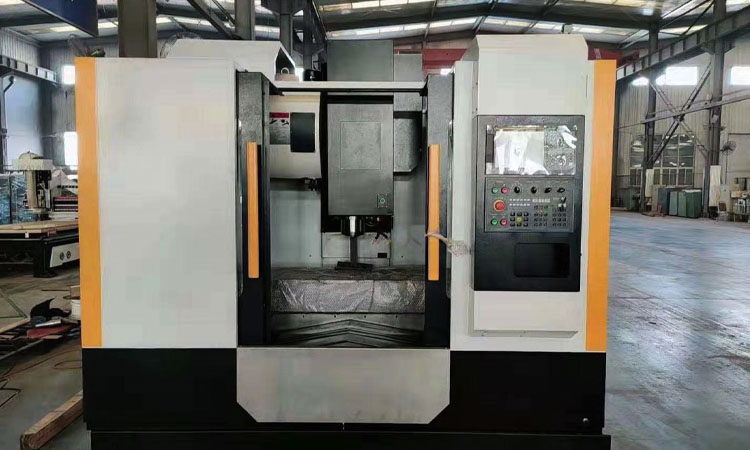
MAKCNC has operated multiple production lines since 2016 and keeps sample machines in stock, which shortens evaluation time for buyers who want to inspect a unit before committing. The facility is certified to ISO 9001:2015, and machine beds use high-strength cast iron, typically resin sand castings, processed through aging treatment for long-term rigidity. Core transmission components are sourced from established Taiwanese or German brands, with system tuning aimed at getting the best performance out of the full machine rather than any single part. Standard warranty runs 12 months after acceptance, with paid lifetime service available afterward, and select tender projects can be arranged with extended terms such as a three-year free warranty. The after-sales network commits to an 8-hour response and on-site attendance within 48 hours where service coverage applies. Lead times generally run one to six months depending on configuration, and while there is no hard minimum order quantity, batch purchases can qualify for better commercial terms. Buyers can also review project types on our project case directory and browse the Vertical CNC Machining Center MV1160 line for shops that need turning and milling capacity side by side.
FAQ on Comparing a CNC Turning Lathe Manufacturer
Is there a minimum order quantity when buying from a CNC turning lathe manufacturer?
No hard minimum applies; a single unit can be purchased. Ordering multiple machines at once, however, can earn better pricing, faster delivery scheduling, or stronger after-sales terms.
How long does production typically take?
Lead times generally fall between one and six months, depending on machine configuration, customization requests, and current production line load.
What warranty should I expect?
A standard warranty is 12 months after acceptance, with paid lifetime service afterward. Some tender projects negotiate longer terms, such as a three-year free warranty, so confirm this in writing before ordering.
How fast is after-sales support if a machine breaks down?
A mature service network typically commits to an 8-hour response window and on-site technician attendance within 48 hours, which is worth confirming contractually rather than assuming.
Do I need a machining center in addition to a lathe?
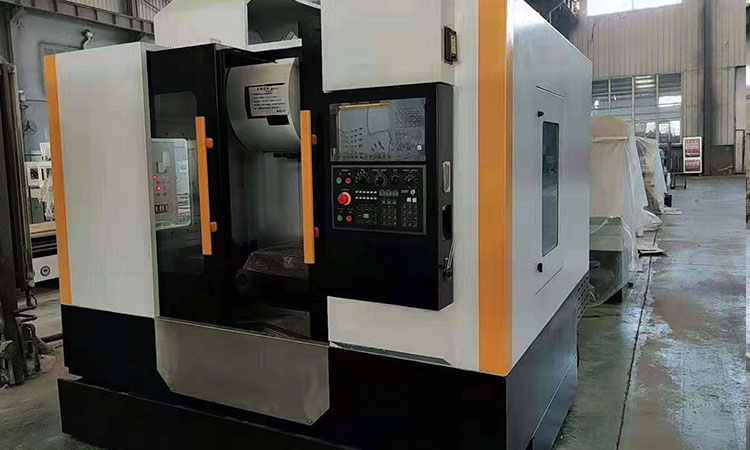
If your parts require multiple operations beyond turning, such as milling or drilling on several faces, pairing a lathe with a Vertical CNC Machining Center MV1380 or similar unit can reduce handoffs and setup error.
If you are comparing CNC turning lathe manufacturers for an upcoming project, feel free to contact us with your part drawings or tolerance requirements and we will get back to you with a current quotation.