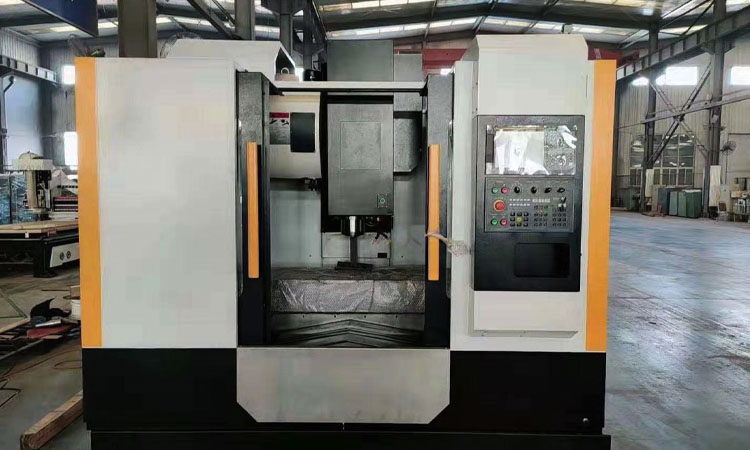
How to Properly Vet a CNC Turning Lathe Manufacturer Before Your RFQ
Choosing your next CNC Turning Lathe Manufacturer involves more than comparing specification sheets. A common sourcing risk is partnering with a supplier whose claimed production capacity doesn't match their operational reality, leading to unexpected delays and quality compromises. Before issuing a request for quotation, it's essential to perform due diligence to ensure a potential partner has the infrastructure, supply chain, and processes to deliver on their promises. This guide outlines practical steps for verifying a manufacturer’s capabilities, focusing on tangible evidence over marketing claims.
Key Types of CNC Lathes and Their Applications
Understanding the primary machine configurations helps align your production needs with a manufacturer's specialization. While there are many variations, most CNC lathes and turning centers fall into a few core categories, each suited for different tasks. Selecting the right type is the first step in ensuring the machine will be a productive asset for your operations.
- Horizontal CNC Lathes: The most common configuration. The workpiece is mounted horizontally. These are excellent general-purpose machines, ideal for shaft-like parts. Gravity helps chips fall away from the workpiece, which aids in surface finish and tool life.
- Vertical CNC Lathes (VTLs): These machines hold the workpiece vertically in the chuck. They are well-suited for large, heavy, and short workpieces, as gravity assists in seating the part securely. This setup simplifies loading and unloading of heavy components.
- Inclined Bed Lathes: A CNC inclined bed lathe offers a design that combines rigidity with superior chip evacuation. The slanted bed provides a more stable structure for heavy cutting and high-precision work, making it a popular choice for demanding applications in the automotive and aerospace industries.
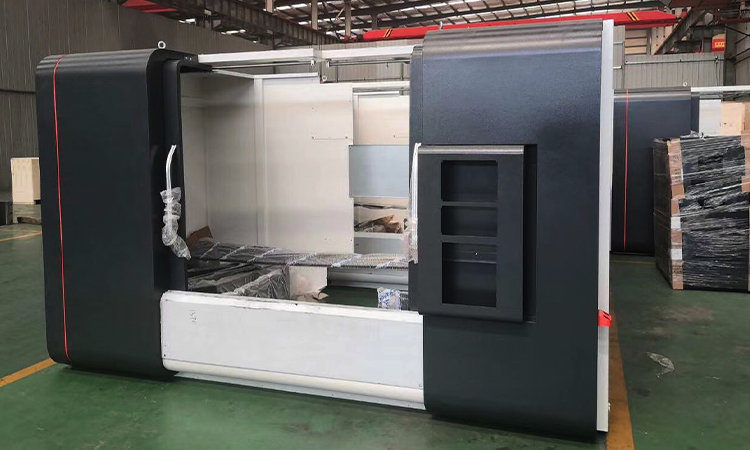
How to Verify a Manufacturer's True Production Capacity
A supplier’s claimed capacity can be misleading. A factory might have a large floor space but lack the skilled technicians, component inventory, or streamlined processes to handle multiple orders concurrently. To protect your investment and timeline, you must look for concrete proof of their operational scale. Before you commit significant resources, use the following checklist to validate a potential manufacturer's claims.
This verification process moves beyond simple factory tours, which can be staged, and focuses on documentary and logistical evidence that is difficult to fabricate.
| Verification Method | What to Ask For | Why It Matters |
|---|---|---|
| Assembly Line Evidence | Request recent, time-stamped photos or video of their assembly floor showing multiple machines—not just one or two—at different stages of production. | A single, polished demo machine proves nothing about volume. Seeing several units being built simultaneously demonstrates a functioning production workflow and the ability to manage parallel projects. |
| Component Sourcing Records | Ask for proof of bulk purchasing for critical components, such as ball screws, linear guides, or controllers from their stated suppliers (e.g., German or Taiwanese brands). Redacted purchase orders or inventory reports are good evidence. | A manufacturer building machines at scale will be ordering core components in volume, not on a one-off basis. This confirms a consistent production schedule and a stable supply chain. |
| Acceptance Test Capability | Inquire about their final testing and quality assurance area. Do they have the dedicated space, power infrastructure, and metrology equipment to run and test multiple machines at once before shipment? | A serious manufacturer has a robust quality control process that can handle output volume. A bottleneck in the final testing phase is a red flag that can cause significant delivery delays. |
| Export Documentation | Request redacted copies of recent Bills of Lading or other shipping documents for multi-unit international shipments. Key details like customer name can be blacked out for confidentiality. | This is direct proof of experience in exporting equipment at the volume they claim. It shows they can handle the logistics, packaging, and customs requirements for international B2B orders. |
Critical Machine Features That Define Long-Term Performance
The longevity and precision of a CNC machine are determined by its foundational components and design philosophy. While control systems and software are important, the core mechanical structure is what ensures consistent accuracy over years of operation. When evaluating a machine, look beyond the spindle speed and axis travel and focus on the elements that create rigidity and stability.
At MAKCNC, we build our machines around a core of high-strength cast iron, often using resin sand casting techniques. This material provides excellent vibration damping. After casting, the machine bodies undergo an aging treatment to relieve internal stresses, a critical step to prevent deformation and maintain geometric accuracy throughout the machine's life. The core transmission components, including the ball screws and linear guides, are sourced from high-precision manufacturers in Taiwan and Germany. This focus on system synergy ensures that the individual quality of each part contributes to the optimal performance of the entire machine.
For industries like mold and die manufacturing, precision is non-negotiable. Our control systems integrate technologies like intelligent feed-forward and quadrant glitch compensation. These features directly address common machining defects such as over-cutting marks, quadrant lines, and tool chatter, enabling a superior surface finish directly off the machine.
Understanding Pricing and Commercial Terms
The final price of a CNC lathe is influenced by several factors beyond the base model. A transparent manufacturer should be able to break down the cost and explain how different choices impact the total investment and delivery schedule. Understanding these variables allows you to configure a machine that meets both your technical requirements and budget.
Here are the primary factors affecting cost and terms:
- Machine Configuration: The size, axis configuration, and choice of components like the turret, tailstock, and spindle motor are the biggest price drivers.
- Order Volume: While we have no rigid minimum order quantity and can supply a single machine, placing a bulk order for multiple units allows for more favorable commercial terms. These benefits can apply to the unit price, delivery timeline, or extended after-sales service packages.
- Lead Time: A typical production and delivery cycle ranges from one to six months. This timeframe depends on the complexity of the machine, the level of customization requested, and the current production schedule.
- Warranty and Service: Our standard warranty covers the entire machine for 12 months after formal acceptance. We also provide lifetime paid technical service. For specific tenders or large projects, enhanced terms, such as a three-year free warranty, can be negotiated. A reliable service network promising an 8-hour response and 48-hour on-site support is a valuable asset that protects your production uptime.
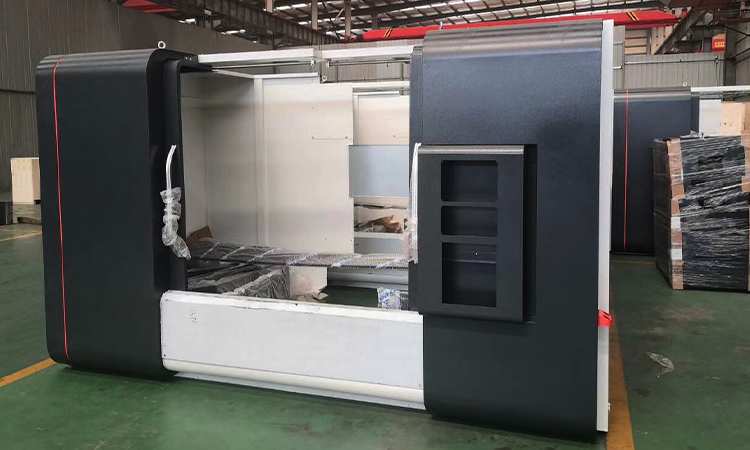
MAKCNC: An ISO9001-Certified Partner for Your Production Needs
Established in 2016, MAKCNC operates from an ISO9001:2015 certified facility, a testament to our commitment to quality management and continuous improvement. We have developed multiple production lines and maintain an inventory of sample machines to facilitate faster demonstrations and deliveries. Our approach is centered on building reliable, high-precision CNC machines that provide lasting value. You can learn more about MAKCNC and our manufacturing philosophy on our company page.
We offer a diverse portfolio, including our high-quality and durable CNC lathe series and a professional cnc machining center solution for more complex prismatic parts. By focusing on robust machine construction, sourcing premium components, and integrating intelligent software solutions, we deliver equipment capable of meeting the stringent demands of modern manufacturing.
Frequently Asked Questions About Sourcing CNC Lathes
Navigating the procurement process for industrial machinery can raise many questions. Here are answers to some common queries from buyers.
What is a typical lead time for a new CNC lathe?
The lead time generally falls between one and six months. The exact duration depends heavily on the machine's configuration, the extent of any requested customizations, and the manufacturer's current order backlog. A standard machine can often be delivered more quickly than a highly customized one.
Is there a minimum order quantity (MOQ)?
We do not enforce a hard MOQ. You can purchase a single machine to meet your production needs. However, procuring multiple units in a single order often unlocks more advantageous commercial terms regarding pricing, delivery priority, or service agreements.
What warranty and after-sales support can I expect?
The standard warranty period is 12 months, beginning after the machine has been successfully installed and accepted at your facility. Lifetime paid service is also available. Our established after-sales network is structured to provide an initial response to service requests within 8 hours and have a technician on-site to address any issues within 48 hours, minimizing potential downtime.
If you are looking for a reliable CNC machine supplier, please contact us with your technical drawings and requirements to receive a detailed quotation.