How to Vet a China CNC Lathe and Machining Center Supplier Before You Sign a Purchase Order
A China CNC Lathe and Machining Center Supplier that looks perfect on Alibaba can still leave you with a machine that misses tolerance, a shipment stuck at customs, or a warranty claim nobody answers. That's the regret buyers describe most often after skipping verification steps at the RFQ stage. Before money changes hands, you need proof — not photos, not a slick catalog, but documented evidence that the factory can actually build what it's quoting.
This matters more for machine tools than for most industrial goods. A CNC lathe or machining center is a capital asset running for 10-15 years. Get the supplier wrong and you're not just out the purchase price — you're out the downtime, the retrofitting, and the lost production while you find a replacement partner.
What Is Supplier Verification in the Machine Tool Trade?
Supplier verification is the process of confirming that a manufacturer's claimed capabilities — production capacity, quality systems, export history, and after-sales support — match reality, using documents and physical evidence rather than sales statements alone. In the CNC machine tool trade, this usually means checking three things together: does the factory actually build the machines in-house, does it hold the certifications it claims, and has it shipped comparable equipment internationally before. Skipping any one of these turns a purchase order into a bet.
Types of Verification Checks You Should Run
Not all checks carry equal weight. Some catch fraud, others catch quality risk, and some just confirm operational maturity. Buyers typically run these four types before shortlisting a supplier:
- Document verification — business license, ISO certificates, export licenses, and tax registration cross-checked against government databases.
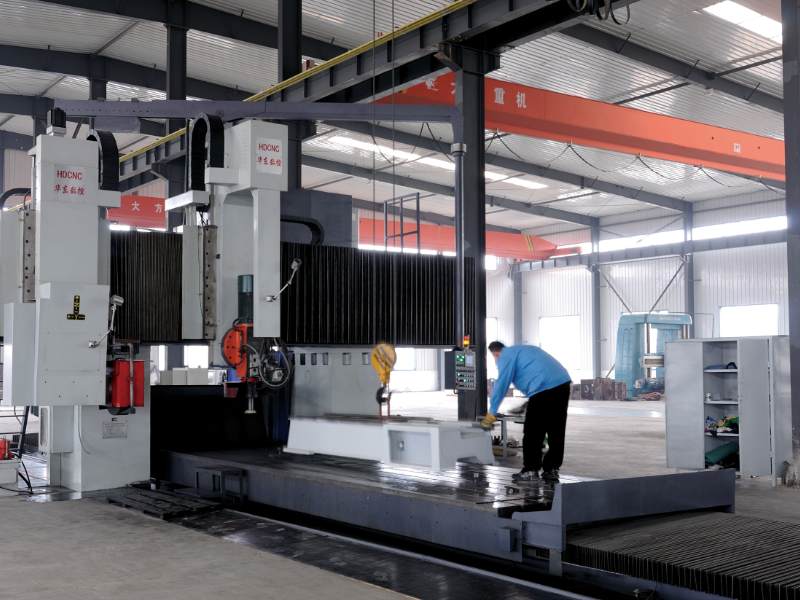
- Factory capability audit — either a video call walkthrough or an in-person visit confirming machining, assembly, and testing areas actually exist and are active.
- Quality control review — inspection reports, raw material certificates for castings, and calibration records for measuring instruments.
- Export record check — bill of lading history, customs declarations, or reference clients in your target region.
Features That Separate a Real Manufacturer From a Trading Company
Many "suppliers" on B2B platforms are trading companies that resell machines from smaller workshops. This isn't automatically bad, but it changes your risk profile — warranty response, spare parts lead time, and technical support all depend on how close you are to the actual factory floor. A genuine manufacturer will show you casting inventory, an assembly line, and in-house testing bays. Look for machine bodies built from high-strength cast iron, typically resin-sand castings, that have gone through aging treatment to hold long-term rigidity and precision. Ask which brand supplies the ball screws and linear guides — Taiwanese or German components are common benchmarks in this segment, and a factory that can't answer specifically is probably not doing final assembly itself.
A Supplier-Verification Workflow: Capability Evidence, Export Records, QC Documents, Acceptance Tests
Here is a practical workflow, built around the risk each check is meant to catch — not just a checklist to tick off.
| Verification Step | What to Request | Risk If Skipped |
|---|---|---|
| Factory capability evidence | Live video tour of the machining shop, casting yard, and assembly line; production schedule for current orders | You may be buying from a reseller with no control over lead time, quality consistency, or spare parts |
| Export records | Bill of lading samples, packing lists from prior shipments, names of import destinations (with buyer consent) | No proof the factory can handle export packaging, documentation, or customs compliance — leading to port delays or damaged cargo |
| Quality control documents | Material certificates for castings, calibration certificates for measuring tools, in-process inspection records | Hidden casting defects or unmeasured tolerances surface only after installation, when it's expensive to fix |
| Acceptance-test requirements | Pre-shipment test report, dry-run video, geometric accuracy test results against agreed tolerance | Machine ships with an undetected fault; without a pre-agreed test protocol, disputing responsibility later becomes very hard |
This workflow works best when you request these documents in writing, before the deposit is paid — not after. A supplier that hesitates to share export records or a factory tour usually has something to hide. On the other hand, don't expect a small workshop to produce every certificate a large export-oriented factory can; scale it to the order size. A single-unit RFQ for a standard lathe doesn't need the same document depth as a five-unit machining center order for a mold shop.
How CNC Lathes and Machining Centers Are Actually Applied in Production
Understanding the application helps you judge whether a supplier's claims make sense. CNC lathes handle turning operations — shafts, flanges, bushings — where the workpiece rotates against a fixed tool. Machining centers, particularly vertical types, handle milling, drilling, and tapping in one setup, which matters heavily for mold and die work. For the mold industry specifically, high-precision demands mean the control system needs intelligent feed-forward and quadrant-jump compensation to avoid overcut marks, quadrant scars, and chatter lines — common defects that ruin cavity surfaces. For multi-variety, small-batch production, a machine's ability to complete multi-face machining in a single clamping is a real differentiator, since it cuts repositioning error and setup time. If you're evaluating a vertical or horizontal machining center for mold work, ask the supplier directly whether their control system includes these compensation features — a vague answer is a warning sign.
CNC Machine Pricing and What Actually Moves the Number
Price quotes for CNC lathes and machining centers vary widely, and the spread usually comes down to five factors:
- Bed and structure material — aged, high-strength cast iron construction costs more upfront but holds accuracy longer, reducing recalibration costs over the machine's life.
- Core component brand — Taiwanese or German ball screws and linear guides cost more than domestic alternatives but affect repeatability directly.
- Control system tier — systems with feed-forward and anti-chatter compensation add cost but matter heavily for mold and die shops.
- Order volume — there's no hard minimum order quantity; a single unit is purchasable, but multi-unit orders typically unlock better pricing, faster lead times, or improved after-sales terms.
- Lead time — standard delivery runs one to six months depending on configuration; rush orders from stocked sample machines cost less time but may limit customization.
Ask for a price breakdown by these five line items rather than a single lump number — it makes supplier comparisons far more honest.
User Guide Tips for Installation and Acceptance
Before signing off on delivery, walk through these steps with the supplier's technician on site or via video:
- Confirm foundation and leveling meet the machine's manual specification before installation — an unlevel bed introduces error no amount of software compensation can fix.
- Run the dry-run test cycle before loading any material, checking axis travel and spindle warm-up behavior.
- Machine a test part matching your actual tolerance requirement, not a generic sample block.
- Verify quadrant-jump and feed-forward compensation settings against your part geometry, especially for mold cavities with sharp direction changes.
- Document the acceptance test with measured results signed by both parties — this becomes your reference if a warranty dispute arises later.
Skipping the signed acceptance report is one of the most common mistakes we see — without it, warranty claims become a matter of opinion rather than documented fact.
MAKCNC as a China CNC Lathe and Machining Center Supplier
MAKCNC was founded in 2016 and operates under an ISO9001:2015-certified quality system, running multiple production lines with sample machines kept in stock for faster evaluation and shorter lead times. Machine bodies use high-strength cast iron, resin-sand castings aged for long-term rigidity, and core transmission parts — ball screws and linear guides — sourced from established Taiwanese or German brands, matched through system-level tuning for full-machine performance. For mold industry customers, our control systems integrate feed-forward and quadrant-jump compensation to reduce overcut marks, quadrant scars, and chatter lines, and our machines support multi-face machining in a single clamping for multi-variety, small-batch production. Standard delivery runs one to six months. There's no hard minimum order — a single unit is fine, though bulk orders get better commercial terms. Standard warranty runs 12 months post-acceptance with paid lifetime service available, and some project-based orders qualify for extended three-year free warranty terms. Our after-sales network responds within 8 hours and reaches the site within 48 hours for on-site issues. You can review our CNC lathing machine range, our vertical CNC machining center MV1380, or explore customized CNC machines and machining centers built to your spec sheet. Documented global CNC machinery cases are available for reference.
FAQ of China CNC Lathe and Machining Center Supplier
How to verify a CNC lathe supplier in China?
Cross-check the business license and export license against official registries, request a live video factory tour, and ask for at least one verifiable export reference with shipment documents. Combine document review with a factory capability audit before paying any deposit.
What documents should a China CNC machine supplier provide?
Expect a business license, ISO9001 certificate if claimed, material certificates for castings, calibration records for measuring instruments, and a pre-shipment acceptance test report with measured tolerance results signed by both parties.
How to audit a machining center factory?
Request a live walkthrough of the casting yard, machining shop, and assembly line, confirm the control system's compensation features against your application (mold work needs feed-forward and quadrant-jump compensation), and ask for a signed acceptance test protocol before final payment.
If you're sourcing a CNC lathe or machining center and want help vetting factory documents or building your own audit checklist, feel free to contact us for the latest specifications and a quote.