
Machining Centers Shape Modern Factory Automation
What Are Machining Centers
Machining centers are computer-controlled machine tools designed to complete multiple cutting operations on a workpiece in a single setup. A typical unit can mill, drill, tap, bore, and ream parts with programmed precision. Unlike a single-purpose machine, it usually includes an automatic tool changer, a fixed worktable or pallet system, a CNC control, coolant equipment, and protective guarding. This configuration reduces manual handling between operations and helps factories produce consistent parts from steel, aluminum, cast iron, copper, and engineering plastics. For buyers, the term means more than a spindle inside an enclosure. It describes a production platform that can work with fixtures, robots, inspection equipment, production software, and other machines.
Types of Machining Centers
Manufacturers typically choose a machine type based on part size, cutting direction, production volume, and accuracy requirements. Vertical machining centers position the spindle above the workpiece and are commonly used for molds, plates, housings, brackets, and general mechanical parts. Horizontal machining centers place the spindle sideways, which makes them well suited to deep cavities, larger components, and multi-face machining. Gantry processing machines handle wide or heavy workpieces, including structural frames and dies. Five-axis models can access several faces of a complex part with fewer setups. Some factories combine a machining center with a turning spindle, while others place CNC lathes alongside milling equipment. MAKCNC supplies CNC Machining Center solutions alongside CNC Lathing Machine and CNC Machine products for different factory layouts.
Features That Support Automated Production
The automation value of a machining center comes from its ability to control movement, tooling, workholding, and production data as one coordinated system. An automatic tool changer may hold 16, 24, 32, or more tools, allowing a program to move from rough milling to drilling and finishing without an operator changing cutters by hand. Servo drives control axis movement, while the CNC system manages speed, feed, tool paths, and safety functions. Chip conveyors remove waste during long production runs, and coolant filtration helps maintain stable cutting conditions. High-speed spindles can reduce cycle times on aluminum parts, while high-torque spindles provide the cutting force needed for steel and cast materials. In practice, the best results come from matching spindle power, table size, travel, and tool capacity to the actual part family instead of simply selecting the largest machine available.
How Automated Machining Centers Work With Robots
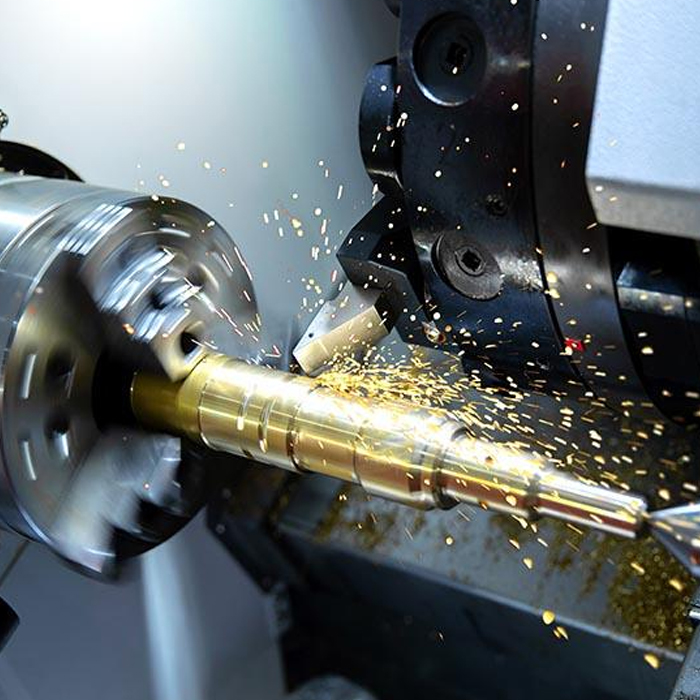
Automated machining centers use robots or gantry loaders to move raw material, finished components, pallets, and fixtures. A robot can pick up a blank from a tray, place it in a fixture, close the door, and start the next cycle after receiving a signal from the CNC control. Once machining is complete, it removes the finished part and places it in a separate bin for inspection or packing. This setup works well for automotive brackets, hydraulic blocks, pump bodies, electronic housings, and other components produced in repeated batches. Robotic loading is not limited to large plants. A compact cell with one machine, one six-axis robot, and a simple tray system can support unattended production during breaks or night shifts. The cell should be designed around part weight, grip shape, fixture access, door opening, cycle time, and operator safety.
Pallet Changers and Tool Management
Pallet changers separate machining time from loading time. While one pallet is inside the machine, an operator or robot can prepare the next pallet outside the cutting area. When the cycle ends, the system exchanges the pallets, identifies the next job, and returns the machine to production. This reduces idle spindle time and makes mixed production easier to manage. Tool management adds another level of control. The CNC system can record tool numbers, offset values, expected tool life, and replacement status. A tool-life monitor may count cutting time or machining cycles and alert staff before a worn cutter damages a part. For companies machining different sizes or materials, this avoids the need to search through a tool cabinet for every new job. It also supports consistent setup records across multiple shifts and production sites.
CNC Machining Center Automation and Sensors
CNC machining center automation depends on dependable feedback. Sensors can check spindle load, vibration, coolant level, door position, hydraulic pressure, tool presence, and workpiece seating. A probing system can measure a blank after loading, locate its position, and update work offsets before cutting begins. In-process probing can inspect a bore, surface, or critical diameter without removing the part from the fixture. Load monitoring helps identify a broken tool or an unexpected material change. Temperature sensors may support compensation when long production cycles cause the machine structure to warm up. These functions do not replace skilled production staff. Instead, they provide better information and allow earlier action when a problem appears. Buyers should ask which sensors are included, what data they provide, and whether those signals can be shared with the factory control system.
Industrial Machining Systems and Digital Monitoring
Modern industrial machining systems connect the machine with production planning, maintenance, inspection, and reporting tools. A factory monitoring platform can show whether a machine is running, waiting for material, stopped by an alarm, or undergoing service. It may also record spindle operating time, cycle duration, alarm history, energy use, and production quantity. Managers can compare planned output with actual results rather than relying only on handwritten shift notes. Engineers can review recurring alarms and identify issues involving fixtures, programs, tooling, or material supply. Digital monitoring is particularly useful for export manufacturers operating machines across several workshops. Before purchasing, buyers should confirm communication standards, data ownership, user permissions, network requirements, and whether the CNC control can connect to existing software. Data becomes valuable when it supports a practical decision, such as replacing a tool, adjusting a schedule, or planning maintenance.
Smart Machining Centers in Connected Factories
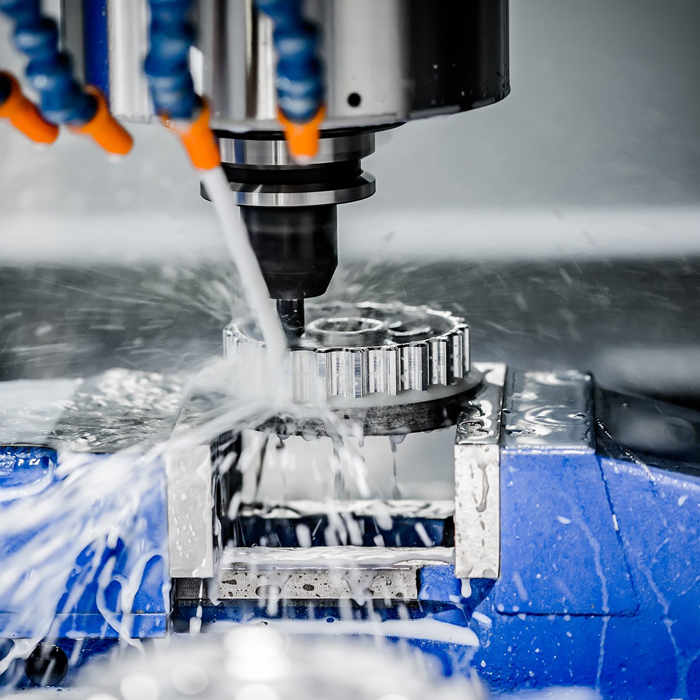
Smart machining centers use machine data, sensors, software, and automated handling to make production easier to supervise and improve. A connected cell may receive a work order from a planning system, call the correct CNC program, load the required tools, identify the fixture, and report finished quantities. Quality data can be linked to a part number, batch, operator, machine, and inspection result. That record supports traceability for aerospace, medical, energy, automotive, and hydraulic products. Smart production does not mean every task must be fully automated. A factory may start with tool-life monitoring and remote alarm reporting, then add pallet changing, robot loading, automatic probing, and production scheduling. This phased approach controls investment and gives operators time to learn the new process. The goal is reliable information and repeatable work, not automation for its own sake.
Machining Center Applications
Machining centers serve a broad range of industries because one machine can complete several operations on a single component. Automotive suppliers use them for transmission housings, suspension parts, engine brackets, and battery-related structures. Aerospace workshops machine aluminum frames, titanium components, and complex fixtures that require controlled cutting and inspection. Communication equipment manufacturers produce cabinets, heat sinks, mounting plates, and precision housings. Agricultural machinery companies use machining centers for gearbox bodies, shafts, hydraulic blocks, and structural components. Petroleum and geological equipment producers require accurate valve bodies, flanges, connectors, and drilling-related parts. Water conservancy, chemical processing, minerals, and general engineering businesses also benefit from the ability to process medium and heavy workpieces with repeatable programs. The right machine depends on material hardness, component dimensions, tolerances, batch size, and the number of faces that must be completed.
Machining Center Price and Cost Factors
The price of a machining center can vary substantially because machines are usually configured for specific production requirements. Key factors include spindle speed and power, working travel, table dimensions, maximum workpiece weight, tool magazine capacity, CNC control brand, axis count, positioning accuracy, coolant equipment, chip removal, probing, pallet changing, and robot integration. A basic three-axis vertical model may suit small-batch work, while a four-axis, five-axis, horizontal, or gantry system requires a larger investment. Shipping, installation, training, spare parts, electrical standards, and import duties also influence the final cost for international buyers. It is sensible to compare the complete production package rather than the machine price alone. A lower-cost unit may require extra fixtures or more manual labor, while a properly configured automated cell can reduce handling and improve output over several years. Ask the supplier for a quotation based on drawings, material, annual volume, target cycle time, and factory power conditions.
Machining Center Installation and User Guide
Installation should begin with a prepared foundation, adequate floor space, stable power, compressed air where required, coolant handling, and a safe material-loading route. The machine must be leveled according to the supplier’s instructions, then checked for axis movement, spindle condition, lubrication, coolant flow, and guarding. Operators should receive training in program selection, tool offsets, work offsets, fixture setup, alarm response, and daily inspection. Before automatic production begins, run a dry cycle with the tool path above the workpiece and verify every movement. Confirm that the robot grip, pallet location, door signal, and emergency stop functions operate correctly. Keep cutting tools within their rated speed and feed ranges, remove chips safely, and record maintenance activities. Daily checks may include lubrication level, coolant concentration, air pressure, chip conveyor operation, and unusual vibration. Clear procedures protect people and help prevent avoidable downtime.
Benefits for Manufacturers and Global Buyers
Automation can improve output, labor allocation, repeatability, and production visibility. A machine that changes tools automatically reduces setup interruptions. A pallet changer keeps the spindle cutting while the next fixture is prepared. A robot handles repetitive loading and unloading, allowing an operator to supervise several processes or focus on inspection. Sensors help identify conditions that could lead to scrap, while digital records show how each job performed. These benefits matter to global buyers who need a scalable solution rather than a machine that serves only one current order. A well-planned cell can begin with manual loading and later add a robot, extra pallet, probing, or monitoring software. That flexibility is valuable for wholesalers, contract manufacturers, and factories serving customers in automotive, aerospace, electronics, petroleum, and agricultural machinery markets.
MAKCNC as a Machining Center Supplier
MAKCNC is a machining center supplier serving manufacturers that need dependable CNC production equipment and practical technical support. Our product range covers vertical machining center series, horizontal machining center series, gantry processing series, heavy-duty cutting lathe series, CNC oilfield lathe series, and CNC lathe series. Recommended products include the CNC Machining Center, CNC oilfield lathe, and manual oilfield lathe. These machines are designed for high speed, high rigidity, high performance, and efficient production across communication, consumer electronics, automotive, aerospace, minerals, agricultural machinery, chemical, petroleum, water conservancy, and geological exploration applications. When preparing a quotation, we can review part drawings, material, dimensions, tolerance, required output, automation plans, and destination-market requirements. If you are looking for a machining center supplier, contact MAKCNC for the latest product quotation and a suitable CNC machining solution.
FAQ of Machining Centers
How Do Machining Centers Improve Factory Automation
Machining centers improve factory automation by combining programmed cutting with automatic tool changes, repeatable axis movement, digital work offsets, and optional loading equipment. A robot or gantry can place a blank into a fixture while the CNC control runs the approved program without manual intervention at every operation. Pallet systems allow another workpiece to be prepared outside the cutting area, reducing waiting time between cycles. Probing can confirm part position and measure selected features, helping prevent errors caused by incorrect loading or tool wear. Machine monitoring adds production information, including cycle time, alarm status, spindle hours, and completed quantity. Together, these functions reduce repetitive handling and make production easier to schedule. Automation works best when the machine, fixture, robot, tooling, inspection method, and software are planned as one cell.
What Automation Features Do Machining Centers Offer
Common automation features include automatic tool changers, tool-life management, chip conveyors, coolant filtration, pallet changers, robotic loading, gantry loaders, hydraulic or pneumatic fixtures, workpiece probing, tool measurement, spindle-load monitoring, vibration detection, and remote machine status reporting. Some systems can identify a pallet or fixture through a barcode, RFID tag, or dedicated signal and then call the correct CNC program. Tool data may include offset values, cutting time, and replacement limits. Probing can locate a part and inspect selected dimensions during production. A robot cell may include tray storage, part orientation, door communication, safety fencing, and a finished-part station. The right package depends on product shape, weight, batch size, changeover frequency, and required labor reduction. Buyers should request a detailed automation list rather than assuming every machine includes the same equipment.
How Are Machining Centers Integrated Into Smart Factories
Machining centers are integrated into smart factories through industrial networks, production software, monitoring platforms, sensors, and standardized data exchange. The CNC control reports machine status, alarms, cycle information, and selected process values to a local or cloud-based dashboard. A manufacturing execution system can send work orders, track part quantities, and connect production records with inspection results. Maintenance staff can use spindle hours, alarm history, and lubrication data to plan service before a minor issue stops a line. Engineers may review tool wear, cycle variation, or energy consumption to improve a process. Integration should include cybersecurity controls, user permissions, backup procedures, and a clear policy defining who can change programs or offsets. Many factories begin with monitoring and later add robots, pallet systems, automatic inspection, and scheduling links as production volume grows.
Choose a Scalable CNC Production Partner
Automation changes the role of a machine tool from an isolated cutting unit into a connected production resource. Robots handle material, pallet changers reduce idle time, tool systems support repeatable setups, sensors provide process feedback, and digital monitoring gives managers a clearer view of output. For the best result, the machine must match the workpiece, material, tolerance, volume, and future expansion plan. MAKCNC offers CNC Machining Center, CNC Lathing Machine, and CNC Machine products for manufacturers, buyers, wholesalers, and engineering teams worldwide. If you are looking for a machining center supplier, contact MAKCNC to discuss your application and obtain the latest product quotation.