Cut Handling Time With Twin Spindle CNC Lathes
A Twin Spindle CNC Lathe is a type of turning center equipped with two spindles—a main spindle and a sub-spindle—instead of the traditional single spindle. This configuration allows for the complete machining of a workpiece in a single setup. While the main spindle works on the front side of a part, the sub-spindle can grab the part, transfer it, and begin work on the back side. This eliminates the need for an operator to stop the machine, open the door, remove the semi-finished part, and manually re-fixture it for secondary operations. For businesses producing complex parts in volume, this capability directly translates to reduced cycle times, lower labor costs, and improved part-to-part consistency.
Types of Twin Spindle CNC Lathes
While the core concept involves a main and sub-spindle, these machines come in several configurations designed for different production needs. The primary distinction lies in the arrangement of the spindles and turrets. Some models feature spindles positioned opposite each other on the same Z-axis, ideal for direct part transfer. Others may have parallel spindles. The tooling setup also varies. A common arrangement is a single turret serving both spindles, which is a cost-effective solution for many applications. More advanced models feature dual turrets, allowing for simultaneous machining on both spindles or "pinch turning" on a single spindle with two tools at once, drastically reducing cycle times for long, slender parts. The choice depends on part complexity, required cycle time, and budget.
Key Features of High-Performance Machines
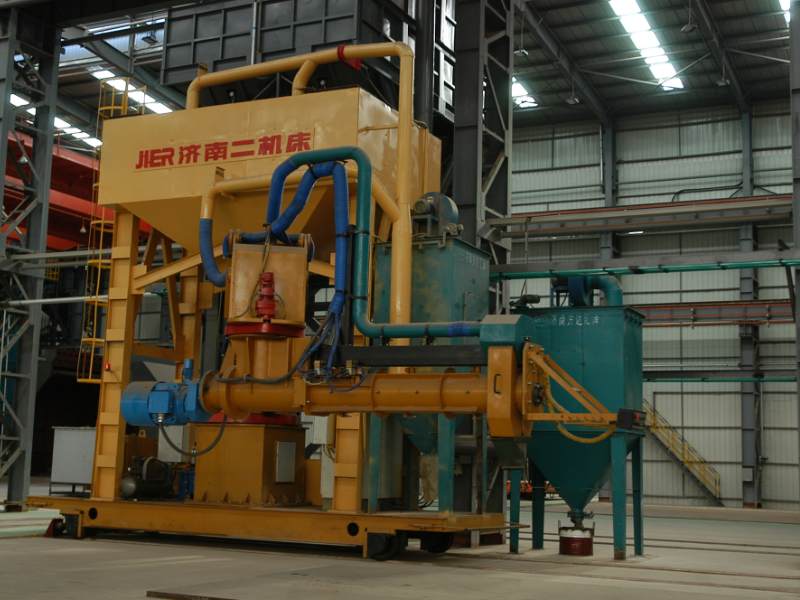
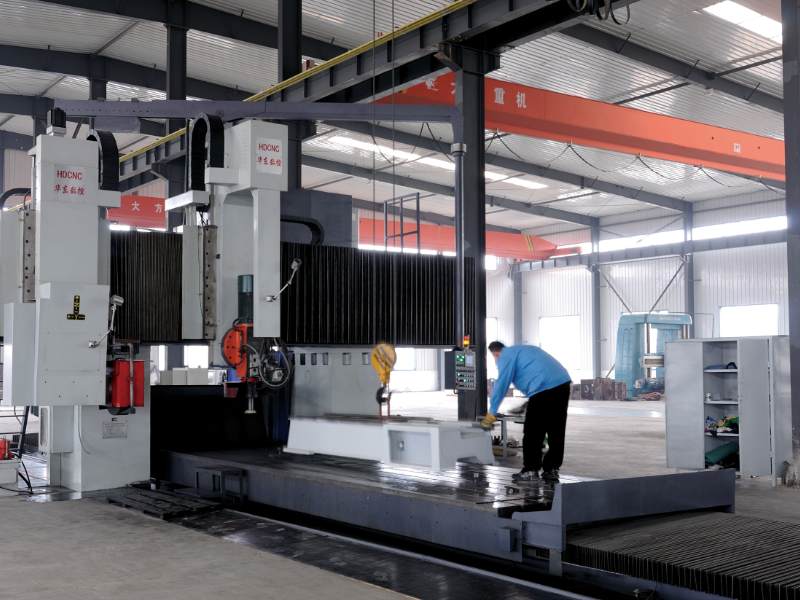
The performance of a twin spindle lathe is not just about having two spindles; it's about the underlying engineering that ensures accuracy and longevity. A machine's stability begins with its foundation. Our machine bodies are constructed from high-strength cast iron, such as resin sand castings, which undergo an aging treatment. This process relieves internal stresses in the metal, ensuring the machine frame maintains its geometric accuracy and rigidity over years of operation. Furthermore, the core drive components, including the ball screws and linear guides, are high-precision parts sourced from established German or Taiwanese manufacturers. This focus on component quality is matched by advanced system integration. For high-precision industries like mold making, our control systems incorporate intelligent feed-forward technology and quadrant glitch compensation to effectively solve common machining defects like over-cut marks, quadrant marks, and chatter marks.
Applications for Twin Spindle Turning
These machines excel in environments that involve multi-sided machining on a single part, particularly for small-to-medium-sized components produced in series. Industries such as automotive, medical devices, hydraulics, and electronics manufacturing frequently use them to produce shafts, valves, fittings, connectors, and other complex turned parts. The ability to perform turning, milling, drilling, and tapping on both the front and back of a workpiece without manual intervention makes them highly efficient. For job shops dealing with high-mix, low-volume production, the single-setup capability minimizes changeover time and reduces the chance of human error associated with multiple clampings. The machine can complete all faces of a part in one cycle, improving overall workshop flexibility and throughput.
How In-Cycle Part Transfer Reduces Handling for Shafts and Fittings
The primary advantage of a twin spindle architecture is the elimination of "dead time" and manual labor associated with secondary operations. For parts like hydraulic fittings or small motor shafts that require features on both ends, a traditional single-spindle process is inefficient. The following table breaks down the workflow difference.
| Process Step | Single Spindle Lathe Workflow | Twin Spindle CNC Lathe Workflow |
|---|---|---|
| Operation 1 (Front Side) | Machine front side features on main spindle. | Machine front side features on main spindle. |
| Machine Stop & Handling | Machine stops. Operator opens door, removes part, places in bin. | (Step Eliminated) |
| Part Staging | Batch of semi-finished parts waits for Op 2. | (Step Eliminated) |
| Operation 2 (Back Side) | Operator manually loads each part into the chuck for back-side work. | Sub-spindle travels, grips part, and pulls it from main spindle. Part is transferred in-cycle. |
| Machining | Machine back side features. | Sub-spindle machines back side features. Simultaneously, main spindle can start Op 1 on the next part. |
| Part Unload | Operator unloads finished part. | Finished part is ejected into a parts catcher automatically. |
Conclusion: The twin spindle process consolidates at least six distinct steps into a single, automated cycle. This is most suitable for production runs where cycle time per part is a key performance indicator. It is less suitable for very simple parts that only require machining on one side, as the additional complexity and cost of the sub-spindle would not provide a return on investment.
Factors Influencing Twin Spindle CNC Lathe Price
The price of a cnc inclined bed lathe with twin spindles is influenced by several factors. The machine's size, spindle power, and the number and type of tool stations are primary cost drivers. A machine with live tooling (for milling) and a Y-axis will be more expensive than a basic turning-only model. The brand and specification of core components like the Computer Numerical Control (CNC) system, spindles, and servomotors also play a significant role. Finally, the commercial terms can affect the final investment. We offer flexible procurement options; there is no rigid minimum order quantity, and even a single unit can be purchased. However, placing a bulk order for multiple machines may provide access to more favorable commercial terms regarding unit price, delivery schedule, or after-sales service packages.
User Guide: Is a Twin Spindle Machine Right for You?
Deciding to invest in a twin spindle machine requires careful evaluation of your production needs. Use this checklist to guide your decision-making process. If you answer "yes" to most of these questions, a twin spindle configuration is likely a good fit.
- Part Complexity: Do your parts require machining on two or more faces (e.g., front and back)?
- Production Volume: Are you producing these parts in quantities where cycle time savings will have a meaningful impact on profitability?
- Labor Costs: Is reducing the need for an operator to constantly load, unload, and re-fixture parts a priority for your operation?
- Floor Space: Would consolidating two operations (Op 10 and Op 20) from two separate machines into one machine free up valuable floor space?
- Quality Control: Do you experience quality issues (e.g., concentricity errors) from re-chucking parts between operations?
Regarding service and support, our standard warranty covers the machine for 12 months after final acceptance, with lifetime paid service available. For specific tenders or large projects, extended warranties, such as a three-year free warranty, can be negotiated. Our after-sales network is structured for prompt support, typically committing to an 8-hour response time and having a technician on-site within 48 hours to address any issues.
MAKCNC: Your Reliable Twin Spindle CNC Lathe Supplier
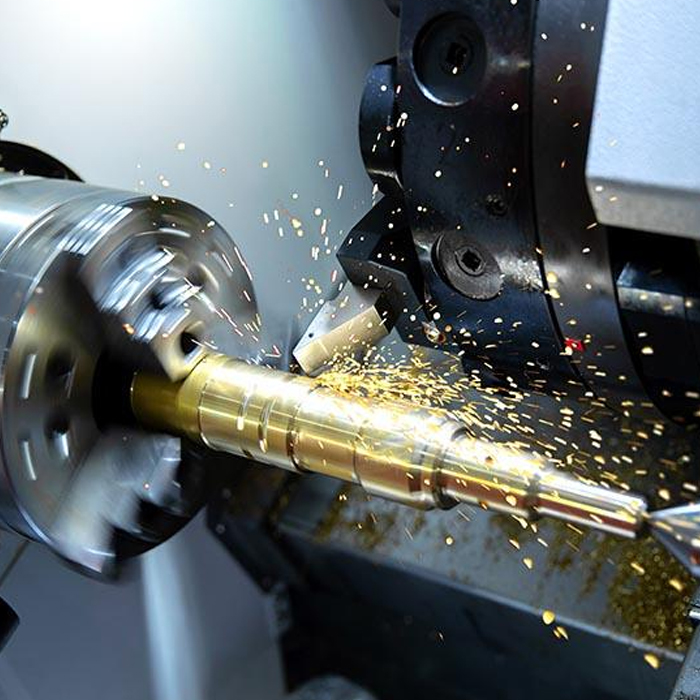
Since our establishment in 2016, MAKCNC has developed multiple production lines to serve the global market for precision machine tools. Our facility is ISO 9001:2015 certified, reflecting our commitment to quality management systems. We maintain a stock of sample machines, allowing potential clients to see our build quality and technology firsthand. As a professional cnc lathing machine manufacturer, we focus on building durable and precise equipment by combining rigid machine structures with high-quality components. Our engineering team designs systems that work in harmony to deliver optimal performance, addressing common machining challenges and helping our clients improve their productivity.
Frequently Asked Questions
What is the minimum order quantity (MOQ)?
There is no strict MOQ. You can purchase a single machine. However, bulk orders of multiple units often qualify for better commercial terms on price, lead time, or service.
What is the typical lead time?
Lead times generally range from 1 to 6 months, depending on the machine configuration and current production schedules.
What kind of warranty and after-sales support is provided?
The standard warranty is 12 months after machine acceptance. We also provide lifetime paid technical service. Our support network aims for an 8-hour response time and 48-hour on-site arrival for troubleshooting.
If you are looking for a reliable Twin Spindle CNC Lathe supplier to improve your production efficiency, please contact us for a detailed consultation and the latest quotation.