Choosing a Large Horizontal CNC Machining Center for Heavy Casting Production Comes Down to Matching Machine Capacity to Real Workpiece Demands
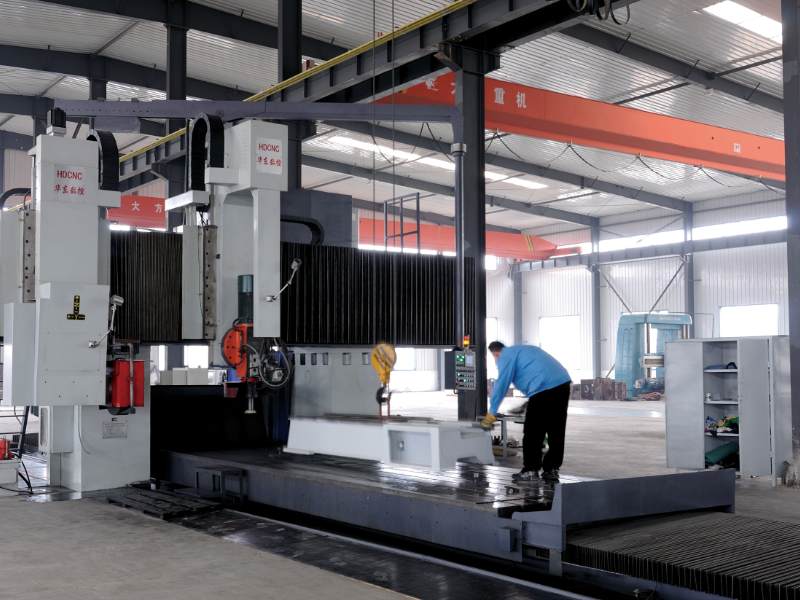
A large horizontal CNC machining center is a multi-axis machine tool built around a horizontal spindle orientation, designed to cut, drill, bore, and tap heavy metal parts from multiple faces without repeated repositioning. Unlike vertical machines, the horizontal layout lets gravity pull chips away from the cutting zone naturally, which matters a great deal when you're removing large volumes of material from cast iron or steel blocks. Production managers evaluating machine tools for gearbox housings, pump bodies, or structural castings usually land on this configuration once part weight crosses a certain threshold — typically once single fixtures start exceeding what a vertical machining center's table and column can support reliably over long production runs.
Types of Large Horizontal CNC Machining Centers
Not all horizontal machining centers are built the same way, and the differences affect which one fits your shop floor. Fixed-column horizontal centers with a moving table suit high-volume, repeat-part production where floor space is tight. Traveling-column designs, on the other hand, handle oversized or irregular castings better because the spindle moves to the part instead of the part moving under a fixed spindle. Pallet-changer equipped models add a second work station, letting one part get machined while the next gets loaded — useful for shops running two to three shifts on similar parts. Boring-mill style horizontal centers, with longer spindle travel and heavier boring bars, are chosen when deep-bore accuracy on large housings is the main job requirement. Each type trades off rigidity, footprint, and cycle flexibility differently, so the choice should follow your actual part mix, not a spec sheet alone.
Features of Large Horizontal CNC Machining Centers
Machines in this class are generally built around high-strength cast iron frames, often resin-sand castings, aged through stress-relief treatment so the structure holds its geometry after years of heavy cutting loads. Core motion components — ballscrews and linear guideways — usually come from established Taiwanese or German suppliers, since precision here directly affects repeatability on multi-face operations. For mold and die work specifically, some systems integrate intelligent feed-forward control and quadrant-transition compensation, which reduces the tool marks, quadrant glitches, and chatter lines that show up on complex 3D surfaces. Multi-face machining in a single clamping setup is another practical feature worth checking for — it cuts down on repositioning error across small-batch, multi-variant production, which is common in mold shops handling frequent part changeovers.
Application of Large Horizontal CNC Machining Centers
These machines are common in industries producing large cast or forged components — automotive gearbox housings, hydraulic valve bodies, wind turbine gearbox casings, pump and compressor housings, and heavy machine tool bases themselves. Mold and die shops also rely on horizontal centers when a mold base needs multiple faces machined accurately without breaking datum reference. Anywhere a part is too heavy or bulky to flip easily on a vertical table, a horizontal configuration usually becomes the practical answer, since the part stays clamped once and the spindle does the moving instead.
Boundary: Matching Table Load, Spindle Torque, and Work Envelope to Heavy Casting Applications
This is the part buyers skip too often, and it's where wrong purchases happen. A horizontal machining center that looks capable on paper can still be the wrong fit if its table load rating, spindle torque, and chip management don't match your actual castings.
- Table load capacity: Confirm the rated load includes fixture weight, not just the raw casting. A 3-ton-rated table carrying a 2.5-ton part plus a 600 kg fixture is already over spec — this shortens ballscrew and guideway life significantly.
- Spindle torque: Heavy roughing passes on cast iron or steel need sustained low-rpm torque, not just peak horsepower. Check the torque curve at the rpm range you'll actually rough at, not just the headline spindle power figure.
- Work envelope: Match X/Y/Z travel to your largest expected part plus tool clearance, not your average part. Buying to the average leaves no room when a larger order comes in.
- Chip evacuation: Heavy roughing on cast iron generates a large volume of abrasive chip and dust. Confirm the machine has adequate chip conveyor capacity and coolant flush volume — inadequate evacuation is one of the most common causes of unplanned downtime on horizontal centers running iron castings all day.
When this configuration is NOT suitable: If your parts are small, light, and mostly flat-faced — brackets, plates, small housings under 200 kg — a large horizontal center is overbuilt and inefficient. You'll pay for spindle torque and table capacity you never use, and cycle times on light parts are often faster on a compact vertical machining center. Horizontal centers also make less sense for shops without stable three-phase power infrastructure or floor loading capacity to support machine weights that frequently exceed 15-20 tons.
Large Horizontal CNC Machining Center Price
Price varies with table size, spindle torque rating, number of pallets, and control brand. Broadly, buyers should expect the following cost drivers:
| Factor | Impact on Price |
|---|---|
| Table size and load rating | Larger tables and higher load ratings raise base machine cost due to heavier castings and structural reinforcement |
| Pallet changer (single vs. double) | Double-pallet setups add cost but reduce idle spindle time on multi-part runs |
| Spindle torque and speed range | Higher torque spindles built for heavy roughing cost more than general-purpose spindles |
| Ballscrew and guideway brand | Taiwanese or German precision components cost more upfront but hold tolerance longer under heavy load |
| Control system | Advanced control packages with feed-forward and vibration compensation add to price but reduce scrap on complex parts |
| Customization | Non-standard work envelopes or special fixturing raise engineering and lead time costs |
Lead times for these machines typically run one to six months depending on configuration and whether the unit is a stock model or a customized build. Buyers ordering a single unit are not required to meet a minimum order quantity, though volume orders often unlock better commercial terms on price, delivery, or after-sales support.
Large Horizontal CNC Machining Center User Guide
- Confirm foundation readiness — verify floor loading and flatness before delivery; heavy horizontal centers need a stable, level foundation to hold long-term accuracy.
- Run a warm-up cycle — allow the spindle and axes to run an idle warm-up cycle before heavy roughing, especially in cold shop environments, to stabilize thermal expansion in the ballscrews.
- Check chip conveyor operation daily — a jammed conveyor is one of the most frequent causes of unplanned stoppages on cast iron work.
- Verify fixture-to-table load calculations before every new part setup, not just at commissioning.
- Schedule ballscrew and guideway lubrication on the manufacturer's recommended interval — skipping this is the single most common maintenance mistake we see reported industry-wide.
- Log spindle vibration readings periodically to catch bearing wear before it affects surface finish on mold or die work.
Large Horizontal CNC Machining Center Supplier
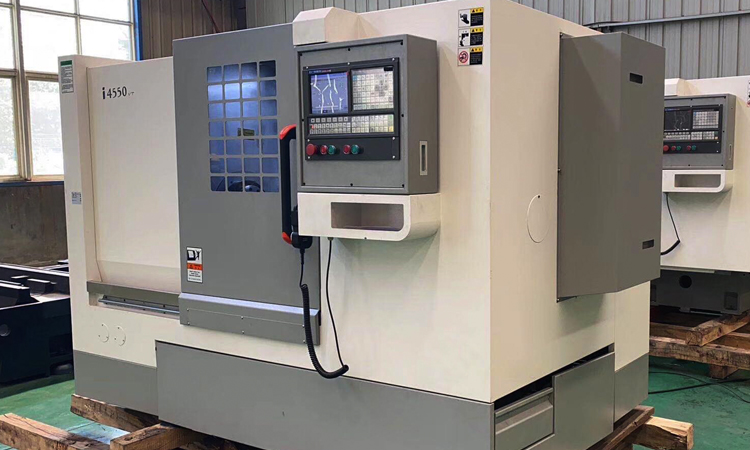
MAKCNC has been manufacturing CNC machine tools since 2016, operating multiple production lines with sample machines kept in stock for faster evaluation and delivery. Our facility is ISO9001:2015 certified, and our machines are built with high-strength cast iron frames aged through stress-relief treatment, paired with core transmission components sourced from established Taiwanese and German brands. Standard warranty coverage runs 12 months after acceptance, with paid lifetime service available afterward, and select tender projects can be arranged with extended terms such as three-year free warranty. Our after-sales network targets an 8-hour response window and on-site arrival within 48 hours for machine faults. Beyond horizontal centers, we also produce CNC lathing machines and a full range of vertical and horizontal CNC machining centers, including models like the MV1380 vertical machining center and the compact MV970, alongside customized configurations for buyers with non-standard part requirements. You can review examples of completed projects on our global machinery cases page.

FAQ of Large Horizontal CNC Machining Center
What table load can a large horizontal CNC machining center typically handle?
This depends entirely on the model and structural rating. Always confirm the manufacturer's stated load rating and subtract your fixture weight before calculating usable capacity for your castings.
How is a horizontal machining center different from a vertical one?
The spindle orientation differs — horizontal spindles cut on the side of a workpiece, allowing multi-face machining in one clamping and better chip fall-away, which suits heavy castings better than vertical setups in many cases.
Can one horizontal center handle both roughing and finishing on cast iron parts?
Yes, provided the spindle torque range covers heavy roughing loads and the control system includes vibration or chatter compensation for finishing passes on complex surfaces.
Is a minimum order quantity required to purchase one machine?
No hard minimum applies — single-unit purchases are accepted, though bulk orders may receive improved pricing, delivery, or service terms.
What is the standard lead time for a customized horizontal machining center?
Lead times generally run between one and six months, depending on configuration complexity and whether the unit matches an existing stock model.
If you're comparing configurations for heavy casting production, feel free to send us your part drawings or load specifications, and we'll help you match the right table size, spindle torque, and work envelope to your application.