
Vertical CNC Machine Shop Floor Safety Essentials
Vertical CNC Machine is a machining center where the spindle axis stands perpendicular to the worktable. This orientation gives operators excellent visibility into the cutting zone – a natural advantage for spotting trouble before it escalates. The vertical layout also means gravity helps chips fall downward, but that doesn’t make the machine inherently safe. In factories across Brazil, Australia, and Iran where MAKCNC equipment runs daily, we’ve watched small procedural misses turn into near misses. Safety isn’t a sticker on the cabinet door; it’s a discipline embedded in machine design, installation, and daily habit. This guide unpacks the safety fundamentals every shop manager and engineer should demand from their vertical CNC equipment, covering guarding, controls, chip management, tool handling, and operator training.
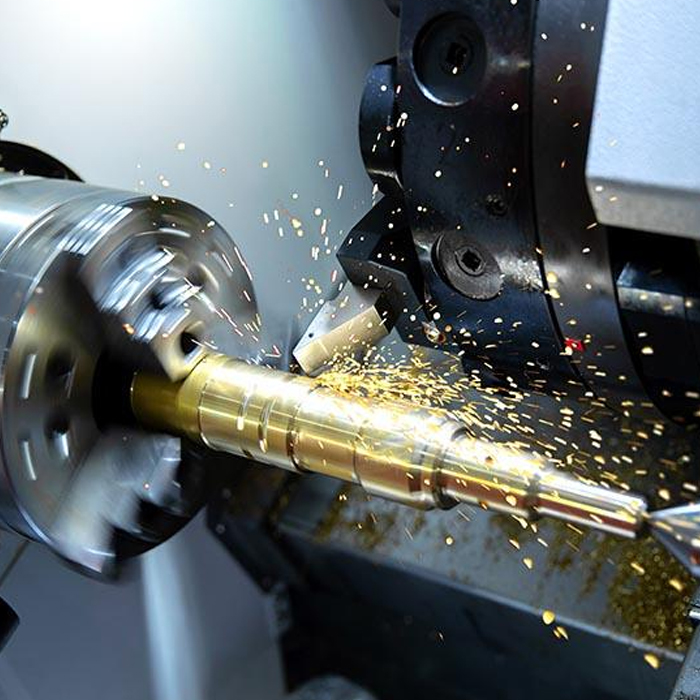
Types of Safety Systems on a Vertical Machining Center
Safety on a vertical machining center falls into three broad categories: mechanical guarding, control-based interlocks, and procedural infrastructure. Mechanical guarding includes full enclosures, side doors with safety switches, roof covers, and chip trays. On our MV1380 and MV1270 vertical CNC mills, standard enclosures wrap the entire machining envelope, yet many shops customize them further. For instance, when dealing with heavy castings, we often supply automated doors on a professional cnc machining center solution to keep the operator away from the spindle zone during roughing cycles.
Control-based interlocks are the second layer. Every VMC machine should have at least two independent emergency stop circuits, position verification on the tool changer door, and spindle speed monitoring that trips if there’s sudden contact. More advanced vertical CNC equipment includes load monitoring on axes – if the table hits an obstruction, the servo drive cuts torque in under 3 milliseconds. The third category, procedural infrastructure, covers everything from maintenance lockout procedures to floor marking for work envelope clearance. Together, these three types form a safety net that catches errors before they become injuries.
Features That Make a Vertical CNC Mill Safer to Run
A vertical CNC mill isn’t safe just because it has doors. Several specific features drastically cut accident rates. First, the enclosure’s window material. We’ve seen shops replace polycarbonate windows with cheaper acrylic after a crack – that’s a massive risk. Genuine polycarbonate (at least 6 mm thick) resists flying inserts and broken end mills. Second, the coolant delivery system. High-pressure through-spindle coolant, typical on a vertical machining center, forces chips into the tray and away from the operator. It also prevents stringy chips from wrapping around the tool and being flung outward.
Third, the door interlock mechanism. The VMC should refuse to start the spindle or move axes if the door is open beyond a safe gap. On a MAKCNC vertical cnc machining center mv1270, dual-channel magnetic sensors read door position. If one channel fails, the control throws a fault. Fourth, the chip conveyor’s safety covers. Screw-type and belt-type conveyors must have interlocked covers that prevent access while moving. Fifth, tool break detection. A broken tool flying out of a vertical CNC machine is one of the most common yet preventable accident causes. Contact probes or laser sensors halt the cycle instantly on break detection. These five features aren’t optional extras – they are the minimum baseline.
Where Safety on Vertical CNC Equipment Matters Most
Applications with heavy interrupted cutting, large workpiece fixtures, or unstable material pose the highest risk. Oilfield pipe threading, for example, involves large diameters, inconsistent forgings, and high cutting forces. When our cnc pipe lathing to brazil was delivered, the customer had originally intended to run it without a reinforced enclosure. Their safety audit team mandated extra guarding after seeing toolholder stress during first cuts. Similarly, truss manipulator integration – as shown in the project of truss manipulator applied in vertical cnc machining center – introduces a separate robot zone that must be hard-guarded and interlaced with the VMC’s safety PLC. In these scenarios, standard factory doors aren’t enough; the whole cell needs to be risk-assessed as one unit.
Heavy lathe operations on high quality and durable cnc lathe models share the same chain of concern. Large workpieces can shift during clamping if fixtures aren’t staged correctly, and a vertical CNC machine doesn’t care whether it’s cutting metal or human tissue. The most underrated danger area is the rear of the machine where maintenance crews access the electrical cabinet and hydraulics. Lockout-tagout procedures here are non-negotiable. We insist every vertical machining center we ship comes with a dedicated maintenance lockable isolation switch right on the enclosure, not buried in a remote panel.
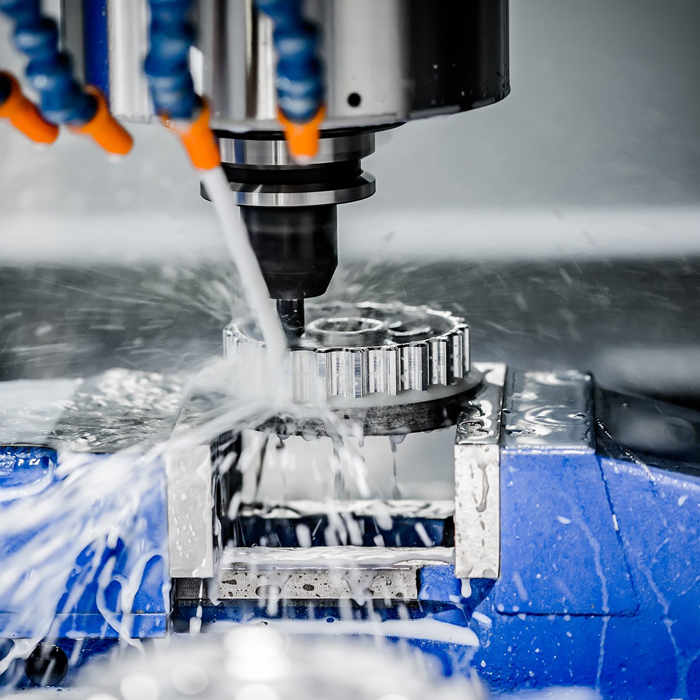
What Influences the Price of Safety-Ready Vertical CNC Machines
Vertical CNC machine pricing is heavily influenced by the safety package, not just the spindle horsepower. A basic open-machine vertical CNC mill might list lower, but the cost of retrofitting compliant CE or ISO 13849 guards, interlocks, and emergency circuits often exceeds the initial price gap. Four main factors push the price of safety-ready vertical CNC equipment upward: enclosure certification level (e.g., fully welded steel vs. bolt-on sheet metal), the number of independent safety zones (some customs require separate zones for pallet changer and operator door), the safety PLC integration (a dedicated safety controller costs more than simple relays), and the quality of component redundancies (dual-channel versus single-channel sensors).
Customized guarding for special applications – like oversized workpieces that need a roof sliding cover – adds between 8% and 15% to the base machine price. Installation commissioning from a supplier that actually configures the safety logic, tests it, and documents it isn’t cheap either. We regularly quote customized cnc machines and machining centers from makcnc with full safety integration, and the split is roughly: 60% mechanical machine, 20% control and safety system, 20% application-specific tooling and guarding. Buyers should see these numbers not as cost but as risk transfer. One serious accident can exceed the entire machine investment in downtime and liability.
Using a Vertical CNC Machine Safely – The Daily Operator Guide
Safety begins before the power-up. Operators must walk around the vertical machining center and check three things: the E-stop buttons release cleanly (no sticky buildup), the door interlock LED signals are green, and the chip tray is clear of built-up swarf that could ignite or unbalance. When powering on the VMC machine, let the control fully boot before releasing any emergency stop. Rushing this sequence can mask a stuck contactor. Before the first cycle, run a dry program with the door open in manual pulse generator mode at low speed, verifying tool paths avoid fixtures and clamping hardware.
During automatic operation, never override door interlocks. We’ve seen workshops tape magnets to door sensors to keep the machine running for setup visibility. It’s terrifying and causes amputations. If you must observe a finish pass up close, use a vertical cnc machining center mv970 with a secondary viewing window or a camera system. Chip management is another daily ritual. Hot chips accumulate behind the vise and can fall onto cables or hydraulic hoses. Use chip hooks – never bare hands – and shut off the conveyor before clearing. Tool changes must only happen after confirming the carousel has returned to safe position and the magazine door locked.
End of shift procedures matter equally. Power down the spindle, then shut off coolant so residual fluid doesn’t pool overnight. Engage the mechanical spindle lock if the machine will be unattended. Wipe down all glass panels with a non-abrasive cleaner; a scratched window reduces operator visibility and invites mistakes the next morning. Log any irregular noises or axis deviations into the maintenance log immediately. A VMC machine doesn’t fix itself. These daily steps don’t require heroic effort – they require consistency.
MAKCNC as a Vertical CNC Machine Supplier Committed to Shop Safety
Choosing a supplier who designs with safety as a core requirement, not an afterthought, changes the factory’s risk profile permanently. About makcnc, professional cnc lathing machine manufacturer – our engineering team integrates safety from the first CAD sketch. The machine base weldments incorporate reinforced anchorage points for custom enclosures. Control cabinets house separate safety PLC modules that can interface with factory-wide emergency stop networks. Even our smaller vertical machining center series, like the MV1160, comes with pre-wired dual-channel door switches, a 24V safety relay, and a protective earth scheme designed for IEC 60204-1 compliance.
Our global CNC machinery cases illustrate this commitment. In one project, a cnc machine in austrilia was installed without incident and passed local safety inspections on the first day because all documentation – circuit diagrams, safety function test protocols, and risk assessment reports – shipped with the machine. For a cnc pipe lathe in iran, we supplied additional interlocked perimeter fencing with laser area scanners, all integrated into the machine’s safety controller. These aren’t one-off deals; they are our standard approach. If you are searching for a vertical CNC machine supplier who treats safety as a deliverable, not a checkbox, contact us for the latest product quotation. We will propose a vertical machining center with the exact guarding, interlocks, and user documentation your operation requires.
FAQ of Vertical CNC Machine Safety
How to operate a vertical CNC machine safely?
Start with a complete walk-around checking E-stops, interlocks, and chip trays. Boot the control fully before releasing emergency stops. Dry-run programs at low speed with the door closed, never override door safety switches. Use chip hooks for swarf removal, keep the viewing window clean, and log any anomaly immediately after the shift. Formal operator training on the specific VMC machine model is indispensable – generic CNC knowledge isn’t enough.
What safety features does a vertical CNC machine need?
A properly equipped vertical CNC mill needs full enclosures with impact-resistant polycarbonate windows, dual-channel door interlocks, at least two independent emergency stop circuits, tool break detection, spindle load monitoring, chip conveyor safety covers, and a lockable main isolation switch for maintenance. Safety PLC integration is strongly recommended over simple relay logic to allow flexible zone configuration.
How to reduce accidents around a VMC machine?
Accident reduction on a VMC machine comes from controlling three factors: engineering controls (guarding, interlocks, tool monitoring), administrative controls (daily checklists, maintenance lockout, restricted access zones), and behavioral discipline (no overrides, consistent PPE, open reporting of minor incidents). Integrating the VMC into a factory-wide safety system – like linking it to e-stop loops for nearby robots – further reduces isolated risks.
Is a vertical machining center safer than a horizontal one?
Both can be equally safe when properly guarded, but the vertical machining center offers inherent chip drop advantage and better operator visibility into the cut. This visibility often leads to earlier problem detection, reducing reactive risks. Horizontal machines throw chips sideways and require more elaborate guarding for the same safety level. The safer machine is whichever one has a properly maintained safety system – orientation alone doesn’t guarantee protection.