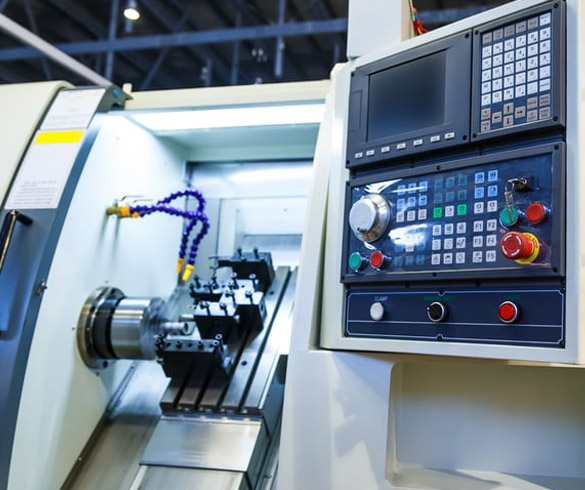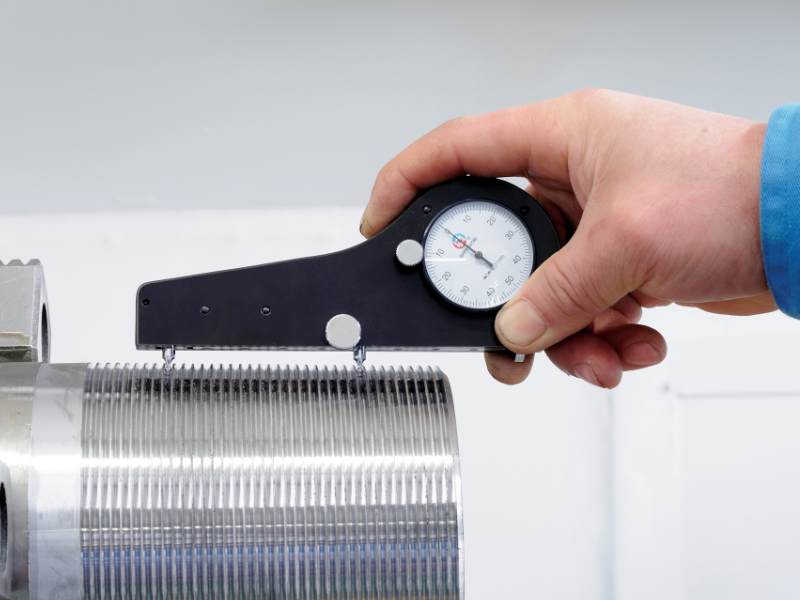
What Does a Flat Bed CNC Lathe Cost to Import?
The biggest financial mistake when importing a Flat Bed CNC Lathe isn't overpaying for the machine; it's underestimating the total landed cost. The ex-works price you see on a quote is only the beginning. Forgetting to budget for freight, duties, local handling, and commissioning can turn a profitable investment into a financial burden. Before you can accurately compare supplier proposals, you must understand every line item that stands between the factory floor and your facility.
This guide breaks down the complete cost structure for importing a CNC machine. We will move from the base price of the equipment to a full landed-cost model, helping you create a realistic budget and avoid unexpected expenses. This detailed analysis ensures you can make a purchasing decision based on total value, not just the initial price tag.
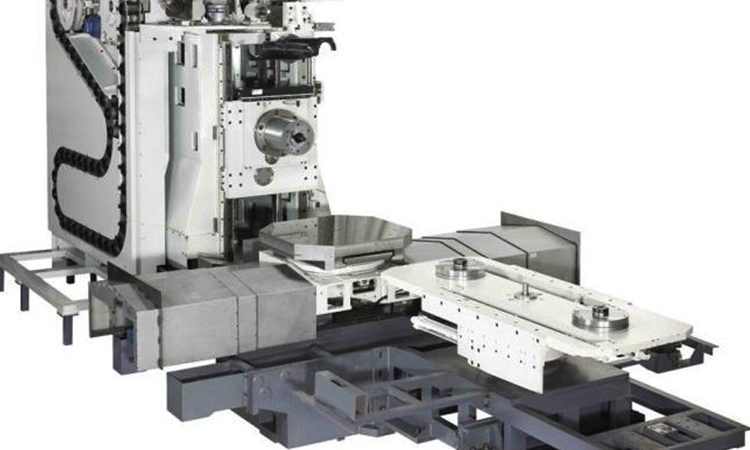
Understanding the Base Price of a CNC Lathe
The initial quote for a Flat Bed CNC Lathe is determined by its core engineering, materials, and components. This base price reflects the machine's capability, precision, and durability. Several key factors directly influence this figure, and understanding them helps you evaluate if the specifications justify the cost. A machine's value is rooted in its construction and the quality of its parts.
The primary cost drivers include:
- Machine Body and Construction: We build our machine bodies from high-strength cast iron, such as resin sand castings. This material provides excellent vibration damping and thermal stability. Each casting undergoes an aging and stress-relieving process to ensure it maintains its geometric accuracy for years of service, forming a rigid foundation for precision work.
- Core Drive Components: The accuracy and reliability of a lathe depend heavily on its motion system. We utilize high-precision ball screws and linear guideways sourced from reputable German and Taiwanese brands. These components ensure smooth movement and precise positioning, which are essential for achieving tight tolerances.
- Spindle and Motor: The power, speed range, and torque of the main spindle are critical performance indicators. The cost varies based on the size of the spindle bore, the motor's horsepower, and the complexity of the headstock design.
- Control System and Software: The CNC controller is the brain of the machine. Advanced control systems with features like intelligent feed-forward and quadrant glitch compensation, designed to eliminate over-cutting and chatter marks, add significant value and are vital for high-precision industries like mold making.
- Size and Capacity: Larger machines with a greater swing over the bed and a longer distance between centers require more material and more robust components, directly increasing the base price.
Calculating Your Total Landed Cost: A Step-by-Step Breakdown
The ex-works price is just one part of your total investment. To create an accurate budget, you must account for all expenses required to get the machine from our factory to yours, fully operational. A landed cost model separates these expenses into clear categories, preventing surprises. Below is a checklist to guide your financial planning.
| Cost Category | Description | Cost Type |
|---|---|---|
| Machine Base Price | The price of the Flat Bed CNC Lathe as configured, before any options or shipping. | Confirmed (On your quote) |
| Optional Accessories | Costs for items like steady rests, follow rests, larger chucks, or specialized tool posts. | Confirmed (On your quote) |
| Export Crating & Packing | Professional, seaworthy crating to protect the machine during transit. Usually a fixed fee. | Confirmed (On your quote) |
| Freight (Ocean or Air) | The cost to transport the machine from the port of origin to the port of destination. This requires a quote from a freight forwarder. | Estimated (Requires 3rd party quote) |
| Transit Insurance | Insurance covering potential damage or loss during shipping. Highly recommended. | Estimated (Requires 3rd party quote) |
| Import Duties & Tariffs | Taxes levied by your country's customs authority, based on the machine's value and its Harmonized System (HS) code. | Variable (Check local regulations) |
| Local Taxes (VAT/GST) | Value-added tax or goods and services tax applicable in your country. | Variable (Check local regulations) |
| Customs Brokerage Fees | Fees paid to a licensed broker for handling customs clearance paperwork and procedures. | Estimated (Requires 3rd party quote) |
| Port & Terminal Handling | Charges at the destination port for unloading the container, storage, and loading onto a truck. | Estimated (Varies by port) |
| Inland Transportation | The cost of trucking the machine from the destination port to your facility. | Estimated (Requires 3rd party quote) |
| Installation & Commissioning | Costs for on-site setup, leveling, testing, and training, if not included in the purchase price. | Variable (Confirm with supplier) |
Common Mistakes to Avoid When Budgeting for a CNC Lathe Import
Accurate budgeting requires foresight. Many first-time importers focus heavily on the machine's price and freight costs, only to be caught off guard by other significant expenses. Avoiding these common oversights will protect your budget and timeline.
- Mistake 1: Misunderstanding Incoterms. The trade term (e.g., EXW, FOB, CIF) on your quote defines who is responsible for costs and risks at each stage of shipment. An EXW (Ex Works) price does not include the cost of transporting the machine to the port, whereas a CIF (Cost, Insurance, and Freight) price does. Always clarify which Incoterm is being used to understand exactly what you are paying for.
- Mistake 2: Forgetting Local Logistics. The final leg of the journey—from the destination port to your factory—can be expensive. It often requires specialized rigging equipment and a heavy-haul truck. Get quotes for this "last mile" delivery early in the process.
- Mistake 3: Overlooking Site Preparation Costs. A heavy industrial machine needs a proper foundation. You may need to pour a new reinforced concrete pad to support the weight and dampen vibrations. Additionally, verify the machine's power requirements (voltage, phase, amperage) and budget for any necessary electrical upgrades by a qualified electrician.
- Mistake 4: Ignoring Tooling and Workholding. The machine itself is only part of the solution. Remember to budget for the necessary chucks, jaws, cutting tools, tool holders, and other workholding devices needed to make your parts. These costs can add up quickly.
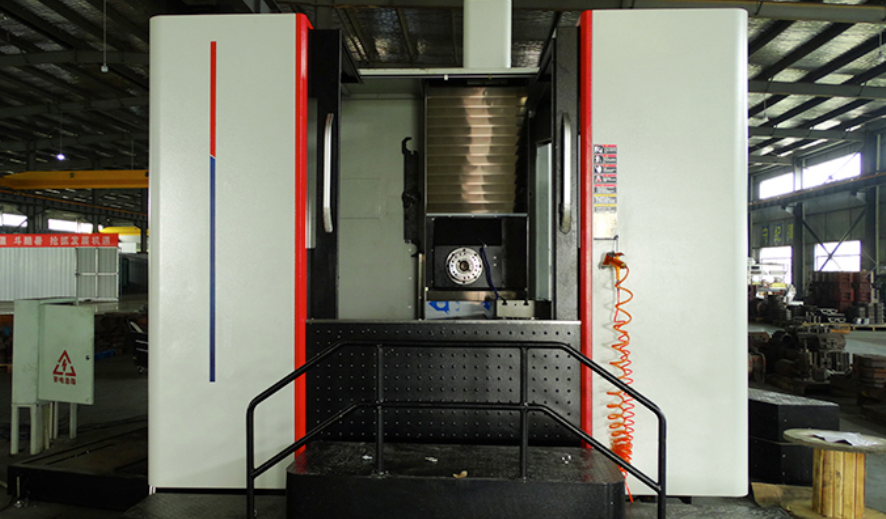
Applications and Capabilities of MAKCNC Machines
Our machines are engineered to deliver precision and rigidity across various manufacturing environments. The specific design choices we make translate directly into superior performance for demanding applications. Whether you are producing complex one-off parts or small-to-medium batches, our equipment provides a reliable platform.
For the high-precision mold and die industry, our integration of advanced control technologies is key. Features like intelligent feed-forward control anticipate the tool path, while quadrant glitch compensation ensures smooth transitions between axes. These systems work together to effectively solve common machining flaws such as "over-cut marks," "quadrant lines," and "chatter marks," resulting in a superior surface finish that reduces or eliminates secondary polishing operations.
For job shops focused on high-mix, low-volume production, efficiency is paramount. Our machines are designed with the rigidity and versatility to perform multi-sided machining in a single clamping. This capability minimizes setup time, reduces the chance of operator error from re-fixturing, and improves overall part accuracy. The foundation of this capability is the high-strength, stress-relieved cast iron body, which provides the static and dynamic stiffness needed for heavy and precise cuts.
Your Trusted Flat Bed CNC Lathe Supplier
Since our founding in 2016, MAKCNC has been dedicated to manufacturing high-performance CNC machinery for the global market. Our operations are managed within an ISO 9001:2015 certified system, ensuring consistent quality and process control from raw material inspection to final machine testing. More information is available for those who want to learn about MAKCNC, professional cnc lathing machine manufacturer.
We believe in building machines that last. That is why we use robust, stress-relieved cast iron structures and integrate high-precision drive components from leading German and Taiwanese suppliers. This focus on quality materials and system-wide optimization means you get a machine built for long-term accuracy and reliability. We understand that every business has different needs, so we offer flexible procurement options. There is no rigid minimum order quantity; you can purchase a single machine. For clients purchasing multiple units, we can provide more favorable commercial terms regarding price, delivery, or after-sales support.
Our commitment extends beyond the sale. A standard 12-month warranty is included after machine acceptance, and we provide lifetime paid service. Our established after-sales network is structured for a fast response, typically within 8 hours, and on-site support within 48 hours to address any issues.
Frequently Asked Questions (FAQ)
What is the typical lead time for a Flat Bed CNC Lathe?
Our standard lead time ranges from 1 to 6 months, depending on the specific machine configuration and our current production schedule. We maintain a stock of sample machines which may be available sooner.
Do you have a minimum order quantity (MOQ)?
We do not have a strict MOQ. Single-unit purchases are welcome. However, placing a bulk order for multiple machines may qualify you for better commercial terms, such as improved pricing or priority scheduling.
What kind of warranty and after-sales support do you provide?
All machines come with a standard 12-month warranty after final acceptance. We also offer lifetime paid technical support and service. Our support network commits to an 8-hour response time and a 48-hour on-site arrival time for troubleshooting.
How do you ensure the long-term precision of your machines?
We achieve long-term precision through a combination of superior materials and meticulous engineering. The machine bodies are made from high-strength, stress-relieved cast iron to prevent deformation over time. We also use high-grade ball screws and guideways from established German and Taiwanese brands to ensure lasting accuracy.
For a detailed quote that includes all the necessary line items for an accurate import budget, please send your technical requirements to our team.