
Automatic CNC Machine Parts Process and Benefits
Automatic CNC Machine Definition
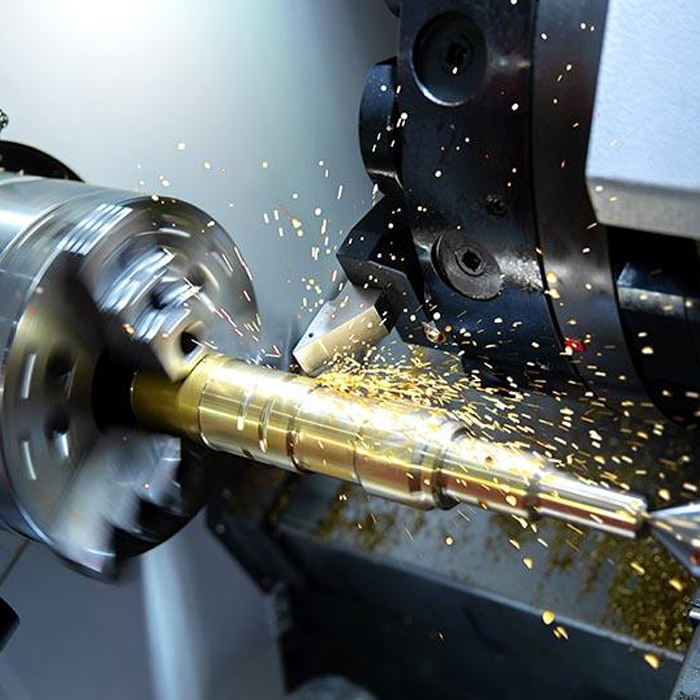
An Automatic CNC Machine is a computer-controlled manufacturing tool that moves cutting instruments and workpieces without constant human intervention. In a standard factory, a machinist might have to load raw stock, start the cycle, measure dimensions, and swap tools by hand several times per shift. An automatic CNC machine changes that rhythm. It takes a stream of G-code instructions and runs through roughing, finishing, drilling, and tapping sequences on its own. The controller reads coordinate data, spindle speed, and feed rate, then tells the servo motors exactly how to move. At the same time, hydraulic or pneumatic fixtures clamp the part, tool changers rotate fresh inserts into place, and chip conveyors pull waste out of the cutting zone. Many systems also include a bar feeder or a robotic arm that picks and places blanks, turning the machine into a small production cell. We’ve seen shops cut their per-part cycle time by 40% just by moving from a manual CNC setup to an automated one, because the machine no longer waits on an operator to open a door.
Types of Automatic CNC Machining Systems
Factories usually group automatic CNC machining systems by the shape of the part and the way material is removed. A vertical machining center holds the workpiece on a table while the spindle comes down from above. This layout works well for flat plates, housings, and multi-faced prismatic parts. Horizontal machining centers, like those in MAKCNC’s lineup, orient the spindle parallel to the floor and often pair with a pallet changer so one part runs inside the enclosure while the operator loads another outside. That parallel loading alone can boost machine utilization past 85%. Gantry-type machines put the cutting tool on a bridge structure and move the table below—useful when every minute of spindle-on time counts on oversized aerospace frames. For cylindrical work, automatic CNC lathes come in flat-bed and slant-bed configurations, many with a sub-spindle and live tooling so you can turn, drill, and mill in a single clamping. MAKCNC also builds heavy-duty cutting lathes and oilfield-specific models that leave a manual lathe in the dust once the bar feeder is dialed in. Choosing among these types really comes down to part geometry and batch size.
Features of Automated CNC Equipment
Automated CNC equipment stands out first by how little it asks from a machinist. A tool magazine holding 24 or 30 holders lets the control call up an end mill, spot drill, or boring bar without anyone touching a wrench. Spindles on these machines regularly spin up to 12,000 rpm on milling centers and 4,000 rpm on heavy lathes, delivering enough surface footage for modern carbide tooling. Thermal compensation loops built into the controller monitor temperature drift and nudge the axis encoders by a few microns, so a part cut at 8 a.m. matches one cut at 3 p.m. Chip management is another underrated feature: automated chip conveyors and coolant-through-tool systems stop the mess from turning into a reason for downtime. We’ve measured repeatability on a well-maintained automatic CNC machine at ±0.005 mm across a batch of 500 steel couplings. On the software side, conversational programming and USB/Ethernet connections mean the operator can pull a program from a server, press cycle start, and walk over to the next cell. When a sensor catches a broken insert, the machine can trigger a sister tool and continue cutting without lighting up an alarm on the entire production line.
Applications of CNC Production Systems
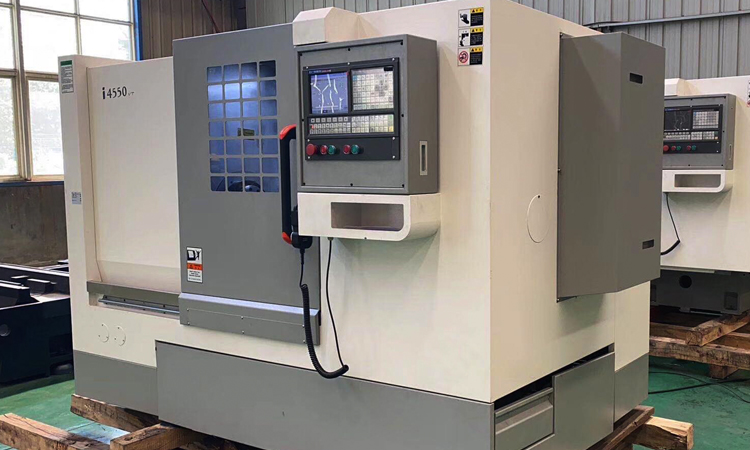
CNC production systems powered by automatic CNC machines show up wherever repeatable accuracy matters. In consumer electronics, these cells mill aluminum frames so thin and flat that plating later takes minutes instead of hours. Automotive tier suppliers lean on them for transmission valve bodies, steering knuckles, and turbocharger housings; a single horizontal machining center can chew through 2,000 castings a day when tool monitoring keeps the cycle rolling. The oil and gas sector depends on heavy-duty CNC Lathing Machine models to cut API threads, drill collar connections, and mud motor components from large-diameter alloy barstock. MAKCNC’s oilfield lathes, for example, handle stock up to 800 mm in diameter and 3 meters between centers, hitting thread profiles that manual threading could never match in a single shift. Aerospace shops run automatic five-axis machines on titanium landing gear ribs where a single scrap part costs more than the monthly lease on the equipment. Agricultural machinery builders and chemical plant equipment suppliers rely on these systems for pumps, valves, and gearboxes. Even water conservancy projects use large gantry CNC units to fabricate turbine housings, cutting weeks off the old manual layout-and-weld routine.
Industrial CNC Automation Supplier
An experienced industrial CNC automation supplier provides more than a machine price list. MAKCNC operates with six main series in its catalog: vertical machining centers, horizontal machining centers, gantry processing centers, heavy-duty cutting lathes, CNC oilfield lathes, and general CNC lathes. The engineering team sizes the spindle motor, tool magazine, and axis travel for the actual parts a buyer plans to run, not just a datasheet. We spend a fair chunk of our pre-sale time talking about foundation requirements, power supply, and the ideal chip conveyor layout because those details determine whether a machine hits full output within the first week or sits half-idle. Every machine ships with a complete G-code sample library and parameter backup, and our service engineers are reachable through a messaging channel that cuts troubleshooting time to hours instead of days. If you are searching for an automatic CNC machine supplier who treats post-installation support as a core deliverable, reach out to our team for a detailed conversation.
Automatic CNC Machine Price
Automatic CNC machine price tags spread across a wide band, roughly $18,000 for a compact slant-bed lathe with a basic bar feeder, climbing past $80,000 for a 3-axis vertical machining center with a pallet pool, and jumping to $250,000 or more for a large horizontal machining center with a six-pallet changer and probing. A few conditions move the number most. Spindle horsepower and torque, magazine capacity, and axis travel set the baseline. Adding package options—high-pressure coolant, chip management, robotic part loading, or a second gantry gripper—increases the figure by 15% to 40%, but often slashes per-part labor cost enough to earn back the premium inside 14 months. Where the machine is shipped matters too; ocean freight, import duties, and last-mile rigging add a separate line on the quotation. Spare parts kits and control software licenses are smaller items that show up only when someone asks for a turnkey package. Our team quotes ex-works and CIF side by side, so a purchase manager can weigh the landed cost against local financing rates. Because lead time varies with factory load, we advise buyers to lock the configuration early and then fine-tune the accessory list rather than shopping only by headline price.
Automatic CNC Machine User Guide
Bringing an automatic CNC machine into production starts long before the spindle turns. Foundation design matters: a heavily ribbed cast-iron base needs a concrete pad thick enough to dampen vibration, and a rushed installation on thin flooring leads to chatter that throws off surface finish. We typically send a foundation plan with the purchase order, specifying anchor bolt patterns and recommended curing time. Electrical supply must match the drive requirements; a 30 HP spindle and coolant pump draw enough inrush current that undersized wiring trips breakers mid-cycle. Once the power is sorted, the initial leveling and alignment should be done with a precision level and then rechecked after 48 hours. Programming can start right away if the shop has a CAD/CAM seat, but for high-mix production a lot of users park a laptop next to the machine and tweak macros on the floor. Tool setting probes and laser tool breakage detection are worth the setup time: calibrate them with the manufacturer’s procedure, and then run a warm-up program every morning to bring the spindle bearings and ballscrews to a stable thermal state. Preventive maintenance means cleaning the way covers, checking way lube oil, and monitoring the coolant concentration weekly. Within the first three months, the operator team usually finds the rhythm that pushes utilization past 70% without sacrificing tool life.
FAQ of Automatic CNC Machine
How does an automatic CNC machine work?
An automatic CNC machine reads a part program written in G-code and translates each block into electrical signals. Servo motors move the spindle or turret along precisely defined axes while the controller checks the encoder feedback hundreds of times per second. Automated functions—tool changes, part loading, chip disposal—run through programmed logic sequences synchronized with the cutting cycle. A sensor system monitors for overload or tool breakage and can shift the machine into a safe state without an operator standing at the pendant.
What parts are used in an automatic CNC machine?
Core assemblies include the cast-iron bed/frame, linear guideways, ballscrews, servo motors, spindle cartridge, hydraulic chuck/collet system, automatic tool changer, control panel, and chip conveyor. Auxiliary automation parts like bar feeders, gantry loaders, part catchers, and probing systems integrate into the machine’s control network. All high-wear components—way wipers, tool holder retention knobs, belts, and filters—are considered service parts and should be stocked on site.
What are the benefits of automatic CNC machining?
Consistency tops the list: once proven out, a program makes the same cut on the 1,000th part as on the first. Labor cost drops because one machinist can oversee several cells. Throughput climbs when the machine loads itself during breaks and after hours. Cutting-parameter control and automated tool monitoring cut scrap rates and protect expensive workpieces. For repetitive jobs, the math is straightforward—fewer person-hours per part, tighter tolerances, and predictable delivery dates.
If you are exploring an automatic CNC machine line for your next capacity expansion, share your part prints and cycle time targets with MAKCNC. Our application engineers will propose a machine configuration matched to your factory floor and daily output goals.