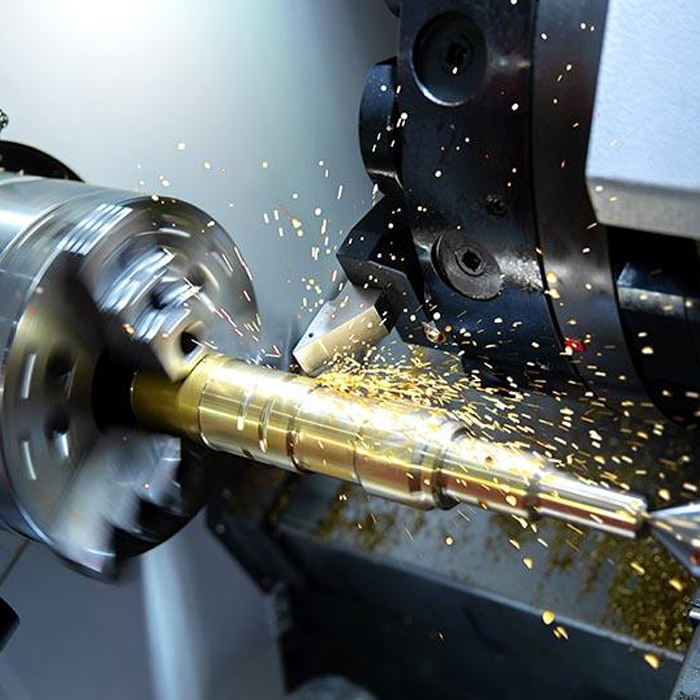
OEM CNC Machine vs Standard Models Key Differences
What Is an OEM CNC Machine
An OEM CNC Machine is a computer numerical control machine designed, configured, or adapted to a buyer’s specific production requirements instead of being supplied only in a fixed catalog specification. It may use a customer-selected spindle, control system, worktable, tooling package, hydraulic unit, chip conveyor, probing system, or automatic loading arrangement. A standard model is typically built with a preset combination of travel, motor power, control functions, and accessories. Both can machine metal accurately, but they address different purchasing needs. A standard option is often suitable when the workpiece range is predictable and the factory can work within the supplier’s existing configuration. An OEM project is a better fit when production volume, part geometry, cycle time, factory layout, or automation requirements demand a machine built around a defined process.
Types of OEM CNC Machines and Standard Models
Manufacturers usually compare several machine types before deciding on the right supply route. A standard CNC lathing machine is commonly used for shafts, flanges, bushings, threaded parts, and other rotational components. A vertical CNC machining center is well suited to plates, molds, housings, automotive parts, and general milling work, while a horizontal CNC machining center can improve chip removal and provide access to multiple workpiece faces. OEM configurations can also include CNC oilfield lathes for pipe threads and large-diameter petroleum components, heavy-duty cutting lathes for demanding roughing operations, gantry processing machines for oversized parts, and special-purpose cells with robotic loading. A distributor may favor standard models for faster quotations and simpler stock planning. An international factory with a repeatable production line may request a custom CNC machine that matches its existing tooling, material flow, and automation setup.
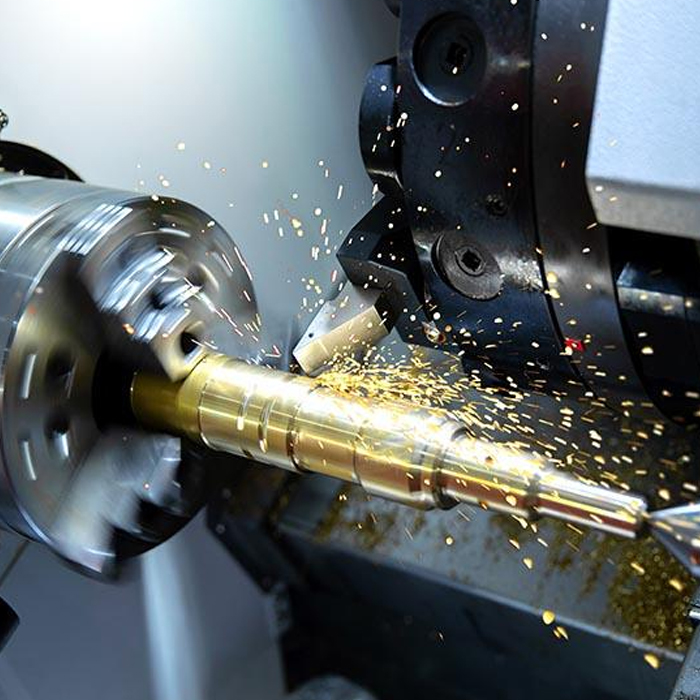
Features of OEM CNC Machines Compared With Standard Models
The main difference is not simply machine size or purchase price. It is the degree of control the buyer has over the complete working system. With OEM machining solutions, the purchaser can specify spindle speed, motor rating, axis travel, chuck size, tailstock design, coolant capacity, tool capacity, and the control interface. A standard machine generally provides a proven specification that can be delivered with fewer engineering discussions. OEM work may also include a special fixture, bar feeder, truss manipulator, automatic door, mist collector, parts catcher, or conveyor arranged for a particular part family. The machine builder must evaluate weight, vibration, power supply, software communication, floor space, and operator access. This planning takes longer, but it can prevent buyers from paying for functions they will not use or finding later that a basic machine cannot support the intended process.
Customization and Integration
CNC machine customization often starts with drawings, sample parts, material information, tolerance targets, annual output, and cycle-time expectations. Engineers then match the machine structure and drive system to the anticipated cutting load. Integration may involve a factory’s ERP or MES connection, barcode identification, automatic tool measurement, robot communication, or a dedicated fixture plate. For example, a bearing manufacturer may need a loading device that places rings in a fixed orientation and transfers finished parts to inspection. MAKCNC has documented the application of truss manipulator in bearing production, demonstrating why the loading method should be considered together with the machine itself. A standard model can still accept selected accessories, but the available options may be limited by the original frame, cabinet, and control architecture.
OEM CNC Machine Applications in International Manufacturing
Standard models suit job shops, maintenance departments, technical schools, and manufacturers that process a changing mix of parts. Their fixed specification makes operator training and replacement planning relatively straightforward. OEM equipment is more often selected for higher-volume production, export manufacturing, automotive components, agricultural machinery, aerospace subcontracting, mineral equipment, chemical machinery, petroleum parts, water-conservancy projects, and geological exploration tools. A CNC oilfield lathe may be configured for large pipe diameters, long workpieces, API-style threading requirements, and heavy chuck loads. A vertical machining center may be adapted for a fixture that holds several castings at once. A horizontal machine may be specified when four-sided access and efficient chip evacuation are important. For distributors, an OEM platform can create a differentiated private-label product line. For end users, it can reduce manual handling and align the machine with the actual production sequence.
When a Standard Model Is the Better Choice
Off-the-shelf equipment is not a low-grade option. In many situations, it is the practical choice when the buyer needs a proven machine within a short delivery window. A standard model can work well when parts fall within common dimensions, the available spindle and table capacity are sufficient, and no unusual communication or loading system is needed. It also makes supplier comparisons easier because several manufacturers may quote similar specifications. Spare parts are often easier to identify, and operators may already be familiar with the control system. Small workshops and distributors building general-purpose inventory may value this flexibility. If the planned work involves ordinary steel, aluminum, cast iron, or copper components using familiar tooling, the additional engineering cost of a fully tailored unit may not deliver enough benefit.
OEM CNC Machine Price and Total Ownership Value
The price of an OEM CNC Machine depends on far more than the base frame. Key cost factors include axis travel, spindle power, maximum workpiece weight, chuck or table size, control brand, servo capacity, tool magazine size, chip management, coolant filtration, probing, automation, special fixtures, electrical standards, packaging, installation, and operator training. A standard model may have a lower initial quotation because engineering and purchasing are based on an established design. A customized machine can cost more upfront, particularly when it requires new drawings, testing, or a dedicated automation interface. The right comparison should also include cycle time, labor requirements, expected uptime, energy use, tool consumption, maintenance access, rejected parts, and future expansion. A machine that costs 10 percent more but eliminates one manual loading position and removes 20 seconds from every cycle may deliver a stronger financial return across a three-shift operation.
International buyers should also account for logistics and compliance expenses. Voltage, frequency, language settings, safety guarding, documentation, export packaging, customs classification, and local service arrangements can all affect the delivered cost. A standard machine may be ready for shipment, while an OEM unit normally requires a longer approval period and factory acceptance test. Buyers should request a clear quotation that separates the machine body, accessories, software, tooling, installation, warranty, and spare parts. Ask whether the quoted cycle time is based on a real sample part or only a theoretical estimate. A written process study helps prevent later disputes because both parties can confirm tolerances, material, cutting tools, loading time, and inspection points before production begins.
OEM CNC Machine User Guide for Selection and Installation
Start with the workpiece, not the machine brochure. Prepare part drawings, material grades, blank dimensions, tolerances, surface-finish requirements, annual quantities, and current processing problems. Then identify the largest and smallest parts, the heaviest loading condition, the number of operations, and the required tool changes. Check whether the factory has three-phase power, compressed air, lifting capacity, coolant handling, and sufficient room for chip discharge and maintenance. For a standard machine, confirm that the table, chuck, spindle taper, axis travel, and tool magazine cover the full part range. For an OEM project, review the layout and interface drawings before manufacturing begins. During installation, level the machine, verify foundation conditions, connect utilities according to the supplier’s requirements, and run positioning and cutting tests. Train operators on work offsets, tool wear, alarms, lubrication, and safe recovery procedures.
Acceptance should rely on measurable criteria. Buyers can check dimensional accuracy on a test part, repeatability over several cycles, spindle temperature, tool-change operation, coolant flow, chip evacuation, door and guard functions, and communication with any robot or factory system. Keep records of parameter backups and approved tooling. For overseas installations, agree in advance on remote support, service response time, recommended spare parts, and the procedure for reporting a fault with photos, alarm codes, and program information. A standard model usually follows a simpler commissioning path. An integrated OEM cell requires more testing because the machine, fixture, robot, sensors, and software must perform as one production unit.
OEM CNC Machine Supplier for Global Buyers
Choosing the right supplier requires more than checking a machine’s maximum spindle speed. Review the manufacturer’s product range, engineering capacity, inspection process, export experience, documentation, and after-sales service. MAKCNC supplies CNC Lathing Machines, CNC Machining Centers, and CNC Machines across several product lines, including vertical machining center series, horizontal machining center series, gantry processing series, heavy-duty cutting lathes, CNC oilfield lathes, and general CNC lathes. The company’s recommended equipment focuses on high speed, high rigidity, high performance, and high efficiency for communication, consumer electronics, automotive, aerospace, minerals, agricultural machinery, chemical, petroleum, water conservancy, and geological exploration applications. Buyers can review professional cnc machining center solution options and compare them with turning equipment before requesting a project quotation.
A supplier should be able to explain which parts are standard, which parts are engineered for the buyer, and which components come from established control, spindle, hydraulic, or servo brands. Ask for layout drawings, technical specifications, inspection records, sample machining results, and references for similar applications. MAKCNC’s international project experience includes a cnc pipe lathing to brazil case and other exported machine applications. These examples can help purchasers assess whether the supplier understands export packing, local installation conditions, pipe machining, and communication with overseas teams. For additional company information, buyers can visit about makcnc, professional cnc lathing machine manufacturer.
How to Decide Between an OEM and Standard CNC Machine
Choose a standard model when the required process is common, the part range is broad, delivery speed matters, and the factory can organize work around the machine’s existing features. Consider an OEM machine when the part family is stable, production volume is high, labor reduction is a priority, or the machine must connect with fixtures, robots, inspection equipment, or factory software. The decision should also reflect the buyer’s maintenance capability. A highly tailored system can deliver strong output, but technicians need accurate manuals, spare-part lists, electrical diagrams, and training. Distributors should consider whether the configuration can be sold to more than one customer. A narrow specification may fit one contract perfectly but prove difficult to carry as general inventory. A modular OEM design often provides a practical middle ground by keeping the main machine standardized while adapting the fixture, tooling, loading, and software package.
FAQ of OEM CNC Machine
What is an OEM CNC machine
An OEM CNC machine is a computer-controlled machine supplied to meet a defined buyer or production-line requirement. It may be based on an existing MAKCNC platform, with selected elements changed or added for the application. These elements can include spindle power, chuck dimensions, table size, axis stroke, control functions, tool storage, coolant equipment, workholding, automation, safety guarding, and data communication. The term does not mean every component must be designed from the beginning. In many projects, the machine structure and core drive system remain proven standard assemblies while the working package is adapted to the customer’s parts. This approach can provide a better fit than a fixed catalog model without introducing unnecessary engineering risk.
How does OEM CNC machine customization work
The process normally starts with technical information from the buyer. This includes part drawings, materials, blank sizes, tolerances, target output, current cycle time, tooling plans, and factory conditions. The supplier reviews the process, recommends a machine platform, and prepares a preliminary specification and layout. After both parties confirm the design, the supplier completes engineering drawings, electrical details, software interfaces, and accessory selections. Sample cutting or a factory acceptance test may follow. The buyer should approve clear criteria for accuracy, cycle time, safety, and communication before shipment. Installation then includes leveling, utility connection, trial machining, operator training, and handover documents. Good CNC machine customization is a documented engineering process, not simply a request to add a larger motor or extra tool positions.
Is an OEM CNC machine better than a standard model
Neither option is always better. The right choice depends on the production challenge. A standard model may be better for a job shop that processes varied parts, needs fast delivery, and can use common fixtures and tooling. An OEM machine may be better for a factory producing one part family in large quantities, especially when automatic loading, special workholding, shorter cycle time, or system communication is required. Compare complete ownership value rather than only the purchase price. Consider labor, floor space, output per shift, maintenance, training, tooling, rejected parts, and future capacity. Buyers should also confirm the supplier’s support capability in the destination country. When customized functions solve a measurable production constraint, the higher starting cost can be justified.
Conclusion and MAKCNC Product Support
OEM and standard CNC machines are both valuable purchasing options. The difference lies in how closely the equipment matches the buyer’s process, factory, and long-term production plan. Standard models offer familiar specifications, easier comparison, and faster delivery. OEM machining solutions provide greater control over integration, automation, workholding, and cycle-time targets. MAKCNC can help international manufacturers and distributors compare a CNC lathing machine, vertical or horizontal machining center, CNC oilfield lathe, and other industrial CNC equipment according to part size and production needs. If you are looking for an OEM CNC Machine supplier, contact MAKCNC for the latest product quotation and a suitable technical proposal.