
CNC Machine Center Maintenance Checklist
CNC Machine Center Definition
A CNC machine center is a computer-controlled machine tool used for milling, drilling, tapping, boring, and related cutting operations from a programmed setup. A typical machine includes a spindle, tool magazine, worktable, guideways, ball screws, coolant system, lubrication system, electrical cabinet, and CNC control. Unlike a basic manual mill, it can complete multiple operations without transferring the workpiece to another machine. This reduces setup time, but it also means a maintenance issue can affect several accuracy points at once. Chips on a guideway, low way lubricant, or a worn tool holder can cause surface defects, positioning errors, or unexpected stoppages. A practical maintenance plan keeps each system clean, lubricated, inspected, and properly adjusted.
Types of CNC Machine Centers
Several types of machining centers are available for different workpiece sizes, materials, and production requirements. Vertical machining centers are widely used for molds, brackets, plates, housings, and general component work because the spindle is easy to access and the footprint is relatively compact. Horizontal machining centers are well suited to production lines that need efficient chip evacuation and machining on multiple sides. Gantry processing machines handle large or heavy workpieces, including steel structures, molds, and industrial frames. Five-axis centers machine angled surfaces and complex parts with fewer setups. Buyers may also compare CNC lathing machines, CNC machining centers, and dedicated CNC machines when planning a complete workshop. The right choice depends on spindle speed, table load, travel range, tool capacity, control system, and the material being cut.
Features of a CNC Machine Center
Modern machining centers are designed around precise positioning, controlled spindle speed, automatic tool changing, and repeatable axis movement. A rigid cast structure helps limit vibration during heavy cuts, while precision guideways and ball screws support stable movement over long production runs. Coolant removes heat and carries chips away from the cutting zone. The electrical cabinet protects drives, relays, and the control unit from dust and excessive heat. These systems work together, yet none eliminates the need for operator checks. A five-minute inspection at the start of a shift can uncover a blocked coolant nozzle, loose fixture bolt, unusual spindle sound, or low oil level before it turns into an expensive repair. Good CNC machine tool care is part of production control, not simply a cleaning task.
CNC Machine Center Applications
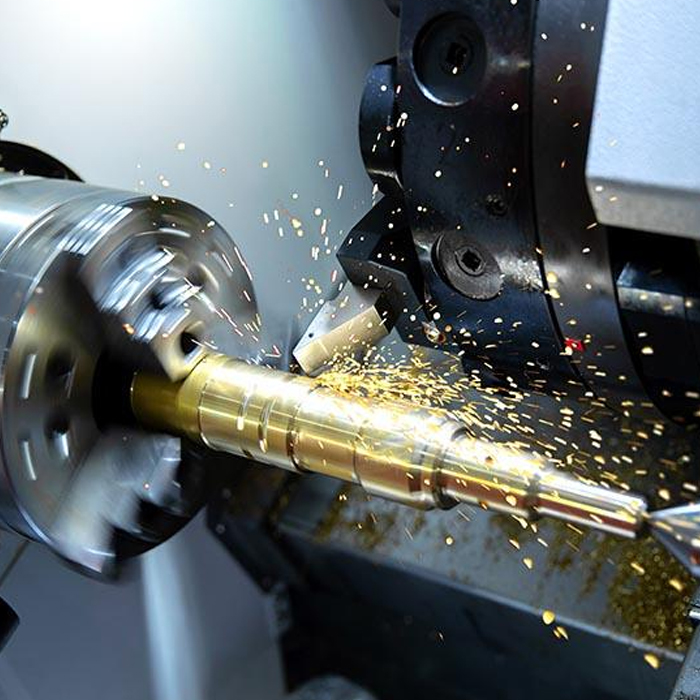
Machining centers are used for automotive parts, aerospace components, agricultural machinery, communication equipment, consumer electronics, energy equipment, petroleum tools, and general metalworking. A vertical model may produce an aluminum communication housing, a steel pump plate, or a precision fixture during the same shift. A horizontal model is useful for valve bodies and gearbox housings that need machining on several faces. In aerospace and medical work, stable temperature control and careful inspection help maintain tight tolerances. In agricultural and construction equipment production, machines often remove high volumes of steel, making chip removal, coolant condition, and spindle load especially important. Preventive service protects accuracy in both environments. It also allows managers to plan production instead of waiting for a spindle alarm or axis fault to halt an order.
CNC Machine Center Price Factors
The price of a machine center varies according to machine size, spindle power, travel range, table dimensions, control brand, tool magazine capacity, rotary or fourth-axis options, enclosure design, and automation level. A compact three-axis unit for aluminum parts will normally require a different budget from a large gantry machine built for heavy steel work. Buyers should also include installation, shipping, operator training, tooling, inspection equipment, coolant equipment, and spare parts in their budget. Maintenance cost is another important purchasing consideration. A machine with accessible lubrication points, clear alarm information, and readily available replacement parts can reduce service time over several years. When comparing offers, ask for the recommended machining center maintenance schedule, warranty terms, electrical requirements, accuracy test method, and technical support scope rather than focusing only on the initial equipment price.
CNC Machine Center User Guide
Before production begins, operators should read the machine manual, confirm the power supply, inspect the foundation, and verify that the machine is properly leveled. Use the specified lubricant and coolant; mixing unknown oils can damage seals or change lubrication performance. Secure the workpiece with the correct fixture and make sure the tool offsets match the program. Keep hands away from the cutting area while the spindle or automatic tool changer is moving. Do not open the electrical cabinet unless power has been isolated and a qualified technician is responsible for the work. At the end of a shift, remove chips with a brush or suitable chip tool rather than directing compressed air at seals and bearings. Record alarms, unusual noise, vibration, coolant changes, and completed service tasks in a logbook.
Daily CNC Machine Center Maintenance Checklist
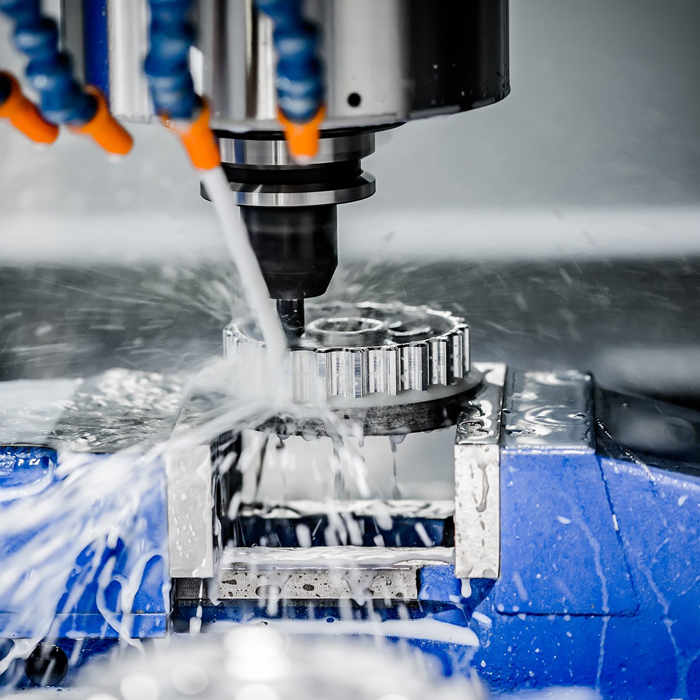
Daily inspection is the first level of CNC equipment maintenance. At the start of each shift, inspect the machine exterior, enclosure windows, door switches, worktable, fixture area, and chip conveyor. Remove chips from the table, covers, guideway areas, and drain channels. Check way lubricant, hydraulic oil, spindle oil, and coolant levels against the markings and requirements in the manual. Look at the coolant color and smell; tramp oil, excessive foam, or a strong odor may signal contamination or bacterial growth. Run the lubrication cycle if the control requires a manual command, then confirm that the pump operates normally. Listen for unusual spindle or axis sounds during warm-up. Check for oil, air, or coolant leaks around hoses and fittings. Verify that the emergency stop, interlock, indicator lights, and alarm display function correctly.
Daily Operator Checks
During production, monitor spindle load, cutting sound, surface finish, tool wear, and chip shape. A sudden load increase can point to a damaged insert, incorrect feed, poor workholding, or a developing mechanical issue. Keep coolant aimed at the cutting edge and make sure the nozzles have not shifted. After a tool change, check that the holder is clean and the tool is fully seated in the spindle. At shutdown, retract the axes to the recommended position, remove chips, wipe exposed surfaces, and empty the chip container when needed. Never allow chips to pack beneath telescopic covers or around the tool magazine. Operators should record the time and nature of any abnormal condition. A short, accurate note helps maintenance staff identify the cause more quickly.
Weekly CNC Machining Center Maintenance
Weekly CNC machining center maintenance should go beyond routine cleaning. Inspect guideway covers for dents, gaps, and trapped chips. Check the condition of wipers and seals, since damaged covers can allow abrasive material to reach guideways and ball screws. Clean the coolant tank screen, skimmer, and pump filter when the machine design permits it. Measure coolant concentration with a refractometer where the process requires a controlled mixture. Inspect air pressure, drain moisture from the air preparation unit, and check whether the filter element needs replacement. Examine tool holders, pull studs, collets, and the tool magazine for rust, impact marks, or buildup. Check fixture bolts, leveling pads, and visible cable carriers. Clean the electrical cabinet air filter and confirm that cabinet fans run without excessive noise.
Weekly Accuracy and Safety Review
Once a week, review recurring alarms, tool life records, spindle load trends, and rejected parts. If the same axis alarm appears repeatedly, do not simply reset it and continue production. Inspect the related limit switch, cable, lubrication point, and mechanical area. Check the zero-return position and compare a known reference dimension with the inspection record. This does not replace a formal accuracy test, but it can reveal a developing issue early. Confirm that safety labels remain visible and that the enclosure, door latch, emergency stop, and chip guards are intact. Managers should also review whether operators are following the cleaning procedure. Consistent CNC machine tool care is easier when the checklist assigns a named person, completion time, and supervisor sign-off.
Scheduled CNC Equipment Maintenance
Scheduled service should be based on operating hours, cutting conditions, machine design, and the supplier’s recommendations. Many shops use monthly, quarterly, six-month, and annual inspection intervals. Monthly work may include checking lubrication lines, coolant concentration records, air leaks, spindle taper cleanliness, and axis backlash indicators. Every three to six months, a qualified technician may inspect belt tension, drawbar force, spindle runout, ball screw condition, hydraulic pressure, electrical connections, and tool changer alignment. Annual service may include geometric accuracy testing, laser or ball-bar measurement, thermal behavior checks, control backup verification, and replacement of worn filters or seals. Heavy steel cutting, dusty environments, three-shift operation, and high-pressure coolant often require shorter intervals. The service history should include the date, machine hours, measured values, replaced parts, technician name, and recommended follow-up.
Machining Center Maintenance Schedule
A useful machining center maintenance schedule separates operator tasks, maintenance-team tasks, and specialist inspections. Operators can handle cleaning, fluid-level checks, visual inspection, and basic log entries. Maintenance personnel can service filters, lubrication pumps, coolant systems, cabinet fans, and mechanical fasteners after proper isolation. Authorized specialists should handle spindle repair, servo tuning, control faults, geometric correction, and major electrical work. Keep backup copies of CNC parameters, programs, offsets, and tool data before scheduled service. Before returning the machine to production, run a dry cycle, check tool changes, confirm coolant flow, and machine a test piece. This staged approach reduces the risk that a service task creates a new setup error or production defect.
How to Maintain a CNC Machine Center
To maintain a CNC machine center, begin with cleanliness, correct lubrication, controlled coolant, and accurate records. Use the machine manual as the final authority because oil grades, pressure values, filter intervals, and inspection limits vary by model. Do not overfill reservoirs or apply grease to points designed for automatic oil. Keep the spindle taper and tool holders free of chips, and use clean measuring equipment when checking runout or alignment. Train operators to recognize changes in sound, heat, vibration, surface finish, and alarm frequency. When a problem appears, stop safely, record the operating conditions, and inspect the machine before changing parameters at random. A preventive approach usually costs less than an emergency spindle replacement, a scrapped batch, or a missed delivery. It also helps preserve the accuracy that justified purchasing the machine in the first place.
CNC Machine Center Supplier
MAKCNC supplies CNC Lathing Machines, CNC Machining Centers, and CNC Machines for industrial buyers, distributors, workshops, and production companies. Our product lines include vertical machining center series, horizontal machining center series, gantry processing series, heavy-duty cutting lathe series, CNC oilfield lathe series, and CNC lathe series. Recommended machines are designed for high speed, high rigidity, high performance, and efficient operation across automotive, aerospace, petroleum, minerals, agricultural machinery, chemical, communication, and consumer electronics applications. When selecting equipment, we can discuss workpiece dimensions, materials, spindle requirements, tool capacity, automation, installation conditions, and service planning. If you are looking for a CNC machine center supplier, contact MAKCNC for the latest product quotation and technical details.
FAQ of CNC Machine Center Maintenance
What is included in a CNC machining center maintenance checklist
A CNC machining center maintenance checklist normally includes chip removal, guideway and cover inspection, lubricant and coolant checks, air pressure inspection, filter cleaning, spindle taper cleaning, tool holder inspection, leak detection, safety-device testing, alarm review, and service-record updates. Scheduled items may also include spindle runout, drawbar force, backlash, belt condition, hydraulic pressure, electrical cabinet temperature, and geometric accuracy. The exact list should match the machine manual, operating hours, cutting material, and working environment. A checklist is most useful when it identifies the inspection point, acceptable condition, person responsible, date, machine hours, and corrective action. A blank signature without measurements provides little maintenance value.
How often should a CNC machine center be serviced
A machine center should receive basic operator checks every shift, a more detailed inspection each week, and technical service at monthly, quarterly, six-month, or annual intervals according to the manufacturer’s instructions. A heavily used machine running three shifts or cutting abrasive materials may need shorter service intervals. Coolant condition, filter loading, lubrication consumption, spindle temperature, and alarm history can also show that service is needed earlier. Formal accuracy checks should be completed at planned intervals and after a collision, major repair, relocation, or serious vibration event. Always record machine hours rather than relying only on calendar dates. The correct interval is the one that matches actual use and keeps measured performance within the required production tolerance.
Why does preventive maintenance reduce CNC downtime
Preventive maintenance reduces downtime by finding small problems before they interrupt production. A blocked filter can be cleaned before a pump overheats. Low way oil can be corrected before guideways or ball screws suffer damage. A worn tool holder can be replaced before it produces a batch of out-of-tolerance parts. Service records also help technicians identify repeated faults instead of starting each repair without useful information. Planned maintenance can be scheduled during a production changeover, weekend, or another low-demand period. Emergency repair cannot always be planned and may involve lost labor, delayed shipments, replacement parts, and rework. For industrial buyers, the value of maintenance is measured not only by longer machine life, but also by predictable output and stable part quality.
Choose MAKCNC for Your Next Machine
A clear maintenance checklist protects machining accuracy, controls operating costs, and extends the useful life of a CNC machine center. Start with daily cleaning and fluid checks, add weekly inspections, and use machine-hour records to schedule specialist service. MAKCNC offers CNC Machining Centers, CNC Lathing Machines, and CNC Machines for different production requirements. If you are looking for a reliable CNC machine center supplier, contact MAKCNC to discuss your application and receive the latest product quotation.