What Is a CNC Machine Factory
What Is a CNC Machine Factory
A CNC Machine Factory is a production facility that designs, manufactures, assembles, tests, inspects, and prepares CNC equipment for delivery. For importers, distributors, and engineering buyers, the factory is more than a building filled with machine tools. It is where casting quality, assembly discipline, spindle performance, positioning accuracy, final inspection, and export documentation must come together. A factory visit or remote audit can reveal issues that a quotation cannot. Before requesting a final offer, ask how the supplier controls each production stage, who records inspection results, and how nonconforming parts are handled. A clear audit process reduces purchasing risk and gives your engineering team stronger information for comparing suppliers.
Types of CNC Machine Factories
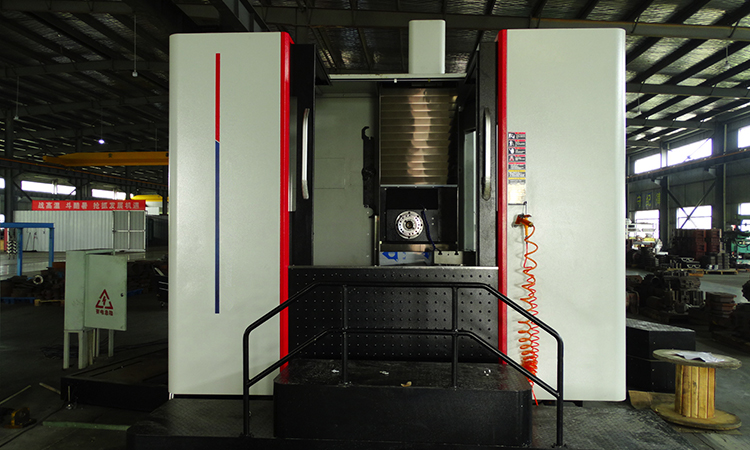
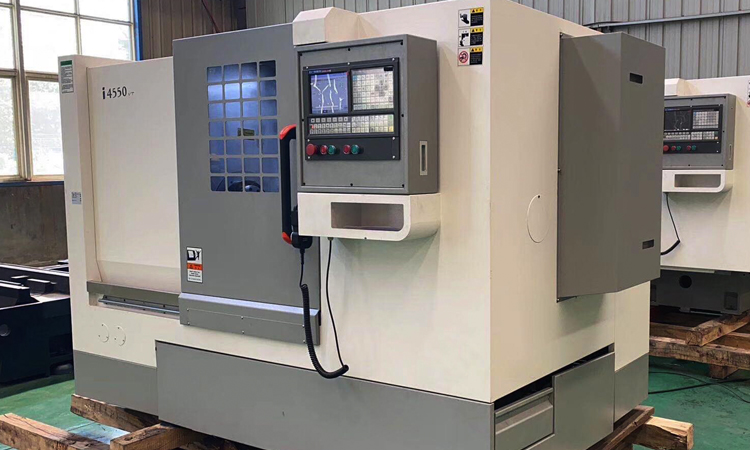
Types of CNC machine factories generally reflect the product families they build and the industries they serve. A factory may produce vertical machining centers, horizontal machining centers, gantry processing equipment, heavy-duty cutting lathes, CNC oilfield lathes, manual oilfield lathes, or general CNC lathes. MAKCNC lists six main product lines covering these categories. For buyers, the key question is not simply how many models appear in a catalogue. Check whether the production area, assembly process, inspection method, and technical staff match the machine category you plan to import. A factory producing a compact CNC lathe may not use the same process controls required for a large machining center. Ask to see the actual production line for your selected equipment, not only a showroom model.
Product type also affects the evidence you should request. For a vertical or horizontal machining center, review the machine structure, guideway installation, spindle assembly, tool-changing operation, and axis-movement checks. For a CNC lathing machine, examine the bed, chuck or workholding interface, turret assembly, tailstock where applicable, and chip-management arrangement. Oilfield applications may require a different discussion around long workpieces, threading functions, and operating conditions. The factory should explain which design options are available rather than presenting one machine as suitable for every task. You can compare product families through the professional CNC machining center solution and the company’s CNC lathing machine range before arranging a technical review.
Features of a CNC Machine Factory
The main features to inspect are process visibility, repeatable assembly controls, testing records, and clear responsibility. A credible CNC machine manufacturer should be able to show where castings are received or produced, where major components are machined, where subassemblies are fitted, and where finished machines are tested. Look for marked work areas, identifiable parts, controlled drawings, and inspection records linked to a machine or order. A clean display room is not enough. Ask the production manager to walk you through an active order and explain what happens when a measurement falls outside the drawing requirement. The answer should describe a documented decision, correction, and reinspection rather than an informal adjustment with no traceable record.
During a CNC factory audit, review six quality points in sequence. First, inspect casting surfaces for visible cracks, poor repairs, distortion, and inconsistent finishing; then ask how incoming or in-house castings are checked before assembly. Second, review assembly controls for guideways, bearings, screws, electrical cabinets, lubrication systems, and guarding. Third, ask how each spindle is run and tested before shipment, including the records retained by the factory. Fourth, request accuracy-verification results for axis movement, positioning, repeatability, and geometric relationships where those checks apply. Fifth, examine the final inspection sheet and confirm that the serial number, configuration, and measured results match the machine. Sixth, review export documentation, packing records, manuals, invoices, and shipping marks. This sequence helps distinguish real production control from a sales presentation.

CNC Machine Factory Applications
CNC machine production supports a wide range of manufacturing needs, so the audit should connect factory capability with your application. MAKCNC describes its products as suitable for communication, consumer electronics, automotive, aerospace, minerals, agricultural machinery, chemical, petroleum, water conservancy, and geological exploration fields. These sectors do not all require the same machine arrangement or process plan. An importer serving automotive workshops may focus on repeatable batch machining and service documentation, while an oilfield equipment distributor may focus on large workpieces, threading requirements, and machine configuration. Ask the CNC machine supplier to explain which model fits your intended parts, what options are included, and which items are supplied separately. Do not accept an application claim without reviewing the machine configuration behind it.
For an on-site inspection, bring drawings or representative part information whenever possible. The factory should discuss workholding, tool access, axis travel, spindle selection, chip removal, coolant arrangements, operator access, and maintenance points in relation to the part. If a test cut is proposed, define the material, tooling, program responsibility, measurement method, and acceptance record before the test begins. The purpose is not to demand numbers that have not been agreed upon. It is to see whether the engineering team asks the right questions and documents the result. If your project requires a special layout or integrated process, review the customized CNC machines option and request a written scope.
CNC Machine Factory Price
CNC machine price can vary according to machine type, size, control system, spindle arrangement, tooling, workholding, automation, electrical configuration, packaging, and destination requirements. A low quotation may exclude items that another supplier includes as standard. Compare offers line by line instead of comparing only the headline price. Ask whether installation guidance, manuals, test records, spare parts, special voltage requirements, export packing, and shipping documents are included. The buyer should also separate the machine price from optional accessories and site costs. A good quotation identifies the exact model, configuration, quantity, payment terms, delivery basis, warranty terms, and documents supplied. This makes factory comparisons fairer and reduces the likelihood of later disputes.
Price should also be checked against production evidence. During a factory review, ask whether the quoted machine is already in production, assembled from stock components, or still subject to engineering changes. Confirm that the commercial offer matches the model shown during the inspection. If the supplier proposes a lower-cost substitute for a control, spindle, guideway, chuck, electrical part, or accessory, request written approval before purchase. An export buyer should not treat a low price as proof of efficiency, just as a high price does not automatically prove better quality. The useful comparison is the relationship between specification, process control, inspection evidence, service support, and total landed cost.
CNC Machine Factory User Guide
A practical user guide starts before the machine leaves the factory. Confirm installation conditions, lifting points, foundation or floor requirements, power details, coolant arrangements, ventilation, and operator access with the supplier’s engineering team. The factory should provide manuals and explain the control interface, lubrication checks, tool or workholding procedures, cleaning points, alarm handling, and routine maintenance. Ask which activities must be completed by the buyer and which can be supported remotely. Before shipment, request photographs of the completed machine, nameplate, electrical cabinet, accessories, packing condition, and documents. These records help the receiving team compare the delivered equipment with the approved order.
For remote acceptance, use a live video inspection when an in-person visit is not practical. Ask the CNC machine manufacturer to show the machine serial number, assembly area, spindle operation, axis movement, control screen, safety devices, and final inspection documents. Keep the session focused on agreed checkpoints. Your team can record questions and request close views of labels, interfaces, and measurement sheets. Remote review does not replace a formal inspection, but it can expose configuration differences before dispatch. After installation, follow the supplier’s procedures for leveling, connection, lubrication, warm-up, test operation, and operator training. Avoid allowing untrained personnel to change parameters without technical approval.

CNC Factory Audit Scorecard
Use a written scorecard so the same questions are asked of every candidate. For casting quality, record the casting source, visible condition, machining-allowance controls, storage method, and inspection evidence. For assembly controls, record how parts are identified, how critical fits are checked, and how torque, lubrication, wiring, and alignment work are documented. For spindle testing, record the test procedure, run-in method, vibration or temperature observations where measured, and approval authority. For accuracy verification, record which geometric and axis checks are performed, what instruments are used, and whether results are linked to the machine serial number. For final inspection, confirm that the machine operates in its quoted configuration and that open defects have a documented disposition. For export documentation, verify packing lists, manuals, invoices, certificates of origin where required, shipping marks, and any customer-specific documents.
| Audit area | Evidence to request | Buyer decision |
|---|---|---|
| Casting quality | Receiving checks, repair records, storage controls, visible inspection | Accept, clarify, or require corrective action |
| Assembly controls | Drawings, component identification, alignment and wiring checks | Confirm process control before order |
| Spindle testing | Run-in record, test method, inspector approval | Match evidence to quoted configuration |
| Accuracy verification | Measurement sheets, instrument information, serial number link | Agree acceptance requirements in writing |
| Final inspection | Functional checklist, defect closure, photographs | Approve shipment only after review |
| Export documentation | Manuals, packing list, invoice, marks, agreed shipping papers | Prevent customs and receiving delays |
How to Evaluate a CNC Machine Manufacturer
To evaluate a CNC machine manufacturer, combine product fit, production evidence, communication, and after-sales readiness. Start by checking whether the factory makes the machine categories shown in its catalogue. Then compare the technical offer with the audit findings. A supplier that answers quickly but cannot show inspection records deserves further scrutiny. A supplier that explains limitations clearly may be easier to manage throughout the order cycle. Ask who handles engineering changes, factory acceptance, packing approval, installation questions, spare-part requests, and warranty communication. Also check whether the sales team provides consistent information across quotations, drawings, manuals, and inspection sheets. Your goal is a verifiable supply process, not simply a persuasive presentation.
Review references carefully, but avoid treating a general project gallery as proof that every model fits your needs. Ask for model-specific photographs, test documentation, and a clear list of included accessories. MAKCNC provides a global CNC machinery cases page for additional company information, while product pages can help your team compare vertical, horizontal, and lathe configurations. You can also inspect examples such as the vertical CNC machining center MV1380 when building an initial shortlist. Keep technical questions separate from commercial questions, then combine both sets of findings in your supplier scorecard.
What Certifications Should a CNC Machine Factory Have
What certifications should a CNC machine factory have? The answer depends on the destination market, machine type, contract, and customs or regulatory requirements. Buyers should ask the supplier to identify the certifications, declarations, inspection documents, and local compliance records that apply to the exact machine and destination. Do not accept an unverified logo on a website or quotation. Request a copy showing the legal entity, scope, validity, issuing body, and relationship to the supplied equipment. The MAKCNC company brief provided for this article does not list any certification, so this article does not claim that MAKCNC holds a specific certification. Buyers should confirm current requirements directly with the supplier and their own compliance adviser.
FAQ of CNC Machine Factory
What should you inspect at a CNC machine factory
What should you inspect at a CNC machine factory? Begin with the production route for your selected model, then review casting quality, assembly controls, spindle testing, accuracy verification, final inspection, and export documentation. Look at the actual machine under production rather than relying only on showroom photographs. Ask who approves each stage, what records are created, how defects are corrected, and whether the final machine is tested in the configuration listed in your quotation. Check component identification, electrical wiring, lubrication, guarding, manuals, packing, and shipping marks. If the visit is remote, request live video views and serial-number confirmation. Finish with a written report that lists open questions, agreed actions, responsible personnel, and shipment approval conditions.
How to evaluate a CNC machine manufacturer
How to evaluate a CNC machine manufacturer? Compare four areas: technical suitability, production control, communication, and delivery support. Technical suitability means the factory can explain how its model matches your parts, material, workholding, tooling, and production plan. Production control means you can review drawings, assembly checks, spindle tests, accuracy records, and final inspection results. Communication means the supplier provides consistent answers and records engineering changes. Delivery support means the factory explains manuals, packing, installation guidance, spare parts, and service contacts. Use the same question list for each candidate and score the evidence, not just the sales response. A supplier that cannot answer a question should be marked for clarification before any deposit or purchase commitment.
What certifications should a CNC machine factory have
What certifications should a CNC machine factory have? First, identify the rules in the destination country and the requirements written into your purchase contract. Then ask the supplier for applicable certificates, declarations, inspection reports, and technical files for the exact model. Check names, dates, scope, issuing organizations, and whether the documents apply to the factory or only to a component. If a distributor or importer must complete local registration, define that responsibility before ordering. The company information available for MAKCNC does not specify a certification, so buyers should request current documentation directly rather than assuming a qualification. A document review should sit alongside the factory audit, not replace inspection of the machine and production process.
CNC Machine Supplier
MAKCNC supplies CNC Lathing Machines, CNC Machining Centers, and CNC Machines across its listed product lines, including vertical machining center series, horizontal machining center series, gantry processing series, heavy-duty cutting lathe series, CNC oilfield lathe series, and CNC lathe series. Its recommended products include machining centers, CNC oilfield lathes, and manual oilfield lathes. Buyers can review the high quality and durable CNC lathe range or compare the company’s machining center options before preparing an audit checklist. If you are looking for a CNC machine supplier, contact MAKCNC for the latest product quotation and discuss your required machine type, configuration, inspection documents, and export destination.