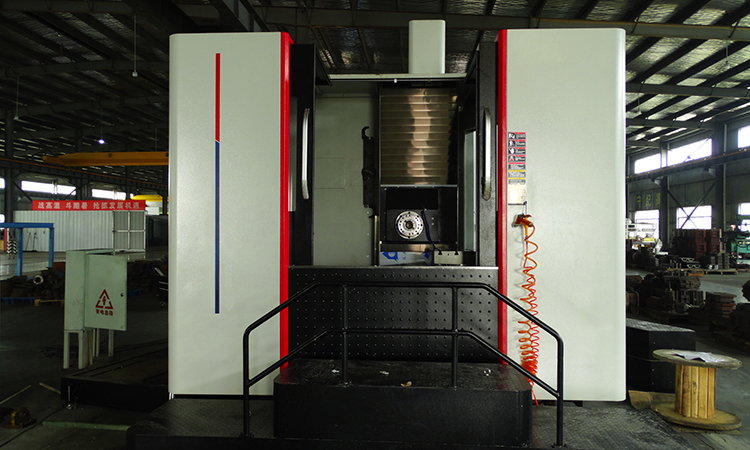
How to Correctly Size a Small CNC Inclined Bed Lathe for Your Parts
A cnc inclined bed lathe is a compact yet powerful machine tool designed for high-precision turning operations. Unlike traditional flat-bed lathes, its main structure, the bed, is slanted, typically at a 30, 45, or 60-degree angle. This design offers significant advantages in rigidity and chip management. The inclined orientation allows gravity to assist in pulling metal chips and coolant away from the workpiece and tooling, preventing build-up that can interfere with the cut and damage the surface finish. This makes the Small CNC Inclined Bed Lathe particularly effective for sustained production runs and applications requiring tight tolerances. The foundation of these machines is typically a heavy, single-piece casting that provides a stable base to absorb vibration and maintain accuracy over years of operation.
Types of Compact CNC Lathes
While the inclined bed is a defining characteristic, compact CNC lathes can be further categorized by their tooling and axis capabilities. The most common distinction is between a standard two-axis lathe and a multi-axis turning center. A standard model features X (diameter) and Z (length) axes, suitable for most shaft, flange, and fitting work. More advanced versions may include a C-axis for spindle positioning and live tooling in the turret. This allows the machine to perform secondary operations like cross-drilling, milling flats, or engraving without moving the part to a different machine. This capability is invaluable for multi-variety, small-batch production, enabling one-clamping, multi-face machining. The choice depends on part complexity; if your components require only turning operations, a two-axis machine offers the best value. If they involve milled or drilled features, a live-tooling model reduces setups and improves accuracy.
Key Features and Construction of a High-Precision Lathe
The performance of a Small CNC Inclined Bed Lathe is directly tied to its mechanical construction and the quality of its components. A robust build is non-negotiable for long-term precision. Our machine bodies are built from high-strength cast iron, such as resin sand castings, which undergo an aging and stress-relieving process. This ensures the geometric accuracy and rigidity of the machine frame remain stable throughout its service life. This solid foundation is critical for absorbing cutting forces and dampening vibrations that could otherwise degrade the workpiece finish.
On this base, we integrate core transmission components from proven manufacturers in Taiwan and Germany. High-precision ballscrews and linear guideways ensure smooth, accurate, and repeatable axis movement. System integration is key; we focus on the synergy between the mechanical structure, the drive system, and the CNC controller. For industries like mold making that demand exceptional surface quality, advanced control systems incorporate technologies like intelligent feed-forward and quadrant glitch compensation. These features directly address and resolve common machining defects such as over-cut marks, quadrant lines, and chatter marks, resulting in a superior finish straight off the machine.
Common Applications and Industries
A Small CNC Inclined Bed Lathe excels in environments that require both high precision and production efficiency for smaller components. Its primary application is in shops producing parts with complex geometries in small to medium batches. The ability to complete multiple operations in a single setup makes it ideal for reducing cycle times and minimizing handling errors. Industries that benefit significantly include:
- Mold and Die Making: The machine's rigidity and advanced control features allow it to produce the fine finishes and tight tolerances required for mold components.
- Automotive: Manufacturing of small shafts, valves, fittings, and sensor housings.
- Electronics: Production of connectors, enclosures, and other precision metal parts.
- Medical: Machining of surgical instruments and implants from materials like stainless steel and titanium, where surface finish is critical.
- Aerospace: Creating high-precision fasteners, bushings, and hydraulic fittings where reliability is paramount.
The machine's design is specifically geared towards solving difficult machining challenges. For parts that are prone to vibration or where a flawless surface is needed, the combination of a heavy cast base and sophisticated electronic compensation provides a reliable solution.
Understanding Price and Total Cost of Ownership
The initial purchase price of a Small CNC Inclined Bed Lathe is influenced by several key factors beyond the base machine itself. While we have no strict minimum order quantity and a single unit can be procured, understanding these variables helps in budgeting for a machine that truly fits your needs. Bulk purchases, for instance, may allow for more favorable commercial terms regarding price, delivery schedules, or after-sales service packages. The final investment depends heavily on the machine's configuration. For buyers seeking a customized cnc machines and machining centers from makcnc, options can be tailored to specific production requirements. Consider the total cost of ownership, which includes not just the machine but also tooling, maintenance, and support over its lifetime.
| Cost Factor | Description | Impact on Price |
|---|---|---|
| Base Machine Size | Determined by max turning diameter and length. A larger work envelope requires a larger, more expensive machine. | High |
| Control System | The brand and features of the CNC controller (e.g., Fanuc, Siemens) affect both cost and capability. | Medium |
| Turret & Tooling | A standard turret versus one with live tooling capability significantly changes the price and the machine's functionality. | High |
| Automation Options | Features like an automatic bar feeder, parts catcher, or robotic integration increase upfront cost but boost long-term productivity. | Medium to High |
| Warranty & Service | Our standard 12-month warranty can be extended for specific projects, which affects the total package price. | Low to Medium |
User Guide: How to Match a Lathe to Your Part Family
Selecting the right size machine is the most important decision you will make. An undersized machine cannot produce your parts, while an oversized one wastes capital, floor space, and energy. Follow this systematic process to match a Small CNC Inclined Bed Lathe to your specific part-family envelope.
- Step 1: Define Your Part-Family Envelope. Gather drawings for the 5-10 most common or largest parts you plan to machine. Identify the absolute maximum diameter and maximum overall length from this group. This "envelope" defines your minimum machine requirements.
- Step 2: Select Chuck Size and Bar Capacity. The chuck must be able to securely grip your largest diameter workpiece. If you plan to use a bar feeder for automated production, the machine's bar capacity (the maximum bar diameter that can pass through the spindle bore) must be larger than your raw material stock size.
- Step 3: Verify Maximum Swing and Turning Diameter. "Swing" is the largest diameter part that can rotate over the machine's bed without interference. "Maximum Turning Diameter" is the largest diameter the machine can actually cut, which is often less than the swing due to turret clearance. Ensure your part's max diameter is comfortably below the max turning diameter.
- Step 4: Calculate Required Turning Length (Z-axis). The machine's maximum turning length must be greater than the longest part in your family. Remember to account for the length of the tooling and the space needed for the chuck to grip the part. A common mistake is choosing a machine where the max turning length equals the part length, leaving no room for tools or workholding.
- Step 5: Check Turret and Tooling Clearance. For parts with complex geometries, map out the tool paths. Ensure the turret, with all tools mounted, can move around the workpiece and tailstock (if used) without collision. This is especially important for internal boring operations or when using long drills.
By following these steps, you can create a clear specification sheet before you even request a quote, ensuring you invest in a machine that is perfectly suited for your production needs. Avoid these common errors:
- Ignoring Chip Flow: On a small machine, heavy cuts can create a large volume of chips. The inclined bed helps, but ensure the machine's design allows for easy chip removal.
- Forgetting About Tailstock Interference: If your parts are long and require a tailstock for support, its body will reduce the effective working envelope.
- Underestimating Tooling Space: Boring bars, drills, and specialty tools can be long. Confirm they won't collide with the opposing chuck jaw or tailstock at the end of their travel.
Your Small CNC Inclined Bed Lathe Supplier
Established in 2016, MAKCNC operates from an ISO9001:2015-certified facility with multiple production lines dedicated to building high-performance CNC machinery. We understand that every production environment has unique needs. That is why we do not enforce a rigid minimum order quantity; customers can procure a single machine or multiple units. We have a history of developing a professional cnc machining center solution for a variety of industries. Our commitment extends beyond the sale, with a standard 12-month warranty provided after machine acceptance and lifetime paid services available. Our mature after-sales network is structured to provide an initial response within 8 hours and have a technician on-site to address any issues within 48 hours. For more details about makcnc and our manufacturing philosophy, we invite you to review our company profile.
Frequently Asked Questions
What is the typical lead time for a Small CNC Inclined Bed Lathe?
Our standard lead times range from 1 to 6 months, depending on the specific machine configuration and current production schedules.
Is there a minimum order quantity (MOQ)?
No, we do not have a strict MOQ. You can purchase a single machine. However, procuring multiple units may provide access to more favorable commercial terms on price, delivery, or service.
What kind of warranty is included?
The standard warranty is 12 months after final machine acceptance at your facility. For certain tender projects or by special request, extended warranties, such as a three-year free warranty, can be arranged.
What are the main structural components made of?
The machine body is made from high-strength cast iron, which is heat-treated and stress-relieved to ensure long-term stability and precision. Core motion components like ballscrews and linear guides are sourced from high-quality brands in Germany or Taiwan.
If you are looking for a Small CNC Inclined Bed Lathe supplier, please contact our technical team to discuss your part requirements and receive a detailed quotation.