How to Source a Multi-axis CNC Slant Bed Lathe
What Is a Multi-axis CNC Slant Bed Lathe
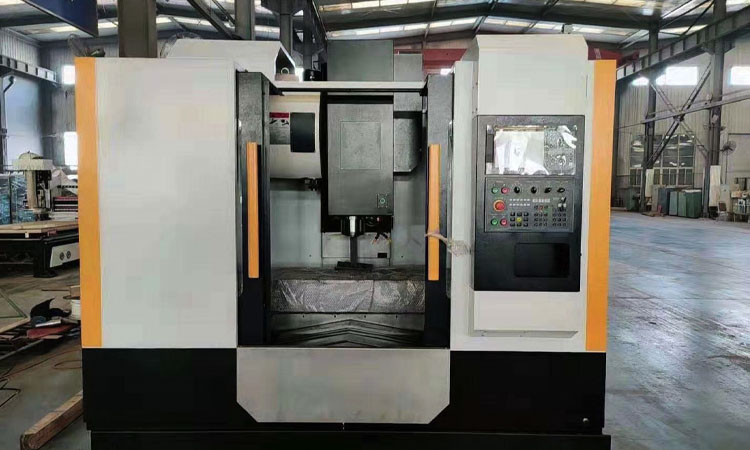
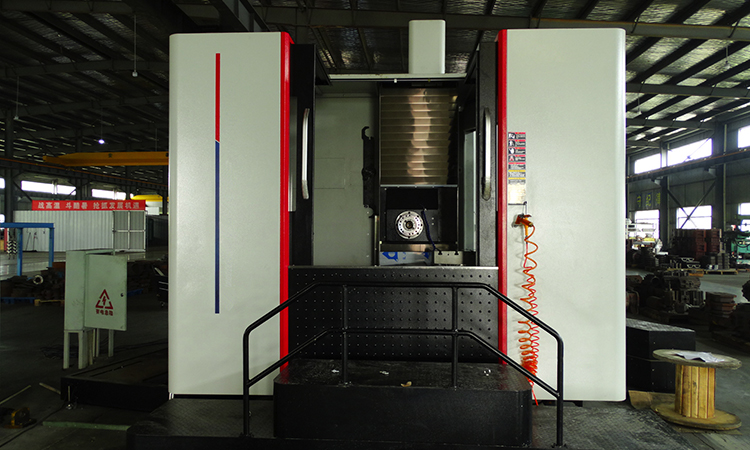
Multi-axis CNC Slant Bed Lathe is a CNC turning machine built with an inclined machine bed and multiple controlled axes for producing turned parts that may also require milling, drilling, tapping, indexing, or machining on more than one end. The slanted bed structure supports chip flow and operator access, while the added axes expand the work that can be completed in one setup. At the RFQ stage, buyers should define the machine by the parts it must produce rather than by a general request for a “multi-axis lathe.” This distinction matters because a machine with a C-axis may suit indexed drilling, while a part with off-center milling may require live tooling and Y-axis travel. Numerical control allows programmed movement and repeatable machining sequences, but the exact configuration still has to match the part drawing, material, production method, and planned handling process. A buyer who only compares machine appearance, headline axis count, or a low initial offer can receive a turning center that cannot complete the intended cycle without added operations.
A Multi-axis CNC Slant Bed Lathe is generally specified for production buyers that need more than basic outer-diameter turning, facing, boring, threading, and parting. It can reduce part transfers when the requested configuration includes the tools and axes required by the workpiece. However, it is not automatically the right answer for every component. Simple shafts, bushings, and short turned blanks may be more economically produced on a standard CNC lathe. Large prismatic parts with many milled faces may fit a machining center better. The sourcing decision should therefore begin with a realistic review of part families, not an assumption that more axes always provide better value. For related turning configurations, buyers can also review the cnc lathing machine range before finalizing an RFQ.
Types of Multi-Axis Turning Configurations to Compare
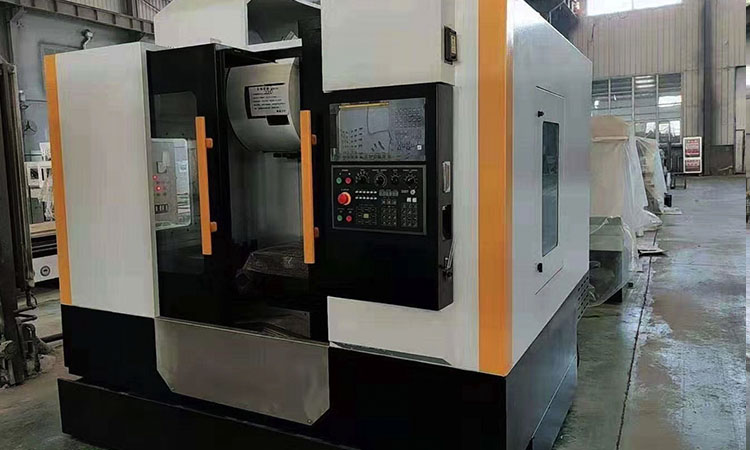
There are several practical ways to configure a Multi-axis CNC Slant Bed Lathe. The best option depends on whether the part needs secondary milling, indexed features, back-end machining, or continuous bar processing. A basic slant bed machine with X and Z axes is suitable for conventional turning work. Adding a C-axis allows spindle indexing and controlled rotational positioning. Live tooling adds driven tools for drilling, tapping, and light milling tasks that would otherwise move to another machine. A Y-axis provides an offset machining path, which is useful when features are not centered on the spindle axis. A sub-spindle supports work on the reverse side of a part after transfer. Buyers should not request every option as a default. Each extra function affects machine cost, programming requirements, maintenance planning, and cycle design.
| Configuration | Best-Fit Part Requirement | Why It May Be Selected | When It May Not Apply |
|---|---|---|---|
| X and Z axes | Turning, facing, boring, threading, and parting | Suitable for parts completed through standard turning operations | Not suitable when drilling or milling is needed during the same setup |
| C-axis with live tooling | Cross drilling, tapped holes, flats, or indexed patterns | Reduces secondary handling for features around the diameter | May add unnecessary cost for fully round turned parts |
| Y-axis with live tooling | Off-center features and more complex milling positions | Allows tool movement away from the spindle centerline | Not required for centered axial drilling or simple indexed holes |
| Sub-spindle configuration | Both ends of the part require machining | Allows transfer for reverse-side operations in one planned cycle | May not suit parts that can be completed from one clamping position |
| Bar-feed-ready configuration | Long-production runs from bar stock | Supports automated material supply when the bar format is suitable | Not appropriate for forged blanks, cast blanks, or short pre-cut pieces |
Features That Must Be Defined Before Supplier Shortlisting
Production buyers should shortlist a Multi-axis CNC Slant Bed Lathe supplier only after identifying the features that control whether the machine can actually run the proposed parts. Start with the drawing and process route. Confirm the raw material form, maximum and minimum part dimensions, machining features, expected clamping method, and whether both ends require finished work. Then determine if the part must be made from bar stock, chuck-held blanks, forgings, or castings. This affects bar capacity, chuck selection, material handling, and chip control. The machine body also deserves attention. MAKCNC states that machine bodies commonly use high-strength cast iron, including resin-sand castings, followed by aging treatment to support long-term accuracy and rigidity. Core transmission items such as ball screws and guideways commonly use high-precision components from Taiwan or Germany, with attention to system matching across the machine.
For mold-related precision work, the selected control and machine configuration should be discussed in relation to the actual surface and contour requirements. MAKCNC notes that advanced system integration can include intelligent feedforward and quadrant-transition compensation to address common issues such as overcut marks, quadrant marks, and chatter marks. That does not mean every part needs the same system option or that every surface issue is caused by the machine alone. Tool condition, workholding, program strategy, material behavior, and cutting parameters also affect results. The practical buying rule is simple: provide drawings and expected process details early, then ask the supplier to explain which machine functions address each requirement and which functions are outside the quoted scope.
RFQ Checklist for Axes Tooling Bar Capacity and Chip Management
An RFQ for a Multi-axis CNC Slant Bed Lathe should translate part features into machine requirements. This prevents two suppliers from quoting different configurations under the same general machine description. The purpose of this checklist is not simply to add options. Each item manages a production risk. For example, omitting live tooling can force a secondary drilling process; specifying a sub-spindle when the rear face does not need machining can add cost without improving output. Send this information with drawings, material details, expected order pattern, and any planned automation. If a dimension or feature is not fixed, identify it as provisional so suppliers can state their assumptions clearly.
| RFQ Check Item | Part Feature to Identify | Why It Matters | Risk if Omitted |
|---|---|---|---|
| Live tooling | Radial holes, milled flats, cross holes, tapping, or slots | Allows driven-tool work during the turning cycle | Parts may require a separate drilling or milling operation |
| Y-axis | Off-center holes, asymmetric flats, offset milled features | Provides tool movement away from the centerline | A quoted machine may not reach or machine the feature correctly |
| C-axis | Indexed hole patterns, angular features, controlled spindle positioning | Controls part orientation for rotary-positioned machining | Feature locations may need a separate setup or different equipment |
| Sub-spindle | Finished reverse face, rear-end bores, back-end threads | Supports part transfer for machining both ends | Manual re-clamping can increase handling and alignment risk |
| Bar capacity | Diameter and form of incoming bar stock | Determines whether planned bar-fed production is feasible | Material may not pass through the spindle as intended |
| Chip management | Material type, stringy chips, interrupted cuts, coolant use | Helps define conveyor, collection, and cleaning needs | Chip buildup can interrupt unattended or extended production |
Suggested RFQ Attachment Package
- Current part drawings, including all turned, drilled, tapped, and milled features.
- Material grade and incoming stock form, such as bar, forging, casting, or pre-cut blank.
- Required machining operations in the preferred sequence.
- Expected workholding method if already known.
- Whether front and reverse faces must be completed in one machine cycle.
- Expected purchasing quantity for the machine and whether future multi-machine procurement is planned.
- Requested documentation, acceptance process, installation support, and warranty terms.
Applications That Justify a More Capable Turning Machine
A Multi-axis CNC Slant Bed Lathe is commonly considered when a part combines rotational geometry with secondary features. Examples include shafts with cross holes, fittings with threaded ports, flanged components with bolt patterns, connector bodies with flats, and parts requiring finished work on both ends. The machine can be especially useful in multi-variety, small-batch production when one clamping arrangement can complete multiple surfaces. MAKCNC identifies the ability to complete multi-surface machining in one clamping for this kind of production need. The right application is one where reducing transfers can improve process control, handling time, or part flow. The limit is equally important: if the part is purely rotational and no secondary machining is required, a simpler turning configuration may be the more appropriate purchase.
Buyers should compare the turning route against a machining center route for parts that become increasingly prismatic. If a component has several major milled faces, deep side features, or operations that are better accessed vertically or horizontally, a professional cnc machining center solution may be a better production fit. The correct decision is not about choosing one machine category as superior. It is about selecting the process that limits re-clamping, matches the workpiece geometry, and allows practical workholding. Ask shortlisted suppliers to describe the proposed operation sequence rather than merely confirm that a feature is “possible.”
How Multi-Axis CNC Slant Bed Lathe Prices Vary
The price of a Multi-axis CNC Slant Bed Lathe varies because the quoted machine may differ substantially in axis arrangement, driven-tool capability, sub-spindle need, bar-feed compatibility, chip-management equipment, control system configuration, and included service scope. A buyer should not compare offers using only one total number. Instead, request an itemized quotation that separates the base machine, selected axes, tooling-related functions, workholding, handling equipment, commissioning, training, packaging, and any optional items. This approach makes omissions visible. For example, a lower-priced offer may exclude the equipment needed to run the supplied part from bar stock, or may not include the workholding assumed in the cycle plan.
| Price Influence | What to Ask the Supplier | Buyer Decision Point |
|---|---|---|
| Axis configuration | Which axes are included and which are optional? | Pay for the movements required by the drawing, not unused capacity. |
| Live tooling and C-axis | Are driven tools, holders, and spindle positioning included? | Confirm the actual secondary operations needed. |
| Sub-spindle | Can the part be transferred and completed on the reverse side? | Select it only when reverse-side work adds value. |
| Material handling | Is bar feeding, part collection, or chip removal included? | Match the quote to the planned material form and labor model. |
| After-sales scope | What warranty, response process, and paid long-term service are offered? | Compare support terms beside machine configuration. |
User Guide for Acceptance Installation and Early Production
Before placing the order, agree on an acceptance approach based on the supplied part information. Define what drawing revision will be used, what material will be available, what operations will be demonstrated, and what documentation should accompany the machine. After delivery, installation planning should include foundation readiness where applicable, electrical preparation, coolant and chip-handling arrangements, lifting access, and space for maintenance. The first production trial should not begin with the most difficult part if several families are planned. Start with a representative workpiece that confirms clamping, tool access, turning quality, drilled or milled features, and chip evacuation. Then move to more complex parts after the basic process is stable.
- Review the supplier quotation against the RFQ checklist and identify every included and excluded item.
- Confirm the operation sequence for a representative part before releasing the purchase order.
- Prepare the site, utilities, lifting plan, and operator availability before shipment arrival.
- Inspect the delivered configuration against the agreed list before commissioning.
- Run acceptance parts using agreed drawings and material conditions.
- Record tool setup, workholding details, programs, and maintenance tasks for repeat production.
MAKCNC states that its standard warranty is generally 12 months after machine acceptance, with lifetime paid service available. Some tender projects may require a longer warranty arrangement, such as three years of free warranty. The stated after-sales network target is response within 8 hours and on-site fault handling within 48 hours. Buyers should treat these points as items to confirm in the commercial agreement because project scope, destination, and contract requirements can differ. Do not assume that a standard support statement automatically replaces a written service commitment for your order.
How to Assess a Multi-Axis CNC Slant Bed Lathe Supplier
A capable Multi-axis CNC Slant Bed Lathe supplier should be assessed on more than machine photos and a short specification sheet. Ask whether the supplier can review your drawings, clarify the operation route, identify configuration assumptions, and provide a quotation that distinguishes standard equipment from optional equipment. MAKCNC was established in 2016 and has multiple production lines and sample machine inventory. For buyers purchasing one machine, there is no hard minimum order quantity; a single machine can be purchased. For multi-machine procurement, commercial terms may be improved in price, delivery timing, or after-sales support depending on the order. Delivery is generally stated as 1 to 6 months, so buyers should confirm the timing of the exact configuration rather than rely on a general planning range.
Supplier assessment should also include communication quality after the technical discussion begins. A useful supplier asks for drawings, material details, cycle expectations, and process constraints before recommending options. If your operation needs a non-standard layout, workholding approach, or application-specific configuration, review customized cnc machines and machining centers from makcnc as part of the sourcing discussion. MAKCNC supplies CNC lathing machines, CNC machining centers, and CNC machines for export buyers. The final supplier decision should reflect technical fit, quotation clarity, delivery planning, acceptance terms, and service commitments in writing.
FAQ of Multi-Axis CNC Slant Bed Lathe
Do all parts need a Y-axis?
No. A Y-axis is most suitable when the drawing includes off-center drilling, offset milling, or asymmetric features that cannot be reached through centered live-tool operations. For conventional turning and centered axial work, it may not be required.
Is live tooling enough for reverse-side machining?
Not always. Live tooling can machine secondary features on the accessible end of the part. If the reverse face needs completed features without manual re-clamping, a sub-spindle may be needed. Confirm the planned transfer sequence with the supplier.
What should be included in a first RFQ?
Include drawings, material, stock form, required operations, key features, intended production method, support expectations, and the checklist items for live tooling, Y-axis, C-axis, sub-spindle, bar capacity, and chip management.
If you are sourcing a Multi-axis CNC Slant Bed Lathe supplier, contact MAKCNC to request a current quotation based on your drawings and production requirements.