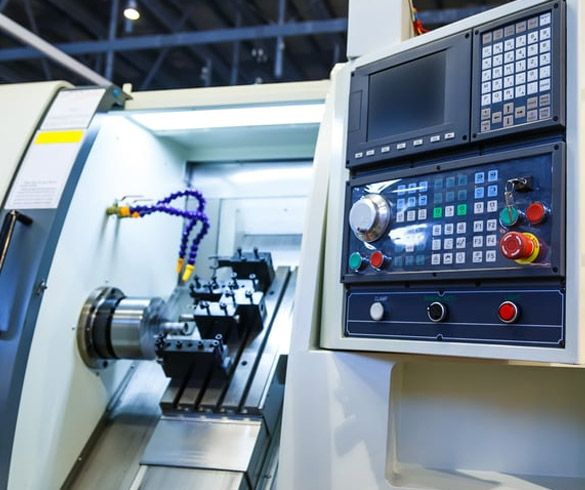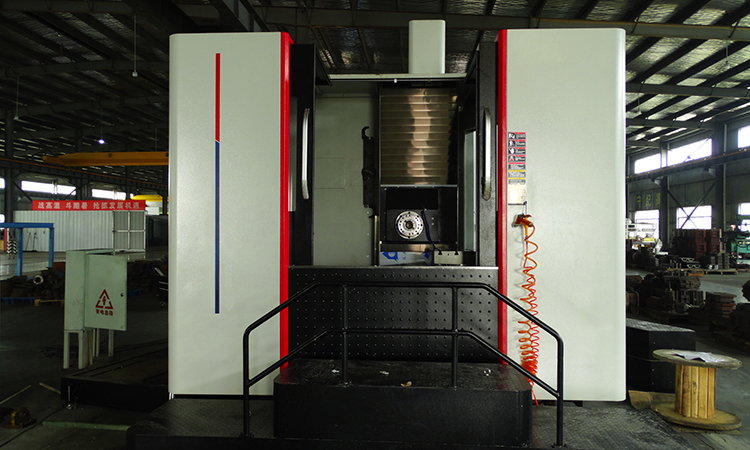
Choosing the Right Horizontal CNC Machining Center for Die Casting
A Horizontal CNC Machining Center for Die Casting is a specialized machine tool engineered to finish complex features on parts produced through die casting processes. Unlike general-purpose machines, these centers are built to handle the unique challenges of die-cast materials, from soft aluminum and magnesium alloys to tougher, abrasive castings with hard inserts. The core decision for any purchasing manager or engineer is balancing speed, precision, and long-term reliability. Choosing incorrectly can lead to poor surface finishes, dimensional inaccuracies, and excessive tool wear, directly impacting profitability. This guide details the critical specifications and features to evaluate before you invest.
What Defines a Machine for Die-Casting Applications?
Not every horizontal machining center is suited for the demands of finishing die-cast components. The key differentiators lie in the machine's structural integrity and its ability to maintain precision under continuous operation. A purpose-built machine prioritizes rigidity and thermal stability to counteract the stresses of high-speed metal removal. At MAKCNC, we build our machine bodies from high-strength cast iron, such as resin sand castings, which undergo an aging treatment. This process relieves internal stresses in the material, ensuring the machine frame does not deform over time, thereby preserving its geometric accuracy for years of service. This structural foundation is essential for consistently holding tight tolerances on die-cast parts.
Furthermore, the performance of a Horizontal CNC Machining Center for Die Casting depends on the quality of its core components. The linear guides and ball screws that drive motion are critical for accuracy. We integrate high-precision components from established manufacturers in Taiwan and Germany to ensure smooth, repeatable movement. The entire system is engineered for synergy, meaning the control system, drives, and mechanical structure work together to deliver optimal performance. For the die and mold industry, this integration allows for advanced control techniques that directly address common quality issues, making the machine a reliable production asset rather than a source of defects.
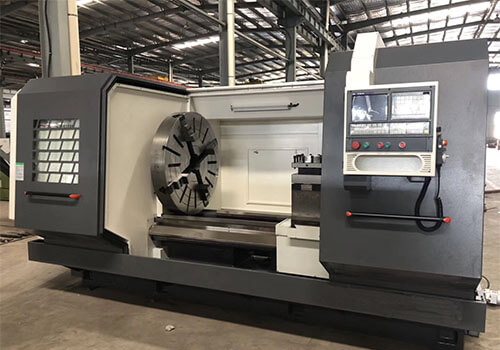
Matching Spindle Specifications to Die-Cast Alloys
The spindle is the heart of any machining center, and its specifications must align with the material you are cutting. Die-cast alloys vary significantly in their machinability, from free-cutting aluminum to abrasive, insert-laden workpieces. Selecting the wrong spindle type results in either slow cycle times or poor part quality and premature spindle failure. Use this guide to match the spindle to your application.
| Spindle Type | Typical Speed Range | Primary Application | When to Choose This |
|---|---|---|---|
| High-Speed, Moderate-Torque (Direct-Drive) | 10,000 - 15,000 RPM | Aluminum & Magnesium Die Castings | Choose this for high-volume production of standard die-cast aluminum (e.g., A380) or magnesium parts. The high RPM allows for fast feed rates with smaller-diameter tools for finishing operations, deburring, and drilling. Its direct-drive design offers excellent thermal stability and responsiveness. |
| High-Torque, Moderate-Speed (Geared or Belt-Drive) | 6,000 - 10,000 RPM | Zinc Alloys & Castings with Steel/Brass Inserts | Choose this when your die-cast parts include pre-cast hard inserts (like steel threads or brass bushings). The higher torque at lower RPMs provides the power needed to machine these tougher materials without stalling the spindle or causing excessive tool chatter. It is also suitable for larger-diameter face milling operations. |
| Built-in Motor Spindle | 12,000 - 24,000+ RPM | High-Precision Mold Finishing & Thin-Wall Machining | This is a premium option for applications demanding the best possible surface finish and dimensional accuracy, such as finishing the die-cast molds themselves. The integrated motor minimizes vibration and provides superior dynamic response, which is essential for machining complex 3D surfaces and delicate, thin-walled features on die-cast parts. |
Advanced System Features for Flawless Finishing
Achieving a perfect finish on die-cast parts goes beyond mechanical rigidity; it requires intelligent control systems. Surface defects like "over-cutting marks," "quadrant glitches," and "chatter marks" are common frustrations in high-speed machining. These flaws often occur during sharp directional changes or when the tool path involves complex curves. Our advanced CNC systems incorporate specific technologies to prevent these issues.
- Intelligent Feedforward Control: This function allows the control system to anticipate changes in the tool path geometry. By looking ahead in the G-code program, it proactively adjusts motor acceleration and deceleration, preventing the slight lag that causes corner rounding or over-cutting.
- Quadrant Glitch Compensation: When a tool path crosses an axis (e.g., from X-positive to X-negative), a minute pause or jump can occur due to backlash or servo mismatch. This compensation algorithm smooths the transition, eliminating the small perpendicular mark, or "glitch," left on the workpiece surface.
- Vibration Damping: The system actively monitors for and suppresses harmonic vibrations (chatter), which can create a wavy pattern on the machined surface. This ensures a smooth finish even during aggressive cutting operations.
These features are particularly valuable for manufacturers in the automotive, electronics, and aerospace sectors, where both the aesthetic and functional quality of the final die-cast part are critical. They enable the machine to produce complex components that are ready for assembly with minimal to no secondary polishing or deburring.
Application Flexibility for Modern Production
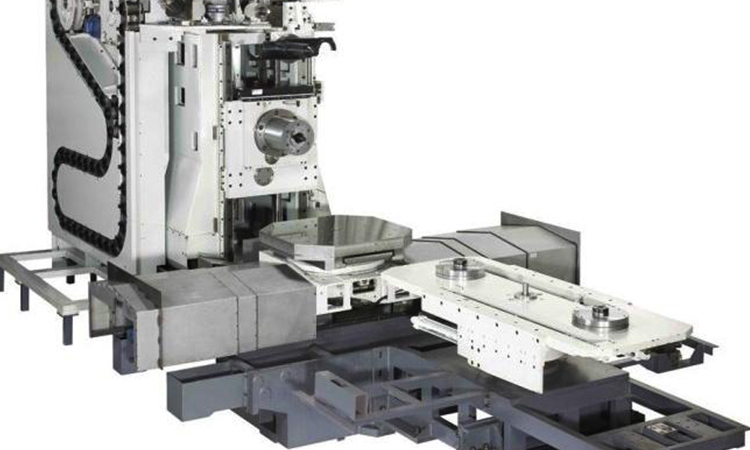
The modern manufacturing environment often requires handling a diverse mix of parts in small to medium batches. A key advantage of a professional cnc machining center solution is its ability to perform multi-face machining in a single clamping. By using a rotary table (the B-axis), the machine can rotate the workpiece to present different sides to the spindle. This capability is highly efficient for die-cast parts like valve bodies, transmission casings, or electronic enclosures, which often require drilling, tapping, and milling on multiple faces.
Benefits of Single-Setup Machining:
- Improved Accuracy: Eliminating the need to re-fixture the part for each operation reduces the risk of tolerance stacking and positioning errors. All features are machined in relation to each other in one coordinate system.
- Reduced Cycle Time: It removes the manual labor and machine downtime associated with moving a part from one machine or setup to another.
- Simplified Process Flow: It streamlines production logistics, requiring less operator intervention and reducing the chance of human error.
Evaluating Cost, Lead Time, and Support
When purchasing a Horizontal CNC Machining Center for Die Casting, the initial price is only one part of the equation. A true cost assessment includes lead time, order flexibility, and long-term service. At MAKCNC, we provide flexible business terms to support diverse operational needs. There is no rigid minimum order quantity (MOQ); single-unit purchases are possible. However, procuring multiple units often allows for more favorable commercial terms regarding price, delivery schedules, or after-sales support packages.
Our standard production lead time ranges from one to six months, depending on machine configuration and existing orders. With multiple production lines and a stock of sample machines, we can sometimes accommodate more urgent requirements. After delivery, a standard 12-month warranty covers the entire machine post-acceptance. We also provide lifetime paid service, ensuring you have access to technical support and parts for the life of the machine. For specific tenders or large-scale projects, we can offer extended terms, such as a three-year free warranty. Our commitment to uptime is backed by a mature service network that promises an 8-hour response time and a 48-hour on-site arrival for troubleshooting.
MAKCNC: Your ISO9001:2015 Certified Supplier
Since our establishment in 2016, MAKCNC has been dedicated to manufacturing high-performance CNC machine tools. As an ISO9001:2015 certified company, we adhere to strict quality management systems throughout our design, production, and service processes. Our expertise lies in creating machines that deliver lasting precision and reliability. From our robust, aged cast-iron structures to the integration of world-class drive components, every aspect of our horizontal machining centers is designed to provide a superior solution for die-casting applications. We understand the pressures of modern manufacturing and offer the flexibility and support necessary to be a valuable long-term partner. Learn more about MAKCNC, professional cnc lathing machine manufacturer, and our commitment to quality.
Frequently Asked Questions
1. What is the typical accuracy I can expect when machining die-cast parts?
With a properly configured machine featuring a high-precision spindle and advanced controls, positioning accuracies in the range of ±0.005 mm and repeatability of ±0.003 mm are achievable. Final part accuracy also depends on tooling, work holding, and the quality of the raw casting.
2. Can your horizontal machining centers handle automated loading and unloading?
Yes. Our machines are designed for integration with automation systems. They can be equipped with interfaces for robotic loaders, pallet changers, and other factory automation solutions to enable unattended or lights-out manufacturing.
3. What kind of training and installation support do you provide?
We provide comprehensive support that includes machine installation, commissioning, and on-site operator training. Our technicians will ensure your team is proficient in operating and maintaining the machine for optimal performance and safety.
If you are looking for a Horizontal CNC Machining Center for Die Casting supplier, please contact us for a detailed proposal and the latest quotation.