Pick Horizontal CNC Equipment With Proven Cycle Data
Purchasing new Horizontal CNC Machining Equipment based solely on brochure specifications is a significant risk. A machine that looks perfect on paper can fail to meet your required throughput, leading to production bottlenecks and a poor return on investment. The real performance of a machine is revealed not in its maximum spindle speed or rapid traverse rates, but in its ability to consistently produce your specific parts within a target cycle time. Before issuing a purchase order, it is essential to move beyond spec sheets and demand verifiable performance data.
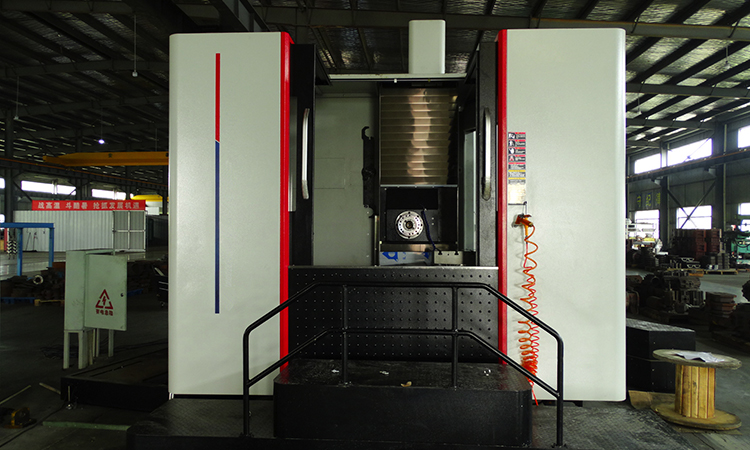
At MAKCNC, we believe an informed buyer is our best partner. Since our founding in 2016, we have focused on building machines that deliver sustained accuracy and reliability. Our approach is grounded in solid engineering, which you can see in our professional cnc lathing machine manufacturer facility, certified to ISO 9001:2015 standards.
Core Machine Attributes That Dictate Performance
The long-term stability and precision of any CNC machine are determined by its fundamental construction. While control systems and software are important, they cannot compensate for a weak mechanical foundation. When evaluating equipment, focus on these core structural and component attributes.
Machine Frame and Casting
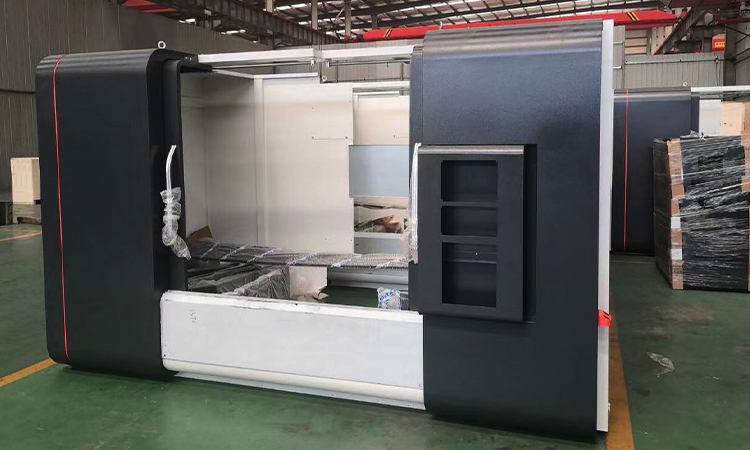
The machine's body is its backbone. It must absorb vibration and resist thermal deformation to maintain accuracy over years of operation. We utilize high-strength cast iron, such as resin sand castings, for the main structures of our machines. These castings undergo a crucial aging treatment process to relieve internal stresses. This prevents the frame from warping over time, ensuring the machine's geometric accuracy remains stable for the long term. A rigid, well-engineered frame is the first indicator of a machine built for durability.
Drive and Motion Components
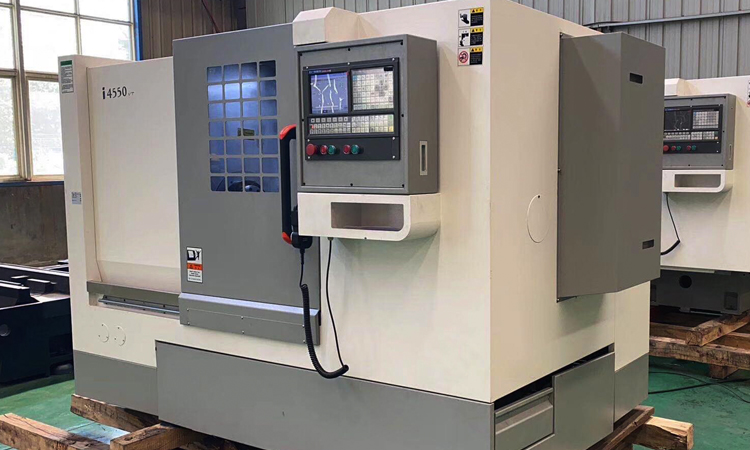
The precision of the finished part is directly tied to the quality of the motion system. Look closely at the brand and specifications of the core transmission parts. Key components to inspect include:
- Ball Screws: These convert rotary motion into linear motion. High-precision, pre-loaded ball screws minimize backlash and ensure accurate positioning. - Linear Guideways: These support the load and guide the moving axes. They must offer low friction and high rigidity to handle heavy cutting forces.
We source these critical components, including ball screws and linear guideways, from reputable high-precision brands in Taiwan and Germany. This commitment to quality parts ensures that the machine's control system can achieve its full potential for accuracy and repeatability.
Beyond the Brochure: A Framework for Verifying Supplier Claims
A supplier's brochure presents an idealized version of machine capability. To make a sound investment, you need a framework to validate these claims against your real-world production needs. Instead of just accepting specifications, demand evidence. This shifts the conversation from theoretical maximums to proven, practical output.
Here is a step-by-step framework to qualify a potential professional cnc machining center solution before purchase:
| Verification Step | What to Ask For | Why It Matters |
|---|---|---|
| 1. Witnessed Cycle Study | Request a test cut of your most challenging or representative part. If possible, witness it in person or via live video. Ask for the complete, unedited NC program. | This is the ultimate proof of capability. It verifies cycle time, surface finish, and dimensional accuracy for your application, not a generic test piece. It exposes any overly optimistic programming or feed rates used for marketing videos. |
| 2. Tool-Change and Pallet-Change Logs | Ask for system logs or unedited video showing multiple tool changes and pallet swaps under load. Time these non-cutting operations. | "Chip-to-chip" time is often a major component of total cycle time. Brochure numbers can be misleading. Verifying this timing reveals the machine's true efficiency in a production environment. |
| 3. Chip Evacuation Evidence | During the test cut, observe how the machine manages chips. Are they flushing away effectively, or are they accumulating and risking recutting? | Poor chip management can halt production, cause tool breakage, and ruin surface finishes. Effective evacuation is critical for high-volume or unattended operation. |
| 4. Detailed Factory Acceptance Test (FAT) Plan | Define the FAT criteria in the purchase contract. Specify which parts will be run, what accuracies must be held (e.g., using a ballbar test), and what constitutes a successful test. | A well-defined FAT protects both buyer and seller. It creates a clear, objective standard for machine acceptance, removing ambiguity and ensuring the delivered equipment meets the agreed-upon performance level. |
Matching Machine Capabilities to Your Application
Different industries face unique machining challenges. A general-purpose machine may not be the optimal solution for specialized work. For example, in the mold and die industry, achieving a perfect surface finish free of blemishes is paramount. Machining errors like "over-cut marks," quadrant glitches, and tool chatter can render a complex mold useless.
Our advanced control systems integrate technologies like intelligent feed-forward and quadrant glitch compensation. These features anticipate axis movement and correct for minute mechanical deviations, effectively resolving the common machining defects that plague high-precision mold making. This ensures a smoother surface finish directly off the machine, reducing the need for extensive manual polishing.
For job shops dealing with high-mix, low-volume production, setup time is a primary cost driver. The ability to machine multiple faces of a complex part in a single clamping is a significant advantage. A horizontal cnc machining center with a B-axis rotary table enables this, drastically reducing setups, improving accuracy by eliminating re-fixturing errors, and shortening overall lead times.
Key Commercial Terms to Clarify Before Purchase
Finalizing the technical specifications is only half the process. The commercial terms surrounding the purchase, delivery, and support of the equipment are just as important for a successful long-term partnership. Before signing a contract, ensure you have clarity on the following points.
This checklist can help guide your discussion with potential suppliers:
- Minimum Order Quantity (MOQ): Is there a rigid minimum? Some suppliers are more flexible than others. We have no hard MOQ, allowing for the purchase of a single machine. However, procuring multiple units may unlock more favorable commercial terms regarding price or delivery schedules.
- Lead Time: What is the realistic delivery timeline from order confirmation to shipment? Our typical lead times range from one to six months, depending on machine configuration and production schedules.
- Warranty: What is the standard warranty period, and what does it cover? Our standard warranty provides 12 months of coverage after the machine is formally accepted at your facility. We also offer lifetime paid service. For specific tenders or projects, extended warranties, such as three years of free coverage, can be negotiated.
- After-Sales Support: What is the supplier's commitment to service response? Define the expected time for a technician to respond to a service call and to be on-site if necessary. Our mature after-sales network commits to an 8-hour response time and 48-hour on-site arrival for troubleshooting.
- Payment Terms: What are the required deposit, progress, and final payments? Ensure these align with your company's financial policies.
- Spare Parts Availability: Does the supplier maintain a stock of critical spare parts? What is the lead time for non-stock components?
Clarifying these items upfront prevents future misunderstandings and ensures the supplier can meet your operational and service expectations. A transparent discussion about these terms is the foundation of a reliable supplier relationship.
If you are evaluating suppliers for your next machining center, we invite you to discuss your project with our technical team. Contact us to submit your part drawings for a detailed analysis and quote.