
CNC Manufacturing Equipment Supplier Guide
What CNC Manufacturing Equipment Means
CNC Manufacturing Equipment refers to industrial machinery operated by computer numerical control software. It removes material from metal, plastic, and other workpieces by following programmed coordinates, cutting paths, speeds, and tool commands. The category includes CNC lathes, turning centers, vertical machining centers, horizontal machining centers, gantry machines, and special-purpose equipment used in automotive, aerospace, petroleum, agricultural machinery, and general engineering.
For international buyers, the term covers more than the machine on the factory floor. A qualified supplier should provide the control system, tooling interface details, electrical specifications, installation guidance, inspection records, spare-parts support, and export paperwork. Looking at the full package helps purchasing teams compare real production value instead of focusing only on spindle power or the quoted machine price.
Types of CNC Manufacturing Equipment
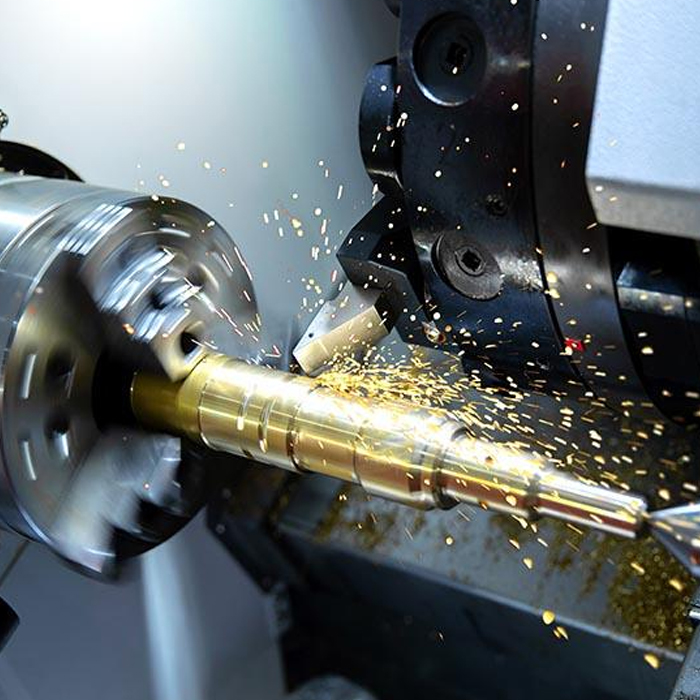
Types of CNC Manufacturing Equipment differ according to workpiece geometry, cutting process, production volume, and accuracy requirements. CNC lathing machines rotate the workpiece while turning tools create shafts, threads, tapers, and bores. Vertical machining centers secure the part on a table and are widely used for molds, plates, housings, and small to medium-sized components. Horizontal machining centers offer better chip evacuation and easier access to several sides of a part, making them suitable for repeat production.
Gantry processing machines are often selected for large structures, dies, frames, and heavy workpieces. Oilfield lathes are designed for long pipes, casings, and connection work, including demanding petroleum applications. A supplier may also provide truss manipulators, automatic tool changers, bar feeders, probing systems, or custom fixtures. Buyers should match the machine type to actual part drawings and expected annual output, rather than selecting equipment from a general catalog alone.
Features to Check in Industrial CNC Machinery
Industrial CNC machinery should be evaluated through measurable specifications and documented production evidence. Review the machine envelope, table size, maximum workpiece weight, spindle speed, spindle torque, motor rating, travel range, positioning accuracy, repeatability, tool capacity, and control brand. High rigidity is especially important when cutting hardened steel or heavy components, as vibration can affect surface finish and reduce tool life.
Thermal stability also matters during long machining cycles, particularly when tolerances are measured in hundredths of a millimeter. Ask the supplier to conduct a sample cutting test using your material and drawing. The test should document cycle time, selected tools, dimensional results, surface finish, and the inspection equipment used. Review the underlying machine structure as well. Casting quality, guideways, ballscrews, lubrication, chip removal, guarding, and electrical cabinet layout all influence long-term reliability. In practice, a detailed inspection sheet says far more than a broad claim such as “high performance.”
Technical Documents That Should Be Included
A reliable supplier should prepare a complete technical file before the purchase order is released. It should include a machine specification sheet, foundation drawing, utility requirements, electrical diagram, pneumatic diagram where applicable, controller manual, programming manual, parts list, lubrication chart, and recommended spare-parts list. Buyers should also request tolerance test results and a factory acceptance test format.
For a turning machine, the file may need to specify chuck dimensions, spindle bore, maximum turning diameter, pipe capacity, and thread ranges. For a machining center, it should list X, Y, and Z travels, table loading, tool taper, tool-change time, and coolant capacity. Documentation should use consistent units and clearly distinguish between theoretical limits and guaranteed working values. Clear, accurate documents reduce installation delays and allow the buyer’s engineers to prepare tooling, foundations, software, and operator training before shipment.
CNC Production Systems and Their Applications
CNC production systems are used wherever repeatable milling, turning, drilling, boring, tapping, or metal cutting is required. Automotive factories use machining centers for engine components, transmission housings, brake parts, and suspension components. Aerospace workshops need stable five-axis or multi-operation processes for aluminum and steel structures. Petroleum companies use CNC oilfield lathes for pipe ends, threads, couplings, and large-diameter workpieces.
Agricultural machinery manufacturers produce shafts, hubs, gear housings, and hydraulic parts with turning and milling equipment. Communication equipment and consumer electronics suppliers often need small, accurate components produced in short cycle times. Mining, chemical, water conservancy, and geological exploration projects may require large or heavy machines for valves, flanges, pump bodies, and drilling components. The right system can combine a CNC machine with robotic loading, probing, chip handling, and inspection. Buyers should define the complete workflow, not just the individual machine.
MAKCNC supplies equipment for both standalone machining and broader factory projects. Buyers can review a high quality and durable cnc lathe for turning applications or compare vertical and horizontal machining options through the company’s product range. Case information is also valuable when assessing whether a supplier has managed similar export requirements. Examples include cnc pipe lathing to brazil and other international machine deliveries. A useful review should identify the workpiece processed, the options supplied, how installation was completed, and whether the machine achieved the buyer’s production target.
CNC Manufacturing Equipment Price and Cost Factors
CNC Manufacturing Equipment price can vary significantly because machines with a similar appearance may use very different structures, controls, motors, tooling, accuracy grades, and support packages. Key cost factors include machine size, casting weight, spindle power, axis travel, CNC controller, tool changer capacity, hydraulic equipment, chuck or fixture type, automation, inspection probes, and special thread-cutting functions.
Freight, export packing, insurance, duties, installation, training, and spare parts should be listed separately or clearly included in the quotation. A low purchase price can become costly if the machine requires imported accessories, difficult software changes, or frequent long-distance service visits. Ask suppliers for a line-by-line commercial offer showing validity, payment terms, production lead time, warranty period, packed dimensions, gross weight, and shipping port. Compare total ownership cost over five years, including electricity, tooling, coolant, maintenance, operator training, and expected downtime.
CNC Equipment Sourcing and User Guide
CNC equipment sourcing should start with a written requirement sheet. Include material grade, part drawings, tolerance, surface finish, maximum dimensions, batch size, annual production, current process, preferred control system, available voltage, workshop space, and target delivery date. Send the same information to each supplier so quotations can be compared on an equal basis.
Before shipment, approve the foundation plan and confirm whether leveling, anchoring, coolant preparation, compressed air, lifting equipment, and network connections are the buyer’s responsibility. During commissioning, check axis movement, spindle operation, tool changes, lubrication, coolant flow, guarding, emergency stops, and program transfer. Run a sample part and record measurements with calibrated equipment. Operators should receive training on setup, offset adjustment, alarm handling, lubrication, cleaning, and routine inspection. Keep a spare-parts kit with fuses, filters, seals, sensors, and commonly used wear items. These steps make the first month of production much less risky.
Factory Audit Points for Export Buyers
A factory audit should cover production capacity, machining capability, assembly practice, inspection control, supplier management, and shipment preparation. Ask to see the castings or structural parts used in the machine, the assembly area, the electrical cabinet station, and the final testing area. Check whether measuring tools are clearly identified and calibrated. Review how nonconforming parts are recorded, investigated, and corrected.
A supplier that only performs final painting and assembly may have less control over key components than a manufacturer with documented in-house processes. Buyers should also verify the number of technicians, service engineers, application engineers, and export staff available for overseas orders. When a physical visit is not possible, request photographs or video evidence of the exact model. For customized requirements, the supplier should issue a technical confirmation drawing before production begins. MAKCNC also presents customized cnc machines and machining centers from makcnc for projects requiring special dimensions, tooling, automation, or process layouts.
How to Qualify a CNC Manufacturing Equipment Supplier
How to qualify a CNC manufacturing equipment supplier begins with evidence, not a sales presentation. Confirm the legal company name, factory address, years in operation, product range, export markets, and ownership of the manufacturing site. Ask for a company profile, business license information, quality certificates, reference orders, and contact details for comparable customers where disclosure is permitted.
Check whether the supplier has stable sources for controls, bearings, guideways, motors, hydraulic parts, and electrical components. Review production records and acceptance procedures for the exact model you plan to purchase. A capable supplier should answer technical questions directly and explain limitations instead of promising every result without testing. Evaluate response time, drawing accuracy, quotation detail, English documentation, packaging method, and ability to coordinate with your freight forwarder. A factory audit, video inspection, or third-party inspection before shipment adds another layer of protection. You can also review global cnc machiery cases of makcnc to see examples of equipment supplied for overseas applications.
Certifications and Export Readiness
Certifications do not replace a machine trial or factory audit, but they can help buyers assess process discipline and legal readiness. Ask which quality management certificate the factory holds, whether it applies to the actual manufacturing site, and whether it remains valid. Depending on the destination and machine configuration, buyers may also need electrical safety documentation, conformity declarations, risk assessment records, EMC information, material certificates, and export packing records.
The supplier should identify the applicable requirements rather than sending unrelated certificates. Confirm the voltage, frequency, plug standard, language of manuals, warning labels, and controller documentation required for the destination country. Export readiness also includes commercial invoices, packing lists, certificates of origin where needed, customs codes, fumigation documents for wooden packing, and shipping marks. The purchase contract should state inspection rights, acceptance criteria, warranty response time, spare-parts delivery, remote support, and remedies for missing accessories. These details protect both parties and help prevent avoidable customs clearance or commissioning problems.
FAQ of CNC Manufacturing Equipment
How to qualify a CNC manufacturing equipment supplier
Start by checking the supplier’s legal identity, factory location, product history, technical staff, quality system, and export record. Request a quotation based on your drawings rather than a generic catalog price. Ask for a machine layout, detailed specifications, component brands, inspection method, sample cutting results, warranty terms, and spare-parts list.
A video call through the factory can confirm the assembly, testing, and packaging areas, while a third-party inspection can verify dimensions and functions before shipment. Speak with previous buyers when possible, particularly companies using the same machine type and material. The final qualification should consider technical fit, documentation quality, communication, delivery reliability, after-sales support, and total operating cost. Do not approve a supplier simply because it offers the lowest price.
What certifications should CNC equipment suppliers provide
The exact documents depend on the machine, destination country, and customer requirements. Buyers commonly request a valid quality management certificate, product conformity documents, electrical safety information, risk assessment records, EMC-related information, and inspection reports. The supplier should also provide a manual, electrical drawings, spare-parts list, lubrication instructions, and factory acceptance test results.
For export shipments, commercial documents, packing lists, shipping marks, and applicable origin or wood-packing documents may be required. Ask the supplier to state the certificate number, issuing body, validity period, and covered factory address. A certificate should relate to the supplied equipment and the actual manufacturing company. When importing into a regulated market, consult a local compliance specialist, as national requirements can differ.
How to evaluate CNC equipment for export projects
Evaluate the machine in five areas: process suitability, build quality, documentation, logistics, and service. First, confirm that the machine can produce your parts within the required tolerance and cycle time through a sample test. Next, review the casting, guideways, spindle, control, electrical cabinet, lubrication, guarding, and chip management.
Confirm that the foundation drawing, power specification, packed dimensions, gross weight, lifting points, manuals, and software information are ready before shipment. Check whether the supplier has experience with your destination port and can prepare the correct export documents. Finally, agree on remote troubleshooting, technician response time, warranty coverage, training, and spare-parts availability. A dependable evaluation uses written acceptance criteria, not only photographs or a short demonstration.
Choose MAKCNC for CNC Manufacturing Equipment
MAKCNC provides CNC Lathing Machine, CNC Machining Center, and CNC Machine solutions for international manufacturers, distributors, and engineering teams. Its product lines include vertical machining centers, horizontal machining centers, gantry processing equipment, heavy-duty cutting lathes, CNC oilfield lathes, and CNC lathes. The recommended series focus on high speed, high rigidity, stable performance, and efficient production for automotive, aerospace, petroleum, minerals, agricultural machinery, chemical, water conservancy, and geological exploration work.
Buyers can learn more through about makcnc, professional cnc lathing machine manufacturer and discuss drawings, tooling, automation, delivery, and export documentation with the technical team. If you are looking for a CNC Manufacturing Equipment supplier, contact MAKCNC for the latest product quotation and a machine recommendation based on your parts and production plan.