
Metal Cutting CNC Machine Laser Plasma and Router Comparison
Metal Cutting CNC Machine Definition
Metal Cutting CNC Machine refers to computer-controlled equipment that cuts, removes, or separates metal along a programmed toolpath. The machine reads a digital drawing, controls movement across multiple axes, and maintains repeatable cutting conditions from one workpiece to the next. In a working factory, this category can include laser cutting machines, plasma cutting tables, CNC routers fitted with metal-cutting tools, machining centers, and certain CNC lathes. Each option suits a different mix of material, thickness, tolerance, edge finish, and production volume. A laser can produce a narrow, clean cut in thin sheet, while plasma handles thicker carbon steel with a lower upfront investment. A router or machining center is the better choice when the job calls for milling, drilling, tapping, pocketing, or three-dimensional machining instead of simple sheet separation.
Types of Metal Cutting CNC Machines
This comparison focuses on three core technologies: laser, plasma, and router-based cutting. A fiber laser uses a concentrated light beam and assist gas to cut stainless steel, carbon steel, aluminum, brass, and other sheet metals. A plasma system creates an electrical arc through compressed gas and is widely used for medium and thick steel plate. A CNC router uses a rotating carbide or high-speed steel cutter, allowing it to remove material mechanically while performing more than basic profile cutting. Buyers should also separate these systems from CNC machining centers and lathes. A machining center is built for milling and drilling, while a lathe rotates the workpiece for turning operations. MAKCNC supplies cnc lathing machine models and machining centers for projects that require turning or multi-step metal processing.
Laser Cutting Systems
Laser cutting offers a fine kerf, reliable dimensional control, and a clean edge on many thin and medium-gauge materials. Fiber laser machines commonly use sheet sizes such as 1500 by 3000 mm, though larger cutting beds are also available. They are a strong fit for electrical cabinets, automotive brackets, appliance panels, communication equipment, and precision sheet-metal components. The trade-offs include a higher purchase price, greater sensitivity when processing reflective materials, and the need for clean optics, a stable gas supply, and trained maintenance personnel. For repeated parts with small holes, close feature spacing, or detailed outlines, a laser can reduce secondary grinding and improve part-to-part consistency. It is often the preferred CNC metal cutter for high-volume sheet production.
Plasma Cutting Systems
Plasma cutting is a practical option for carbon steel and other conductive metals when plate thickness and initial cost matter more than an extremely narrow kerf. Depending on the power source, a plasma table may cut steel from a few millimeters to more than 30 mm thick. The process is fast on large profiles, which makes it useful for structural parts, agricultural machinery, trailers, tanks, construction components, and general fabrication work. The cut edge may show a heat-affected zone, dross, or slight bevel, especially when consumables are worn or parameters are not matched to the plate thickness. Stable results depend on a good fume extraction system, dependable torch height control, and regular replacement of electrodes and nozzles.
Router Based Metal Cutting
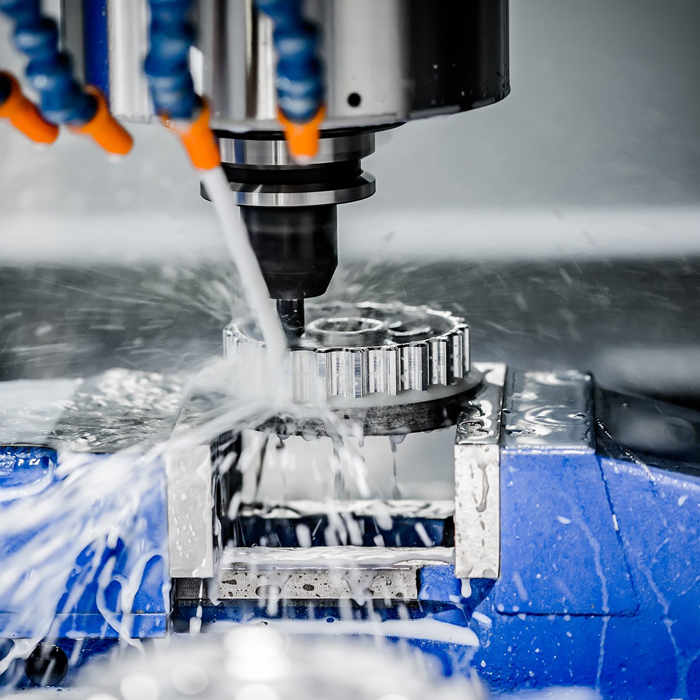
A CNC router configured for metal work uses a spindle and cutting tools to remove chips from the workpiece. It is not usually the first choice for thick steel plate, but it can be effective for aluminum, brass, copper, plastics, composites, and light nonferrous metal parts. The same platform can mill slots, drill holes, machine pockets, engrave surfaces, and create three-dimensional shapes. Tool selection, spindle power, feed rate, coolant, chip evacuation, and workholding all influence the final result. For more demanding steel machining, buyers generally choose a machining center with a rigid frame, protected guideways, automatic tool changing, and a suitable spindle. See the vertical cnc machining center MV1380 when a project requires stable milling rather than sheet profiling alone.
Features of a CNC Metal Cutting Machine
The right CNC metal cutting machine should be evaluated as a complete operating system, not simply by advertised motor power. Frame rigidity affects vibration control and cut quality. Servo motors, linear guides, ball screws, rack-and-pinion drives, and controller response all influence positioning accuracy. Laser buyers should review the laser source brand, rated power, autofocus function, nozzle design, and gas-control system. Plasma buyers need to examine torch height sensing, arc-start reliability, consumable availability, and fume extraction. Router and machining-center buyers should check spindle speed, taper size, tool magazine capacity, coolant delivery, worktable load, and enclosure design. A practical factory specification should also cover table size, maximum material thickness, repeatability, electrical requirements, software compatibility, and operator safety functions.
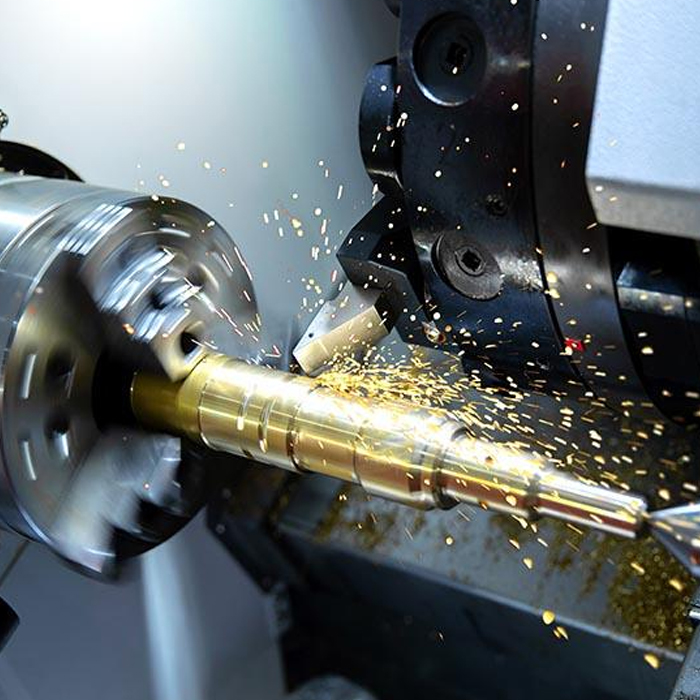
Productivity is about more than cutting speed. A machine that cuts quickly but needs frequent manual alignment may produce fewer finished parts per shift than a slower system with automatic nesting and stable fixturing. Laser equipment generally delivers the best edge quality for thin sheet and small features. Plasma provides strong output for thicker plate and large outlines. Router-based equipment offers the broadest range of mechanical operations when a part needs machining after the profile is cut. For shafts, pipe fittings, flanges, and oilfield components, a CNC lathe is normally a better fit than a flat cutting table. MAKCNC also provides the cnc inclined bed lathe for production turning applications.
Metal Cutting CNC Machine Applications
Metal cutting equipment is used across a wide range of industries. Laser systems are common in sheet-metal enclosures, lighting parts, kitchen equipment, elevator panels, automotive components, and precision brackets. Plasma tables are widely used for steel structures, mining parts, agricultural machinery, ship components, pressure vessel accessories, and repair workshops. Router-style systems and machining centers support aluminum profiles, molds, fixtures, prototype parts, and components with drilled or milled features. CNC lathes serve petroleum, water conservancy, geological exploration, communication, and general engineering applications. In our experience, export buyers should begin with the actual parts rather than the machine label. Send drawings, material grades, thickness ranges, tolerance requirements, daily output targets, and sample photos. Those details make it easier to determine whether a laser, plasma, router, lathe, or machining center will deliver the lowest cost per completed part.
Industrial Metal Cutting Equipment Cost Factors
The price of industrial metal cutting equipment can vary significantly. A small plasma table may cost far less than a high-power fiber laser with automatic loading and unloading. A router can have a moderate purchase price, but tooling and spindle upgrades may increase the final investment. Laser cost is affected by source power, cutting-bed dimensions, exchange-table design, gas system, control software, and automation level. Plasma cost depends on the power supply, torch type, table construction, height control, and extraction equipment. For a machining center, spindle specifications, axis travel, tool capacity, coolant system, accuracy, and control brand all affect the quotation. Buyers should also budget for freight, import duty, installation, training, spare consumables, voltage conversion, and local service.
Operating cost deserves just as much attention as the purchase price. Laser systems may consume nitrogen or oxygen at a significant rate, while plasma systems require electrodes, nozzles, shields, and compressed air or process gas. Router users need to replace cutting tools and manage chips, coolant, and spindle maintenance. Electricity use depends on duty cycle, machine power, standby time, and the production schedule. Ask the supplier for a written list of recommended spare parts and consumables for the first 12 months. Confirm packing dimensions, gross weight, container loading method, warranty coverage, remote support, and available manuals. A low initial price does not always mean the lowest ownership cost, particularly when a factory depends on daily output and cannot wait weeks for a replacement component.
Metal Cutting CNC Machine User Guide
Before installation, prepare a level foundation, suitable electrical supply, compressed air or industrial gas connections, ventilation, lighting, and enough service space around the machine. Check whether workshop voltage matches the machine specification; common export requirements include 380 V, 400 V, or 415 V three-phase power. After positioning, technicians should inspect axis movement, lubrication, grounding, emergency stops, limit switches, and controller parameters. Laser and plasma systems need the correct gas pressure and clean supply lines. Router and machining-center systems need accurate tool measurement, secure clamping, and suitable coolant management. Operators should run a dry test above the workpiece before the first production cycle. This straightforward check can catch incorrect coordinates, wrong tool offsets, or an unsuitable cutting direction before material is wasted.
Material testing should form part of commissioning. Record the material grade, thickness, nozzle or tool type, feed rate, pierce delay, spindle speed, gas pressure, and cutting height. Keep a parameter sheet near the controller and update it after successful trials. Inspect the first five parts with calipers, gauges, or a coordinate measuring system when tight tolerances apply. Remove slag from plasma-cut edges, clean laser optics according to the supplier procedure, and inspect router tools for wear before they damage the workpiece. Operators must use eye protection, hearing protection, gloves suitable for handling sharp parts, and the machine enclosure or fume extraction system where required. Proper training reduces scrap and helps protect the machine through long production shifts.
Metal Cutting CNC Machine Supplier Selection
A dependable supplier should offer more than a machine quotation. Review the manufacturer’s factory experience, controller knowledge, quality inspection process, export packaging, installation support, and response time for technical questions. Ask for videos or drawings of comparable projects, not only general product photographs. MAKCNC supplies CNC lathes, vertical machining centers, horizontal machining centers, gantry processing machines, heavy-duty cutting lathes, and CNC oilfield lathes. Its recommended product lines focus on high speed, high rigidity, performance, and production efficiency for automotive, aerospace, minerals, agricultural machinery, chemical, petroleum, water conservancy, and geological exploration applications. Buyers can review global cnc machinery cases of makcnc to see examples of equipment supplied for different industrial requirements.
Export purchasing also requires clear communication about documentation and after-sales service. Confirm the commercial invoice, packing list, certificate of origin, wiring diagram, foundation drawing, user manual, and software backup before shipment. Ask whether remote commissioning is included and whether the supplier can guide local technicians through installation by video call. When a standard model does not match the workpiece, MAKCNC can discuss customized cnc machines and machining centers from makcnc, including worktable dimensions, spindle options, tooling, automation, and special fixtures. If you are looking for a metal cutting machine supplier, contact MAKCNC with your drawings and production details to receive the latest product quotation.
Which Metal Cutting CNC Machine Is Best for Steel
The best choice depends on steel grade, thickness, edge requirements, and production volume. For thin stainless steel and carbon-steel sheet with detailed profiles, a fiber laser often produces the cleanest edge and the smallest heat-affected area. For thick carbon-steel plate, a plasma table can provide a lower cost per cut and strong output, particularly for large structural profiles. A router is generally reserved for light aluminum work or steel components that require milling rather than simple profile separation. If the part includes turning, threading, boring, or chuck workholding, choose a CNC lathe. If it needs multiple drilled, tapped, and milled features, a vertical or horizontal machining center will usually be more suitable than a laser or plasma table.
How Does a CNC Metal Cutting Machine Compare With Laser Cutting
Laser cutting is one type of CNC metal cutting machine, so this comparison usually means laser versus plasma or mechanical router cutting. Laser equipment typically produces finer details, narrower kerfs, and cleaner edges on thin and medium sheet. Plasma generally costs less for thick carbon steel and can be highly productive on large outlines, although the edge may need cleanup. Router systems apply physical cutting force and can create pockets, holes, threads, and contoured surfaces, but tool wear and cutting forces limit their use on thick steel. The right choice depends on the finished part. If the work involves flat sheet with repeated profiles, laser or plasma may be ideal. If it requires material removal on several faces, select a machining center.
What Materials Can a Metal Cutting CNC Machine Process
Depending on the technology and machine configuration, a metal cutting CNC machine can process carbon steel, stainless steel, aluminum, brass, copper, galvanized sheet, titanium, and selected nickel-based alloys. Laser settings must account for reflectivity, thickness, assist gas, and heat transfer. Plasma is especially effective on conductive materials, with carbon steel being a common production material. CNC routers and machining centers can process aluminum, brass, copper, engineering plastics, composites, and some steel grades when the machine has sufficient rigidity, spindle power, tooling, and coolant. A supplier should confirm the material before recommending a model because the same rated machine may perform very differently on 1 mm stainless sheet and 20 mm carbon-steel plate.
FAQ of Metal Cutting CNC Machine
Is laser cutting more accurate than plasma cutting?
For thin and medium sheet, laser cutting is generally more accurate and produces a narrower kerf. It handles small holes, tight corner details, and closely spaced features with less secondary finishing. Plasma cutting remains a strong option for thicker conductive materials and large profiles where maximum precision is not the primary requirement. Accuracy also depends on the machine frame, drive system, torch or laser head, material flatness, calibration, and cutting parameters. A well-maintained plasma table can produce useful production parts, while a poorly adjusted laser can still create defects. Buyers should request sample cuts in their own material before making a final selection.
Can one machine replace laser, plasma, and router equipment?
Some hybrid systems combine technologies, but one machine rarely delivers the best result for every operation. A laser may cut sheet quickly but cannot replace a machining center for deep pockets, rigid tapping, or complex three-dimensional milling. A plasma table may cut thick plate effectively but cannot provide the same fine edge on thin stainless steel. A router can perform mechanical cutting and engraving but may not suit heavy steel production. If a factory produces several part families, it may be more practical to use a cutting table for profiles and a machining center or lathe for secondary operations. MAKCNC can review the part drawings and suggest a suitable equipment combination.
What should international buyers ask before ordering?
Ask for machine dimensions, net and gross weight, electrical requirements, working range, supported materials, maximum thickness, repeatability, controller brand, warranty terms, spare-parts list, installation method, and training scope. Confirm whether the quoted price includes tooling, software, gas equipment, extraction, transformer, freight packing, and commissioning. Request a cutting test or machining sample using the material and thickness you actually purchase. It is also wise to confirm the nearest service route, remote support hours, delivery schedule, payment terms, and export documents. Clear specifications help prevent misunderstandings between the purchasing team, factory engineers, customs broker, and final machine operator.
Choose MAKCNC for CNC Metal Processing
MAKCNC is a professional CNC lathing machine manufacturer and supplier of CNC machine tools for international industrial buyers. Its product range covers CNC lathing machines, vertical and horizontal machining centers, gantry processing equipment, heavy-duty cutting lathes, CNC oilfield lathes, and related customized systems. The company supports applications in petroleum, automotive, aerospace, agricultural machinery, minerals, chemicals, communication equipment, and general manufacturing. If you need a high quality and durable cnc lathe, a professional cnc machining center solution, or a customized production machine, share your material, drawing, tolerance, output target, and destination country with the MAKCNC team. Contact us for the latest product quotation and technical recommendation.