
When investing in a Custom CNC Turning & Milling Machine, a buyer faces the risk of underestimating total project costs or misaligning machine specifications with production needs. Beyond the base machine price, critical elements like automation, specialized tooling, and commissioning can significantly alter the final investment. Overlooking these details early on can lead to budget overruns or a system that fails to deliver the expected return. This guide outlines the key components contributing to the overall cost and performance of a custom turning and milling solution, helping you set a realistic budget and specify the right equipment for your operations.
What is a Custom CNC Turning & Milling Machine?
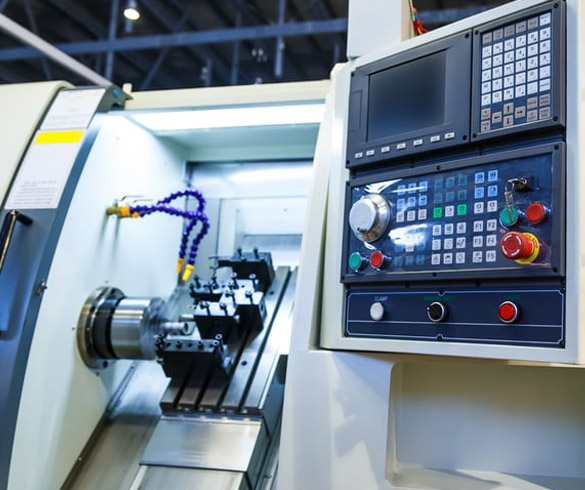
A Custom CNC Turning & Milling Machine is an advanced manufacturing solution designed to perform both turning (lathe work) and milling (rotary cutting) operations on a single platform. Unlike standard, off-the-shelf CNC machines, a custom unit is engineered or configured specifically to meet unique production requirements, part geometries, material types, or automation levels. This bespoke approach ensures the machine integrates seamlessly into existing workflows, maximizes efficiency for specific tasks, and addresses particular manufacturing challenges, such as processing complex components requiring multiple operations in one setup. These machines are crucial for industries requiring high precision and flexibility for diverse production runs, from single prototypes to small-batch manufacturing.
The core functionality relies on Computer Numerical Control (CNC) technology, which uses programmed instructions to dictate tool movements and workpiece manipulation. This allows for intricate, repeatable, and highly accurate machining processes. Customization extends beyond basic features to encompass spindle configurations, tool magazine capacity, workholding solutions, and integration with advanced automation systems, making each machine a tailored asset for its intended purpose. Our facilities, operating under ISO9001:2015 standards, ensure that every custom solution meets stringent quality and performance criteria.
Types of Custom CNC Turning & Milling Machine Configurations
Custom CNC turning and milling machines come in various configurations, each designed to optimize specific production scenarios. The choice depends on workpiece size, complexity, required precision, and desired automation level. Understanding these types is vital for specifying a Custom CNC Turning & Milling Machine that aligns with your operational goals.
- Multi-Axis Mill-Turn Centers: These machines combine turning and milling capabilities with 4, 5, or even more axes. They are ideal for complex parts that require operations on multiple faces in a single setup, reducing part handling and improving accuracy. For example, a 5-axis machine can tilt the tool or workpiece, accessing previously unreachable areas.
- Integrated Turning and Machining Centers: While similar to mill-turn, these often feature separate turning and milling spindles that can operate simultaneously or in sequence, enhancing throughput. They are frequently used for high-volume production of intricate components.
- Horizontal vs. Vertical Configurations:
- Vertical CNC Turning & Milling Machine: Often preferred for larger, heavier workpieces or when floor space is a constraint. The spindle is vertically oriented. Examples include variants like the Vertical CNC Machining Center MV1380 or the Vertical CNC Machining Center MV1270.
- Horizontal CNC Turning & Milling Machine: Excellent for chip evacuation and often equipped with pallet changers for continuous production, especially for high-volume runs. The spindle is horizontally oriented. We offer horizontal CNC machining center solutions.
- Swiss-Type Lathes with Milling Capabilities: Primarily for small, precise parts (e.g., medical, watchmaking). The workpiece moves axially past the tool, allowing for very high precision and multiple operations on tiny components.
- Gantry-Type CNC Machines: Used for very large or long workpieces where the gantry moves over a stationary bed. These are often customized for specific applications like aerospace components or large mold fabrication.
Each type offers distinct advantages in terms of part size, production volume, and geometric complexity. A thorough assessment of your specific manufacturing needs will guide the selection of the most appropriate Custom CNC Turning & Milling Machine configuration.
Key Features of a High-Performance Custom CNC Turning & Milling Machine
The performance of a Custom CNC Turning & Milling Machine is defined by several core features that ensure precision, rigidity, and efficiency. Our machines incorporate specific design and component choices to meet demanding B2B export standards.
- Structural Rigidity: The machine body is typically constructed from high-strength cast iron, such as resin sand castings. This material undergoes an aging treatment to maintain long-term precision and structural rigidity, minimizing vibration during heavy cutting and ensuring consistent accuracy.
- High-Precision Core Components: Critical transmission parts, including lead screws and guide rails, are sourced from high-precision Taiwanese or German brands. This selection ensures smooth, accurate, and repeatable motion, which is fundamental for achieving tight tolerances.
- Advanced System Integration: For applications requiring high-precision machining, particularly in the mold industry, our machines integrate advanced technologies. These include intelligent feedforward and over-quadrant jump compensation. Such features actively address common machining issues like "over-cut marks, quadrant marks, and chatter marks," resulting in superior surface finish and dimensional accuracy.
- Multi-Face Machining Capability: For manufacturers dealing with high-mix, low-volume production, our machines offer the ability to complete multi-face machining in a single clamping operation. This significantly reduces setup times, improves part accuracy by eliminating re-fixturing errors, and boosts overall productivity.
- Precision Spindles and Tooling Systems: Depending on the customization, machines feature high-speed, high-torque spindles suitable for both turning and milling. Tool changers are often integrated, allowing for automated tool selection and rapid exchange, further streamlining complex operations.
These features combine to deliver a robust and reliable machine capable of meeting the stringent demands of modern manufacturing, ensuring that each Custom CNC Turning & Milling Machine is a long-term asset.
Custom CNC Turning & Milling Machine Application Scenarios
A Custom CNC Turning & Milling Machine provides versatility for a wide range of industries and specific manufacturing challenges. Its ability to perform multiple operations in one setup makes it invaluable where precision, complexity, and efficiency are paramount.
- Mold Manufacturing: The high-precision processing capabilities, including intelligent feedforward and over-quadrant jump compensation, are specifically designed to address common issues like over-cut marks, quadrant marks, and chatter marks. This makes them ideal for producing intricate and highly accurate molds with superior surface finishes.
- Aerospace Components: For parts like turbine blades, structural components, or engine parts made from difficult-to-machine alloys, the multi-axis capabilities and rigid construction ensure the necessary precision and material removal rates.
- Medical Device Production: Manufacturing implants, surgical instruments, and specialized connectors requires extreme precision and the ability to work with biocompatible materials. Custom turning and milling machines can achieve the tight tolerances and complex geometries demanded by this sector.
- Automotive Industry: From engine blocks and transmission components to bespoke prototypes and specialty parts, these machines support both high-volume standardized production and low-volume, high-complexity custom parts.
- Energy Sector: Producing components for oil & gas, wind turbines, or nuclear applications often involves large, heavy parts with complex features and high material strength, which benefits from the rigidity and power of a custom machine.
- General Job Shops and Contract Manufacturing: For businesses handling diverse client projects, the ability to perform multi-face machining in a single setup for small-batch production is a significant advantage, increasing throughput and flexibility. This allows them to offer competitive solutions for a variety of part geometries and materials.
The adaptability of a Custom CNC Turning & Milling Machine means it can be tailored to excel in environments requiring high precision, complex geometries, and efficient processing across various materials.
Understanding Custom CNC Turning & Milling Machine Investment Costs
The total investment for a Custom CNC Turning & Milling Machine extends beyond the base machine price. A comprehensive cost analysis separates confirmed, estimated, and unknown expenses to provide a clear financial picture. This approach helps in budgeting accurately and avoiding unexpected expenditures.
Cost Model for a Custom CNC Turning & Milling Machine
The table below breaks down typical cost components, from the base machine to operational readiness. Note that exact figures vary widely based on machine size, complexity, brand, country of origin, and specific customization levels.
| Cost Category | Description | Type | Notes & Impact |
|---|---|---|---|
| Base Machine Price | The core machine unit, including spindles, axes, and control system. | Confirmed | Primary cost. Influenced by machine size, number of axes (e.g., 3-axis vertical CNC machining center MV970 vs. 5-axis), power, and brand reputation. Request detailed specifications to compare. |
| Bar Feeders | Automated system to feed raw material bars into the machine for continuous operation. | Estimated | Essential for lights-out or high-volume turning. Cost varies by bar diameter, length, and automation level. Can significantly increase throughput. |
| Robot Loading/Unloading Systems | Industrial robots for automated workpiece handling, palletizing, and machine tending. | Estimated | Increases automation, reduces labor costs, and improves safety. Complex integration, so programming and safety features add to cost. |
| Probing Systems | On-machine measurement systems (e.g., touch probes, laser probes) for workpiece setup, in-process inspection, and tool measurement. | Estimated | Improves accuracy, reduces setup time, and enables adaptive machining. Costs vary by probe type and features. |
| Tooling Package | Cutting tools, tool holders, and collets required for specific part production. | Estimated | Initial tool set is crucial. Ongoing costs for wear items. Varies greatly by material, part complexity, and required finishes. |
| Safety Enclosures & Features | Additional safety measures beyond standard machine guards, such as light curtains, interlocks, and specialized enclosures. | Estimated | Mandatory for compliance in many regions, especially with automation. Ensure local regulations are met. |
| Coolant Management System | High-pressure coolant systems, filtration units, and chip conveyors. | Estimated | Improves tool life, surface finish, and machine cleanliness. Essential for efficient chip evacuation and thermal control. |
| Installation & Commissioning | On-site setup, electrical connections, leveling, and functional testing. | Estimated | Labor and travel costs for technicians. Ensures machine operates to specifications. Typically includes initial training. |
| Freight & Insurance | Shipping from manufacturer to your facility, including transit insurance. | Confirmed | Varies by machine size, weight, origin, and destination. Obtain detailed quotes (FOB, CIF, DDP options). |
| Ancillary Equipment | Air compressors, dust collectors, material handling equipment, CAD/CAM software licenses. | Estimated | Often overlooked, but critical for a complete operational cell. |
| Training & Support | Advanced operator and maintenance training beyond initial commissioning. | Estimated | Ensures optimal machine utilization and troubleshooting capabilities. Can be a recurring cost. |
| Foundation & Site Preparation | Reinforced concrete pads, utility connections (power, air, coolant lines) for machine installation. | Unknown | Site-specific. Requires civil engineering assessment. Can be substantial for heavy machines. |
| Local Regulations & Permits | Costs associated with obtaining necessary permits for installation and operation, environmental compliance. | Unknown | Highly dependent on local governmental requirements. Consult local authorities early. |
| Currency Fluctuations / Import Duties | Impact of exchange rate changes and import tariffs. | Unknown | Can significantly affect final cost, especially for international purchases. |
While we offer no hard minimum order quantity, and single units are available, batch purchases (e.g., multiple machines) can qualify for more favorable business terms regarding price, delivery, or after-sales service. Lead times for a Custom CNC Turning & Milling Machine typically range from 1 to 6 months, depending on the complexity of customization and current production schedules. Always request a detailed quote to clarify all components and costs.
Custom CNC Turning & Milling Machine User Guide and Maintenance Tips
Maximizing the lifespan and performance of your Custom CNC Turning & Milling Machine requires adherence to proper operating procedures and a robust maintenance schedule. Here are essential tips for users and maintenance teams:
- Initial Setup Verification: After installation and commissioning, always verify machine leveling and alignment. Any settling of the foundation or movement during transport can affect precision. Our technicians provide on-site setup and initial training to ensure correct operation.
- Operator Training: Ensure all operators are thoroughly trained on the specific control system (e.g., Fanuc, Siemens) and the unique features of your custom machine. Understanding proper tool loading, program execution, and emergency procedures is critical for safety and efficiency.
- Daily Checks: Before each shift, inspect coolant levels, hydraulic pressure, and lubrication systems. Check for any unusual noises or vibrations during startup. Clean chips from the work area and ensure effective chip evacuation.
- Scheduled Lubrication: Follow the manufacturer's recommendations for lubricating guide rails, ball screws, and other moving components. Proper lubrication prevents premature wear and maintains accuracy.
- Coolant Management: Regularly monitor coolant concentration, pH levels, and filtration. Contaminated or improper coolant can reduce tool life, affect surface finish, and lead to machine corrosion.
- Tool Management: Implement a system for tracking tool wear and replacement. Worn tools can cause poor surface finish, dimensional inaccuracies, and damage to the workpiece or machine. Utilize any integrated probing systems for tool presetting and breakage detection.
- Preventative Maintenance: Adhere strictly to the preventative maintenance schedule provided in the machine manual. This includes periodic inspections of electrical components, hydraulic systems, pneumatic systems, and spindle health. Our standard warranty covers 12 months after machine acceptance, with lifetime paid service available. For some tender projects, this can extend to three years of free warranty.
- Environmental Control: Maintain a stable shop environment with controlled temperature and humidity. Extreme fluctuations can affect machine precision and component longevity. Keep the machine free from excessive dust and debris.
- Software and Control System Updates: Keep the CNC control software updated according to manufacturer recommendations. This ensures optimal performance, security, and access to new features.
- After-Sales Support Utilization: Leverage our after-sales network. We commit to an 8-hour response time and 48-hour on-site fault resolution for critical issues, ensuring minimal downtime for your professional cnc machining center solution.
By following these guidelines, you can ensure your Custom CNC Turning & Milling Machine operates at peak performance for many years, delivering consistent precision and productivity.
MAKCNC as Your Custom CNC Turning & Milling Machine Supplier
Since our establishment in 2016, MAKCNC has developed into a reliable supplier of Custom CNC Turning & Milling Machine solutions for the B2B export market. We understand the specific demands for precision, efficiency, and tailored capabilities in manufacturing.
Our commitment to quality is underscored by our ISO9001:2015 certification, ensuring every machine meets international standards for design, production, and service. We operate multiple production lines and maintain a stock of sample machines, which supports efficient manufacturing and quality control.
MAKCNC specializes in creating machines that deliver tangible benefits:
- Tailored Solutions: We offer customized CNC machines and machining centers from MAKCNC, designed to fit your unique production requirements, whether it's for complex mold parts or multi-component small-batch production.
- Robust Construction: Our machines feature main bodies crafted from high-strength cast iron (such as resin sand castings), which are aged to ensure long-term precision and rigidity.
- Precision Components: Core transmission parts like lead screws and guide rails are selected from high-precision Taiwanese or German brands, ensuring optimal performance and accuracy.
- Advanced Technology: For demanding applications, our systems integrate intelligent feedforward and over-quadrant jump compensation, effectively solving issues like over-cut marks and chatter marks.
- Flexible Procurement: While there is no hard minimum order quantity, and single units are available, we offer more favorable business terms for bulk purchases in terms of price, delivery, and after-sales service.
- Reliable Support: We provide a standard 12-month warranty after machine acceptance, with lifetime paid service. Our mature after-sales network guarantees an 8-hour response time and 48-hour on-site fault resolution, minimizing your operational downtime.
Partner with MAKCNC for a high quality and durable CNC lathe or a professional CNC machining center solution that is precisely engineered for your success. Our experience and dedicated support ensure you receive a machine that performs reliably and efficiently.
FAQ of Custom CNC Turning & Milling Machine
Q1: What is the typical lead time for a Custom CNC Turning & Milling Machine?
Lead times for a Custom CNC Turning & Milling Machine typically range from 1 to 6 months. This duration depends on the complexity of the customization, the specific components required, and our current production schedule. We recommend engaging early with our technical team to get a more precise estimate based on your project requirements.
Q2: Can I purchase a single Custom CNC Turning & Milling Machine, or is there a minimum order quantity?
There is no hard minimum order quantity for our machines. You can indeed purchase a single Custom CNC Turning & Milling Machine. However, for bulk purchases, such as multiple units, we can offer more favorable business terms regarding price, delivery schedules, or enhanced after-sales service packages.
Q3: What kind of warranty and after-sales support does MAKCNC provide for custom machines?
We provide a standard warranty of 12 months after the machine's acceptance. Additionally, we offer lifelong paid service for all our machines. For certain tender projects or specific contractual agreements, we can extend the free warranty period, sometimes up to three years. Our mature after-sales network ensures a response within 8 hours and on-site fault resolution within 48 hours for critical issues, minimizing your operational downtime.
Q4: How does a Custom CNC Turning & Milling Machine handle complex parts and specific industry challenges?
Our custom machines are designed with advanced system integration, including intelligent feedforward and over-quadrant jump compensation technologies. These features effectively address common challenges in high-precision machining, such as over-cut marks, quadrant marks, and chatter marks, which are crucial for industries like mold manufacturing. For multi-variety, small-batch production, our machines can complete multi-face machining in a single clamping operation, significantly improving efficiency and accuracy.
Q5: What materials are used in the construction of MAKCNC's custom machines to ensure precision and rigidity?
The main body of our machines typically uses high-strength cast iron, such as resin sand castings. This material undergoes a rigorous aging treatment to ensure long-term accuracy and rigidity. Core transmission components like lead screws and guide rails are sourced from high-precision Taiwanese or German brands, further enhancing the overall stability and precision of the CNC inclined bed lathe or machining center.
If you are looking for a Custom CNC Turning & Milling Machine supplier, please feel free to contact us for the latest product quotation.