Digital Control Machine Tool Cybersecurity and Your Factory Floor
What is a Digital Control Machine Tool?
A digital control machine tool is any machining equipment where movements and operations are governed by encoded commands rather than manual handwheels or levers. These machines read G-code—a string of coordinates and feed rates—and convert them into precise spindle rotations, axis travels, and tool changes. The brain of the system is the CNC digital control system, a dedicated industrial computer that interprets the program, monitors feedback from servo drives and sensors, and adjusts outputs in real time. Unlike traditional manual lathes or mills, digitally controlled machine tools can run unattended for hours, repeat complex contours within microns, and accept new jobs over a network. But that connectivity comes with risks. In our experience, too many shops plug a brand-new VMC into the local network without thinking about who else might be listening.
Types of Digital Control Machine Tools
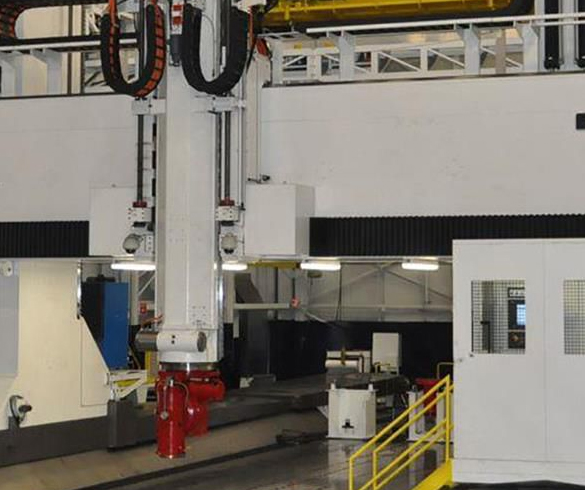
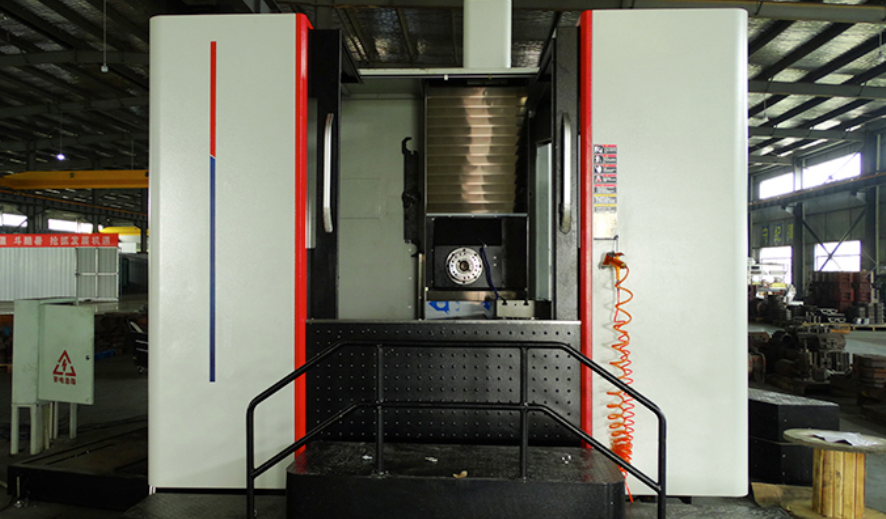
Broadly, digitally controlled machine tools split into three families based on spindle orientation and structure. The first is vertical machining centers, where the spindle points straight down. These are the workhorses for prismatic parts—valve bodies, manifold plates, bracket housings. The second family is horizontal machining centers. Here the spindle is horizontal, which flips chip evacuation by gravity and often pairs with a pallet changer for nonstop production. The third family covers lathes and turning centers. A CNC inclined bed lathe, for example, uses a slanted carriage to shed chips and coolant while an 8- or 12-station turret indexes tools under program control. All three families share a common digital machine tool control architecture: an operator interface (HMI), a central processing unit, programmable logic controller modules, and fieldbus connections to drives. Whether you run a heavy-duty cutting lathe cutting oilfield threads or a five-axis gantry milling an aerospace frame, the CNC digital control system is what converts CAD data into finished metal.
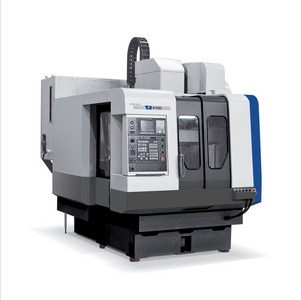
Each type has specific physical protections—gantry mills often come with fully enclosed splash guards that double as access barriers—but the underlying controller firmware and network ports need their own separate security strategy. A vertical CNC machining center like the vertical CNC machining center mv1380 might look like a sealed box, yet its Ethernet jack can be an open door.
Features That Affect Security in a Digitally Controlled Machine Tool
Modern digital control machine tool designs pack in features that directly expand the attack surface. Remote access for diagnostics is a big one. Service engineers from the builder can log in to adjust servo tuning or pull alarm logs—convenient, but if that connection uses default passwords, anyone can poke around. Data logging is another. A well-integrated machine captures cycle times, spindle loads, and tool life counts in a central database for OEE tracking. The moment that data moves across the factory network, it becomes a target for production data theft. Look for controllers that support encrypted communication protocols, locked-down user permission tiers, and hardware-based security keys. The tighter the integration between the digital machine tool control and the plant IT system, the more both sides need to trust each other. We’ve seen shops where a misconfigured router allowed an outsider to ping the CNC and stop a live tool mid-cut—not a drill anyone wants in their workpiece.
Beyond encryption, a few practical features matter: automatic logoff after idle time on the HMI, audit trails that record every program upload and parameter change, and whitelisting of approved G-code file sources. Not every machine ships with these turned on; sometimes it’s a checkbox in the setup screen. When you compare digitally controlled machine tools, ask the seller whether those options are standard or optional firmware add-ons. At MAKCNC, our latest CNC digital control system releases enforce two-factor authentication for any remote session, and we physically separate the control network port from the office LAN on our cnc inclined bed lathe and machining centers.
Applications Where Industrial CNC Cybersecurity Cannot Be Ignored
Any factory machining parts for telecommunications, automotive sensors, or hydraulic components handles CAD files that define a product not yet in the market. A leak of that G-code or probing macro could hand a competitor months of reverse engineering. But industrial CNC cybersecurity matters even more in sectors like oilfield equipment, where a modified turning program could produce a coupling with a subtly wrong thread profile—putting drill strings at risk thousands of feet underground. Our cnc lathing machine, high quality and durable cnc lathe models cutting API threads demand absolute integrity of the toolpath file. Any tampering with feed rates or offset registers could scrap an expensive forging or, worse, create a safety hazard. Similarly, aerospace gantry operations milling structural ribs out of monolithic aluminum billets have no room for a stalled program or a ransomware note on the screen. The cost of downtime on a large five-axis machine can exceed $500 per hour, not counting the value of the part in jeopardy.
The threat isn’t hypothetical. In 2022, a well-publicized supply chain attack targeted engineering workstations that fed programs to multiple CNC digital control systems, spreading through shared USB drives. The attackers didn’t want the code; they wanted to lock the machines and demand payment. Manufacturers in the energy sector learned the hard way that digitally controlled machine tools are just as vulnerable as any Windows PC if left unpatched. Defining network segmentation—keeping your CNC controllers on a VLAN with no internet access and a strict access control list—is table stakes. From there, application whitelisting at the controller level prevents unauthorized executables from running.
Factors That Influence the Total Cost of Secure Digital Control Machine Tools
Entry-level digital control machine tool pricing often starts around $28,000 for a simple two-axis lathe and climbs past $150,000 for a fully equipped horizontal machining center. Where does cybersecurity cost show up? Partly in the controller brand. Fanuc, Siemens, and Heidenhain offer secure boot and built-in encryption features, but the builder may flag them as premium options. Then there’s the network hardware: a managed industrial switch with port security and a proper firewall adds $800–$2,500 to the installation. Software licensing for endpoint protection agents that run on the CNC PC front end can cost $300–$600 per node annually. If you need a customized cnc machines and machining centers from makcnc to your factory’s security policies—say, to replace default accounts with corporate directory authentication—expect engineering time to be quoted separately. In the long run, a machine built with layered security from the outset costs less than retrofitting a ten-year-old VMC whose controller OS won’t accept current antivirus.
Another cost factor is the industry regulation load. A shop making parts for defense contractors might be required to meet CMMC or NIST SP 800-171 controls, which forces machine isolation, audit logging, and periodic vulnerability scans. Those compliance steps add labor but also prevent a breach that could shutter a supplier relationship overnight. Factoring in downtime avoidance, the premium for a cyber-hardened CNC digital control system tends to pay back within the first avoided incident.
How to Commission and Safely Network Your Digital Control Machine Tool
Start with physical isolation during setup. Before you plug that shiny new digital control machine tool into anything, run the initial parameters and test cycles with the Ethernet cable unplugged. Change every default password on the controller, the HMI operating system, and any connected data collection PC. Defaults are published openly—an attacker’s first move is to scan for “admin/admin.” After that, configure a dedicated machine network VLAN with no routing to the internet. Use a hardware firewall or at least an ACL on the switch to allow only the necessary IP addresses: the CAD/CAM server, the tool crib database, and maybe a time server for accurate logs. Block everything else. For remote diagnostics, enforce a VPN with certificate-based authentication, not a simple shared secret. Keep a logbook—physical or digital—of every firmware update, parameter backup, and program transfer. If something odd happens, the audit trail is your first diagnostic tool.
Regular maintenance includes security patches. CNC builders release firmware updates that fix known vulnerabilities; apply them during planned downtime just as you’d change way wipers or spindle oil. Train operators to recognize phishing lures that might target the engineering network. A simple USB stick dropped in the parking lot has compromised more digital machine tool control systems than any exotic hack. On our vertical cnc machining center mv1270 and sister models, we recommend disabling the USB ports on the HMI entirely once the postprocessor is verified. Files travel over a monitored folder on the network, not a thumb drive.
Choosing a Reliable Digital Control Machine Tool Supplier
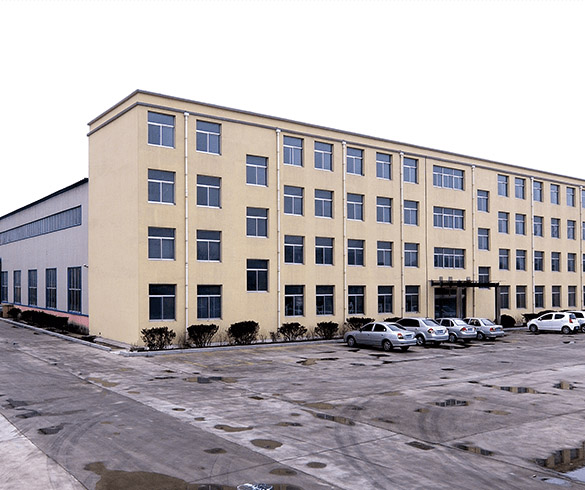
MAKCNC ships digitally controlled machine tools to buyers in over 20 countries, and we treat cybersecurity as a core specification—not an afterthought. Our in-house electrical engineers pre-configure each CNC digital control system with unique credentials, disabled USB ports, and hardened network settings before the machine leaves our test floor. We document every security setting in the operation manual so your IT team knows exactly what’s in place. As a professional cnc lathing machine manufacturer, we offer vertical and horizontal machining centers, heavy-duty cutting lathes, and oilfield lathes that comply with CE and ISO 9001 standards. Beyond the metal, we can connect you with our automation partners to design a segmented, secure production cell. Real case studies from our global cnc machinery cases of makcnc include automotive lines where zero-trust networking cut unscheduled downtime by 40%. If you are sourcing secure, network-ready CNC equipment, we’re ready to provide a tailored quote.
FAQ about Digital Control Machine Tools and Cybersecurity
How does a digital control machine tool improve production security?
A digital control machine tool improves production security by replacing manual oversight with coded access controls and encrypted command streams. Modern CNC digital control systems can enforce user authentication, restrict program modifications to authorized personnel, and log every action for later review. This minimizes the risk of operator error or internal sabotage. Beyond that, a properly networked machine can receive updates and patches without a technician plugging in an unknown laptop, closing a common physical gap. The consistency of automated toolpaths also removes variability that could lead to tool crashes and unplanned downtime—a form of operational security that directly protects the bottom line.
What cybersecurity risks affect digitally controlled machine tools?
Three risks dominate. First, unauthorized remote access through poorly secured remote support ports. Second, malware and ransomware that hitch a ride on USB sticks or infected CAM station files and then spread to the CNC digital control system. Third, production data theft—a competitor or state actor silently copying product programs, probing macros, and machine parameters to replicate your process. Additional threats include man-in-the-middle attacks on unencrypted FTP file transfers and denial-of-service attacks that flood the controller with malformed packets, forcing a watchdog alarm and stopping production. Any digitally controlled machine tool on a flat network without segmentation inherits the risk profile of every other device in the building.
How can manufacturers protect CNC control systems?
Manufacturers should start with network segmentation: put all CNC controllers on their own VLAN and block internet access. Change every default password and disable unused services like FTP or Telnet on the controller. Use whitelisting software on the PC front end so only approved executables run. Set up a separate, encrypted VPN connection for remote maintenance with multi-factor authentication. Log everything—program uploads, parameter changes, login attempts—and ship those logs to a secure syslog server that the machine cannot alter. Train operators not to plug in unknown USB drives and to treat the machine network like cleanroom space. Finally, keep up with firmware patches from the machine tool builder. Physical security matters too: lock the control cabinet. Many digital machine tool control compromises start with someone simply opening an unlocked door and plugging in a rogue device.
For any factory, whether you’re buying a single vertical cnc machining center mv1160 or a full line of inclined bed lathes, treat the network port as you would a shop door—lock it, monitor it, and know who has the key.