CNC Machine Manufacturer Customization Options You Should Know
What is CNC Machine Manufacturer?
CNC Machine Manufacturer MAKCNC specializes in providing customized cnc machines and machining centers from makcnc. In the B2B world, this term refers to an original equipment producer that designs, builds, and sells computer numerical control (CNC) machine tools, but goes far beyond selling standard catalog items. A real CNC machine manufacturer takes your raw part print, your cycle time targets, and your shop floor layout and turns them into a working machine that fits exactly. You are not forced to adapt your process to a machine; the machine is engineered around your process. This involves modifying base castings, integrating special workholding, choosing non‑standard spindle nose types, and even writing custom ladder logic for the CNC controller. When we talk about a custom CNC machine manufacturer, we mean a factory with deep in‑house engineering teams who can modify structure, motion, and electronics—not a reseller who only swaps color paint.
Many buyers confuse re‑branded generic imports with true OEM services. A genuine CNC machine OEM holds its own intellectual property on the mechanical design, casts its own beds or has exclusive mold ownership, and benches and tests every machine under load before shipping. That means you can request specific ball screw grades, linear rail preload classes, or even a completely different swarf management system. MAKCNC, for example, builds machines from the casting up, which makes deep-level customization possible without the lead-time penalties that come with outsourced frames. This is the core difference that defines a real CNC machine manufacturer.
Types of Customization Offered by a CNC Machine Manufacturer
When you approach a capable factory, the menu is broad. The first layer is dimensional customization: extending Z‑axis travel by 200 mm to clear a tall fixture, or widening the column span on a professional cnc machining center solution to accommodate a multi‑part tombstone. Stroke, table size, and distance between guide ways are all adjustable within the platform limits of the casting. Second comes spindle configuration. You might need a BT50 big‑plus spindle for heavy hogging in cast iron, or a 24,000 rpm HSK‑A63 spindle paired with a chiller and oil‑air lubrication for aluminum smartphone frames. Third, tool changer and magazine. A standard 24‑tool arm may be swapped for a 40‑tool chain magazine or a disc type with faster chip‑to‑chip time. We have even added custom tool‑length sensors and broken‑tool detection integrated directly into the ATC carousel.
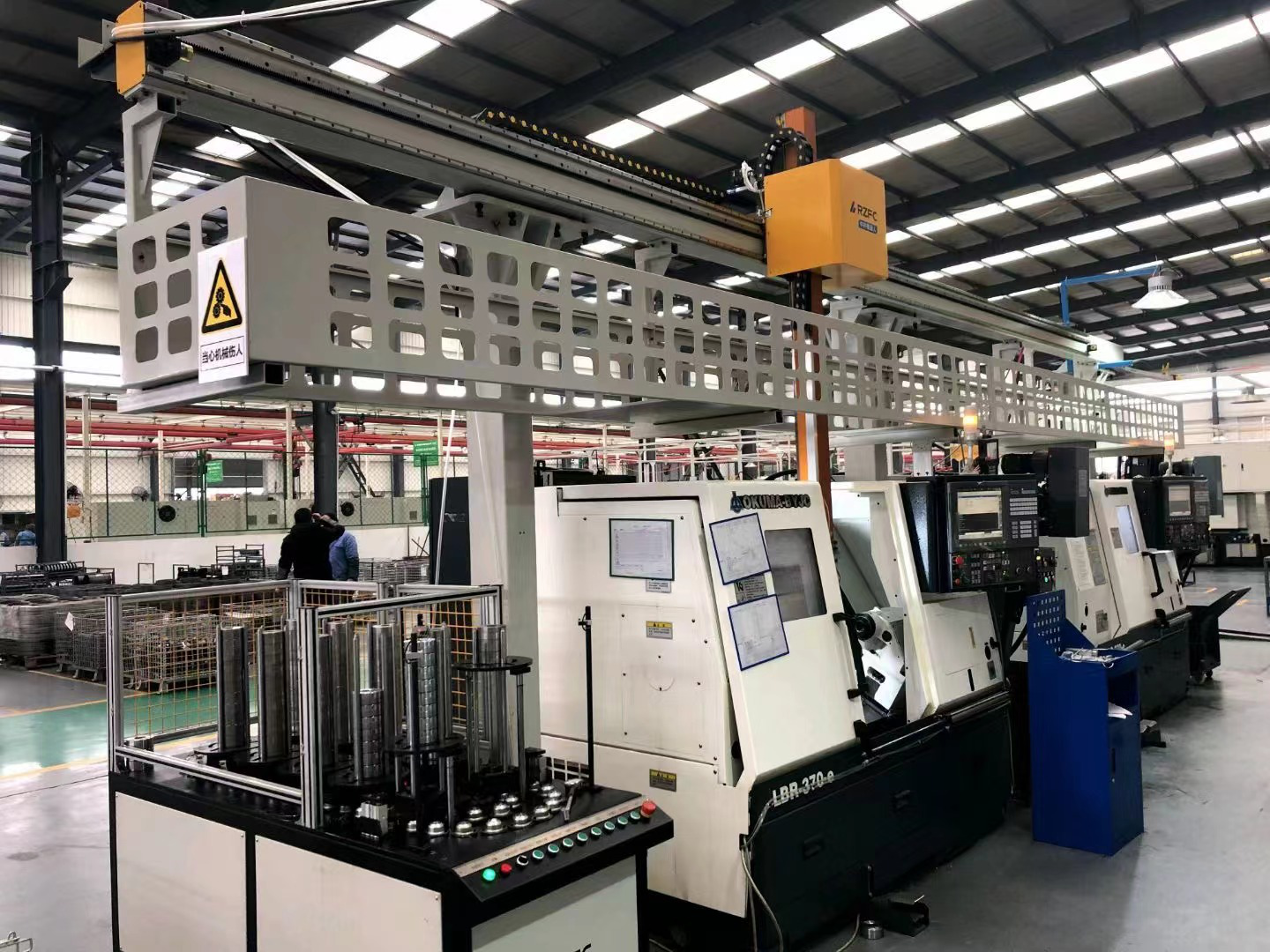
Then there is automation integration: a custom CNC machine manufacturer can embed a gantry loader, a 6‑axis robot, or a pallet pool with 8 pallets and 200 mm pitch. Control customizations include enabling specific G‑code macros, adding probing cycles for in‑process gauging, or setting up an OPC‑UA server to pull data into your MES. Workholding goes beyond vises; we have designed integrated zero‑point clamping plates with hydraulic couplings that never leave the table. Finally, software and HMI – from custom conversational programming screens to predictive maintenance dashboards. Every one of these modifications falls under CNC machine customization, and the best suppliers can quote you a lead time and cost without endless back‑and‑forth.
Features of Custom CNC Machine Manufacturing
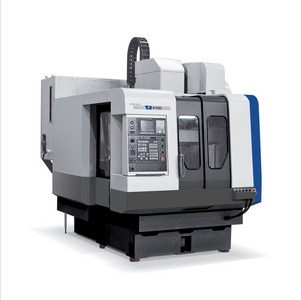
Custom does not mean experimental. A reputable CNC machine OEM builds on proven platforms. For instance, MAKCNC’s vertical machining center lineup uses heavily ribbed cast iron bases that are stress‑relieved in a gas furnace, then rough‑machined, then naturally aged for months before finish grinding. Structural rigidity remains non‑negotiable even when we stretch travels or shift the column. We use Heidenhain linear scales as an option when the application demands ±2 µm positioning repeatability. Another hallmark feature is thermal compensation: sensors mapped to the spindle nose and ball screw nuts feed real‑time offsets to the controller, which is critical when you run lights‑out over night shifts.
From the control side, a customized machine often ships with pre‑loaded tool and fixture libraries plus proven cutting parameters for your specific material. This slashes time‑to‑first‑chip after installation. Lubrication systems are adapted too—minimum quantity lubrication (MQL) for dry machining, or high‑pressure through‑tool coolant at 70 bar for deep‑hole drilling. On lathes, we might configure a Y‑axis live tool turret with 12 driven stations and a sub‑spindle for done‑in‑one processing. The real feature of working with a custom CNC machine manufacturer is that you get a machine bill of materials that reflects exactly what your components need, not a compromise specked for a generic market.
Applications of Custom CNC Equipment
Walk into any shop producing oilfield downhole tools, and you will see global cnc machiery cases of makcnc tackling Inconel 718 parts on custom‑sized horizontal lathes with increased swing over the bed. In automotive lines, custom transfer machines and twin‑spindle vertical centers hold positional tolerances under 10 µm for cylinder heads. Aerospace structural components—stringers, wing ribs—call for custom CNC equipment like 5‑axis gantry mills with 6‑meter X travel and right‑angle heads we engineer specifically for one airframe project. Medical implant manufacturers often request clean‑room ready versions with full bellows covers, special coolant filtration to 5 µm, and stainless‑steel way covers.
Our heavy oilfield lathe series, for example, has been adapted to machine API threaded connections with integrated parts catchers and automatic thread repair cycles. In the communications sector, high‑speed drill/tap centers get customized to mill thousands of identical filter cavities in aluminum, with tool life management and tool‑length auto‑correction loops. When you look at CNC machine customization through the lens of application, the machine becomes a dedicated production cell, not just a general‑purpose tool. That is why we always start an OEM conversation with the part drawing, not the brochure.
CNC Machine Customization Price Factors
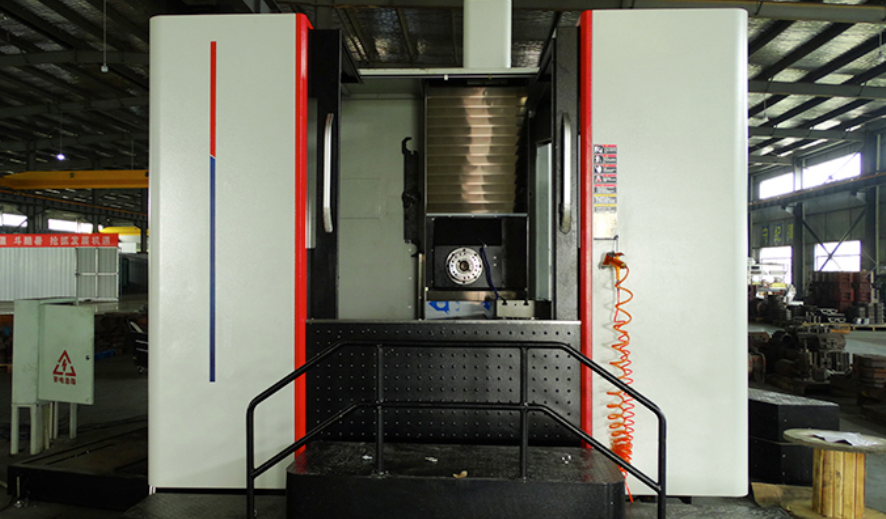
Budgeting for custom CNC equipment starts with the base platform. A vertical machining center MV‑1160 as a standard high quality and durable cnc lathe chassis might list at a base price, but adding extended travels, larger spindle motor, and fine‑pitch ball screws will shift the cost by 12‑18%. Spindle upgrades are a major lever: moving from a greased 10,000 rpm unit to an oil‑lubed 15,000 rpm with ceramic bearings can add $8,000‑$15,000 depending on the maker. Automation is next: a simple hydraulic vise fixture might cost $3,000, while a full turnkey robot cell with 3D vision pushes six figures.
Control and software options vary too. Adding a Renishaw probe package and tool setter typically runs $6,000‑$10,000. Custom macro programming, post‑processor development, and MES integration are quoted on an engineering‑hours basis. Volume and repeat orders matter: if you commit to four identical custom machines per year, the NRE (non‑recurring engineering) cost gets amortized, slashing the per‑unit premium. Lead time also influences price—fast‑track 10‑week builds may incur overtime charges. Every serious CNC machine manufacturer provides a detailed quotation that breaks down base machine, options, and one‑time engineering fees so you can see exactly where your money goes.
User Guide to Requesting a Custom CNC Machine
Getting an accurate quote starts with a single, clear document. Send your CNC machine manufacturer the part print with tolerances, the required annual volume, and a snapshot of your existing tooling and fixture setup. State your must‑haves: minimum spindle power, maximum floor space footprint, CNC brand preference, and connectivity protocol (OPC‑UA, MTConnect). If you already run a specific line, share a sample G‑code program—it tells us how you approach the cut. Next, define pallet and fixture interfaces. We need the clamping type, hydraulic pressure if used, and any zero‑point system you prefer.
During the engineering review, expect iterative communication. The manufacturer will propose a machine configuration, you approve or adjust stroke, spindle, and automation specs. Then, you receive a layout drawing showing machine envelope, operator station, and robot zone. Only after sign‑off does the build start. Plan for a pre‑acceptance test at the factory, ideally machining your actual parts. This step catches alignment or cycle‑time gaps before the crate leaves the floor. Finally, factor in installation: MAKCNC engineers often travel to commission the cell, level the machine to 0.02 mm/m, and train your operators on custom macros and maintenance.
MAKCNC Your Reliable CNC Machine Manufacturer Supplier
When you search for a custom CNC machine manufacturer that can deliver without excuses, about makcnc, professional cnc lathing machine manufacturer worth exploring. We sit on 50,000 square meters of production space with a foundry partner that pours our proprietary cast iron mixes. Our engineering team counts 30+ application specialists who have executed custom projects for oilfield, aerospace, automotive, and consumer electronics partners in over 20 countries. We hold ISO 9001 and CE certifications and build every machine with Japanese or German ball screws and linear guides as standard—no exceptions for cost‑cutting.
Our lines—vertical machining centers, horizontal machining centers, gantry mills, heavy‑duty lathes, and CNC oilfield lathes—all share the same modular architecture, which makes CNC machine customization straightforward. You get a true CNC machine OEM experience: your serial number carries a complete engineering change log, live support via video call during setup, and spare parts stocked in our Hamburg and Houston warehouses. If you are looking for a partner to design, build, and stand behind your next custom production machine, contact MAKCNC today for a detailed configuration and the latest quotation.
FAQ of CNC Machine Manufacturer Customization
What can a CNC machine manufacturer customize?
A capable CNC machine manufacturer can customize almost every functional subsystem: base casting and travels, spindle type and speed, tool magazine style, chip handling, coolant pressure and filtration, automation interfaces, workholding integration, control hardware and software (including custom macros), safety guarding, and even the color and control station position. The depth of modification depends on whether you work with a true OEM who owns the design or a reseller with limited access.
How to choose a custom CNC machine manufacturer?
Look for documented engineering capability—request case studies showing similar custom projects. Visit the factory or do a live video walkthrough of their assembly floor. Ask about core component brands (ball screws, guides, bearings) and whether they stress‑relieve castings in‑house. Check if they provide a pre‑acceptance machining demo on your part. Finally, evaluate after‑sales structure: do they have spare parts in your region and remote diagnostic capability. A manufacturer that passes these filters can deliver a custom CNC machine that meets your real production needs.
Can CNC machines be built for specific production needs?
Absolutely. In fact, that is the main reason buyers invest in a custom CNC machine manufacturer partnership. Whether you need a 10‑axis turn‑mill for a single complex valve body, a special‑purpose machine with 48 spindles drilling simultaneously, or a flexible automated cell that changes over in minutes, these machines are engineered from the ground up for your specific part range and volume. The upfront engineering cost is offset by drastically lower per‑part machining time and scrap rates compared to adapting a standard machine.
If you are evaluating a custom machining solution, speak with our team directly. We can run your part model, propose a machine layout, and return a complete investment breakdown within days.