Industrial CNC Machine Factory Layout Planning Guide
What is an Industrial CNC Machine?
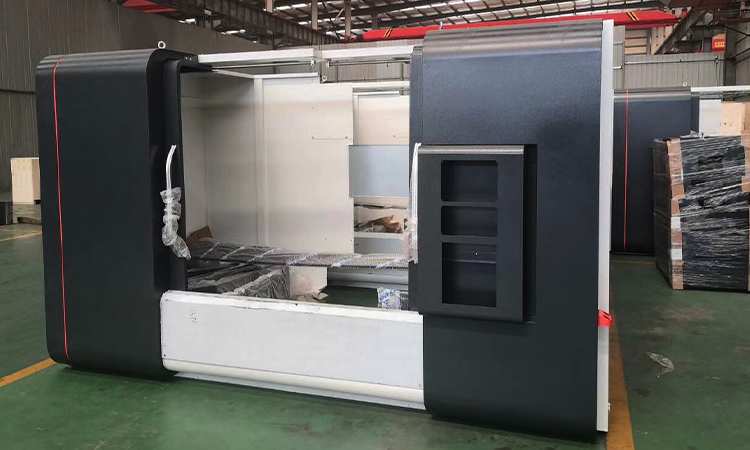
Industrial CNC machine technology has reshaped how factories handle high-precision manufacturing. A computer numerical control (CNC) machine drives cutting tools, spindles, and worktables through coded instructions—G-code—without manual handwheels or levers. In heavy industry, these aren’t desktop routers. We’re talking cast-iron beds, 15 kW spindles, and chip conveyors running three shifts a day. Shops buy an industrial CNC machine to hold tolerances under 10 microns while peeling steel at 300 meters per minute. But what often gets overlooked is the floor space around the machine. Power feeds, coolant tanks, bar feeders, and operator walkways all eat up square footage. If you don’t plan the layout before the riggers arrive, you’ll end up with blocked aisles, poor material flow, and safety hazards. Our field engineers have corrected dozens of factory floors where machines were squeezed in after the fact. Taking the time to map out every zone from day one pays off in spindle uptime and part consistency. The definition extends beyond the iron itself—it’s a whole workstation that includes loading, chip management, and inspection.
Types of Industrial CNC Equipment
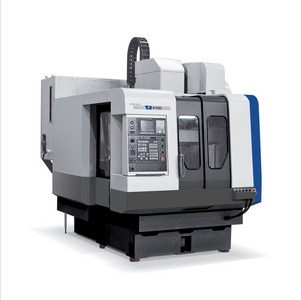
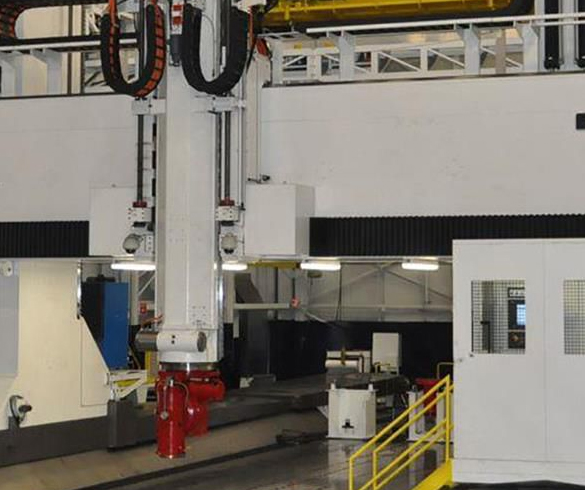
When factory managers ask about industrial CNC equipment, they’re usually looking at five or six core machine categories. The biggest horsepower lives in horizontal machining centers, where a 50-taper spindle pushes face mills through cast-iron engine blocks. Then you have vertical machining centers, the most common entry point for precision job shops. MAKCNC’s vertical CNC machining center MV1380, for instance, packs a 15 kW BT40 spindle and a 1300×800 mm table—serious metal removal in a footprint under 4 meters wide. For long shafts or oilfield tubing, a flatbed or slant-bed CNC lathe takes over. Our CNC inclined bed lathe series handles diameters up to 650 mm with linear guideways that keep chatter out of threads. Gantry mills cover plate work and large weldments, while horizontal boring mills tackle multi-sided parts in a single setup. Each type of CNC production machine brings a different floor loading pattern, coolant containment design, and rigging point location. Layouts that mix horizontal cells with robot-tended lathes require separate chip trenches, foundation pads, and overhead clearance profiles. It’s not one-size-fits-all. Our team has installed turnkey cells where a single robot serves two lathes and a machining center, and the spatial coordination alone demanded a 3D CAD walkthrough before concrete was poured.
Features of Industrial CNC Machining
Modern industrial CNC machining stands on a few non-negotiable pillars: structural stiffness, thermal stability, and chip evacuation speed. MAKCNC beds are cast from Meehanite iron, stress-relieved and precision-ground on traveling-column grinders. Linear roller guides with zero-clearance carriages eat vibration before it reaches the tool tip. Spindles run direct-drive or belt-driven up to 8,000 rpm, but the real trick is holding that speed under load without thermal growth exceeding 5 microns. Coolant systems push 200 liters per minute through ring nozzles and through-spindle holes, blasting chips out of deep pockets before they can recut and ruin surface finish. On the controls side, Fanuc or Siemens CNCs offer macros for probing, tool measurement, and adaptive feedrate override. The combination makes a reliable factory CNC system. We’ve seen shops cut their cycle time by 15% simply because the chip conveyor was positioned so the operator didn’t need to walk around the machine to empty bins. That’s a layout issue, not a spindle issue. Other features like automatic tool changers with 24+ stations, multi-pallet changers, and rotary trunnion tables add versatility but also add depth to the machine envelope. When you spec a horizontal with a 6-pallet pool, you’re committing to over 8 meters of depth once the pallet rack and loader rails are in place. So features drive footprint decisions.
Industrial CNC Machine Applications
Oilfield drilling components consume a huge share of large-bore CNC lathe capacity. API threads, tool joints, and drill collars demand consistent pitch diameters over 3-meter-long parts—workhorse tasks for MAKCNC’s heavy-duty cutting lathe and oilfield lathe series. In aerospace, structural ribs and landing gear forgings get machined on 5-axis gantry mills where one setup eliminates multiple refixturing errors. Automotive powertrain lines rely on horizontal machining centers with pallet pools to crank out transmission housings and differential carriers at 30 parts per hour. General industrial OEMs use industrial CNC equipment for hydraulic manifolds, pump bodies, and compressor components. Even consumer electronics tooling—smartphone mold cavities, lens housings—runs on high-speed vertical machining centers with 30,000 rpm spindles and 0.1-micron scales. What ties these sectors together is the need for a layout that respects part envelope, chip volume, and crane reach. A factory producing 2-ton valves will have a radically different floor grid than a shop making aluminum laptop frames. In our experience, the most overlooked application-specific planning happens in oil & gas and mining repair shops, where the mix of manual and CNC turning side by side requires careful fencing and overhead lifting zone designations.
Industrial CNC Machine Price
There’s no single sticker for a CNC production machine. A standard vertical machining center with a 1300 mm X-travel and 15 kW spindle can fall between $38,000 and $75,000 depending on control options, probe packages, and chip management extras. Stepping up to a horizontal machining center with a dual pallet changer and 50-taper spindle pushes the range from $150,000 to $350,000. Heavy-duty oilfield lathes with a 650 mm chuck and 3-meter bed often run $120,000 to $280,000 because they need deep-bored spindles, high-torque gearboxes, and reinforced tailstocks. Beyond the iron, freight, foundation, electrical drops, and rigging can add 15-20% to the landed cost. Tooling, workholding, and CAD/CAM software form a parallel budget. MAKCNC’s direct-from-factory model compresses some of these costs because we eliminate distributor markups. We also offer customized CNC machines and machining centers from MAKCNC where you only pay for the travels, torque, and options your parts actually need. When pricing a layout, always factor in the square-foot cost of floor space: a poorly planned machine that forces you to rent extra square footage can cost more over five years than the machine itself.
Industrial CNC Machine User Guide
Space Requirements and Positioning
Getting the industrial CNC machine footprint right starts with the machine’s published envelope. Add 1.5 meters of clearance on all service sides for electrical cabinets, chip conveyors, and maintenance hatch swing. If you’re placing a lathe with a bar feeder, the total depth can stretch to 7 meters. Overhead crane paths must clear the highest Z-axis position plus a 500 mm safety margin. We’ve walked into plants where a new vertical’s Z-axis column collides with a low ceiling beam at full retract. Avoid placing sensitive factory CNC systems near stamping presses or shot blasters—ground vibration travels further than you think. A simple laser interferometer check for floor flatness ahead of time prevents weeks of shimming later. Pits, trenches, and coolant tank access should line up so the operator never has to kneel behind a hot chip bin with a wrench.
Material Flow and Utility Connections
In any CNC production machine cell, raw stock enters one side and finished parts exit the other. Position saws, deburring stations, and CMMs along that flow, not across forklift lanes. Keep coolant chiller and hydraulic power unit lines under 5 meters to minimize pressure drop. Air supply needs 6 bar minimum with a dedicated dryer; one drop of water in a spindle air purge line kills bearings fast. Electrical drops require a neutral and clean ground, preferably from a dedicated transformer to isolate CNC electronics from welding bay spikes. If your industrial CNC equipment uses a through-spindle coolant pump at 70 bar, the tank needs makeup water lines and floor drains rated for synthetic coolant. Fire suppression systems and machine-side e-stops should be within two strides of the operator station, not hidden behind the control cabinet.
Industrial CNC Machine Supplier
MAKCNC has shipped over 2,000 heavy metal-cutting machines to oilfields, auto parts makers, and aerospace job shops across 40 countries. As a professional CNC lathing machine manufacturer, we produce six main series in our 25,000-square-meter plant: vertical machining centers, horizontal machining centers, gantry mills, heavy-duty cutting lathes, CNC oilfield lathes, and standard CNC lathes. Every machine gets a laser calibration report, Ballbar circularity check, and 72-hour continuous run-in before crating. We carry ISO 9001 certification and CE marking, with UL-listed electrical components available for North American orders. Our application engineers routinely help buyers plan factory layouts—we’ve flagged issues ranging from insufficient rigging door height to coolant mist extraction duct sizing before install teams ever show up. You can review real-world setups in our global CNC machinery cases of MAKCNC. If you’re mapping your floor and need dependable industrial CNC machining capacity, we can weigh in.
FAQ of Industrial CNC Machine
How to plan a factory layout for an industrial CNC machine?
Start with a 2D CAD of your floor, drop the machine envelope, then add 1.5-meter service clearances. Map material entry, intermediate staging, and exit. Run chip and coolant flow opposite to fork truck paths. Confirm overhead clearance and foundation depth. Walk the virtual layout with operators before cutting concrete.
What space does an industrial CNC machine require?
A typical vertical machining center needs a 4 m × 3.5 m footprint plus clearance, so budget roughly 6 m × 5.5 m. Lathes with bar feeders can stretch to 8 m depth. Horizontal cells with pallet pools may need 10 m × 8 m. Always add crane aisle width and CMM station access.
How should CNC machines be positioned in a production facility?
Align machines so operators face away from forklift traffic and toward tooling cribs. Group machines into cells that share a common coolant sump and chip conveyor trench. Keep finish-machining away from roughing bays to avoid thermal drift. Use epoxy-anchored leveling pads on isolated slabs.
Need help planning your factory CNC systems? Reach out today—we’ll provide machine footprint drawings, foundation specs, and utility requirements specific to your parts and production targets. Contact MAKCNC for a quote on an industrial CNC machine that fits your floor and your throughput goals.
Written by Li Wei, Senior Manufacturing Engineer at MAKCNC, 15+ years integrating CNC production lines worldwide.