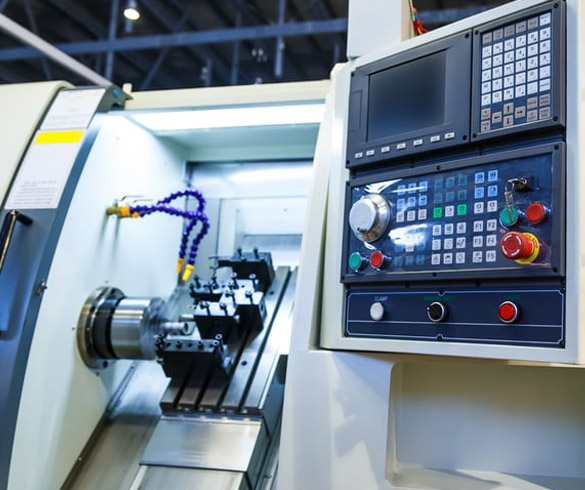
Choosing the Right Horizontal CNC Machine Tool for Large Housings
A Horizontal CNC Machine Tool is often the default choice for manufacturing large, box-shaped components like gearbox housings, engine blocks, and complex valve bodies. The decision, however, is not as simple as just selecting a horizontal configuration. Buyers often face a critical choice between two machine types: the Horizontal Machining Center (HMC) and the Horizontal Boring Mill. Selecting the wrong one can lead to inefficient production, higher setup costs, and an inability to handle your full range of parts. This guide clarifies the differences, outlines key features to look for, and provides a framework for making a cost-effective decision for your operations.
Unlike a vertical cnc machining center mv1380 where the spindle is oriented vertically, a horizontal machine positions the spindle parallel to the floor. This orientation uses gravity to its advantage, allowing chips to fall away from the workpiece and improving surface finish and tool life, which is especially beneficial in heavy-duty cutting operations.
HMC vs. Horizontal Boring Mill: A Buyer's Decision Guide
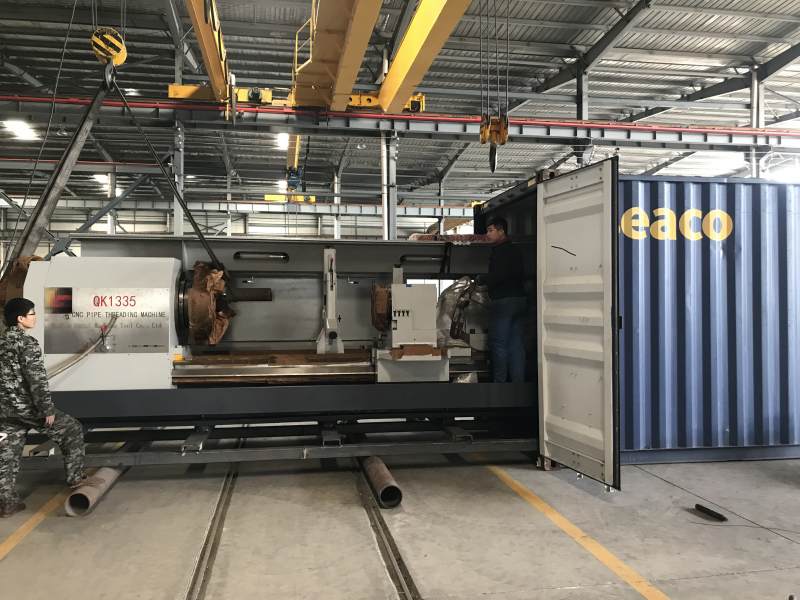
The primary distinction between a Horizontal Machining Center (HMC) and a Horizontal Boring Mill lies in their design philosophy and intended application. HMCs are built for speed, automation, and versatility on parts that fit within a defined cubic work envelope. Boring mills are designed for massive, heavy workpieces that demand extended spindle reach and specialized boring operations. Choosing incorrectly is a common and costly mistake. The following table breaks down the key technical differences to guide your selection.
| Specification | Horizontal Machining Center (HMC) | Horizontal Boring Mill |
|---|---|---|
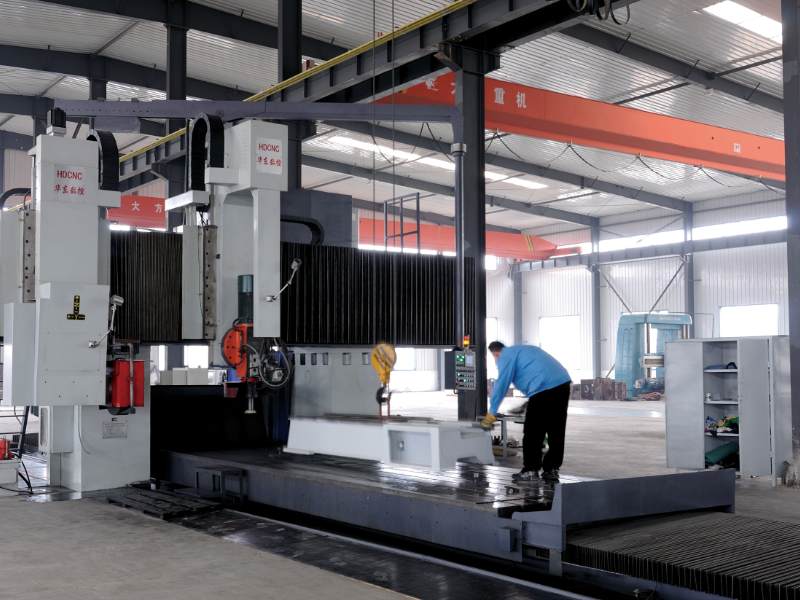
| Work Envelope | Typically defined by a cubic pallet size (e.g., 500mm, 630mm, 800mm). Best for parts that fit completely within this cube. | Much larger and more open, often with a large T-slot table. Designed for parts that may be several meters long. |
| Spindle Reach (W-axis) | Limited. The spindle travels along the Z-axis, but a separate extendable quill (W-axis) is uncommon or has short travel. | Significant. Features a long, extendable boring spindle (W-axis) that can reach deep inside large castings or weldments. |
| Pallet Capability | Standard feature. Often includes an Automatic Pallet Changer (APC) for high-volume, unattended, or "lights-out" production. | Less common. Workpieces are typically fixtured directly to the machine's table due to their extreme size and weight. |
| Positioning Needs | Ideal for parts requiring multi-face machining in a single setup, using a full B-axis rotary table. High-speed and high-accuracy positioning. | Focuses on heavy-duty, long-reach boring and milling operations. The workpiece often remains stationary while the column moves (T-type). |
| Typical Part Size | Small to large components that can be mounted on a standard pallet. Ideal for series production. | Very large to extremely large parts, such as turbine housings, large engine blocks, and machine frames. |
When to Choose Each Machine Type
Use this checklist to make your final decision:
- Choose a Horizontal Machining Center (HMC) if:
- You have series production of parts that fit on a standard pallet.
- Your primary need is fast, automated, multi-side machining in one clamping.
- Cycle time and part-to-part speed are critical performance indicators.
- You plan to run unattended shifts using a pallet pool system.
- Choose a Horizontal Boring Mill if:
- Your workpieces are exceptionally large, heavy, and irregularly shaped.
- The primary operation involves boring deep holes or reaching features inside a large component.
- Setup time is less critical than the machine's capacity to handle the sheer size and weight of the part.
- You are machining one-off or very small batches of massive parts.
Key Features in a High-Performance Horizontal CNC Machine Tool
Once you have decided that an HMC is the right platform, the next step is to evaluate the machine's core construction and technology. Not all HMCs are built to the same standard. The quality of the underlying components directly impacts long-term accuracy, reliability, and the types of jobs you can successfully run.
At MAKCNC, our machines are built with a focus on stability and precision. The machine body is constructed from high-strength cast iron, such as resin sand castings, which undergo an aging treatment. This process relieves internal stresses in the metal, ensuring the machine frame maintains its geometric accuracy and rigidity over years of heavy use. For core transmission components, we utilize high-precision ballscrews and linear guides from established Taiwanese or German brands. This system-wide approach ensures the entire machine performs optimally, not just individual components.
For industries like mold and die manufacturing, we integrate advanced control system technologies. Features like intelligent feed-forward control and quadrant glitch compensation directly address common machining defects such as over-cut marks, quadrant lines, and tool vibration marks. This allows for higher-quality surface finishes directly off the machine, reducing or eliminating the need for manual polishing.
Understanding Cost Factors and Purchase Flexibility
The price of a Horizontal CNC Machine Tool can vary significantly based on several key factors. Understanding these variables allows you to configure a machine that meets your technical needs without exceeding your budget. When requesting a quote, be prepared to discuss the following points as they are the primary drivers of cost.
- Work Envelope Size: The pallet size (e.g., 500mm, 630mm, 800mm) and axis travels are the biggest factors. Larger machines require more materials and more powerful components.
- Spindle Specification: The choice between a belt-drive, direct-drive, or built-in spindle affects speed, torque, and thermal stability. Higher RPM and torque spindles generally increase the cost.
- Tool Changer Capacity: A standard 40-tool magazine is common, but larger capacities (60, 80, or more) are available as options and will add to the final price.
- Automation Level: A standard two-pallet APC is typical for HMCs. More complex systems, like a multi-pallet pool, represent a significant investment but offer major productivity gains.
- Control System: The choice of CNC controller (e.g., Fanuc, Siemens) and its specific software options can influence the price.
- Coolant and Chip Management: Options like high-pressure through-spindle coolant (CTS) and specialized chip conveyors are necessary for certain materials and applications but will affect the overall cost.
At MAKCNC, we understand that every business has different purchasing needs. We have no rigid minimum order quantity (MOQ); you can procure a single machine. However, for batch purchases of multiple units, we can offer more favorable commercial terms regarding price, delivery schedules, or after-sales service packages.
MAKCNC: Your Reliable Horizontal CNC Machine Supplier
Since our establishment in 2016, MAKCNC has developed multiple production lines to serve the global market. Our facilities are ISO9001:2015 certified, a reflection of our commitment to quality management systems. We maintain an inventory of sample machines, allowing us to demonstrate our capabilities and often shorten delivery times, which typically range from 1 to 6 months depending on the specific model and customization.
Our commitment extends beyond the sale. A standard machine warranty covers 12 months after acceptance, with lifetime paid service available. We have a mature after-sales network that promises a response within 8 hours and, if necessary, an engineer on-site to handle any issues within 48 hours. This structure provides peace of mind and ensures maximum uptime for your investment. Whether you require a standard professional cnc machining center solution or a customized machine, our team has the experience to deliver.
Frequently Asked Questions
What is the standard warranty period for a MAKCNC machine?
The standard warranty is 12 months from the date of final machine acceptance at your facility. We also provide lifetime paid technical support and service. For specific tenders or large projects, extended warranty periods, such as three years of free warranty, can be negotiated.
Is there a minimum order quantity for your machines?
No, there is no strict MOQ. We support customers who need a single machine. However, purchasing in batches often allows for better commercial terms, including potential benefits in pricing, delivery priority, or service agreements.
What brands of core components do you use?
We prioritize reliability and precision by using core drive components, such as ballscrews and linear guideways, from reputable high-precision manufacturers in Taiwan and Germany. This ensures the long-term accuracy and performance of our Horizontal CNC Machine Tool products.
If you are evaluating suppliers for your next horizontal machining center, please contact our technical team. We can provide a detailed quotation based on your specific component drawings and production requirements.