
Horizontal Machining Center Productivity Case Study
Horizontal Machining Center Definition
A horizontal machining center is a CNC machine tool with a horizontally oriented spindle, typically paired with an automatic tool changer and a rotary worktable. Rather than approaching the workpiece from above as a vertical machine does, the spindle cuts from the side. This layout allows chips to drop away from the cutting area and makes it easier to machine multiple faces after a single setup. This case study looks at a representative production application involving steel valve bodies, focusing on cycle time, workholding, chip evacuation, and multi-face machining. The figures reflect a typical industrial comparison, not the results of one named customer. They are intended to help buyers evaluate potential output using practical, measurable data before investing in a new machine.
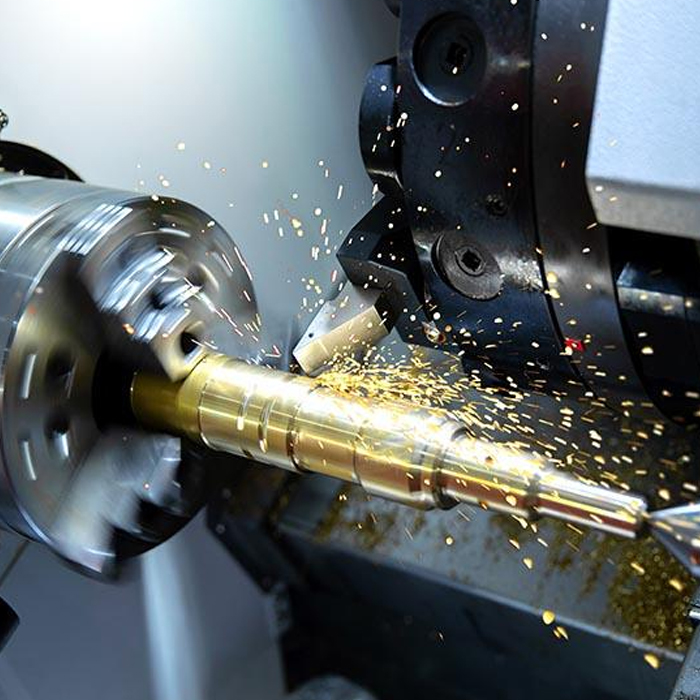
Types of Horizontal Machining Center
Industrial buyers can choose from several configurations, and the best option depends on part size, material, production volume, and the number of faces that require machining. A standard horizontal machining centre may use a two-axis rotary table for indexed work. A pallet-changing model, meanwhile, lets the operator load one pallet while the other remains inside the machining area. A horizontal milling center with a larger table is better suited to heavy castings and long workpieces. A 4-axis machining center adds controlled rotary movement, allowing holes, pockets, and angled features to be machined around the component with fewer manual repositioning steps. Before selecting a configuration, buyers should compare spindle speed, motor torque, table load, pallet size, tool capacity, travel range, and control system.
Two Pallet and Single Pallet Models
Single-pallet machines are often a practical choice for prototypes, maintenance work, and smaller production runs. The operator loads the workpiece directly onto the table, runs the program, and removes the completed part after inspection. Two-pallet machines are built for repeat production. While one workpiece is being machined, the operator can clean, inspect, and load the second pallet outside the cutting zone. In this case study, that arrangement reduced idle time between parts because loading no longer required the spindle to stop. Export buyers should look closely at pallet dimensions and exchange time. A machine with a larger table is not necessarily more productive if pallet changes are slow or the loading station does not allow safe material handling.
Features of a CNC Horizontal Machining Center
A CNC horizontal machining center combines programmed axis movement, automatic tool changes, rigid machine construction, and a horizontal spindle layout. Its productivity is not determined by spindle speed alone. A rigid column and table help maintain tool position under load, while the control system manages feed rates, tool paths, coolant delivery, probing, and rotary movement. Automatic tool measurement can reduce setup errors, while through-spindle coolant can be especially useful for deep-hole drilling and difficult alloys. An automatic chip conveyor keeps the machining area cleaner and cuts down on manual cleaning time. These features need to match the application. A 12,000 rpm spindle may benefit aluminum parts, but heavy steel cutting often depends more on torque, rigidity, cutter diameter, and stable clamping.
Why Chip Evacuation Matters
Chip evacuation has a direct effect on cutting stability and operator time. On a vertical machine, chips may gather in deep pockets, around fixtures, or on the workpiece itself. With a horizontal spindle, gravity helps move chips out of the cutting zone, particularly when coolant flow and conveyor design are properly specified. In the production scenario, the original process used a vertical machine to cut a ductile iron valve body. Operators stopped the machine several times during the cycle to remove chips from a deep bore and nearby pockets. The revised process used a horizontal layout, directed coolant, and a conveyor. Manual chip clearing dropped from approximately 7 minutes per part to less than 2 minutes. The change also reduced the chance of recutting chips, which can damage a cutting edge and affect surface finish.
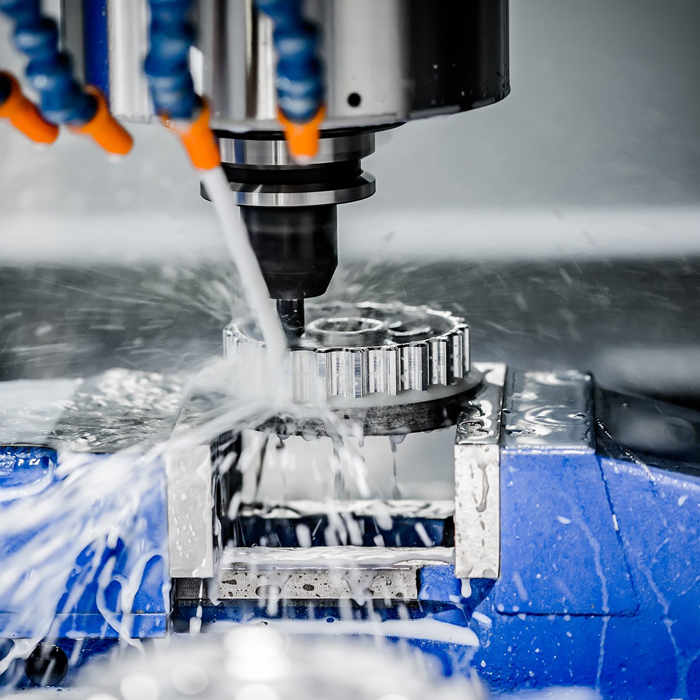
Horizontal Machining Center Application
Horizontal machining centers are widely used for components that require machining on multiple sides, deep bores, intersecting holes, or repeatable positional accuracy. Common applications include pump housings, gearbox cases, hydraulic valve bodies, engine components, agricultural machinery parts, and petroleum equipment. They can also suit aerospace structural components and communication equipment housings when machine travel and accuracy match the part size. In our production scenario, a 280 mm steel valve body needed face milling, four bolt holes, two side ports, and one internal bore. The original method required three separate setups. The revised process used one main fixture on a rotary pallet, allowing most features to be completed without removing the part. Fewer setups reduced alignment checks and helped maintain the required tolerance between intersecting features.
Multi-Face Machining in One Setup
Multi-face machining can reduce handling time, but it still requires careful process planning. The fixture must provide access to each cutting area without creating tool interference. The programmer must choose a safe rotary sequence, appropriate tool lengths, and reliable datum references. In this case study, the first setup took 18 minutes, the second took 14 minutes, and the third took 12 minutes. Total setup and inspection time was about 44 minutes per part. Using a rotary fixture on the horizontal machine, loading and probing took 21 minutes. The machine then completed the major features in one cycle. That adjustment reduced handling time by roughly 23 minutes and lowered the risk of carrying a small fixture error from one setup into the next.
Horizontal Machining Center Price
The price of a horizontal machining center depends on spindle power, table dimensions, axis travel, pallet system, rotary capability, tool magazine capacity, control brand, probing package, coolant system, and automation level. A basic single-pallet model for medium-sized parts will usually cost less than a large two-pallet machine equipped with a high-capacity tool magazine and full chip management. Freight, insurance, import duty, installation, operator training, spare parts, and electrical preparation also contribute to the total investment. Buyers should compare expected cost per completed part rather than focusing only on the purchase price. For example, a machine that costs 20 percent more may still be financially attractive if it cuts cycle time from 52 minutes to 35 minutes, reduces labor handling, and increases the number of saleable parts produced per shift.
Calculating the Investment
A practical calculation starts with annual part demand, available production hours, labor cost, tooling cost, energy use, maintenance allowance, and expected machine utilization. In this case study, the previous process required 52 minutes of machining and handling for each valve body. The horizontal process required 35 minutes, including pallet loading and inspection. At 1,800 production hours per year, the theoretical time saving was substantial, although planned maintenance, tool changes, and scheduling reduced the usable gain. Buyers should test several scenarios instead of relying on one ideal figure. A spreadsheet can compare 70 percent utilization with 85 percent utilization and then show the effect of changing order volumes. This approach gives purchasing managers and business owners a more realistic payback estimate.
Horizontal Machining Center User Guide
Correct installation and consistent daily operating practices directly affect output. The foundation must meet the machine builder’s requirements for strength, level, vibration control, and service access. Electrical power, compressed air, coolant handling, ventilation, and chip disposal should be prepared before commissioning. During operation, staff should verify fixture seating, pallet cleanliness, tool offset values, coolant concentration, and program revision status. Even a small chip beneath a fixture can shift a part enough to affect hole position. Tool life should be recorded by cutting time or part count instead of changing tools only after failure. Operators should also check conveyor filters and coolant nozzles regularly. These routine actions protect spindle time and help prevent unplanned stops.
Workholding and Process Setup
Workholding is one of the most important parts of any productivity study. A fixture must secure the component firmly while leaving enough clearance for cutters, probes, and coolant flow. In the valve body example, the first fixture used three locating points and hydraulic clamping around the outside profile. The design kept datum surfaces clear and allowed the rotary table to index through four positions. Clamping pressure was tested to hold the casting securely without causing distortion. The fixture also included chip relief around the bore opening, preventing chips from gathering between the part and its locating surfaces. Buyers should ask whether the supplier can support fixture design, probing, post-processor setup, and operator training, since the machine and fixture operate as one production system.
How Does a Horizontal Machining Center Improve Productivity
A horizontal machining center improves productivity by reducing non-cutting time while maintaining stable cutting conditions. In this case study, cycle time dropped from 52 minutes to 35 minutes per part. Setup changes fell from three to one, manual chip clearing decreased by about 5 minutes, and tool changes were reduced because more features could be completed with a planned tool list. The two-pallet arrangement also allowed the operator to prepare the next component while the machine was cutting. These are measurable gains and should be recorded separately rather than combined into one broad claim. Track spindle cutting time, loading time, setup time, inspection time, tool-change time, and stoppage time. This breakdown shows whether the investment addresses the actual production constraint.
How to Measure Horizontal Machining Center Efficiency
Efficiency should be measured with production data collected over several weeks, not from one unusually strong shift. Useful indicators include cycle time per accepted part, first-pass yield, spindle utilization, overall equipment effectiveness, tool cost per part, setup time, unplanned downtime, and labor minutes per component. Spindle utilization can be calculated by dividing actual cutting time by planned available time. First-pass yield compares accepted parts with the total number of parts produced before rework. In the valve body comparison, the revised process improved first-pass yield from 94 percent to 98 percent because fewer setups reduced positional variation. The machine also produced a more consistent chip pattern, making tool wear easier to monitor. These figures give managers a clearer basis for comparing suppliers and machine models.
What Industries Use Horizontal Machining Centers
Horizontal machining centers are used across automotive, aerospace, petroleum, mining, agricultural machinery, chemical equipment, water conservancy, and general engineering production. Automotive plants may use them for transmission cases and engine components. Petroleum equipment manufacturers often machine deep bores, flanges, and intersecting passages in steel or stainless steel bodies. Mining and agricultural machinery suppliers may need high table loads and strong cutting performance for large castings. Aerospace manufacturers generally place more emphasis on accuracy, traceability, probing, and controlled cutting of aluminum or titanium. The same machine type can serve several industries, but the specification must follow the component. Table load, travel, spindle torque, coolant delivery, enclosure size, and automation should all be reviewed against actual drawings and material grades.
Horizontal Machining Center Supplier
MAKCNC supplies CNC Lathing Machines, CNC Machining Centers, and CNC Machines for industrial buyers looking for practical production equipment. Our product range includes vertical machining center series, horizontal machining center series, gantry processing series, heavy-duty cutting lathe series, CNC oilfield lathe series, and CNC lathe series. The recommended machining center and oilfield lathe products are designed for high speed, high rigidity, high performance, and efficient operation in demanding fields. We understand that overseas buyers need more than a machine photograph. Specifications, configuration, workholding, delivery terms, commissioning, spare parts, and service support all influence the final purchase decision. If you are looking for a horizontal machining center supplier, contact MAKCNC for the latest product quotation and a configuration suited to your parts, materials, and planned output.
FAQ of Horizontal Machining Center
How does a horizontal machining center improve productivity?
It can improve productivity by machining several faces with fewer setups, supporting automatic pallet changes, and helping chips leave the cutting area. In this case study, the process changed from three setups to one main fixture, while cycle time dropped from 52 minutes to 35 minutes. Actual results depend on part geometry, fixture design, tool selection, programming, operator skill, and machine utilization. Buyers should request a time study that separates cutting, loading, inspection, tool changes, and downtime. This prevents a supplier from presenting spindle speed alone as the productivity result. A well-planned process may also improve first-pass yield because fewer re-clamping operations reduce datum transfer errors.
What industries use horizontal machining centers?
Automotive, aerospace, petroleum, mining, agricultural machinery, chemical equipment, water conservancy, and general engineering companies commonly use them. The equipment is especially useful when components have multiple machined faces, deep cavities, intersecting holes, or heavy material removal requirements. Petroleum valve bodies, gearbox housings, pump cases, engine parts, and structural castings are typical examples. Each industry may require a different configuration. Aerospace work may call for probing and detailed process records, while mining parts may need a larger table and higher cutting torque. Before purchase, buyers should send representative drawings and material information to the supplier. This allows spindle, table, travel, fixture, coolant, and automation requirements to be checked against the actual application.
How to measure horizontal machining center efficiency?
Measure cycle time, setup time, spindle utilization, accepted parts per shift, first-pass yield, labor minutes per part, tool cost, energy use, and unplanned downtime. Record the data over a representative production period, such as 20 working days, and include normal tool changes and inspection activity. One useful calculation is accepted parts divided by planned production hours. Another is cutting time divided by available machine time. Compare the new process with the previous process using the same part drawing and quality requirements. If the machine produces more parts but creates more rework, the apparent gain is misleading. Maintenance records and alarm history should also be reviewed, as frequent short stops can reduce output even when the displayed cycle time appears acceptable.
Choose MAKCNC for Your Next Machine
A productivity case should connect machine specifications with measurable production results. Cycle time, workholding, chip evacuation, and multi-face machining all affect the final cost per part. MAKCNC can help international buyers review these factors when selecting a CNC Machining Center, CNC Lathing Machine, or related CNC Machine. Share your part drawings, material, target quantity, and preferred automation level with our team. If you are searching for a reliable horizontal machining center supplier, please contact MAKCNC to receive the latest quotation and product details.