A Horizontal Machining Center for Casting Parts Clears Cast Iron Chips Through Gravity and Filtration
What Is a Horizontal Machining Center for Casting Parts?
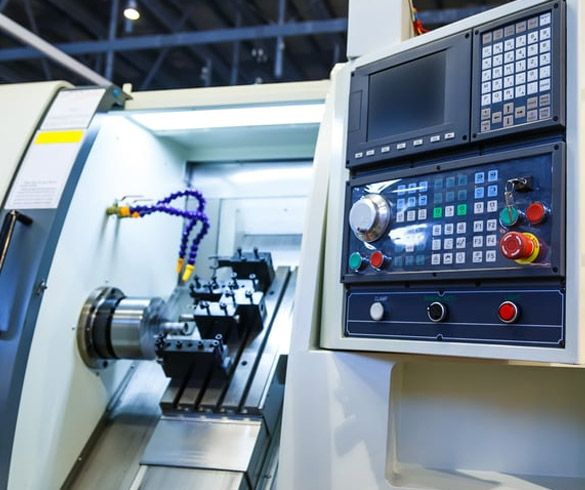
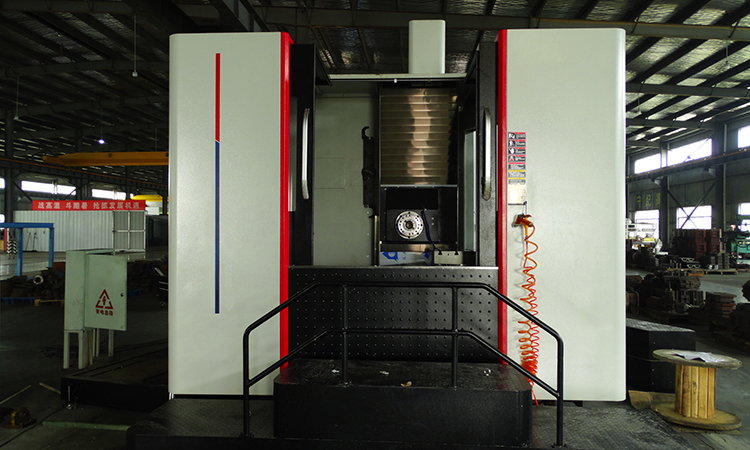
Horizontal Machining Center for Casting Parts refers to a CNC machine tool that holds the workpiece on a vertical fixture face while the spindle runs parallel to the floor, letting gravity pull chips straight down and away from the cutting zone instead of letting them pile on top of the part. For cast iron components — pump housings, gearbox cases, valve bodies, mold bases — this orientation matters more than most process engineers expect during early planning, because cast iron produces short, abrasive, powdery chips that behave nothing like the long steel curls a vertical mill handles well. A horizontal cnc machining center pairs this spindle layout with a pallet changer, so one casting rotates through four faces without a second clamping, which also reduces how many times chips land back inside an open fixture.
Types of Horizontal Machining Centers Used in Casting Production
Single-pallet HMCs suit lower-volume job shops running one casting family at a time. Twin-pallet (pallet shuttle) HMCs load the next part while the machine still cuts the current one, which matters for multi-variety, small-batch runs common in mold and die shops. Some buyers also compare a horizontal layout against a vertical one before committing, since not every casting geometry needs gravity-fed chip drop.
| Factor | Horizontal Machining Center | Vertical Machining Center |
|---|---|---|
| Chip flow | Falls by gravity, clears the table | Collects on top of fixture, needs manual or air clearing |
| Best fit | Boxy, multi-face castings like gearbox housings | Flat plates, shallow pockets |
| Setup changes | One clamp, four faces via pallet shuttle | Usually one face per clamp |
| Footprint | Larger, needs a chip conveyor | Smaller, lower upfront cost |
Our professional cnc machining center solution lineup covers both configurations, including the Vertical CNC Machining Center MV1380 for flatter castings where chip fall-through is not the limiting factor.
Features That Actually Affect Cast-Iron Chip Behavior
Not every spec sheet line matters equally once cast iron dust enters the picture. Here is what each one does in practice, and what goes wrong if it's undersized.
- Machine base material: a high-strength cast iron base, aged to stabilize internal stress, damps vibration and resists chip welding on the rails. A lighter fabricated-steel base flexes more under interrupted cuts, and chatter increases the chance of chips re-welding to the insert edge.
- Ball screws and linear guides: Taiwan- or German-grade components hold positioning accuracy even as abrasive dust works into the way covers. Weak sealing on lower-grade guides lets grit shorten guide life well inside a year of two-shift cast iron work.
- Feedforward and quadrant compensation: these control functions, the same ones used to fight overcut marks and feedforward control errors on mold steel, also matter here because cutting force shifts mid-pass as the chip load changes. Without compensation, direction reversals leave visible jump lines on the casting surface.
- One-setup multi-face machining: finishing four faces in a single clamp keeps the operator from reaching into a chip-loaded fixture between operations, cutting handling time and injury risk at once.
Getting this part of the specification wrong at the planning stage, not during a Horizontal Machining Center for Casting Parts purchase, is where most downstream chip problems actually start.
How Gravity-Assisted Chip Evacuation and Coolant Filtration Reduce Cast-Iron Chip Recutting
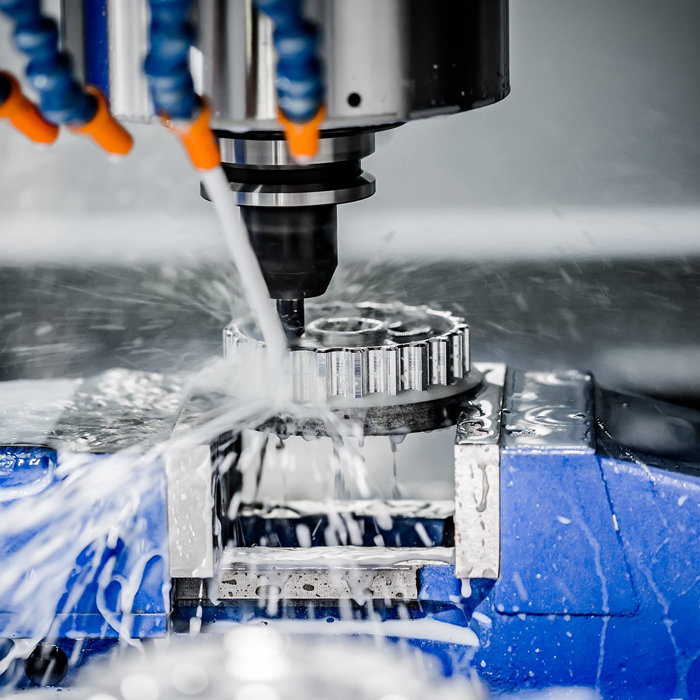
Chip recutting happens when a chip that already left the tool gets pulled back into the next pass, where it gets pressed into the part surface or re-chewed by the insert. Cast iron is worse for this than most materials because its chips are fine, graphite-laced, and float in coolant instead of curling away cleanly. In a horizontal layout, the spindle orientation lets chips drop straight onto a conveyor below the work zone rather than settling on the table or fixture top. The conveyor then carries them to a separation stage before coolant returns to the nozzles.
| Condition | What actually happens |
|---|---|
| Gravity drop with a properly sloped conveyor | Chips leave the cutting zone in under a second; coolant stays visibly clear; inserts reach their full expected tool life |
| Flat-bed or poorly sloped collection | Chips sit in the coolant trough, get pumped back toward the nozzle, and embed in the next pass, scratching finished surfaces |
| No filtration, plain tank only | Fine cast iron dust stays suspended, abrades seals and ways, and coolant turns gray within a single shift |
| Magnetic separation or paper-bed filtration | Captures particles before coolant recirculates, keeps nozzles from clogging, and extends coolant change intervals |
If a buyer skips this evaluation, the symptoms show up two to three months later: insert life drops faster than the catalog figure suggests, surface finish starts failing Ra spot checks, and way covers wear out ahead of schedule. None of that shows up on a quotation sheet, which is exactly why it deserves its own line item during process planning rather than being assumed as "standard."
Horizontal Machining Center for Casting Parts Applications
This configuration fits mold and die shops running high-precision cavities where overcut marks and quadrant lines cannot be tolerated, as well as general casting job shops handling multiple part families in small batches. The ability to finish several faces in one clamping is particularly useful where a part needs bores, bosses, and mounting faces machined to a shared datum — re-clamping on a vertical machine would introduce stack-up error that a single-setup horizontal pass avoids. It is less justified for flat, single-face plates where a vertical center at lower cost gets the job done just as well; in that case the gravity-drop advantage of a horizontal spindle simply isn't needed.
Price Factors for a Horizontal Machining Center for Casting Parts
Quoted prices for this equipment class vary by configuration, not by a fixed list price. The main line items to expect in a quotation are:
- Base machine and pallet count: single-pallet units cost less than twin-pallet shuttle versions.
- Control package: feedforward and quadrant compensation options add cost but reduce scrap on precision mold work.
- Coolant filtration tier: magnetic separators cost less than paper-bed filtration systems rated for finer particle sizes.
- Tooling and fixturing: pallet fixtures built for a specific casting family add engineering time.
- Lead time: standard builds typically ship in 1 to 6 months depending on configuration and current production load.
There's no fixed minimum order quantity — a single machine can be purchased — but batch orders of multiple units generally unlock better terms on price, delivery scheduling, or after-sales coverage. Shops with non-standard casting geometries sometimes need a customized equipment configuration rather than a stock model, which shifts both lead time and cost.
Setup and Maintenance Tips for Chip and Coolant Systems
Most chip-related downtime traces back to a handful of avoidable setup mistakes. Follow this sequence before running the first cast iron batch:
- Check conveyor belt tension and slope angle — a conveyor set up for steel swarf often runs too shallow for dense cast iron dust.
- Set coolant flow rate to the machine builder's cast iron setting; over-spraying suspends more fine particulate than the filter can handle.
- Inspect filter media or magnetic separator plates weekly during the first month of cast iron production.
- Drain and clean tank sediment monthly to stop recirculated grit from reaching the pump.
- Re-verify quadrant compensation parameters any time the conveyor or coolant pump is replaced.
Common mistakes to avoid:
- Reusing steel-chip conveyor speed settings for cast iron, which blows dust instead of carrying it.
- Skipping scheduled filter media changes because the coolant still "looks" clean.
- Ignoring coolant concentration drift, which changes how well fine iron dust stays suspended versus settling where it should.
MAKCNC as Your Horizontal Machining Center for Casting Parts Supplier
When evaluating a Horizontal Machining Center for Casting Parts supplier, a short checklist helps: certification status, base material and aging process, source of ball screws and guides, warranty length, and after-sales response time. MAKCNC, founded in 2016, operates from an ISO 9001:2015-certified facility across several production lines, with sample machines kept in stock for faster evaluation. Machine bases use high-strength cast iron, typically resin sand castings, aged to hold long-term precision and rigidity, paired with Taiwan or German-sourced ball screws and linear guides for the core motion system. Standard warranty runs 12 months after acceptance, with lifetime paid service afterward; select tender projects qualify for an extended 3-year free warranty. The after-sales network commits to an 8-hour response and 48-hour on-site arrival for service calls. Readers can review past project types on our cases page or learn more about the company on our about page.
FAQ About Horizontal Machining Centers for Casting Parts
Can a horizontal machining center handle cast iron without clogging the coolant system?
Yes, provided the conveyor slope and filtration tier are matched to cast iron's fine, abrasive chip profile rather than left at generic settings designed for steel.
What's the real difference in chip handling versus a vertical machining center?
Gravity does the work on a horizontal spindle — chips drop away from the part instead of collecting on top of it, which matters most on multi-face castings.
Is there a minimum order quantity?
No hard minimum applies; a single unit can be purchased, though batch orders typically receive better commercial terms.
What warranty applies to the chip conveyor and filtration unit?
These fall under the standard 12-month acceptance warranty, with lifetime paid service available afterward, and extended terms on select tender projects.
How long does delivery usually take?
Standard lead time runs 1 to 6 months depending on configuration, pallet count, and whether customization is required.
If your team is comparing a horizontal machining center against alternative configurations for an upcoming casting program, send us the part drawings and we'll help size the chip conveyor, filtration tier, and compensation package for a quote.