How to Source Custom CNC Machining Equipment for Your Parts Without Costly Guesswork
What is Custom CNC Machining Equipment?
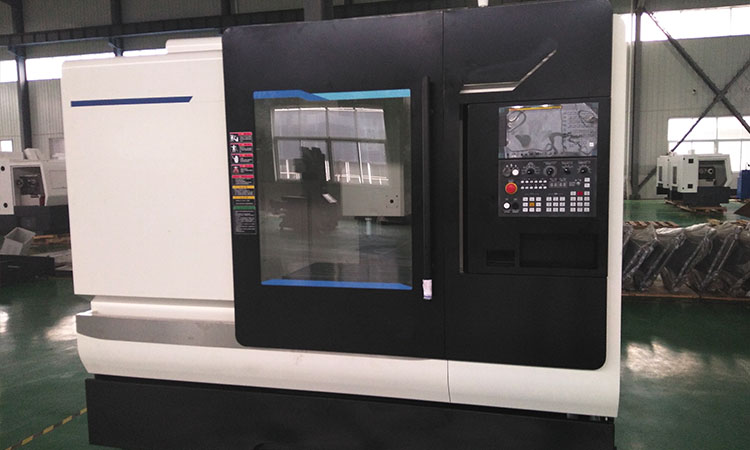
Custom CNC machining equipment is machinery built or configured around a specific part family, material, tolerance band, and production volume — rather than a generic catalog machine bought off the shelf. Buyers who skip this definition step often discover too late that a "standard" lathe or machining center can't hold the tolerance their mold cavity needs, or that its table size doesn't fit their fixture plan. A computer numerical control (CNC) system drives the axes, spindle speed, and tool changes based on a programmed part file, so the mechanical structure and the control logic both need matching to the job — not just the control panel alone. Getting this wrong at the quotation stage is the single most common regret buyers report after a machine arrives and doesn't perform as expected.
Types of Custom CNC Machining Equipment
Choosing the right category up front saves weeks of back-and-forth with suppliers. Below is a quick comparison based on structure and typical job fit.
| Machine Type | Best For | Typical Limitation |
|---|---|---|
| high quality and durable CNC lathe | Round parts, shafts, flanges, repetitive turning | Not suited to flat or multi-face milled parts |
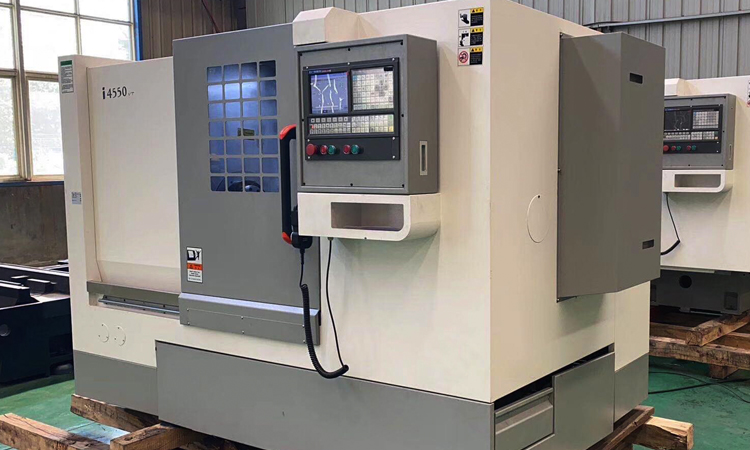
| CNC inclined bed lathe | Chip evacuation in heavy turning, higher rigidity jobs | Higher cost than flat-bed lathes |
| professional CNC machining center solution | Mold cavities, multi-face milling, drilling, tapping | Slower for pure round-part turning |
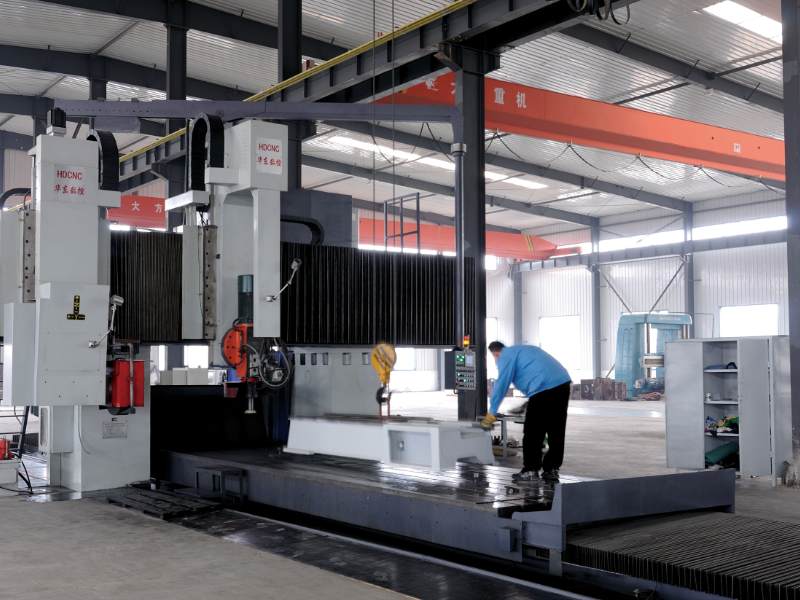
| horizontal CNC machining center | Box-shaped parts, heavy batches, pallet changers | Larger footprint, higher entry cost |
If your drawing set mixes turned and milled features, you may need two machine types, or a turn-mill hybrid — worth raising with your shortlisted supplier before committing to one configuration.
Features of Custom CNC Equipment
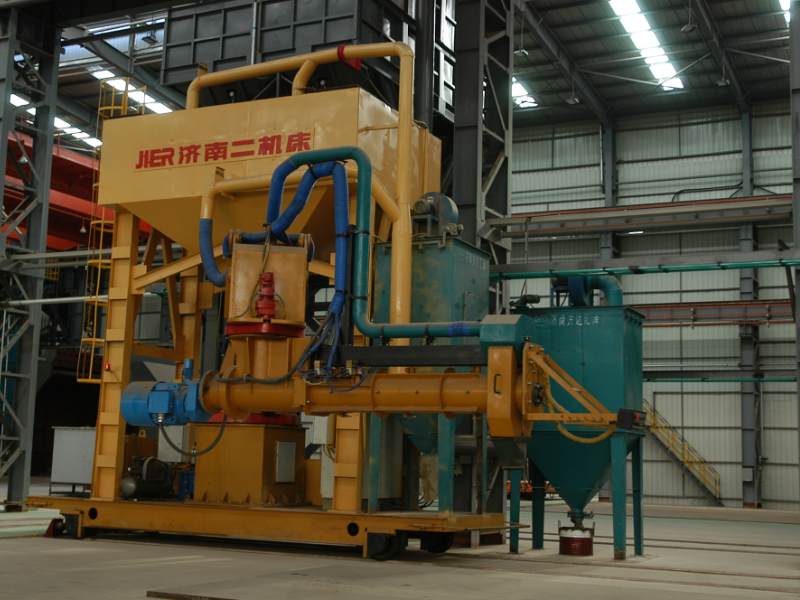
Machine bodies for precision work are typically made from high-strength cast iron, often resin-sand castings, then aged to hold dimensional stability over years of use rather than months. Core transmission parts — ball screws and linear guides — commonly come from Taiwanese or German brands, since these directly affect repeat positioning accuracy. For mold-grade work, control systems with intelligent feedforward and quadrant-bounce compensation reduce the cutting marks, quadrant lines, and chatter marks that show up on cavity surfaces when a machine's dynamic response lags the toolpath. For shops running many small batches instead of one big run, the ability to finish multiple faces in a single setup matters more than raw spindle speed — it removes repositioning error between operations entirely.
Converting Drawings, Materials, and Volume into Machine Specs and Acceptance Criteria
This is the step most buyers under-invest in, and it's the one that determines whether the machine you receive actually fits the job. A supplier can't quote a real machine from "we need a CNC lathe" — they need translated specs. Here's how each input maps to a spec, and what happens if you skip it:
- Part drawing tolerances → axis positioning accuracy. If your drawing calls for ±0.01mm on a bore, the machine's repeatability spec must beat that, not match it. Skipping this check is how buyers end up with parts that pass inspection on day one and drift out of spec after three months of wear.
- Material hardness and type → spindle power and rigidity. Hardened tool steel and aluminum demand very different torque curves. Under-spec'd spindle power shows up as burnt tool edges, slow cycle times, or vibration marks on the finished surface.
- Part envelope and fixture plan → table size and travel range. A part that fits the table but not the full XYZ travel will force a second setup you didn't budget for — adding labor cost per piece permanently.
- Annual volume → automation level and tooling capacity. Low-volume, many-variety production favors machines with larger tool magazines and one-setup, multi-face capability. High-volume single-part runs favor dedicated fixturing and faster tool-change cycles.
- Surface finish requirement → compensation technology. Mold cavities with visible surfaces need feedforward and quadrant compensation built into the control, not added later — retrofitting this is expensive and rarely matches factory-tuned performance.
Once these are mapped, write them into a factory acceptance test (FAT) document: positioning accuracy test, sample part run under your actual material, and a surface finish check against your drawing's Ra value. Any supplier unwilling to run a FAT before shipment is a risk flag, not a cost-saving shortcut.
Applications of Custom CNC Machining Equipment
Mold and die shops are the heaviest users of this equipment category, since cavity and core machining demands tight tolerance and clean surface finish simultaneously — the exact problems that feedforward and quadrant compensation address. Multi-variety, small-batch manufacturers — think job shops producing dozens of different part numbers per month — benefit most from one-setup, multi-face machining, since it cuts the fixture changeover time that otherwise eats into margin on short runs. Shaft, flange, and round-part producers lean on CNC lathing for repeat-cycle efficiency. You can review global CNC machinery cases to see how different industries have configured machines for their own part families before finalizing your own spec sheet.
Custom CNC Equipment Price and Cost Factors
Price for custom CNC machining equipment varies more than buyers expect, mainly because "custom" by definition means no two quotes are identical. The main cost drivers are:
- Machine size and axis travel — larger work envelopes cost more in casting, guideways, and motor sizing.
- Transmission component brand — Taiwanese vs German ball screws and guides carry a price gap tied to precision grade and lead time.
- Control system features — feedforward and compensation packages add cost but lower scrap rate on precision parts.
- Warranty terms — standard coverage is 12 months post-acceptance with paid lifetime service; some tender projects specify 3-year free warranty, which raises quoted price accordingly.
- Order volume — there's no hard minimum order quantity; a single machine can be purchased. Multi-unit orders typically unlock better pricing, lead time, or after-sales terms, but single-unit buyers shouldn't expect those same concessions.
- Lead time — standard builds run 1 to 6 months depending on configuration complexity and whether a close-match sample machine is already in stock.
Buyer's Checklist Before Sending Your RFQ
Use this sequence before contacting any supplier — it prevents the most common quoting delays and spec mismatches:
- Pull your top 3-5 representative part drawings, including toughest-tolerance dimensions.
- List material types and hardness ranges you'll run on this machine.
- Estimate annual volume per part number, not just total parts — this determines automation needs.
- Define your required surface finish (Ra value) for visible or functional surfaces.
- Decide your fixture strategy — single setup vs multiple operations.
- Confirm your facility's power supply, floor load capacity, and ceiling height against the machine's footprint.
- Draft acceptance criteria you expect verified before shipment, not after installation.
Common mistakes at this stage include quoting based on machine size alone without tolerance data, ignoring material hardness when sizing spindle power, and failing to confirm whether a factory acceptance test is included before final payment — all three lead to disputes after delivery, not before.
Choosing a Custom CNC Machining Equipment Supplier
MAKCNC has operated multiple production lines since 2016 and keeps sample machines in stock for shorter-lead configurations, which helps when a buyer's project timeline is tight. Our facility operates under ISO9001:2015 quality management, and machine bodies use aged cast iron construction paired with Taiwanese or German transmission components for long-term rigidity. Standard warranty runs 12 months after acceptance, with paid lifetime service afterward; certain tender-driven projects can be arranged with extended free warranty terms. Our service network targets an 8-hour response and 48-hour on-site resolution for reported faults. If your project is still at the spec-definition stage, our team can help translate your drawings and volume data into a matching CNC lathing machine manufacturer quotation, including the Vertical CNC Machining Center MV1380 or comparable models depending on your part envelope.
FAQ of Custom CNC Machining Equipment
Is there a minimum order quantity for custom CNC machines?
No hard MOQ applies — a single unit can be ordered. Multi-unit orders typically see better commercial terms on price, lead time, or service.
How long does a custom build take?
Lead times generally run 1 to 6 months, depending on configuration complexity and whether a close-match machine is already in production or stock.
What warranty should I expect?
Standard coverage is 12 months after acceptance, plus paid lifetime service. Some tender projects specify extended terms such as a 3-year free warranty.
Can one machine handle both turning and milling?
Pure lathes and machining centers serve different geometries. If your part mix needs both, discuss a turn-mill configuration or two separate machines with your supplier early, not after quoting.
What should be verified before shipment?
A factory acceptance test covering positioning accuracy, a sample part run in your actual material, and surface finish against your drawing's Ra value — all before final payment, not after installation.
If you're defining a custom CNC machining equipment spec for an upcoming RFQ, send us your part drawings, material list, and annual volume — we'll help translate them into matching machine specifications and acceptance criteria.