A Guide to the Vertical Machining Center for Hardware Parts
What is a Vertical Machining Center for Hardware Parts?
A professional cnc machining center solution, specifically a vertical model, is a machine tool where the spindle axis is oriented vertically. This configuration is widely used for creating precise and complex hardware parts from metal or other materials. The workpiece is typically mounted on a table that moves in the X and Y axes, while the spindle, holding the cutting tool, moves up and down along the Z-axis. This setup is ideal for producing a wide range of components, from simple brackets to intricate mold components. For hardware manufacturing, a Vertical Machining Center for Hardware Parts offers an excellent balance of speed, accuracy, and versatility. It allows for operations like drilling, tapping, milling, and boring to be performed in a single setup, which improves efficiency and reduces the chance of error from repositioning the part. The machine's control system reads G-code instructions to execute these operations with high repeatability, ensuring every part meets exact specifications.
Types of Vertical Machining Centers
Vertical machining centers (VMCs) are generally categorized by their size, power, and specific features, but two primary structural types dominate the market for hardware production: C-frame and bridge-type machines. C-frame VMCs are the most common, featuring a structure that resembles the letter 'C'. The spindle head is mounted on the vertical column, which provides rigidity and easy access to the work area. This design is cost-effective and suitable for a vast majority of small-to-medium-sized hardware parts. Bridge-type VMCs feature a gantry or bridge structure that spans across the worktable. The spindle moves along this bridge, providing superior rigidity and stability, especially on larger machines. This design minimizes structural deflection during heavy cutting, making it ideal for high-precision mold making and large, heavy hardware components where maintaining tight tolerances across the entire part is necessary. Within these categories, you can also find high-speed models with faster spindles and rapids, as well as 5-axis machines that add A and B rotational axes for machining complex, multi-sided parts in one clamping.
Features of a High-Performance VMC
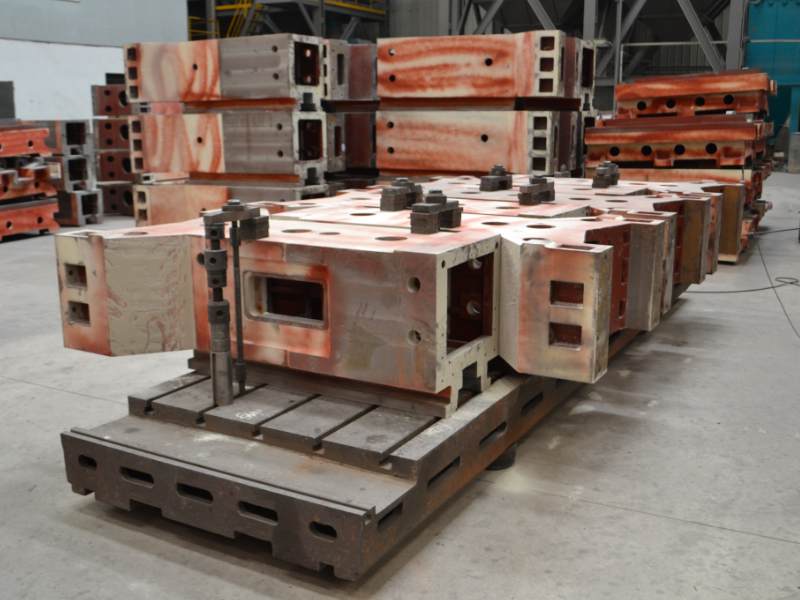
The performance of a Vertical Machining Center for Hardware Parts depends directly on its construction and components. A superior machine begins with a solid foundation. Our machine bodies are made from high-strength cast iron, such as resin sand castings, which undergoes an aging treatment. This process relieves internal stresses in the material, ensuring the machine frame maintains its geometric accuracy and rigidity over years of operation. The core of any VMC's precision lies in its motion system. We utilize high-precision ball screws and linear guideways from established brands in Taiwan and Germany. These components ensure smooth, accurate movement with minimal backlash. Furthermore, our system integration focuses on synergy; for example, advanced control systems feature intelligent feed-forward and quadrant glitch compensation. These technologies proactively address common machining issues like over-cutting marks, quadrant lines, and chatter marks, which is especially important for the high-surface-finish requirements of mold and die manufacturing. A well-built VMC provides the stability needed for consistent, high-quality production of hardware parts.
Applications in Hardware Part Manufacturing
The versatility of a Vertical Machining Center for Hardware Parts makes it indispensable across numerous industries. In the electronics sector, VMCs are used to produce custom aluminum enclosures, heat sinks, and mounting brackets with tight tolerances. For the automotive industry, these machines create everything from small engine components and sensor housings to fixtures and jigs used on assembly lines. The ability to perform multi-face machining in a single setup is particularly valuable for producing small batches of diverse parts, a common requirement in industries like medical device manufacturing and aerospace, where components often have complex geometries. The machine's precision is also vital for the mold and die industry. By effectively eliminating common defects like chatter marks and quadrant glitches, our VMCs can produce high-quality injection molds that result in flawless finished plastic parts. This capability reduces or eliminates the need for manual polishing and finishing, saving significant time and labor costs.
Price Factors for a Vertical Machining Center
The price of a VMC can vary significantly based on several key factors. Buyers must evaluate their specific needs to ensure they are investing in a machine that provides value without being over-specified. The primary cost driver is the machine's size and travel range (X, Y, Z axes). Larger machines require more material and more powerful motors, increasing the cost. Another major factor is the spindle specification—its speed (RPM), taper (e.g., BT40, BT50), and power (kW). High-speed spindles or those designed for heavy-duty cutting are more expensive. The sophistication of the CNC controller and software also plays a large role. Advanced controllers with features like high-speed look-ahead, 5-axis simultaneous control, and easy-to-use interfaces add to the price. Finally, optional accessories such as automatic tool changers (ATCs) with more pockets, through-spindle coolant systems, and probing systems for part setup and inspection will increase the final investment. When requesting a quote, it's helpful to have a clear understanding of the parts you will be making.
Here is a checklist of factors that influence the price:
- Machine Size & Travel: What is the largest part you need to machine?
- Spindle Speed & Power: What materials will you cut and what tools will you use?
- CNC Controller: Do you need simple 3-axis control or complex 5-axis capabilities?
- Tool Changer Capacity: How many tools does your most complex job require?
- Coolant System: Is high-pressure, through-spindle coolant necessary for your drilling operations?
- Probing & Measurement: Do you require in-machine part setup and inspection to reduce setup time?
- Warranty & Service Terms: Are extended warranty periods, such as three years, required for your project?
User Guide: How to Prevent Burr Formation on Edges and Holes
Burrs are a common and frustrating defect in machining, leading to extra deburring steps, increased costs, and potential part failure. A clean, burr-free finish on hardware parts is achievable by systematically addressing the root causes. For operators of a Vertical Machining Center for Hardware Parts, preventing burrs is a matter of optimizing the cutting process. This involves a clear diagnostic approach that starts with the tool itself and moves to the programming strategy. Before blaming the machine, follow this troubleshooting order to diagnose and resolve burr formation on part edges and drilled holes. Each step addresses a different part of the machining process, allowing you to isolate the problem efficiently.
This table outlines the diagnostic steps, from most to least likely cause, helping you identify and fix the issue quickly.
| What to Check First | Symptom & Diagnosis | Corrective Action |
|---|---|---|
| 1. Cutter Geometry & Condition | Symptom: Rubbing, excessive heat, or torn material instead of a clean shear. Diagnosis: The tool is dull, chipped, or has the wrong geometry (rake/helix angle) for the material. A dull tool pushes material instead of cutting it, forming a burr. |
Inspect the tool for wear under magnification. Replace if dull or chipped. Use a tool with a high-positive rake angle and a sharp cutting edge specifically designed for the workpiece material (e.g., aluminum vs. steel). |
| 2. Toolpath Direction | Symptom: A large burr is rolled over the edge of the finished part. Diagnosis: You are using conventional milling where the tool rotates against the direction of feed. This method tends to lift the workpiece and push a burr onto the finished edge. |
Switch to climb milling, where the tool rotates with the direction of feed. This technique pushes the chip down and behind the cutter, often shearing the burr off as it forms. This is not always applicable for machines with excessive backlash. |
| 3. Programmed Chamfers & Deburring Passes | Symptom: Sharp 90-degree edges have small, consistent burrs. Diagnosis: The sharp corner provides no support for the material as the cutter exits, allowing a burr to form. |
Program a small chamfer (e.g., 0.1-0.2mm) on all sharp edges. This removes the weak corner where burrs form. Alternatively, add a final, light "deburring pass" with a sharp tool to shear off any remaining burrs before the part is finished. |
| 4. Feeds and Speeds | Symptom: Burrs appear inconsistently or are accompanied by poor surface finish. Diagnosis: Incorrect cutting parameters. A feed rate that is too low can cause rubbing, while one that is too high can overwhelm the cutting edge. |
Increase the feed per tooth to ensure the tool is properly shearing material. Avoid "dwelling" or rubbing. Start with manufacturer-recommended parameters and adjust based on results. |
MAKCNC: Your Vertical Machining Center Supplier
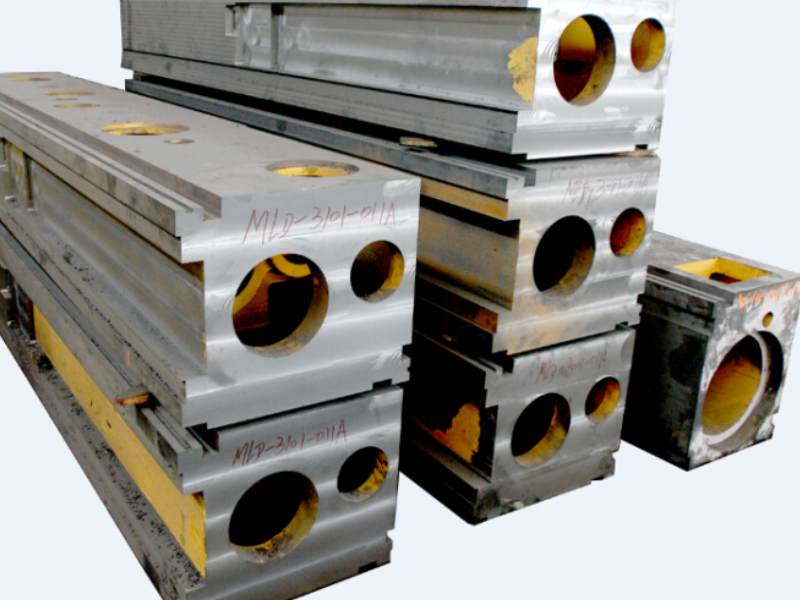
Since our establishment in 2016, about makcnc, our focus has been on delivering reliable and precise CNC machine tools. As an ISO 9001:2015 certified manufacturer, we maintain strict quality control across our multiple production lines. We understand the pressures of modern manufacturing, which is why we offer flexible terms with no hard minimum order quantity—you can procure a single machine to start. For clients with larger needs, bulk purchases come with improved commercial terms regarding price, delivery, and after-sales support. Our typical warranty is 12 months after machine acceptance, backed by a lifetime of paid service. We have a mature service network committed to an 8-hour response time and 48-hour on-site arrival for troubleshooting. We also have experience meeting more demanding project requirements, such as three-year free warranties for specific tenders. With a lead time of 1 to 6 months and a stock of sample machines available, we are prepared to support your production goals.
FAQ of Vertical Machining Centers
1. What is the typical lead time for a new VMC?
Our standard lead time ranges from one to six months, depending on the specific model, customization, and current production schedule. We maintain an inventory of sample machines that may be available sooner.
2. Is there a minimum order quantity (MOQ)?
No, there is no rigid MOQ. We support everything from single-unit purchases for small shops to multi-machine orders for large production lines. However, placing a bulk order may provide access to better pricing, delivery priority, or enhanced service packages.
3. What kind of after-sales support do you provide?
All machines come with a standard 12-month warranty after on-site acceptance. We also offer lifetime paid technical support and service. Our service network aims to respond to any issue within 8 hours and have a technician on-site within 48 hours to handle any faults.
4. Can the machines be customized?
Yes, we can provide customized cnc machines and machining centers from makcnc. Common customizations include different CNC control systems, larger tool changers, higher spindle speeds, and specialized work-holding fixtures to meet unique production requirements.
If you are looking for a reliable supplier for a Vertical Machining Center for Hardware Parts, please contact us for a detailed discussion and the latest product quotation.