Calculate Custom CNC Equipment TCO Before Import
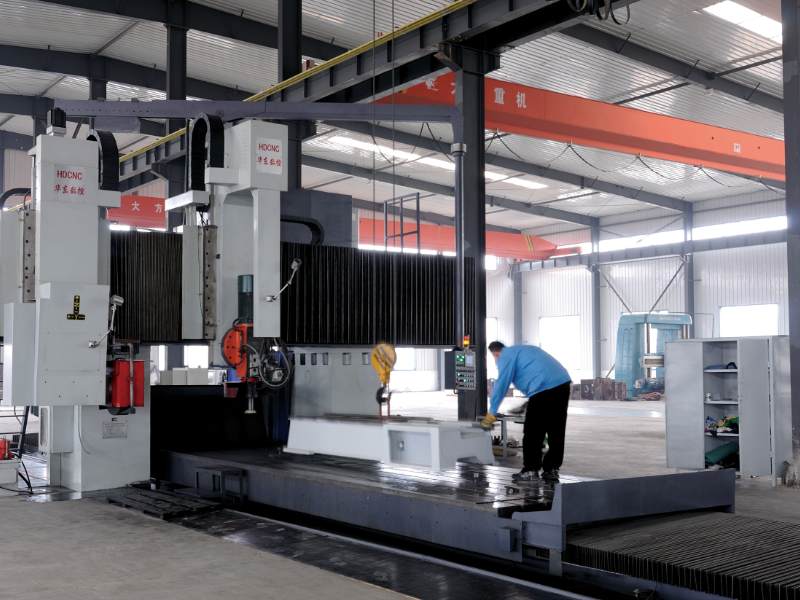
Custom CNC Machining Equipment represents a significant capital investment where the initial purchase price is only one part of the total financial commitment. For procurement managers, engineers, and business owners sourcing from overseas, overlooking factors like freight, commissioning, tooling, and long-term service can transform an attractive quote into an expensive liability. A thorough analysis of the Total Cost of Ownership (TCO) is not just good practice; it's essential for accurate budgeting and ensuring a positive return on investment. This guide outlines a structured approach to evaluating the complete cost profile of your next CNC machine.
What is Custom CNC Machining Equipment?
Custom CNC Machining Equipment refers to computer numerical control machines that are configured or built to meet specific manufacturing requirements beyond standard, off-the-shelf models. This can involve modifications to the work envelope, spindle power, axis travel, tool changing capacity, or the integration of specialized control system features. The primary goal is to optimize the machine for a particular application, material, or production workflow. For instance, a workshop specializing in complex molds may require a machine with advanced system controls to eliminate surface imperfections like over-cutting or chatter marks. Another business focused on multi-sided parts might prioritize a machine capable of completing all operations in a single clamping to maximize efficiency. The customization ensures the equipment delivers optimal performance and precision for its intended task.
Key Configurations and Types of CNC Machines
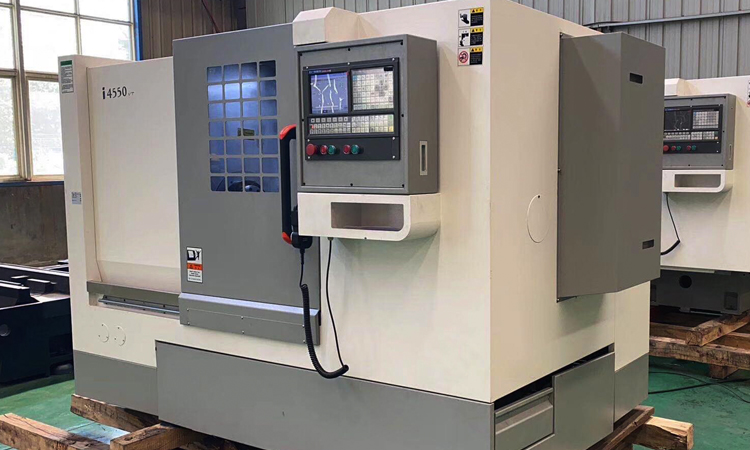
CNC technology is applied across various machine types, each suited for different operations. The most common configurations international buyers evaluate are CNC Machining Centers and CNC Lathes. Understanding their core function is the first step in selecting the right solution for your production line.
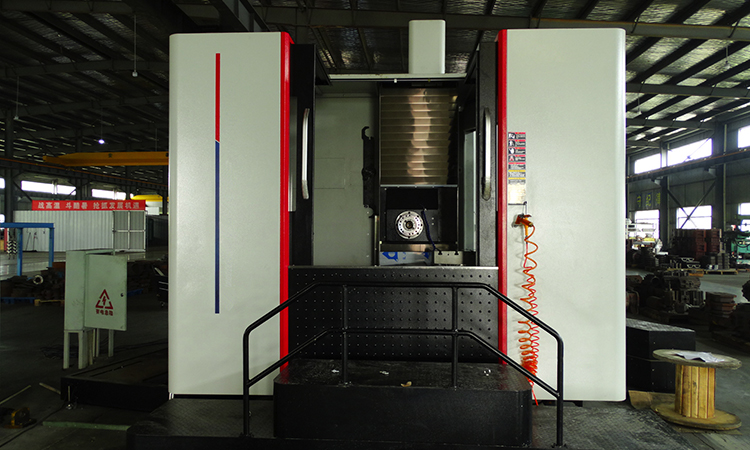
- CNC Machining Centers: These machines use rotating tools to remove material from a stationary workpiece. They are ideal for operations like milling, drilling, and tapping. They are further categorized into vertical cnc machining center mv1380 and horizontal types, distinguished by the orientation of their spindle. Vertical centers are common for single-sided work, while horizontal centers often integrate pallet changers for higher-volume production and are well-suited for tombstone fixtures that allow multi-part machining.
- CNC Lathing Machines (Lathes): In contrast to machining centers, a CNC lathe rotates the workpiece against a fixed cutting tool. This makes them perfect for creating cylindrical parts, performing operations like turning, facing, boring, and threading. A high quality and durable cnc lathe is a fundamental asset in any shop producing shafts, pins, or other rotational components.
The choice between these types depends entirely on the geometry of the parts you intend to produce. Many manufacturing operations require both types of machines to complete a full production cycle.
Core Features That Define Long-Term Performance
When evaluating custom CNC equipment, the specifications sheet tells only part of the story. The underlying structural and component quality determines the machine's long-term accuracy, reliability, and service life. These are the features that directly impact your operational uptime and part quality for years to come.
- Structural Rigidity and Stability: The machine body is its foundation. At MAKCNC, we use high-strength cast iron, such as resin sand castings, for the main structure. This material provides excellent vibration damping. The castings undergo an aging treatment process to relieve internal stresses, which is critical for maintaining long-term precision and preventing geometric distortion over the machine's life.
- High-Precision Drive Components: The accuracy of a CNC machine is heavily dependent on its core transmission parts. We select high-precision ball screws and linear guideways from established brands in Taiwan and Germany. This commitment to quality components ensures smooth, precise movement and contributes to overall machine reliability.
- Advanced System Integration: For industries like mold making, surface finish is paramount. Our control systems integrate technologies like intelligent feed-forward and quadrant glitch compensation. These features specifically address common machining flaws such as "over-cut marks," "quadrant marks," and "chatter marks," reducing the need for secondary polishing and lowering scrap rates.
- Single-Setup Capabilities: For shops handling high-mix, low-volume production, setup time is a major cost driver. Our machines are designed with the capability to perform multi-face machining in a single clamping, drastically reducing setup times and improving part-to-part accuracy.
Calculating the Total Cost of Ownership for Your CNC Machine
The purchase price is the most visible cost, but it rarely represents more than 60-70% of the total investment over a five-year period. A Total Cost of Ownership (TCO) model helps you budget for all associated expenses, providing a much clearer financial picture. When evaluating a quote for Custom CNC Machining Equipment, use the following framework to compare offers and avoid unexpected costs.
| Cost Component | Cost Type | How to Budget and Key Questions for Your Supplier |
|---|---|---|
| Machine Base Price | Confirmed | This is the value from the supplier's quote. Confirm exactly what is included (e.g., standard accessories, control system, coolant system). |
| International Freight & Insurance | Estimated | Request a freight quote from the supplier or a third-party forwarder. Ask: "What are the packed dimensions and weight?" and "Is CIF (Cost, Insurance, and Freight) pricing available?" |
| Import Duties & Taxes | Estimated | Consult a local customs broker. Provide them with the machine's HS Code and value to get an accurate estimate of duties, tariffs, and taxes. |
| Commissioning & Training | Estimated | Ask the supplier: "Is on-site installation and training included? If not, what is the daily rate for an engineer, plus travel and accommodation costs?" Budget for 3-5 days of engineer time. |
| Initial Tooling & Fixturing | Variable | This depends entirely on your parts. Create a list of required tool holders, cutters, and work-holding devices. This cost can be significant and is often overlooked. |
| Annual Service & Spares | Variable | Ask the supplier for a recommended list of critical spare parts. Budget a small percentage of the machine cost annually for preventive maintenance and unexpected repairs after the warranty period. |
| Potential Downtime | Variable/Risk | This is an indirect cost. Evaluate the supplier's service response guarantee. An 8-hour response and 48-hour on-site commitment minimizes lost production value compared to a supplier with no clear support structure. |
Common Mistakes to Avoid When Sourcing CNC Equipment
International procurement comes with unique challenges. Being aware of common pitfalls can save you significant time and money. Here is a checklist of mistakes to avoid during your sourcing process:
- Ignoring After-Sales Support: A low machine price is irrelevant if you cannot get timely support when a machine is down. Before purchasing, verify the supplier's service network, response times (e.g., 8 hours to respond, 48 hours to arrive), and the availability of lifetime paid service.
- Underestimating Shipping and Installation Logistics: Do you have a forklift or crane capable of unloading the machine? Is your foundation prepared to meet the machine's requirements? Clarify rigging and installation responsibilities early in the negotiation.
- Focusing Solely on Price Over Rigidity: A lighter, cheaper machine may save money upfront but will likely suffer from lower accuracy, chatter, and a shorter lifespan under heavy use. A machine built with a heavy, aged cast iron frame is a better long-term investment for precision work.
- Not Clarifying Warranty Terms: A standard warranty is typically 12 months after acceptance. However, terms can vary. Confirm when the warranty period begins and what it covers. For larger projects, inquire if an extended warranty (e.g., three years) is possible.
Choosing a Partner for Custom CNC Machining Equipment
As a specialized CNC machine supplier established in 2016, MAKCNC operates from an ISO 9001:2015 certified facility with multiple production lines. We understand that every manufacturing challenge is unique, which is why we offer a flexible approach to procurement. There is no hard minimum order quantity; single-unit purchases are welcome, while batch orders can benefit from improved commercial terms on pricing, delivery, or service. Our typical lead times range from one to six months, and we maintain an inventory of sample machines for evaluation. The foundation of our business is building equipment that lasts, using quality components and sound engineering principles to deliver a reliable and precise professional cnc machining center solution. To learn more details, you can read more about MAKCNC and our commitment to quality.
Frequently Asked Questions
What is the typical warranty period for your CNC machines?
Our standard warranty is 12 months from the date of final acceptance at your facility. We also provide lifetime paid technical support and service. For specific tenders or large-scale projects, longer warranty periods, such as three years of free warranty, can be negotiated.
Do you have a minimum order quantity (MOQ)?
We do not have a strict MOQ. You can purchase a single machine. However, placing a batch order for multiple units may provide access to more favorable business terms regarding price, delivery schedule, or after-sales service packages.
What is your typical service response time?
Our mature after-sales network commits to an initial response to any service request within 8 hours. If on-site intervention is required, we aim to have a qualified technician at your facility within 48 hours to diagnose and resolve the issue.
What materials are your machines built from?
The main structural components of our machines are made from high-strength cast iron, which undergoes a thermal aging process to ensure long-term stability and precision. We use high-grade components from respected German and Taiwanese brands for critical drive systems like ball screws and linear guides.
If your team is evaluating suppliers for your next CNC machine, contact us to discuss your specific application requirements and receive a detailed quote.