How to Choose a Complete CNC Machining Solution for Your Production Line
A Complete CNC Machining Solution is a coordinated package of machine tools, tooling, workholding and process support built to cover a shop's full part-production requirement, rather than a single standalone machine. For a manufacturing manager evaluating capacity before writing a project specification, the decision usually comes down to two competing paths: buy separate machines part by part as needs arise, or specify an integrated system upfront that covers turning, milling and multi-face work in one procurement cycle. Which path you pick affects tooling cost, floor space, lead time and how much rework you'll need to do a year from now when volumes shift.
What is a Complete CNC Machining Solution?
In practical terms, it means matching the right combination of CNC lathes, machining centers, fixtures and control systems to a defined part family and production volume, so the shop isn't buying capability it doesn't need or under-specifying capacity it will outgrow in a year. A solution built this way typically includes the base machine, the spindle and axis configuration, tooling packages, and often automation such as bar feeders or pallet changers. It is different from buying a single general-purpose machine, because every component in the package is selected to work together — the ballscrew and guideway grade matched to the tolerance target, the control system matched to the part geometry, and the tooling matched to the material being cut.
Types of CNC Machining Solutions
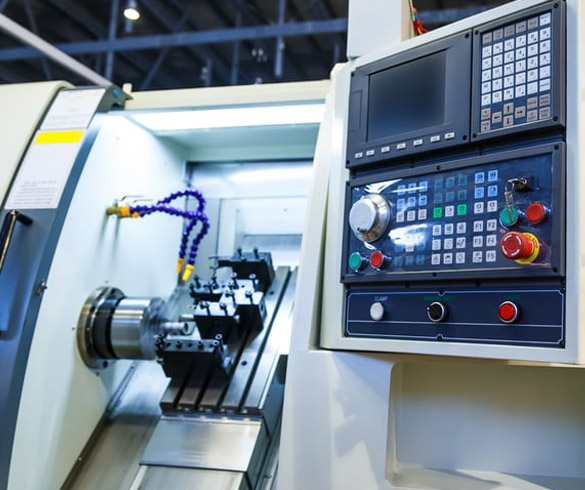
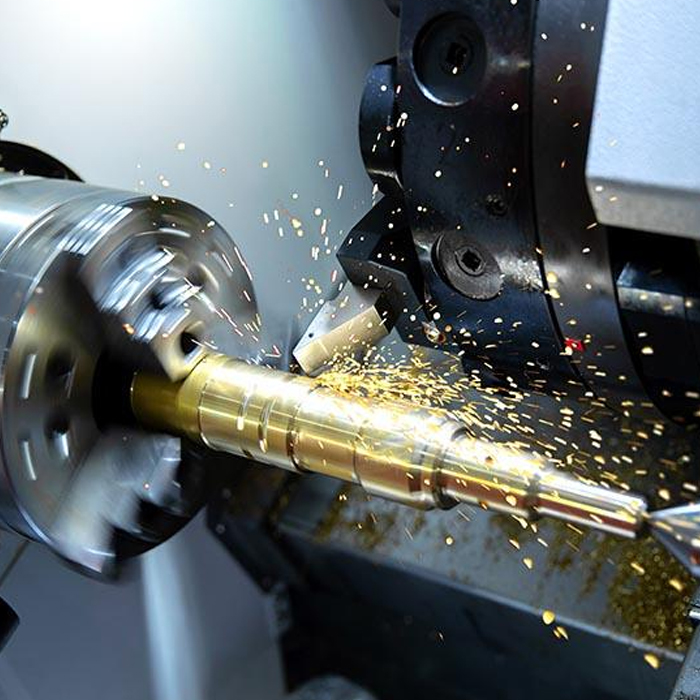
Most shops choose from three broad categories, and the right one depends on part shape and batch size. A high quality and durable cnc lathe handles rotationally symmetric parts — shafts, flanges, bushings — and inclined bed configurations like the CNC inclined bed lathe improve chip evacuation for higher-volume turning. A vertical and horizontal cnc machine center handles prismatic parts needing milling, drilling and tapping in multiple faces. Horizontal centers add a fourth axis for box-shaped parts requiring several face operations without re-fixturing. For shops with non-standard part families, a customized cnc machines and machining centers from makcnc package combines both turning and milling capability, or adds specific fixture designs, into one specification.
Mapping Part Geometry, Volume, Automation and Quality Control to the Right Solution Scope
This is the step most specifications skip, and it's the one that determines whether the machine earns back its cost in year one or sits underused. Before selecting a machine, map five variables against the required scope: part geometry, production volume, automation level, tooling complexity, and quality-control tolerance. The table below shows how these variables typically translate into solution scope.
| Requirement | Low Complexity Scope | High Complexity Scope |
|---|---|---|
| Part geometry | Simple rotational or single-face prismatic parts | Multi-face parts needing one-setup completion |
| Production volume | Low-to-mid batch, frequent changeover | Continuous runs, minimal changeover |
| Automation | Manual load, standalone machine | Bar feeder, pallet changer, or robot cell |
| Tooling | Standard toolholders, few stations | Extended tool magazine, quick-change tooling |
| Quality control | Standard tolerance, manual inspection | Tight tolerance, in-process probing needed |
Boundary note: this mapping does not apply well to one-off prototype work or R&D shops running under ten parts a year — for that volume, a simpler standalone machine with manual setup is usually more cost-effective than a fully automated cell, because the automation payback period simply won't be reached.
Features That Separate a Reliable Solution from a Risky One
Frame and casting quality matters more than most buyers expect. Machine bodies built from high-strength cast iron, aged through stress-relief treatment, hold geometric accuracy over years of use rather than drifting after the first heavy cutting season. Core transmission components — ballscrews and linear guideways — sourced from established Taiwanese or German brands contribute directly to repeatability, and the way these components are integrated with the control system matters as much as the parts themselves. For mold and die work specifically, look for systems with intelligent feed-forward control and quadrant-protrusion compensation, which reduce overcut marks, quadrant glitch lines and chatter marks — three defects that routinely cause rework in high-precision mold shops. Multi-face, one-setup capability is another feature worth checking for shops running varied small-batch part families, since it removes repositioning error between operations.
Where a Complete CNC Machining Solution Gets Applied
Mold and die shops are the most direct fit, since surface finish and dimensional accuracy requirements there align closely with feed-forward and anti-chatter features. Automotive component suppliers use turning-milling combinations for shafts and housings that need both rotational and face-milling operations. General machinery fabricators use vertical centers such as the MV1160 vertical machining center for mid-size bracket and housing work, while larger fixtures move to the MV1380 vertical machining center. Job shops handling multi-industry orders benefit most from the flexibility of a combined solution, since they rarely run the same part family two months in a row.
Complete CNC Machining Solution Price Factors
Price swings for a full solution typically come from four variables, not from the base machine casting alone.
- Machine class: a compact vertical center like the MV970 costs less than a larger-travel model or a horizontal center with fourth-axis capability.
- Automation add-ons: bar feeders, pallet pools and robot loading raise upfront cost but cut labor hours per part over the machine's life.
- Tooling package: extended tool magazines and quick-change holders add cost but reduce changeover time on mixed-part runs.
- Order volume: there's no hard minimum order quantity — a single unit can be purchased — but multi-unit orders typically unlock better commercial terms on price, delivery lead time, or after-sales service.
Delivery timelines for most configurations run one to six months, depending on how customized the tooling and automation package is.
Buyer's Checklist and Common Mistakes
Before issuing a purchase order, run through this checklist:
- Confirm part tolerance and finish requirements against the machine's stated accuracy — not just the spindle speed spec sheet.
- Verify ballscrew and guideway brand origin in writing, not just "high precision" wording.
- Ask for the warranty terms in writing — standard coverage is 12 months after acceptance, with paid lifetime service available afterward; some tender projects specify longer, such as three-year free warranty.
- Check response time commitments — a mature after-sales network should commit to an 8-hour response and 48-hour on-site arrival for breakdowns.
- Review documented cases in a similar part family before assuming the machine fits your process.
Common mistakes buyers make: specifying spindle speed and axis travel without checking tooling compatibility; skipping a floor-space and foundation check before delivery; and assuming automation pays for itself regardless of batch size, when in fact low-volume, high-mix work rarely justifies the automation premium.
MAKCNC as a Complete CNC Machining Solution Supplier
MAKCNC has operated multiple production lines since founding in 2016, maintaining sample machine stock so that evaluation and delivery timelines stay predictable. Our facility operates under ISO 9001:2015 quality management, and our machine frames use high-strength cast iron with stress-relief aging to hold long-term accuracy and rigidity. Core transmission parts — ball screw assemblies and linear guideways — are sourced from established Taiwanese or German brands, integrated for coordinated system performance rather than treated as separate components. For mold-industry customers, our systems include intelligent feed-forward and quadrant-protrusion compensation to address overcut marks, quadrant lines and chatter marks, and support one-setup multi-face machining for small-batch, multi-variety production. Standard warranty runs 12 months post-acceptance, with paid lifetime service afterward; select tender projects can include a three-year free warranty. Our after-sales network commits to 8-hour response and 48-hour on-site arrival. You can review our global cnc machiery cases of makcnc or learn more professional cnc lathing machine manufacturer background before requesting a specification review.
FAQ of Complete CNC Machining Solution
Is there a minimum order quantity?
No. A single unit can be purchased. Multi-unit orders can qualify for better price, lead time, or service terms.
How long does delivery take?
Most configurations ship in one to six months, depending on customization level of tooling and automation.
What warranty applies?
Standard coverage is 12 months after acceptance, with paid lifetime service available afterward. Some tender projects specify a three-year free warranty.
Can one machine handle both turning and milling?
Some configurations, including customized packages, combine turning and milling in one setup for multi-face parts. Standalone lathes and machining centers remain the standard choice for simpler, single-operation part families.
What if my part volume is very low?
For under-ten-parts-a-year prototype work, a standalone manual-load machine is usually more cost-effective than an automated cell, since automation payback depends on run volume.
If you're evaluating machine specifications for an upcoming project, send us your part drawings or production requirements, and our team can recommend the right configuration and provide a current quote.