
How to Evaluate a Complete CNC Machining Solution
A complete CNC machining solution is a fully integrated system designed for production, extending far beyond the base machine. It encompasses the CNC machine, workholding fixtures, cutting tools, automation options, software, commissioning, and critically, the post-sale support structure. Choosing the right partner means evaluating not just the hardware specifications, but the entire ecosystem that will determine your long-term manufacturing success. An incomplete or poorly matched solution can lead to unexpected costs, production delays, and quality issues that undermine your initial investment.
What Defines a Complete CNC Machining Solution?
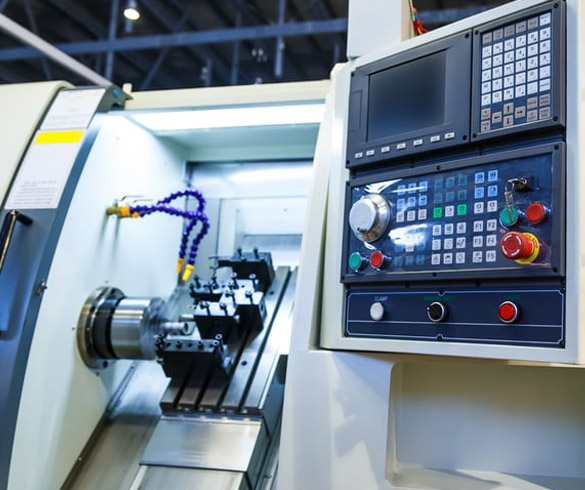
Unlike purchasing a standalone machine, investing in a solution requires a holistic view. The goal is to acquire a production-ready asset, not a project that requires significant post-delivery integration. A truly complete package is defined by its ability to address your specific application from day one. This includes a high quality and durable cnc lathe or machining center built for stability and precision. The core structure is often made from high-strength cast iron, such as resin sand castings, which undergo an aging process to ensure long-term rigidity and accuracy. Key components like ball screws and linear guideways are sourced from established manufacturers in Taiwan or Germany, ensuring reliable performance. The solution should also integrate advanced system technologies, like intelligent feed-forward and quadrant glitch compensation, which are essential for high-precision tasks such as mold making. These features directly address common manufacturing defects like over-cutting, quadrant marks, and chatter vibrations.
Decoding and Comparing Your CNC Solution Quotes
When you receive multiple quotes, the total price is only a small part of the story. Two proposals with similar costs can offer vastly different value and long-term performance. A detailed comparison is essential to avoid hidden costs and select the partner that best aligns with your production goals. Use the following breakdown to analyze each offer systematically.
This comparison matrix helps you look beyond the machine's price tag and evaluate the total value and suitability of each offer.
- The Machine Itself: Look at the core construction. Is it built with high-strength, aged cast iron for stability? What is the brand and precision grade of the core components like ball screws and guideways? For complex parts, does the machine offer capabilities like multi-face machining in a single clamping?
- Fixtures & Workholding: Does the quote include standard vises or a custom-designed hydraulic fixture for your specific part? A generic solution may require expensive modifications later. Evaluate if the proposed workholding minimizes setup time and maximizes machine uptime.
- Tooling Package: A "complete" solution should include a starter set of cutting tools appropriate for your application. Check if the quote specifies the brand, type, and quantity of tool holders, end mills, drills, and inserts. A low-quality or incomplete tooling package will immediately add to your costs.
- Automation Readiness: Does the proposal include options for bar feeders, pallet changers, or robotic integration? Even if not purchased immediately, ensure the machine controller and interface are prepared for future automation to protect your investment.
- Commissioning & Installation: Who is responsible for installation, leveling, and initial test runs? A turnkey solution includes on-site setup by qualified technicians. Clarify what is covered and what—like foundation work or utility connections—is your responsibility.
- Training: A machine is only as good as its operator. The quote should detail the scope of training provided. Is it basic operational training, or does it include advanced programming and maintenance? Is training done at your facility or the supplier's?
- Acceptance Criteria: How is the project considered "complete"? The quote should define clear acceptance criteria, such as successfully machining a specific test part to a required tolerance and cycle time. This protects you from underperformance.
Key Features of a High-Performance CNC System
The performance of a CNC machine is determined by the synergy of its mechanical structure, drive systems, and control software. When evaluating a solution, focus on features that directly contribute to precision, reliability, and efficiency. Our machines are engineered with a foundation of high-strength cast iron, which is put through a rigorous aging treatment. This process relieves internal stresses in the metal, ensuring the machine frame maintains its geometric accuracy over years of operation, resisting the deformation that can lead to precision loss.
We build upon this stable base by integrating high-precision core components, such as ball screws and linear guideways, from reputable German and Taiwanese suppliers. This focus on quality hardware minimizes backlash and ensures smooth, accurate axis movement. For industries like mold and die manufacturing that demand superior surface finishes, our systems incorporate advanced control features. Technologies like intelligent feed-forward and over-quadrant bump compensation proactively manage the tool path, effectively eliminating common flaws like "over-cut marks," "quadrant lines," and "chatter marks." This results in a better finish straight off the machine, reducing or eliminating the need for secondary polishing operations.
Common Applications and Industry Fits
The versatility of a well-designed CNC solution allows it to serve a wide range of industries. However, specific capabilities make them particularly well-suited for certain applications. Our systems are a strong fit for:
- Mold & Die Manufacturing: The high-precision components and advanced software controls are designed to tackle the complex contours and tight tolerances required for injection molds, stamping dies, and casting patterns.
- Multi-Variety, Small-Batch Production: The ability to perform multi-sided machining in a single setup is a significant advantage for job shops. It drastically reduces setup time, minimizes the risk of operator error from re-fixturing, and improves overall part accuracy.
- Aerospace & Automotive Components: The rigid machine construction and reliable performance are ideal for machining the tough alloys and complex geometries found in aerospace and automotive parts, where precision and repeatability are non-negotiable.
MAKCNC: Your ISO 9001-Certified CNC Solution Partner
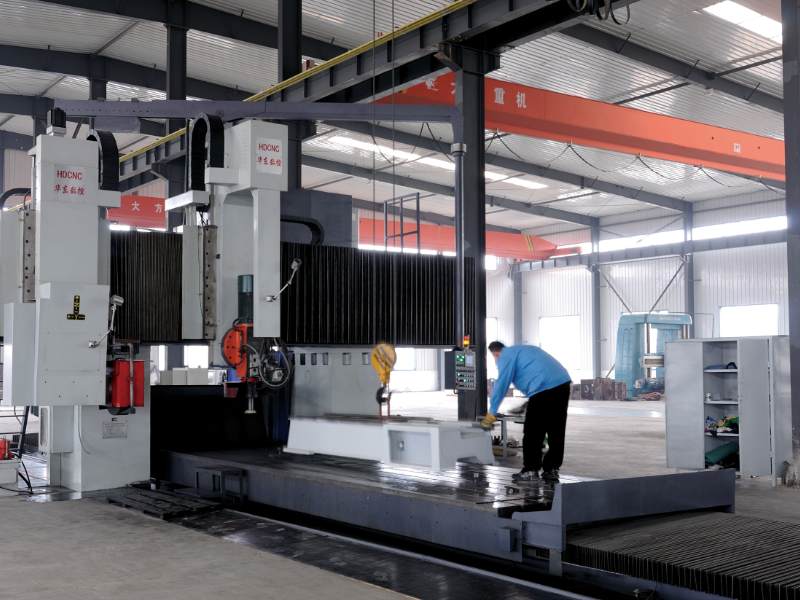
Founded in 2016, MAKCNC operates multiple production lines within our ISO 9001:2015 certified facility, ensuring a commitment to quality and process control. We understand that purchasing a CNC machine is a significant investment, which is why we offer a flexible approach to procurement. There is no rigid minimum order quantity; single-unit purchases are welcome. For businesses looking to scale, we offer improved commercial terms on pricing, delivery, and service for multi-unit orders. We maintain an inventory of sample machines, allowing potential partners to see our build quality firsthand.
Our commitment extends beyond the sale. A standard warranty covers the machine for 12 months after formal acceptance, with lifetime paid service available. For larger projects or specific tenders, we can accommodate extended warranty requirements, such as three years of free coverage. Our mature after-sales network is built for responsiveness, typically committing to an 8-hour response time and 48-hour on-site arrival for troubleshooting and repairs.
Frequently Asked Questions
What is the typical lead time for a CNC machine?
Our standard lead time ranges from one to six months, depending on the machine model, level of customization, and current production schedule. We work with you to establish a clear delivery timeline during the quotation process.
Is there a Minimum Order Quantity (MOQ)?
We have no strict MOQ. You can purchase a single machine. However, placing a bulk order for multiple units often allows us to provide more favorable commercial terms regarding price, delivery priority, or enhanced after-sales service packages.
What does the standard warranty cover?
The standard warranty period is 12 months, commencing after the successful commissioning and acceptance of the machine at your facility. This covers defects in materials and workmanship. We also offer lifetime paid service and can negotiate extended warranty terms for specific projects.
For a detailed quote tailored to your specific application, please submit your drawings and production requirements to our technical team.