How to Choose a Mini CNC Lathe Machine for Small Parts
What Is a Mini CNC Lathe Machine?
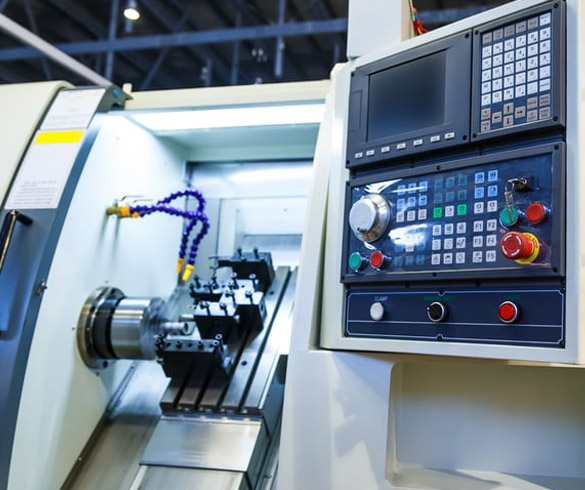
Mini CNC Lathe Machine refers to a compact computer-controlled turning machine designed for producing smaller rotational parts. It holds a workpiece in a chuck or collet, rotates it, and moves a cutting tool along programmed paths to create outside diameters, faces, grooves, threads, holes, and other turned features. For prototype shops and small-part manufacturers, the main decision is not simply whether the machine is physically small. The buyer must confirm whether the machine can hold the material, part diameter, tooling, workholding, and production rhythm required by the job. A compact machine may be suitable for short shafts, bushings, fittings, pins, threaded connectors, and similar components. However, a Mini CNC Lathe Machine is not automatically the right choice for heavy cuts, large workpieces, hard materials, or continuous batch production. The best selection starts with actual drawings and machining requirements rather than machine appearance alone.
Types of Compact Turning Equipment
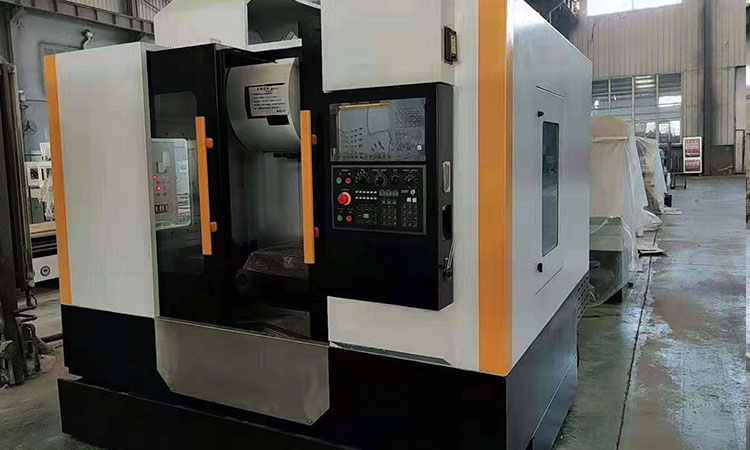
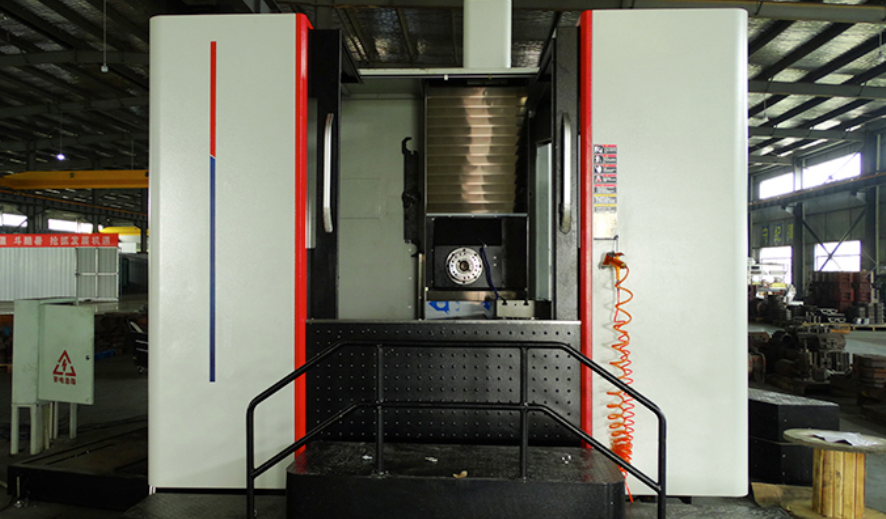
A Mini CNC Lathe Machine can fall into several practical categories, and each category serves a different shop requirement. Desktop units are usually considered first by buyers with limited floor space, low-volume work, educational applications, or light prototype tasks. Compact industrial lathes are generally a better fit when buyers need stronger structure, repeatable production, and more stable cutting conditions. There are also flat-bed and inclined-bed designs. A flat-bed arrangement may suit straightforward work and familiar operating practices, while an inclined-bed configuration is often selected when chip flow, tool access, and automated production features matter more. Buyers comparing an CNC lathing machine should also identify whether the work needs only turning or requires drilling, tapping, milling flats, or multiple operations in one clamping. If secondary operations are frequent, a machining center or custom machine arrangement may be more economical than forcing every feature onto a small turning platform.
| Machine Type | Best Fit | Buyer Checkpoint | When It Is Not Suitable |
|---|---|---|---|
| Desktop CNC lathe | Light prototype work and simple small components | Confirm material, chuck capacity, tooling, and work envelope | Heavy cutting, large diameter parts, or sustained production demand |
| Compact industrial CNC lathe | Small-part manufacturing with stronger rigidity needs | Review bed construction, guideways, screw system, and service plan | Parts requiring multiple milled faces in one setup |
| Inclined-bed CNC lathe | Turning work that benefits from improved chip handling and access | Check tooling layout and operator workflow | Very simple occasional work where added machine capability is unnecessary |
| Machining center | Parts with several milled, drilled, and tapped features | Compare setup count against turning-only equipment | Simple rotational parts that only need turning operations |
Features That Matter Before Buying
The useful features of a Mini CNC Lathe Machine are the features that reduce setup risk on the buyer’s own parts. Start with machine structure. A high-strength cast-iron body, including resin-sand cast components where used, can support rigidity and long-term dimensional stability after aging treatment. Next, ask which components guide the axes and transmit motion. High-precision ballscrews and guideways from Taiwanese or German brands may be selected for MAKCNC equipment, but buyers should still request the configuration for the exact model under consideration. Control capability also matters when surface quality and dimensional consistency are sensitive. For mold-related precision work, advanced system integration can use intelligent feedforward and quadrant-jump compensation to help address issues such as overcut marks, quadrant marks, and chatter patterns. This does not mean every material or tool will produce the same finish. Tool geometry, clamping, cutting parameters, coolant, and operator programming still affect the result.
- Choose a rigid machine body when material removal or finish consistency matters. Do not assume a light desktop frame will replace industrial cast construction.
- Check axis transmission components when repeatability is a purchase priority. Ask for the proposed ballscrew and guideway configuration.
- Review control functions when mold components or close-fit parts show visible transition marks. These functions do not remove the need for sound process settings.
- Plan workholding early when parts are thin, short, or easily distorted. A suitable machine cannot correct poor chucking or unsupported stock.
Mini CNC Lathe Machine Applications for Small Parts
A Mini CNC Lathe Machine is commonly considered for parts that are mainly rotational and can be completed with turning-oriented operations. Typical work includes spacers, sleeves, bushings, threaded fittings, pins, small shafts, valve-related parts, connector bodies, and prototype metal components. The strongest application fit is a part that can be held safely, machined with appropriate tools, inspected with available gauges, and removed without excessive secondary handling. For small-batch manufacturing, buyers should examine the full routing instead of looking only at spindle time. If a part needs turning on several diameters, drilling, threading, and a cross-hole, the compact lathe may still be appropriate if the cross-hole is a secondary operation. If it requires several faces, pockets, side holes, and multiple orientations, a professional CNC machining center solution may reduce setups. This is especially relevant for buyers trying to complete multi-face machining in one clamping.
When a Desktop Machine Is Insufficient
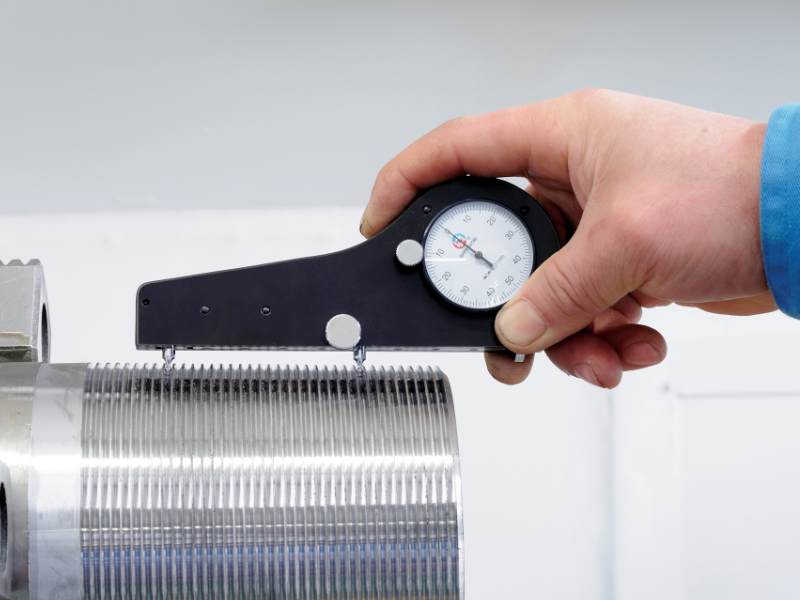
The boundary for choosing a Mini CNC Lathe Machine should be based on material hardness, part diameter, and batch size. A desktop machine may look economical at the quotation stage, yet become a poor fit if the part needs stronger holding force, more rigid cutting conditions, repeated tool changes, or long operating hours. The practical rule is simple: if the material is harder than the desktop machine can machine stably, the part diameter approaches or exceeds its stated chuck or swing capacity, or the batch requires dependable repeated output, move the comparison toward a compact industrial CNC lathe. This is not a claim that every small part needs a larger machine. Soft or easily machined materials, modest diameters, and occasional prototype quantities can suit a desktop format. Buyers should provide material grade, finished diameter, stock diameter, required operations, and expected batch quantity before selecting equipment.
| Selection Factor | Desktop Machine May Fit | Compact Industrial Machine Is Usually Better | Immediate Buyer Action |
|---|---|---|---|
| Material hardness | Material can be cut with light, stable machining conditions | Harder materials need stronger rigidity and more dependable cutting stability | Send the material grade and required cutting operations with the RFQ |
| Part diameter | Part and stock are comfortably within the machine work envelope | Diameter approaches chuck, swing, or workholding limits | Compare finished size and raw stock size against the quoted machine capacity |
| Batch size | Occasional prototypes or limited trial quantities | Repeated batches where downtime and setup consistency affect delivery | State expected quantity per batch and annual production expectation |
| Part complexity | Simple facing, turning, drilling, and threading work | Several sides or many secondary features require more capable routing | Mark all turned and non-turned features on the drawing |
Mini CNC Lathe Machine Price Factors
The price of a Mini CNC Lathe Machine changes according to configuration rather than the word “mini” alone. Buyers should avoid comparing quotations that list only a machine name and a total price. A useful quote separates the base machine from the items needed to run the intended part: controller configuration, spindle arrangement, chuck or collet system, tooling, coolant arrangement, chip handling, electrical requirements, optional automation, inspection needs, packing, and transport. The delivery period should also be confirmed at the quotation stage. MAKCNC states a typical production and delivery range of 1 to 6 months, depending on the order situation and configuration. There is no hard minimum order quantity, so a single machine can be purchased. Multiple-machine purchases may qualify for improved commercial terms related to price, delivery, or after-sales service. That advantage should be discussed as a proposal-specific term, not treated as an automatic discount.
- Provide the part drawing and material grade.
- List the raw stock form, such as bar, forging, or pre-cut blank.
- State the finished diameter and the longest workpiece condition.
- Identify required operations, including threading, drilling, tapping, or secondary milling.
- Give the expected prototype and batch quantities.
- Ask the supplier to list standard and optional equipment separately.
- Confirm delivery range, installation support, acceptance conditions, warranty, and paid lifetime service terms.
User Guide for Setup and Operation
Before operating a Mini CNC Lathe Machine, the shop should create a repeatable preparation routine. First, inspect the incoming material and ensure its actual diameter matches the programmed setup plan. Second, select the chuck, collet, jaws, or fixture that holds the workpiece without deformation or unsafe overhang. Third, set tools and offsets according to the machining sequence, then verify the program using a safe trial method before full cutting. Fourth, inspect the first completed part against drawing requirements before continuing the batch. For small parts, workholding errors can have a larger effect than buyers expect because there is less material available for correction. Keep tools clean, control chip buildup, and inspect wear before visible quality problems spread across the lot. Do not use a compact machine for a part that exceeds its rated work envelope or requires a cutting load outside the supplier-approved application. A correct process begins with safe capacity matching, not with an aggressive cycle-time target.
MAKCNC as a Mini CNC Lathe Machine Supplier
When sourcing a Mini CNC Lathe Machine, buyers should assess the supplier’s manufacturing background, available machine range, configuration support, and after-sales terms. MAKCNC was established in 2016 and operates multiple production lines with sample machine inventory. Its equipment range includes CNC lathing machines, CNC machining centers, and CNC machines for different production requirements. For applications that do not fit a standard compact turning layout, buyers can discuss customized CNC machines based on drawings and process needs. Machine bodies commonly use high-strength cast iron, and core transmission components may use high-precision Taiwanese or German brands depending on configuration. The usual warranty is 12 months after machine acceptance, with paid lifetime service available. For certain tender projects, higher warranty requirements, including three years of free warranty, may apply. A mature service network may respond within 8 hours and arrive on site within 48 hours for fault handling, subject to project and service conditions.
FAQ of Mini CNC Lathe Machine Selection
Can a Mini CNC Lathe Machine machine hardened materials?
A Mini CNC Lathe Machine may machine certain harder materials only when the machine structure, tooling, workholding, and approved cutting process are suitable. Do not choose based only on part size. Send the exact material grade, heat-treatment condition, and drawing requirements to the supplier for confirmation.
Is one machine available for purchase?
Yes. MAKCNC does not set a hard minimum order quantity, so buyers can purchase one machine. If several machines are required, discuss possible commercial terms for price, delivery, or after-sales service before issuing the purchase order.
When should a buyer choose a machining center instead?
Choose a machining center when the part requires multiple faces, pockets, side holes, or other milled features that would create repeated secondary setups on a lathe. Turning-only parts should still be evaluated on a Mini CNC Lathe Machine first because the process may remain simpler and more direct.
If you are looking for a Mini CNC Lathe Machine supplier, contact MAKCNC with your part drawings to request the latest machine quotation and selection advice.