How to Source a Compact Vertical Machining Center
What is a Compact Vertical Machining Center?
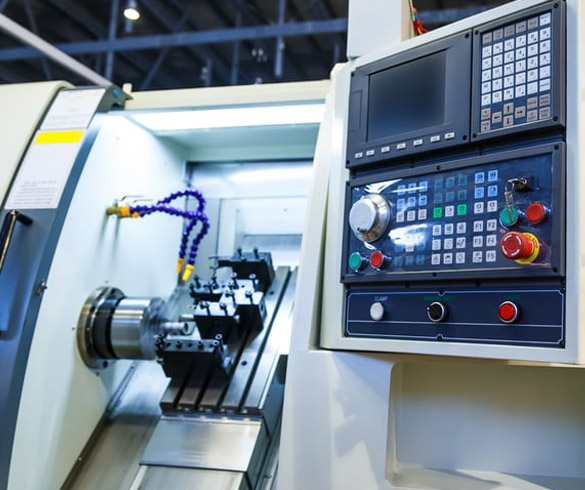
Compact Vertical Machining Center is a vertical CNC machine designed for milling, drilling, boring, and related multi-axis metalworking tasks while requiring less floor space than larger machine configurations. It uses computer numerical control to move the cutting tool and workpiece according to programmed instructions. For an import buyer, “compact” should not be treated as a fixed technical specification because suppliers may use the term differently. The right conclusion is to source from verified dimensions, access requirements, and required workpieces rather than from the word compact alone. This approach fits production managers who need to place a machine in an existing workshop, mold shop, or mixed-production cell. It does not apply if the buyer has already fixed every travel, table, spindle, and automation requirement in an approved technical specification.
A Compact Vertical Machining Center should be evaluated as a complete production asset, not only as a machine catalog entry. Ask each supplier for the overall machine footprint, machine height, door opening envelope, electrical cabinet location, chip-removal arrangement, and installation drawing. These details determine whether the machine can enter the plant, be operated safely, and receive routine service. A quote without this information may look attractive but leave important costs outside the purchasing decision. For early-stage VMC sourcing, the buyer’s job is to turn production needs into comparable supplier questions before requesting final commercial terms.
Types of Compact Vertical Machining Centers
Compact vertical machine choices are usually grouped by intended work style rather than by one universal size category. A standard enclosed vertical configuration can suit general prismatic parts and routine milling work. A configuration selected for mold work may place greater attention on stable machine structure and control functions that address visible machining marks. Another option may be selected for multiple-part, small-batch production where one clamping setup is expected to complete several faces of a workpiece. Choose the type according to part geometry and setup strategy first. This is appropriate when a buyer is comparing suppliers before finalizing a model. It is not enough when the production plan requires a confirmed fixture concept, a specific tool list, or automation integration.
| Source option | Best-fit production need | Why it matters | Limit of the choice |
|---|---|---|---|
| General vertical configuration | Mixed milling, drilling, and boring work | Provides a familiar format for many workshop workflows | May not resolve special mold-finishing or multi-face setup needs by itself |
| Mold-focused configuration | Parts where machining marks and surface quality need close review | Control functions can be specified to address overcut marks, quadrant marks, and chatter patterns | Machine selection still requires confirmation of material, cutter, program, and fixture conditions |
| Multi-face small-batch configuration | Many varieties of parts in smaller production lots | Can support completing several faces during one clamping setup | Requires a workable fixture and part-access plan |
When reviewing options, compare the supplier’s actual model documentation rather than assuming every vertical machining center shares the same enclosure, table access, or chip-handling layout. For example, buyers can use the product data for a vertical cnc machining center mv970 as a starting point for model-level questions, then request the current layout drawing and configuration list. A Compact Vertical Machining Center may be a practical route for a constrained workshop, but it is not automatically the best choice for every heavy part, oversized fixture, or unattended production requirement.
Features to Verify Before Comparing Suppliers
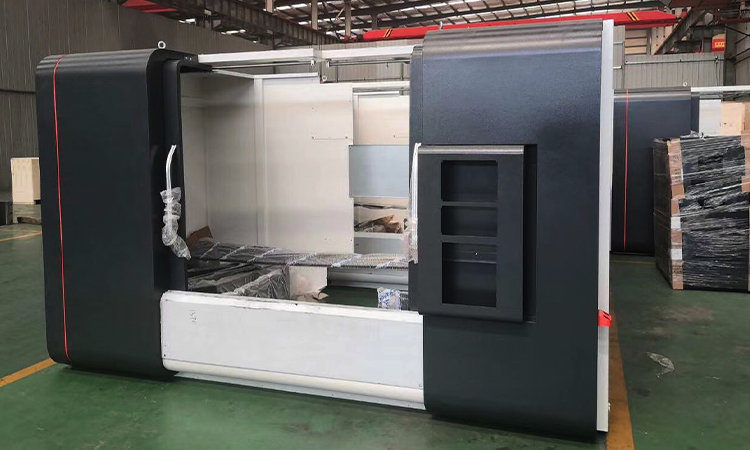
The machine structure and motion components deserve attention because they influence long-term use, service planning, and the suitability of the equipment for the intended parts. MAKCNC states that machine bodies commonly use high-strength cast iron, including resin-sand castings, followed by aging treatment intended to maintain rigidity and long-term accuracy. Core transmission components such as ball screws and guideways may use high-precision components from Taiwan or Germany. Request the exact configuration offered in the quotation instead of relying on general marketing descriptions. This is useful when two quotations appear similar but differ in structural design or component source. It does not mean that a component brand alone proves the final machining result; assembly quality, control settings, tooling, workholding, and process planning also affect output.
- Machine body construction: Ask for the stated casting material and aging process because the machine frame supports the moving system and workpiece during cutting.
- Guideways and ball screws: Ask for the offered component source and specification because these parts are central to axis movement and maintenance planning.
- Control functions: For mold work, ask whether intelligent feedforward and quadrant-jump compensation are included, and request clarification of their intended use.
- Single-clamping capability: For varied small batches, verify which faces can actually be reached in one setup with your fixture concept.
- Chip management: Confirm the chip path and collection method because chip buildup can affect operator access and housekeeping.
A Compact Vertical Machining Center should therefore be compared with a configuration sheet that lists included items, optional items, and buyer-supplied items. This prevents a common error: comparing one supplier’s base machine price with another supplier’s price that includes added systems. The feature review is most valuable before issuing a formal RFQ. Once a purchase order is close to approval, the buyer should convert every agreed feature into an attachment to the commercial contract.
Compact Vertical Machining Center Applications
A Compact Vertical Machining Center can fit mold manufacturing and multi-variety, small-batch production where machining several faces in one clamping setup can reduce handling between operations. For mold-related work, buyers should focus on how the supplier addresses overcut marks, quadrant marks, and vibration-related surface patterns through control-system functions and process support. Select the application based on the part family, not only on the industry name. A mold shop can contain roughing, finishing, electrode, and fixture work that place different demands on the machine. Likewise, a general engineering workshop may process a wide mix of prismatic parts but still require stable access for manual loading and inspection.
Before sending drawings, classify each candidate part by material, finished dimensions, number of faces to be machined, workholding method, annual quantity, and surface requirements. Then identify the difficult operation. It may be deep cavity milling, a tight corner transition, drilling from several sides, or keeping a part in one clamping setup. This creates a useful discussion with the supplier. A Compact Vertical Machining Center is less suitable when the largest parts, fixtures, or production plans require more working envelope, heavier handling arrangements, or another machine layout. Buyers needing a different process route can also compare a horizontal cnc machining center where that configuration better fits the workpiece and production flow.
Compact Vertical Machining Center Price Factors
Compact Vertical Machining Center price should be treated as a quotation structure, not a single number. The base machine may be only one part of the purchasing cost. Control options, mechanical configuration, chip handling, freight preparation, installation support, commissioning scope, tooling, fixtures, and spare-parts planning can change the final comparison. Compare quotations line by line on the same scope. This method fits buyers receiving early supplier offers from different countries or factories. It does not apply if the procurement team has already issued a fully standardized tender package with a fixed delivery and acceptance scope.
| Price element | Question to ask in the RFQ | Risk if omitted |
|---|---|---|
| Base machine configuration | Which machine features and control functions are included? | Two offers may describe different equipment levels |
| Optional equipment | Which accessories are priced separately? | Needed items can appear after the initial comparison |
| Freight and packing | What packing method, shipping term, and destination scope apply? | Import cost cannot be compared accurately |
| Installation and training | Who performs each task and what site conditions are required? | Commissioning responsibility may be unclear |
| Service and warranty | When does warranty start and what response arrangement is written? | After-sales expectations may not match the contract |
MAKCNC accepts single-machine purchases without a hard minimum order quantity, while multi-machine procurement may receive improved commercial terms related to price, delivery, or after-sales service. The stated lead-time range is 1 to 6 months, so buyers should ask for the current model-specific production schedule rather than treating that range as a fixed promise. A Compact Vertical Machining Center quote is most useful when it includes the delivery basis, option list, and validity period. Do not choose solely by the lowest initial figure if the supplier has not confirmed the technical and site scope.
A Space-and-Access Sourcing Method That Accounts for Machine Footprint, Service Clearances, Door Swing, Chip Handling, and Rigging Routes Before Requesting Quotes
Many sourcing problems begin before the machine is ordered: the selected unit reaches the site but cannot pass through an entrance, the operator cannot fully open the door, the electrical cabinet cannot be serviced, or chips have no practical removal route. Complete a space-and-access review before requesting priced quotations. This is the right method for factories adding equipment to an active production area, rented premises, or a building with limited loading access. It may be less important for a newly designed plant with approved machine foundations and unrestricted heavy-equipment access, although the check should still be documented.
| Check item | Why it matters | Immediate buyer action |
|---|---|---|
| Machine footprint | A catalog footprint does not always show the operating area around the machine | Mark the machine outline on the floor plan and attach it to the RFQ |
| Service clearances | Maintenance access may be blocked by walls, stock racks, or nearby machines | Ask the supplier for required service-side access on the layout drawing |
| Door swing | An obstructed door can restrict loading, unloading, fixture changes, and inspection | Request the full door-opening envelope and compare it with aisle width |
| Chip handling | Without a planned discharge and collection area, housekeeping can become difficult | Confirm chip exit direction, collection location, and operator access |
| Rigging route | The machine may fit the production bay but not the entrance, corridor, or lift route | Measure every route point from unloading area to final location |
For a Compact Vertical Machining Center, send suppliers a simple site package containing a scaled floor plan, door and corridor dimensions, unloading point, route photographs, ceiling restrictions, and the planned machine location. Ask them to mark the machine outline and access areas on the drawing they return. This removes uncertainty before commercial negotiations begin. It also helps a production manager identify whether machine placement will interfere with material flow, inspection space, or operator movement. Do not estimate door swing or rigging access from a brochure image.

Compact Vertical Machining Center User Guide for RFQ and Installation Planning
The most effective user guide at the sourcing stage is a controlled RFQ process. Start with parts and site facts, then request a matched technical response. Do not ask suppliers for a final price before defining the workpiece and installation conditions. This process suits production managers and import buyers who need comparable quotations. It does not replace formal acceptance criteria for buyers operating under a tender, regulated quality system, or customer-mandated validation process.
- Prepare drawings or a representative part list and state the intended operations.
- Identify the largest workpiece and fixture arrangement planned for the machine.
- Provide the floor plan and complete the space-and-access review.
- Ask for the proposed machine configuration, included items, and separately priced options.
- Request the layout drawing, utility requirements, packing details, and delivery basis.
- Define inspection and acceptance expectations before purchase-order release.
- Confirm warranty start point, service contact method, and responsibility for installation tasks.
For CNC machine installation planning, separate the supplier’s machine scope from the buyer’s site preparation scope. MAKCNC states that normal warranty coverage is 12 months after machine acceptance, with lifetime paid service. Some tender projects may require a higher level, such as a three-year free warranty, so buyers should request the agreed terms in writing. Mature after-sales networks may state an 8-hour response and on-site fault handling within 48 hours, but the buyer should verify whether these terms apply to the destination, project, and contract. A Compact Vertical Machining Center cannot be evaluated only at shipment; installation and acceptance conditions matter.
Compact Vertical Machining Center Supplier Selection at MAKCNC
When selecting a Compact Vertical Machining Center supplier, look for evidence that the supplier can respond to technical, commercial, and site questions in one coordinated quotation. MAKCNC was established in 2016 and operates multiple production lines with sample machine inventory. Its stated machine approach includes high-strength cast-iron structures, aging treatment, and selected high-precision transmission components from Taiwan or Germany. For mold-industry needs, MAKCNC describes advanced control-system integration that can include intelligent feedforward and quadrant-jump compensation to address common overcut, quadrant, and vibration-related machining issues. Use these statements as a basis for detailed configuration questions, not as a substitute for model-specific confirmation.
MAKCNC can also discuss vertical machining centers, CNC lathing machines, and customized equipment when a standard layout does not fit the planned application. Buyers with special access restrictions, fixtures, or multi-machine purchasing plans should share these conditions before quote issue. Review customized cnc machines when the requested configuration needs adaptation beyond a standard offer. A Compact Vertical Machining Center supplier should be able to explain what is included, what needs site confirmation, and which items affect delivery or service terms. That level of clarity is more useful than a short quotation with missing technical scope.
FAQ of Compact Vertical Machining Center Sourcing
Is a compact machine always the right choice for a limited workshop?
No. A Compact Vertical Machining Center may have a smaller footprint than larger alternatives, but the usable installation area also includes service access, door swing, chip collection, loading space, and the rigging route. A machine that fits on a drawing may still create daily operating problems if the front access or maintenance side is blocked. The practical decision is to compare the supplier’s full installation drawing with the actual plant layout. This is especially relevant for existing factories with aisles, pillars, racking, and other equipment already in place. It is less restrictive in a purpose-built facility, but layout verification remains part of responsible purchasing.
What should an early RFQ include?
An early RFQ should include representative part drawings or part descriptions, target operations, material information, expected production style, fixture concept if available, site layout, destination, preferred delivery basis, and requested warranty or service terms. Ask the supplier to return a configuration list, option list, layout drawing, packing information, and lead-time indication. This gives the procurement team a common basis for comparison. Avoid sending only a request for the lowest machining center price because it encourages incomplete offers. If the project is for molds or small-batch multi-face production, state that requirement clearly so the supplier can address the relevant machine and control functions.
If you are looking for a Compact Vertical Machining Center supplier, contact MAKCNC for a current quotation and a configuration review based on your parts and site layout.