
Machine Centers vs Lathes Which Fits Your Shop
Machine Centers Definition and Basic Function
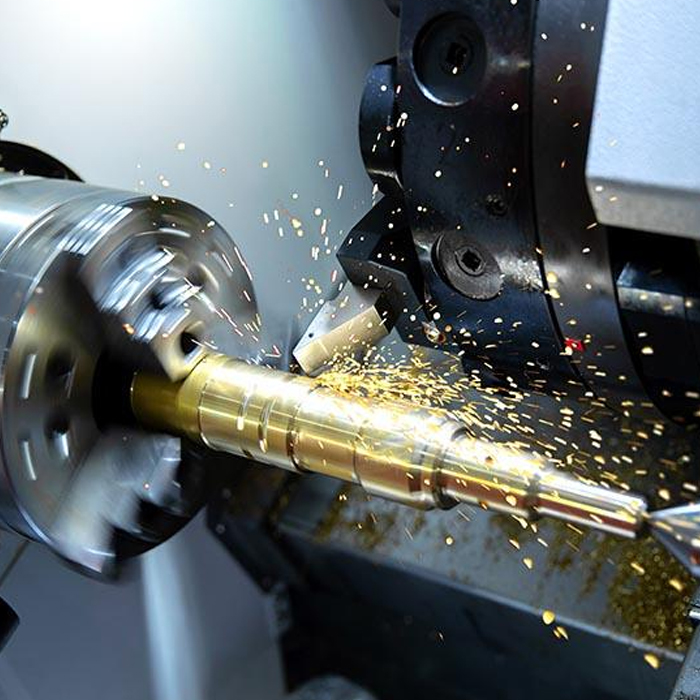
Machine centers are CNC machine tools built to complete multiple cutting operations after a workpiece is clamped in a single setup. Depending on the configuration, one machine can mill, drill, tap, bore, ream, and interpolate circular features. The spindle rotates the cutting tool while the workpiece stays fixed on a table or pallet. A CNC lathe uses the opposite basic motion: the workpiece rotates in a chuck, while the cutting tool moves against the outer diameter, inner diameter, face, shoulder, groove, or thread. That difference is central to selecting the right machine. Machine centers are generally the better fit for prismatic parts with holes, pockets, slots, and flat surfaces. Lathes are typically more effective for shafts, bushes, tubes, flanges, and other rotational components. Start with the part geometry, rather than machine size or purchase price alone.
Types of Machine Centers and CNC Lathes
Machining centers come in several forms, with each type serving a different production need. Vertical machining centers position the spindle above the table, giving operators straightforward access for loading, inspection, and fixture changes. Horizontal machining centers use a side-mounted spindle and are especially useful for deep cavities, where chips need to fall away, or for components requiring machining on several faces. Gantry processing machines support large, heavy workpieces between or beneath rigid columns. Five-axis models add rotary movement for aircraft components, molds, impellers, and other parts with complex surfaces. CNC lathes also cover a wide range of applications. Flat-bed and inclined-bed models handle general turning, while heavy-duty cutting lathes are suited to large diameters and high material-removal rates. CNC oilfield lathes are designed for pipes, casings, and long threaded workpieces. Depending on the product mix, a shop may need one machine type or a combination of both.
Machine Center Features Compared with Lathe Features
Machine centers combine tool storage, automatic tool changing, programmable feed rates, coolant delivery, and multi-axis movement on one platform. For example, a 24-tool magazine can allow an operator to finish a housing with drilling, tapping, pocket milling, and contour work without repeated manual setups. On a vertical model, the cutting zone is also easy to see, which is helpful during first-piece inspection and fixture adjustment. A lathe brings a different set of advantages. Its spindle and chuck are designed for torque, concentricity, and stable turning. Live tooling can add drilling and milling capability to a turning center, but the core process still relies on a rotating workpiece. For shops making accurate diameters, shoulders, threads, and bores in steel or stainless steel, a CNC lathe remains highly productive. Both platforms can provide excellent rigidity and repeatability when the bed, guideways, spindle, control, and workholding system are matched to the job.
Machine Center Applications and Part Geometry
Machine center applications span automotive, aerospace, agricultural machinery, electronics, chemical equipment, minerals processing, and general engineering. Consider an aluminum gearbox housing measuring 420 by 280 by 160 millimeters. It may need six drilled holes, two bored seats, a sealing face, a rectangular pocket, and tapped mounting points. A vertical machine center can complete most of those operations in one fixture, reducing alignment errors that can occur when the part moves between separate machines. A lathe would not be the natural choice because the housing is not primarily rotational. In contrast, a hydraulic cylinder rod with a 60-millimeter diameter and a 900-millimeter length is clearly a turning job. The rod may require facing, rough turning, finish turning, threading, and a center-drilled end. For this type of part, a CNC lathe provides the right work motion, practical chucking, and efficient chip control.
When a Shop Needs Both Platforms
Some components combine rotational and prismatic features. A pump body, for instance, may begin as a turned blank and then require bolt-hole drilling and a milled keyway. A production line can use a lathe for the outside diameter, followed by a machine center for the bolt circle and housing faces. A mill-turn machine can handle both operation groups, although its purchase price, programming requirements, and service demands are usually higher. Many manufacturers choose separate machines when they need more flexibility in scheduling between departments. A turning cell can continue producing shafts while a vertical machining center works on housings or brackets. In many cases, that arrangement provides better capacity balance than putting every operation on one costly machine.
Throughput Flexibility and Machine Tool Selection
Machine tool selection should account for annual volume, batch size, part variety, cycle time, setup time, operator skill, and future product plans. A lathe often has the advantage on round parts because turning removes material efficiently and the workholding method is straightforward. A machine center may be the better choice for multi-feature components because it combines several operations in one setup. For a batch of 2,000 identical brackets, a dedicated fixture, preset tools, and a vertical machine center can deliver consistent output with limited operator intervention. For 30 different repair shafts, a CNC lathe with quick program changes may be more practical. Review spindle speed range, motor torque, table dimensions, axis travel, tool-change time, rapid traverse, coolant capacity, and control functions. Avoid comparing machines by advertised maximum speed alone. A high-speed spindle is valuable for aluminum and small tools, while steel cutting often depends more on torque and machine stiffness.
Investment Price and Export Purchasing Factors
The price of a machine center or CNC lathe varies with size, spindle power, axis travel, control brand, tool magazine capacity, chuck or rotary table, automation, and inspection equipment. A compact three-axis vertical model may suit a small parts supplier, while a large gantry machine requires a stronger foundation, a wider transport route, and a larger installation budget. For an export purchase, the delivered cost also includes packing, inland transport, ocean freight, insurance, import duties, electrical conversion, commissioning, and operator training. Ask whether the quotation covers a chip conveyor, tooling, workholding, spare parts, and recommended consumables. Confirm the machine voltage and frequency before signing an order. Buyers should also request drawings that show the machine footprint, foundation requirements, lifting points, and shipping weight. MAKCNC can discuss customized CNC machines and machining centers from MAKCNC when a standard configuration does not suit the workpiece or factory layout.
Installation and User Guide for CNC Equipment
Installation work begins well before the machine reaches the factory. Check the concrete foundation, floor loading, access doors, crane capacity, compressed air supply, coolant handling, grounding, and electrical power. Leave enough room around the electrical cabinet and rear access panels for regular service. After leveling, technicians should verify spindle runout, axis positioning, tool changer operation, lubrication, coolant flow, and emergency-stop functions. Operators should then run a dry cycle before cutting material. Set work offsets carefully, measure tool length, confirm chuck or fixture clamping force, and follow a first-piece inspection plan. On a lathe, check chuck jaw alignment, tailstock center position, tool nose radius data, and threading parameters. On a machining center, verify fixture location, tool clearance, rotary axis orientation, and chip evacuation. Daily removal of chips and coolant residue, together with scheduled lubrication and filter replacement, helps protect guideways and moving components. Safe operation is just as important as cutting speed.
Which Platform Supports Better Production Flexibility
Flexibility depends on the part family, not simply on the machine label. A vertical machining center is often flexible for plates, brackets, molds, manifolds, and housings because its table can accept different fixtures and its tool magazine can carry multiple cutters. A horizontal machine center is useful for parts that require machining on several sides, particularly when pallet changing can reduce idle time. MAKCNC offers a horizontal CNC machining center for production settings where chip discharge, side access, and multi-face processing are important. A lathe offers strong flexibility within the rotational-part family. With driven tools, bar feeders, tailstocks, or a sub-spindle, it can produce complete components with fewer secondary operations. Compare the number of setups, not only the number of axes. Fewer setups often reduce handling costs and improve dimensional stability.
Choosing a Machine for Complex Parts
Complexity can take several forms. A part may include free-form surfaces, deep cavities, tight positional tolerances, numerous holes, or a mix of turning and milling features. For a five-sided prismatic part, a three-axis vertical machine center with a fourth-axis rotary table may be sufficient. For a turbine blade or mold insert with changing surface angles, five-axis movement can reduce re-clamping and improve tool access. For a long shaft with eccentric holes, a CNC lathe with live tooling may provide the best process route. Review the CAD model, tool access, tolerance stack, material, and inspection method before making a decision. A machine that appears larger or faster will not necessarily produce the best result if its travel, chuck, table, or control does not match the actual work. Send sample drawings and material details to the supplier for a process review and quotation.
Machine Center Supplier for International Buyers
MAKCNC supplies CNC lathing machines, CNC machining centers, and CNC machines for manufacturers, distributors, and engineering companies in international markets. Its product lines include vertical machining center series, horizontal machining center series, gantry processing series, heavy-duty cutting lathes, CNC oilfield lathes, and general CNC lathes. Recommended models are designed around high speed, high rigidity, high performance, and efficient production for sectors such as automotive, aerospace, petroleum, agricultural machinery, communication equipment, and geological exploration. Buyers can review the high quality and durable CNC lathe range when round components are the main workload. During supplier evaluation, ask about machine testing, electrical standards, spare-part availability, remote support, warranty terms, packing methods, and commissioning service. You can also learn more about MAKCNC, a professional CNC lathing machine manufacturer, before requesting a project quotation.
FAQ of Machine Centers and Lathes
What is the difference between machine centers and lathes?
The main difference is the way the workpiece and cutting tool move. In a lathe, the workpiece rotates around its centerline while a tool cuts the outside, inside, end face, groove, or thread. This makes a lathe well suited to shafts, rings, bushings, pipes, and other round parts. In a machine center, the workpiece is clamped to a table or pallet while a rotating tool moves along programmed axes. This arrangement suits blocks, plates, housings, brackets, molds, and parts with holes or pockets. A machining center can complete several milling and drilling operations in one setup. A lathe with live tooling can perform some milling, but its primary strength remains turning. The best choice depends on the dominant geometry and the operations shown on the part drawing.
How do you choose the right machine center for production?
Start by listing the largest and smallest workpieces, required axis travel, material, tolerance, annual volume, and number of operations. Determine whether the part needs three-sided, four-sided, or five-sided access. Then compare spindle speed and torque, table load, tool magazine size, rapid movement, coolant delivery, chip removal, control system, and fixture options. A vertical machine center is often suitable for general production and convenient operator access. A horizontal model may be better for deep cavities, heavy workpieces, or repeated multi-face machining. If the shop expects to produce larger parts later, allow room for future dimensions rather than buying exactly at the current limit. Ask the supplier for a sample machining plan, estimated cycle time, foundation drawing, electrical requirements, and total delivered cost. This approach connects machine specifications with measurable production requirements.
Which machine center is best for complex parts?
For complex prismatic parts with angled faces, curved surfaces, and limited tool access, a five-axis machine center is often the strongest choice because it reaches more surfaces with fewer setups. For large housings or components requiring several pallet positions, a horizontal machining center may improve access and chip removal. For standard brackets, manifolds, and mold plates, a rigid three-axis vertical machine center with a fourth-axis rotary table may provide sufficient capability at a lower investment. The best model also depends on material and tolerance requirements. Aluminum may benefit from higher spindle speed, while hardened steel requires suitable torque, rigidity, tooling, and coolant control. Review the complete process rather than part shape alone. MAKCNC engineers can assess drawings and recommend a suitable CNC machine center configuration.
Choose the Right CNC Machine with MAKCNC
Machine centers are a practical fit for multi-feature prismatic parts, while CNC lathes are usually the more efficient choice for rotational components. Some factories need both platforms, and the right combination can reduce setups, improve throughput, and keep production scheduling flexible. If you are looking for a reliable machine center or CNC lathe supplier, contact MAKCNC for current specifications, export pricing, configuration advice, and production recommendations. Share your drawings, material, target quantity, and factory power details to receive a more accurate proposal for your shop.