Machining Center Manufacturer Export Support Checklist
What a Machining Center Manufacturer Means
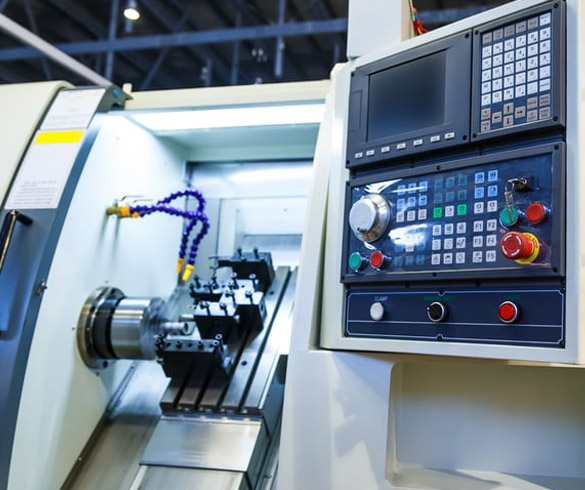
A machining center manufacturer is a company that designs, builds, tests, and supplies CNC machining centers for industrial metalworking. A reliable supplier does more than quote a machine body and a price. It helps the buyer select the right axis travel, spindle speed, control system, tooling package, electrical configuration, and automation options for the intended workpiece. For international orders, export readiness is just as important as cutting capacity. The supplier must prepare accurate documents, protect the machine for ocean transport, assist with installation, and provide replacement parts after delivery. This checklist helps purchasers, factory managers, distributors, and engineers evaluate a manufacturer before signing a purchase contract.
Types of Machining Centers
Machining centers come in several main types, with each type suited to different production requirements. A vertical machining center positions the spindle above the worktable and is commonly used for plates, molds, brackets, housings, and general component machining. A horizontal machining center provides better chip evacuation and is well suited to parts that require machining on multiple faces. Gantry processing machines are designed for large or heavy workpieces and offer a wide machining area. Some buyers also compare CNC lathes and turning centers when a part has more rotational features than milled surfaces. Within each category, buyers can choose different table sizes, spindle power ratings, tool magazine capacities, axis travels, and control brands. The right choice depends on the material, part dimensions, tolerances, batch size, and available workshop space.
Features to Review Before International Purchase
A capable CNC machining center manufacturer should provide complete technical data, not just a short list of appealing specifications. Review the machine structure, guideway design, spindle bearing arrangement, motor power, maximum spindle speed, positioning accuracy, repeatability, table load, tool change time, and coolant system. Ask whether the quoted accuracy is measured under a stated temperature range and test method. The control system should also suit the buyer’s programming practices and local service availability. Before placing the order, confirm electrical voltage, frequency, safety guards, lubrication, chip removal, and optional fourth-axis preparation. High rigidity and stable motion can improve results when machining steel, cast iron, aluminum, and other materials, but the final selection should be based on actual cutting conditions rather than catalogue figures alone.
Machining Center Applications
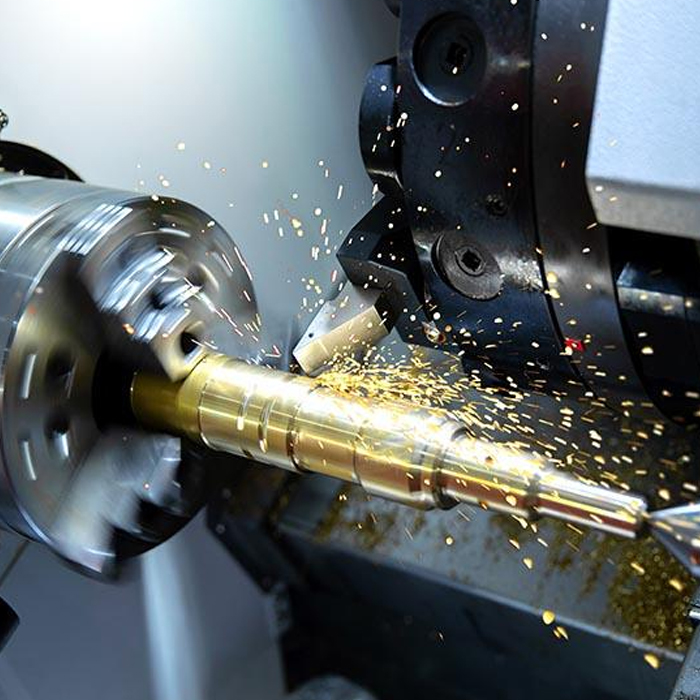
Machining centers serve a wide range of industries because they can perform milling, drilling, tapping, boring, and related operations in one setup. Automotive suppliers use them for transmission housings, engine parts, fixtures, and suspension components. Aerospace workshops often need accurate machining of aluminum alloys, titanium, and other difficult-to-machine materials. Communication equipment, consumer electronics, agricultural machinery, pumps, valves, mineral processing equipment, and chemical machinery also rely on CNC production. In petroleum and geological exploration, a machining center may produce flanges, connection parts, support components, and specialized tooling. The intended application should determine the machine specification. A small MV970 may suit compact components, while a larger model such as the MV1270 or MV1380 may be a better fit for long parts, heavier fixtures, or larger production batches.
Machining Center Price and Cost Factors
The price of a machining center varies with its size, structure, spindle configuration, control system, automation level, and order requirements. A compact three-axis machine with a standard tool magazine will usually cost less than a large gantry model equipped with a high-power spindle, rotary table, probing system, and automatic loading. Freight, insurance, export crating, local taxes, commissioning, installation tools, and operator training can also affect the total project cost. Buyers should request a written quotation that separates the machine price from optional equipment and service charges. Compare the complete delivered cost rather than the headline figure alone. Lead time may also change when a machine requires special voltage, a customized table, a fourth axis, additional guarding, or a particular CNC control. Clear cost details reduce disputes and help the purchasing team prepare an accurate budget.
Machining Center User Guide for Export Orders
Before shipment, the buyer should confirm the foundation drawing, workshop layout, lifting points, power requirements, air pressure, coolant capacity, and environmental conditions. The floor must support the machine’s weight while leaving sufficient space for maintenance, tool loading, chip removal, and door movement. During installation, qualified personnel should level the machine, connect power and air lines, fill lubrication systems, check axis movement, and test the spindle at graduated speeds. Operators should start with a dry run, verify work offsets, inspect tool lengths, and use conservative cutting data during the first production cycle. Do not skip the warm-up procedure or safety checks. A documented acceptance test using sample parts can confirm positioning accuracy, repeatability, surface finish, and cycle performance before the machine enters regular production.
What Export Documentation Should Include
Documentation is one of the first areas to review when assessing an international supplier. The export package should normally include a commercial invoice, packing list, bill of lading details, certificate of origin when required, and product information needed by the customs broker. Technical files should include the machine manual, electrical diagrams, foundation plan, installation instructions, lubrication chart, alarm code list, recommended maintenance schedule, and spare-parts catalogue. The seller should identify the machine model, serial number, gross weight, net weight, package dimensions, and country of origin consistently across all documents. If the destination requires specific safety or electrical paperwork, discuss those requirements before production begins. Buyers should also confirm whether manuals are supplied in English or another required language and whether digital copies will be available before shipment.
How a Machining Center Factory Should Handle Compliance
A professional machining center factory should clearly explain which compliance documents are included and which must be arranged by the importer. Depending on the destination, buyers may need declarations relating to electrical safety, machinery safety, electromagnetic compatibility, wood packaging treatment, or local import regulations. The supplier should provide truthful product information and avoid using certificates that apply to a different model. Where relevant, ask for the applicable standard, certificate number, issuing organization, and validity details. It is also sensible to confirm the control system’s export restrictions, software licensing conditions, and remote service policy before ordering. When a machine uses imported electrical components, the manufacturer should identify the brands and provide replacement information. Careful compliance planning prevents customs delays and gives the end user a clearer record for workplace inspections.
Packaging and Loading Checklist
Large machine tools can be damaged by moisture, vibration, poor blocking, or improper lifting during transport. Ask the supplier how the machine will be protected from seawater exposure and condensation. Common measures include rust-prevention treatment, sealed film, desiccant bags, reinforced wooden cases, steel supports, and clearly marked lifting points. The machine should be secured so that the table, spindle, doors, and movable axes cannot shift during handling. Sensitive accessories should be packed separately and listed clearly on the packing list. Take photographs of the machine before crating and request loading photographs that show the final case position inside the container or truck. The export packing plan should account for the machine’s weight and center of gravity. These are practical signs that the supplier has experience with international shipments.
Installation Commissioning and Training
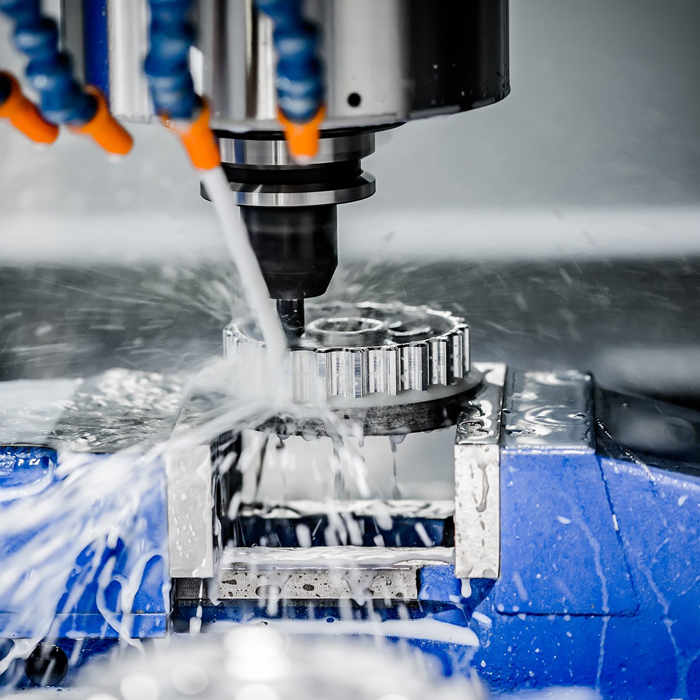
Installation support should be defined in the sales contract, not left to email discussions after the order is placed. Confirm whether the supplier offers remote guidance, video instructions, local service, or an engineer visit. Ask what commissioning includes: machine leveling, parameter checks, tool magazine testing, spindle running, coolant inspection, probing setup, trial machining, and operator instruction. A useful training plan should cover startup and shutdown, tool measurement, work offsets, program transfer, alarm handling, lubrication, cleaning, and routine maintenance. If several shifts will operate the machine, request training materials that can be reused for new staff. Acceptance criteria should also be written down. For example, the buyer may require a test piece, dimensional report, or demonstration of a specified cycle before final acceptance.
Spare Parts and After Sales Service
International buyers should request a recommended spare-parts list before shipment. Typical items include filters, fuses, belts, lubrication components, proximity switches, seals, tool-holding accessories, and commonly replaced electrical parts. The seller should provide part numbers, prices, availability, and expected dispatch times. Ask how technical support will be delivered when the machine is outside the supplier’s home country. Email, video calls, remote diagnostics, service manuals, and local partners can all help, but the response process should be clearly defined. Find out who handles warranty claims, what evidence is required, and whether labor, travel, or freight is covered. Buyers that agree on service contacts and spare-parts procedures before shipment usually resolve minor stoppages much faster than those who start looking for support after a production issue occurs.
How to Evaluate a Machining Center Manufacturer for Export
When learning how to evaluate a machining center manufacturer for export, look for evidence across the entire order process. Review the company’s product range, factory capabilities, quality inspection methods, export history, packaging examples, and technical team. Request a quotation that includes the exact machine configuration, delivery term, production schedule, inspection method, warranty period, and service scope. Ask for references from buyers in a similar industry or destination market. Study case information such as global CNC machinery cases of MAKCNC to see the types of equipment supplied internationally. A video tour can be useful, but it should not replace written documentation and a clear contract. The right partner answers technical questions directly, identifies limitations early, and does not hide important costs in vague optional packages.
How to Verify a CNC Machining Center Supplier
To verify a CNC machining center supplier, compare company registration details, factory address, product model information, bank account ownership, and export documents. Check that the legal entity receiving payment matches the entity named in the quotation and contract. Ask for a live video inspection of the production area, assembly line, testing equipment, and finished machines. A serious supplier should be able to explain how it checks spindle runout, axis accuracy, machine leveling, and trial cutting. Buyers can also request serial-number photographs, inspection records, and a reference customer contact where confidentiality permits. Do not rely on a low price or polished product photographs alone. MAKCNC provides company information through its about MAKCNC professional CNC lathing machine manufacturer page, giving buyers a starting point for reviewing product scope and business background.
What Export Services Should a Machining Center Manufacturer Provide
When asking what export services should a machining center manufacturer provide, buyers should look for support before, during, and after delivery. Before production, the supplier should confirm application details, machine configuration, electrical requirements, delivery terms, and inspection procedures. During shipment, it should prepare accurate customs documents, export packaging, loading records, and transport information. After arrival, service should cover installation guidance, parameter support, commissioning, operator training, warranty handling, and spare-parts supply. Some projects also require customized fixtures, robotic loading, chip conveyors, bar feeders, or production-line integration. MAKCNC offers a range of customized CNC machines and machining centers for applications that need more than a standard catalogue configuration. These services should be described in writing, with responsible contacts and clear response expectations.
Checklist for Comparing Quotations
A useful quotation comparison table should include machine model, axis travel, table size, maximum workpiece weight, spindle power, spindle speed, taper, tool capacity, control brand, accuracy, repeatability, coolant system, guarding, and included accessories. Add commercial items such as price term, payment schedule, production lead time, warranty, package dimensions, gross weight, and destination port. Record whether installation, training, test cutting, and commissioning are included or charged separately. If the buyer is also considering a turning solution, compare the supplier’s CNC lathing machine range with the machining center proposal to avoid choosing separate equipment that does not suit the overall production plan. A line-by-line comparison takes longer at the start, but it reveals missing accessories and prevents a low initial quotation from becoming an expensive final project.
MAKCNC as Your Machining Center Supplier
MAKCNC supplies CNC machining centers, CNC lathing machines, and related CNC machine solutions for customers in automotive, aerospace, agricultural machinery, petroleum, chemical, mineral processing, communication equipment, and general manufacturing. Its product range includes vertical machining center models, horizontal machining centers, gantry processing equipment, heavy-duty cutting lathes, CNC oilfield lathes, and manual oilfield lathes. Buyers can review the horizontal CNC machining center for multi-face production requirements or compare vertical models according to workpiece size and cutting conditions. MAKCNC works with purchasers, distributors, engineers, and factory managers to confirm specifications, export documents, packaging, installation guidance, spare parts, and after-sales requirements. If you are looking for a dependable machining center supplier, contact MAKCNC for the latest product quotation and an export plan tailored to your project.
FAQ of Machining Center Export Support
How to evaluate a machining center manufacturer for export
Evaluate the supplier using both technical and commercial evidence. Confirm that the company can explain machine structure, spindle performance, axis accuracy, control functions, electrical requirements, and maintenance procedures in writing. Then review its export documentation, packaging method, loading records, installation plan, spare-parts policy, warranty terms, and customer references. Ask for a factory video inspection and a sample acceptance report. The quotation should identify every included accessory, delivery term, production date, inspection method, and service charge. A supplier that provides consistent information across the quotation, contract, packing list, and invoice is easier to work with. The final decision should reflect total ownership cost, service access, and production suitability, not simply the lowest purchase price.
What export services should a machining center manufacturer provide
At a minimum, the manufacturer should provide accurate commercial and technical documents, export-safe packaging, loading support, shipping information, installation instructions, commissioning guidance, operator training, warranty handling, and spare-parts assistance. The supplier should also help confirm local power requirements, foundation conditions, lifting arrangements, customs information, and destination-specific compliance needs. For a customized machine, the service should include drawing approval and confirmation of the final configuration before production begins. Buyers should ask who will respond to technical questions, how quickly remote support is normally available, and how replacement parts are ordered. If onsite service is required, the contract should explain travel costs, labor charges, and scheduling. Clear service boundaries protect both parties and reduce production delays after the machine reaches the customer’s plant.
How to verify a CNC machining center supplier
Start by checking the supplier’s legal company name, factory address, contact details, website information, and payment account. Ask whether the company owns the factory, represents another manufacturer, or operates in both roles. Request a live inspection of assembly, testing, packing, and finished-machine areas. Verify the exact model through photographs, serial numbers, technical drawings, and inspection records. Speak with a previous customer when possible, preferably one using a similar material and production process. Before payment, make sure the purchase contract states the machine configuration, delivery schedule, warranty, acceptance standard, packaging, documentation, and spare-parts terms. A genuine supplier will accept reasonable verification requests and provide consistent answers rather than pressuring the buyer to transfer funds before the details are settled.
Choose the Right Export Partner
A successful machining center purchase depends on more than spindle speed or table travel. Documentation, compliance, packaging, commissioning, training, spare parts, and response time all influence the machine’s value after it arrives at the customer’s plant. Use this checklist to compare suppliers across the full export process and identify risks before placing an order. MAKCNC supports international buyers with vertical and horizontal CNC machining centers, CNC lathing machines, customized equipment, and related service information. If you are looking for a reliable machining center manufacturer, contact MAKCNC now to discuss your application and receive the latest product quotation.