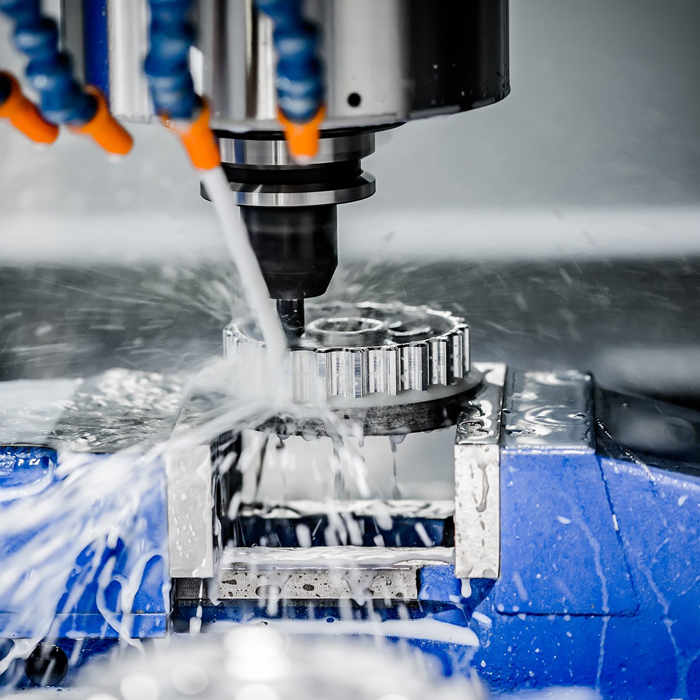
What Is a Multi-Spindle CNC Machine
When comparing multi-spindle CNC machine costs, buyers need to look beyond the machine’s initial purchase price. A Multi-Spindle CNC Machine is a computer-controlled machine tool with more than one spindle for repeated cutting, drilling, turning, or related operations. Its value comes from the production process it supports, not simply from the number of spindles. A manufacturer may compare two-spindle, four-spindle, and six-spindle configurations, but the right choice depends on part geometry, batch stability, operator availability, tooling, material, and the planned production schedule. Buyers should also distinguish the machine price from the total cost of ownership. Tooling, installation, maintenance, labor, inspection, and cycle-time improvements can all affect the financial outcome. This guide explains the main cost factors to help importers, production managers, engineers, and distributors prepare a more useful quotation request.
Types of Multi-Spindle CNC Machine
Several types of equipment may be described as multi-spindle machines, although their layouts and production roles vary. A multi-spindle CNC lathe is generally used for turning, facing, threading, boring, and other operations on rotational parts. A multi-spindle machining center may be more suitable for parts that require milling, drilling, tapping, and multiple tool changes in one setup. Some buyers also use the broader term CNC machine with multiple spindles when comparing special-purpose equipment with standard CNC lathes or machining centers. Spindle count is only one selection criterion. Spindle arrangement, workholding, control design, tool access, chip removal, and part transfer all influence production results. Ask suppliers to describe the complete process route rather than quoting a spindle count alone.
Two Spindle Configuration
A two-spindle configuration can be a practical starting point for buyers seeking greater production flexibility without moving directly to a larger system. Depending on the machine design, it may divide operations between two working positions or reduce repeated handling between process steps. This option should be assessed against the existing production method. If one operator can load and monitor the equipment while maintaining stable output, the labor benefit may be meaningful. However, a two-spindle machine is not automatically the lowest-cost option when a part requires many operations, frequent tool changes, or complex synchronization. Request a process review that lists each operation, tooling requirement, workholding method, inspection point, and expected cycle sequence.
Four Spindle Configuration
A four-spindle configuration is typically considered when production demand supports a higher equipment investment and the part family is stable enough for repeat production. It may allow operations to be organized more efficiently, but additional spindles can also increase tooling, control, maintenance, and commissioning requirements. Buyers should determine whether all working positions will be used consistently. Unused capacity can raise the purchase price without improving actual production output. Compare the planned utilization of each spindle with the product mix, changeover frequency, and forecast order volume. A supplier should also explain how setup changes are handled, how operators access each working position, and which maintenance tasks must be completed during scheduled production downtime.
Six Spindle Configuration
A six-spindle configuration may be appropriate for repetitive, high-volume parts when process stability and equipment utilization justify a larger investment. It can provide a stronger production case when several operations must be repeated consistently and demand is reliable. The financial risk is higher, however, when part designs change frequently or order volumes are uncertain. More working positions may require additional tooling records, spare parts, inspection planning, and operator training. The best decision is not necessarily the largest available configuration. Buyers should model several production scenarios, including full demand, reduced demand, product changeovers, maintenance time, and future part variation. A supplier quotation should clearly identify what is included in the six-spindle configuration.
Features That Affect Equipment Value
The most valuable features of a multi-spindle system are those that improve repeatability, reduce handling, support stable cutting, or limit production interruptions. MAKCNC describes its recommended machining center, CNC oilfield lathe, and manual oilfield lathe products as suitable for high speed, high rigidity, high performance, and high efficiency. These descriptions should be matched to the buyer’s actual process rather than used as a substitute for technical review. Evaluate the control system, spindle arrangement, workholding, tool storage, chip management, loading access, and service provisions. Also confirm whether the proposed machine is suitable for the material and part dimensions shown in your drawings. A sound quotation links every feature to a production requirement, expected cost, or maintenance responsibility.
Tooling and Workholding
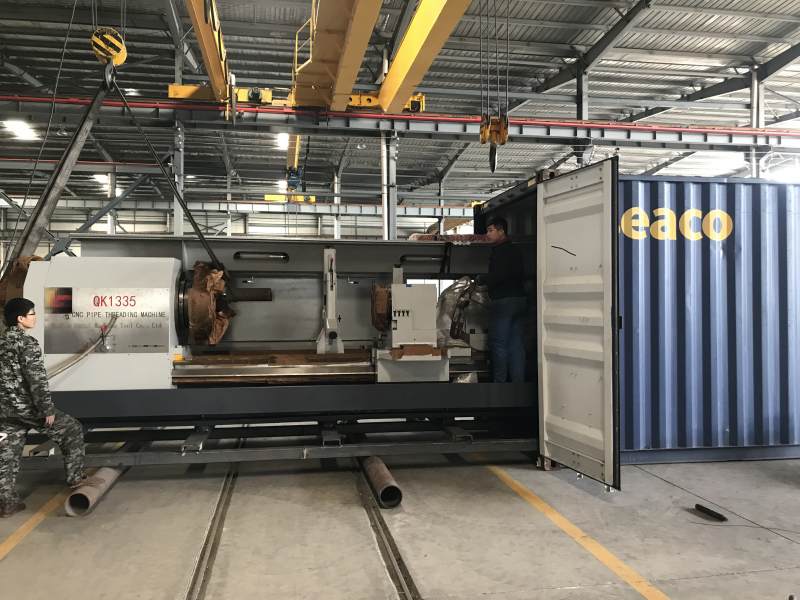
Tooling is often underestimated during a purchase comparison. A machine with more working positions may require a larger initial tooling package, additional holders, duplicate cutting tools, and more spare inserts or consumables. Workholding can also affect the total investment because fixtures, collets, jaws, stops, and part-transfer elements must suit the production method. Ask whether the quotation includes standard tooling only or a complete process package. Confirm who designs special fixtures, who supplies replacement items, and whether common consumables can be sourced locally. The best comparison shows tooling as a separate cost line. Otherwise, a lower machine quotation may appear attractive while the complete production setup costs more than expected.
Control and Operator Requirements
A CNC machine with multiple spindles can reduce repeated manual handling, but it still requires qualified setup and production support. Operators may need to manage offsets, tool condition, workholding checks, part inspection, chip removal, and alarm response. The control interface should be reviewed by the people who will operate the machine, not only by the purchasing team. Ask for details about programming responsibility, operator training, setup documentation, and troubleshooting support. Labor savings should be based on a real staffing plan. Do not assume that one machine eliminates all labor requirements. A more accurate model compares the current process with the proposed process, including loading, unloading, inspection, tool changes, setup, and planned maintenance.
Applications and Production Fit
Multi-spindle equipment is most relevant when a manufacturer produces repetitive parts with a stable process and sufficient order continuity. Potential application areas include communication equipment, consumer electronics, automotive parts, aerospace components, minerals-related equipment, agricultural machinery, chemical equipment, petroleum equipment, water conservancy products, and geological exploration components. These are application fields associated with MAKCNC’s recommended product series. Suitability still depends on the individual drawing, material, dimensions, tolerances, surface requirements, and production route. A machine intended for rotational oilfield components may not be the right choice for a milled structural part. Send representative drawings, material information, annual demand, current cycle details, and quality requirements before requesting a final configuration.
Part families matter as much as part volume. A stable family with similar workholding and tooling can make a multi-spindle system easier to justify because setup knowledge and spare tooling may be shared. A mixed product range can weaken the business case if frequent changeovers leave several working positions idle. Buyers should group parts by geometry, operation sequence, material, and inspection method. Then compare whether one flexible machine, multiple standard machines, or a dedicated configuration provides the better result. MAKCNC offers vertical and horizontal machining center options through its professional machining center solution. This comparison can help buyers avoid selecting a multi-spindle layout for a process better served by a different machine category.
Multi-Spindle CNC Machine Price and Ownership Cost
There is no responsible single answer to the question of how much a multi-spindle CNC machine costs without reviewing the machine design and production process. The multi-spindle CNC machine price varies with spindle count, machine size, control requirements, tooling, workholding, automation, inspection provisions, installation scope, and service terms. Buyers should request a line-item quotation instead of comparing only the headline machine price. Consider the purchase figure alongside tooling, labor, maintenance, cycle-time savings, utilities, training, spare parts, and downtime exposure. The table below is a quotation framework rather than a fabricated price list. It shows what to compare across two-spindle, four-spindle, and six-spindle scenarios while leaving supplier-specific amounts for a technical offer.
| Cost item | Two spindle configuration | Four spindle configuration | Six spindle configuration |
|---|---|---|---|
| Purchase price | Supplier quotation required | Supplier quotation required | Supplier quotation required |
| Initial tooling and workholding | List standard and special tooling separately | List tooling for each working position | List tooling, fixtures, and spare items for all positions |
| Labor | Compare loading, setup, inspection, and monitoring hours | Model operator coverage and changeover work | Model setup, monitoring, inspection, and training needs |
| Maintenance | Request scheduled tasks and spare-part scope | Request service scope for additional working positions | Request a full maintenance plan and downtime assumptions |
| Cycle-time savings | Calculate from the current process route | Calculate from the approved process simulation | Calculate from actual part and demand data |
| Estimated payback | Purchase and operating costs divided by verified annual savings | Purchase and operating costs divided by verified annual savings | Purchase and operating costs divided by verified annual savings |
The payback calculation should use buyer-specific data. A simple model is total initial investment divided by annual net operating savings. Initial investment may include the machine, tooling, fixtures, freight, installation, training, and commissioning. Annual net savings may include reduced labor, lower handling costs, verified cycle-time improvements, and additional saleable output, minus maintenance, consumables, utilities, and financing costs where relevant. Do not count theoretical output as savings unless the factory can sell and inspect that output. Test the result under lower-demand conditions as well. A six-spindle quotation may produce the strongest result at full utilization but a weaker result when orders are seasonal. For this reason, payback should be presented as a scenario rather than an unsupported promise.
Multi-Spindle CNC Machine User Guide
Before installation, prepare the foundation, power supply, workshop access, lifting plan, coolant arrangements, chip handling, safety procedures, and inspection equipment required by the selected machine. The supplier should confirm these requirements in writing because they can affect installation cost and delivery planning. During commissioning, verify machine functions against the approved process documents. Run representative parts, check workholding, confirm tool offsets, review chip evacuation, and record inspection results. Operators should receive practical training on normal operation, alarms, tool condition, cleaning, and basic checks. Maintenance staff should understand lubrication points, inspection intervals, replacement procedures, and escalation routes. These preparations can reduce avoidable startup issues and give the buyer a clearer basis for accepting the equipment.
During production, keep records of tool life, rejected parts, setup duration, downtime, maintenance work, and actual cycle performance. These records support later decisions about tooling changes or additional capacity. Inspect workholding before each production run and confirm that part loading is consistent across all working positions. Keep the machine clean and follow the supplier’s operating instructions. If the production mix changes, review the process before adding new parts to the program. A configuration that performs well for one stable part may require new fixtures or tooling for another. Buyers should also define who can edit programs, approve offsets, release a new setup, and authorize maintenance. Clear responsibilities help protect quality and reduce unplanned interruptions.
How to Choose a Multi-Spindle CNC Machine
Start with the part, not the machine brochure. Collect drawings, material information, batch size, demand pattern, current process steps, inspection requirements, and target production schedule. Next, identify which operations can run in parallel and which must remain sequential. Then compare two-spindle, four-spindle, and six-spindle scenarios using the same cost categories. Ask each supplier to state the included control, tooling, fixtures, installation, training, documentation, warranty, and after-sales service. Review the supplier’s experience with the relevant machine category, but do not accept unsupported customer claims or performance figures. A suitable supplier should explain the tradeoffs clearly. MAKCNC also provides customized CNC machines and machining centers for buyers whose process needs do not fit a standard configuration.
When comparing quotations, check whether the machines are evaluated on equal terms. One offer may include more tooling, while another may exclude fixtures or commissioning. One supplier may quote a standard CNC lathe, while another proposes a multi-spindle CNC lathe with a different process route. Compare floor space, operator access, setup method, maintenance responsibility, spare-part availability, and training scope. Ask for a written explanation of expected cycle-time savings based on your own parts. If you are considering vertical equipment for milling operations, review options such as the vertical machining center MV1380 alongside other suitable layouts. The final choice should support the production plan, not simply offer the highest spindle count.
Is a Multi-Spindle CNC Machine Worth It
A multi-spindle CNC machine may be worth the investment when demand is stable, the part family is repetitive, the process can use parallel operations, and the factory can support the required tooling and maintenance. It may be less suitable when parts change frequently, orders are uncertain, or the proposed spindles will remain idle. The answer depends on verified economics. Compare current labor and handling costs with the proposed process. Include tooling, maintenance, installation, training, inspection, and downtime. Then calculate payback under a realistic demand case and a lower-demand case. Buyers should also consider flexibility. A machine that produces one part efficiently but cannot adapt to the next planned product may create a longer-term cost than a more flexible machining center or CNC lathe.
FAQ of Multi-Spindle CNC Machine
How much does a multi-spindle CNC machine cost
The answer depends on the configuration and quotation scope. Purchase price is affected by spindle count, machine layout, control requirements, tooling, workholding, installation, training, and service provisions. Operating cost also matters. Buyers should request separate figures for the machine, tooling, fixtures, installation, spare parts, maintenance, and optional equipment. Then compare the full investment with verified labor savings and cycle-time savings from the proposed process. MAKCNC can review your parts and production requirements before preparing a quotation. Provide drawings, material information, demand details, current process data, and required operations so the supplier can recommend a suitable configuration rather than offering a generic price.
Is a multi-spindle CNC machine worth it
It can be worthwhile for repetitive, high-volume production with stable demand and a process that benefits from parallel operations. It may not be worthwhile if the part mix changes often, utilization is low, or the extra tooling and maintenance costs outweigh the production benefit. Use a total ownership comparison rather than relying on the machine purchase price. Include labor, tooling, maintenance, inspection, training, downtime, and the value of additional saleable output. Run at least two demand scenarios. A strong business case should remain acceptable when demand is lower than planned. If the result depends on full utilization every day, the buyer should examine a more flexible equipment option before placing an order.
How to choose a multi-spindle CNC machine
Choose the configuration that matches the part family and process route. Begin by listing every operation, tool, fixture, inspection point, and handling step. Identify which operations can be performed in parallel and estimate the workload for each spindle. Compare two-spindle, four-spindle, and six-spindle options using the same quotation categories. Ask about control functions, operator training, installation, maintenance, spare parts, documentation, and after-sales support. Confirm what the supplier includes in the offered price. Review the recommendation against future product plans as well as current demand. A technical discussion based on actual drawings is more useful than selecting equipment based on spindle count alone.
MAKCNC as Your CNC Machine Supplier
MAKCNC supplies CNC Lathing Machine, CNC Machining Center, and CNC Machine products across six main product lines. These include vertical machining center series, horizontal machining center series, gantry processing series, heavy-duty cutting lathe series, CNC oilfield lathe series, and CNC lathe series. Our recommended machining center, CNC oilfield lathe, and manual oilfield lathe products are positioned for high speed, high rigidity, high performance, and high efficiency across communication, consumer electronics, automotive, aerospace, minerals, agricultural machinery, chemical, petroleum, water conservancy, and geological exploration applications. Buyers can review our professional CNC manufacturer information and compare the available equipment categories before requesting a process-based quotation.
If your production needs involve milling, review the horizontal machining center option as part of the comparison. If your work involves rotational components, our CNC lathing machine range may provide a more suitable starting point. We recommend sending representative drawings, production targets, current process information, and required tooling details. Our technical team can then help compare equipment scope and ownership factors without replacing the buyer’s own financial review. If you are looking for a multi-spindle equipment supplier, contact MAKCNC to request the latest product quotation and discuss a configuration suited to your parts, production method, and importing requirements.