
ODM Customized CNC Equipment Can Protect IP When Terms Are Defined
What is ODM Customized CNC Equipment?
ODM Customized CNC Equipment is a machine-development model in which the manufacturer supplies an existing CNC platform and adapts it to a buyer’s defined production requirements. The decision is not simply OEM versus ODM. It determines who controls the original platform design, who approves later engineering changes, whether a competing buyer can receive a similar machine, and how intellectual property is handled in drawings, software parameters, fixtures, process documents, and machine configurations. For an operations leader, the practical question is whether the team needs a machine created from its own design package or a proven platform configured for a new task. ODM Customized CNC Equipment usually fits buyers that want a shorter development path based on a supplier platform. It does not fit a project that requires the buyer to own every mechanical and electrical design detail from the first concept onward. The contract, not the project label alone, determines the level of protection.
In machine sourcing, “OEM” generally means the buyer provides a defined product concept, technical package, brand requirements, or proprietary process requirements, while the supplier manufactures or integrates the machine. “ODM” generally means the supplier owns or controls the base design and offers adaptation work around it. ODM Customized CNC Equipment can include workholding changes, guarding, control configurations, automation interfaces, and process-oriented options, subject to a confirmed technical scope. Before requesting quotations, separate background IP from project IP. Background IP is the supplier’s pre-existing machine platform, while project IP includes buyer-provided drawings, part data, and any new development work created for the order. This separation gives procurement, engineering, and legal teams a shared basis for reviewing proposals.
Types of CNC Development Programs and When to Choose Each
Buyers normally compare three program types. First, a standard machine purchase has the lowest design involvement and works when an available configuration meets the production need. Second, an ODM Customized CNC Equipment program modifies a supplier platform for a defined operation. Third, an OEM program is appropriate when the buyer brings protected design inputs or expects ownership and control over a distinct machine solution. Choose a standard machine when process needs are already met and special integration is limited. Choose ODM when speed of configuration and use of an established machine architecture matter more than full design ownership. Choose OEM when the commercial value rests on a unique process, proprietary layout, branded product concept, or buyer-controlled engineering file. Neither model is automatically safer; the safer model is the one documented with clear ownership and change-control terms.
- Standard CNC machine: Best for established machining tasks with limited custom requirements. It is not suitable when special process protection or dedicated equipment logic is needed.
- ODM Customized CNC Equipment: Best for buyers adapting a supplier-owned base machine to production, tooling, or interface requirements. It is not suitable when ownership of the full base design is a non-negotiable condition.
- OEM CNC machines: Best for buyers supplying proprietary requirements and seeking stronger control over project-specific outputs. It may not be efficient if the requested changes are minor and an existing platform already meets the need.
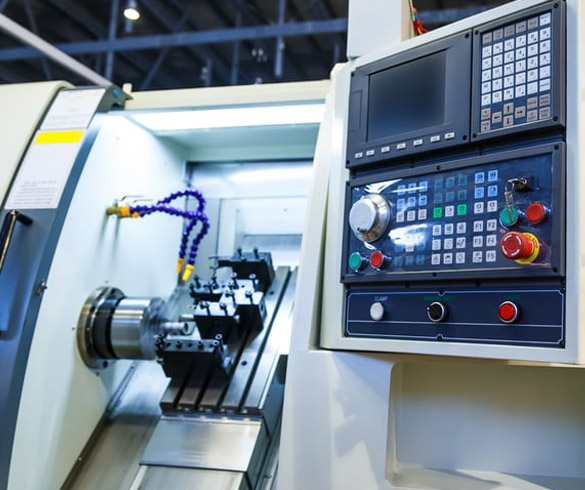
For machining-center projects, a buyer may begin with a professional cnc machining center solution and then define the required workpiece approach, required process sequence, tooling constraints, and acceptance criteria. For turning work, a cnc lathing machine platform may offer a more direct route when the parts are predominantly rotational. The model should follow the process need rather than marketing terminology.
Compare Ownership Change Control Exclusivity and IP Protection
The strongest decision rule is simple. Choose OEM when your business needs control over project-specific design outputs and future engineering decisions. Choose ODM Customized CNC Equipment when your main priority is adapting a capable supplier platform without buying or controlling that underlying platform. In both cases, buyers should define what information is confidential, where it may be used, whether subcontractors may access it, and how approved changes are recorded. Exclusivity should never be assumed. If a buyer needs the supplier not to provide a materially similar configuration to another party, that restriction needs a defined scope, territory, duration, and technical definition.
| Commercial issue | OEM machine program | ODM machine program | Decision rule and limit |
|---|---|---|---|
| Base design ownership | The buyer may provide the design concept or own agreed project-specific outputs. | The supplier usually retains ownership of its pre-existing base platform. | Choose OEM if ownership of new design files matters. Do not assume OEM transfers supplier background IP. |
| Engineering-change control | The buyer can require formal approval for changes affecting agreed project deliverables. | The buyer should approve changes affecting the custom scope, while the supplier may control platform updates. | Use a written change notice process in either model. ODM Customized CNC Equipment does not mean unrestricted supplier changes to buyer-approved custom features. |
| Exclusivity | Can be negotiated around the buyer’s distinct design or market program. | May be negotiated for a specific configured solution, but the underlying platform can remain supplier property. | Choose defined exclusivity only when its commercial value justifies the restriction. It does not apply unless written into the agreement. |
| Buyer-provided data | Should be identified as confidential and limited to project use. | Should receive the same documented confidentiality treatment. | List drawings, programs, part data, and process documents by name or revision. General statements are harder to enforce. |
| Supplier know-how | Supplier manufacturing methods and existing modules can remain protected. | Supplier platform know-how normally remains protected. | Do not request ownership terms that conflict with necessary supplier background technology unless both sides agree on scope and price. |
A useful contract attachment is an IP schedule. It should identify buyer-owned inputs, supplier background components, jointly developed outputs if any, permitted use of each item, and document-return or document-destruction requirements. For ODM Customized CNC Equipment, this schedule is often more useful than a broad statement saying that “all IP belongs to the buyer,” because it prevents disputes over the supplier’s original CNC architecture.
Features That Affect Production Value and Confidentiality
Machine design matters because IP protection is only valuable if the machine can deliver the intended production result. MAKCNC machine bodies commonly use high-strength cast iron, including resin-sand castings, with aging treatment intended to support long-term rigidity and accuracy. Core transmission components such as ball screws and guideways may use high-precision components from Taiwan or Germany, depending on the confirmed configuration. For mold-related high-precision work, advanced system integration can include intelligent feedforward and quadrant-jump compensation to address issues such as overcut marks, quadrant marks, and vibration patterns. These are relevant capabilities to discuss when evaluating ODM Customized CNC Equipment for sensitive process requirements. They are not a substitute for agreeing on the buyer’s actual material, part geometry, fixture, tool, and acceptance conditions.
- Controlled drawing release: Use revision numbers, release dates, and an approval record for every buyer-specific drawing.
- Interface definition: Identify electrical, automation, tooling, safety, and data interfaces before fabrication begins.
- Configuration register: Record the agreed machine options so that an ODM Customized CNC Equipment order is not confused with a standard platform order.
- Acceptance plan: Define what will be checked, who approves it, and what evidence is retained. Avoid unmeasurable wording such as “high quality.”
ODM CNC Equipment Applications for Production Teams
ODM Customized CNC Equipment can suit mold manufacturing, multi-variety low-volume production, and operations where one setup is expected to complete multiple faces of a workpiece. The right application is not defined by industry name alone. It depends on whether the operation needs a special arrangement while still benefiting from a supplier’s established CNC machine base. A mold producer may need control-system functions that help address surface-related machining concerns. A mixed-production facility may value a configuration that supports multi-face machining in one clamping arrangement. These are practical reasons to evaluate a custom program. They do not remove the need to validate each workpiece process through agreed trials, programming review, tooling selection, and acceptance documentation.
Use ODM Customized CNC Equipment when the production team can describe the manufacturing problem in operational terms. State the part family, required process sequence, anticipated workholding method, operator interaction, and planned upstream and downstream interfaces. Do not begin with “we need a customized machine” alone. That phrase does not tell a supplier what needs protection or what machine feature needs development. If the process depends on a confidential part design, provide only the data required for the technical review and mark each submitted file with its revision and confidentiality status. A staged disclosure method may be appropriate when the commercial discussion starts before supplier selection.

ODM Customized CNC Equipment Price Factors and Commercial Planning
The price of ODM Customized CNC Equipment can vary because the commercial scope may include a standard platform, machine options, project-specific engineering, tooling interfaces, controls, documentation, inspection, packing, and service terms. A low initial quotation can omit items that later become necessary for production, while a higher quotation may include more defined engineering work. Compare quotations line by line rather than comparing only a final total. MAKCNC has no hard minimum order quantity, and a single machine may be purchased. Buyers ordering multiple machines may receive improved commercial terms related to price, delivery, or after-sales service. This is a commercial possibility, not a fixed entitlement, so it should be confirmed in the quotation.
| Price factor | What the buyer should request | Why it matters |
|---|---|---|
| Base machine scope | A clear statement of the standard machine configuration. | It separates existing platform content from custom work. |
| Custom engineering | A list of each requested modification and its approval stage. | It prevents unclear charges for changed requirements. |
| Tooling and interfaces | Details of workholding, automation, guarding, and control interfaces. | These items can affect both price and project responsibility. |
| Delivery plan | A project schedule with technical approval points. | MAKCNC states a typical delivery range of 1 to 6 months, subject to the confirmed order scope. |
| Service terms | Warranty scope, response process, and paid-service terms after warranty. | MAKCNC typically provides a 12-month machine warranty after acceptance and lifetime paid service. |
ODM Customized CNC Equipment User Guide for a Controlled Purchase
A controlled sourcing process reduces both technical ambiguity and IP exposure. Start the ODM Customized CNC Equipment review before sending final drawings to every potential supplier. First, create a requirement sheet that separates confidential process information from general machine requirements. Second, ask the supplier to identify its proposed base platform and any retained background technology. Third, issue a custom-scope list with numbered items. Fourth, require a written response showing what is accepted, what needs clarification, and what is outside scope. Fifth, establish an engineering-change procedure before fabrication. This approach suits projects involving custom interfaces, sensitive parts, or branded machine programs. It may be excessive for an unchanged catalog machine purchase, where normal technical confirmation is generally sufficient.
- Define ownership: List buyer inputs, supplier background IP, and expected project outputs.
- Set confidentiality controls: Mark drawings and files, name authorized contacts, and define permitted project use.
- Freeze the technical baseline: Use approved revisions for the machine layout, options, and interfaces.
- Control changes: Require written approval before a change affects price, delivery, performance scope, or confidential data.
- Plan acceptance: Confirm inspection records, machine documentation, training needs, and site-readiness responsibilities.
- Retain the project file: Keep quotations, approvals, change notices, and final configuration records together.
Do not make three common mistakes. Do not treat an NDA as the only IP control; it does not define ownership or change approval. Do not use “exclusive” without stating exactly what configuration is restricted. Do not share unrestricted production data before deciding what technical information is necessary for quotation. For ODM Customized CNC Equipment, the best protection comes from matching technical disclosure to the project stage and recording every agreed design boundary.
FAQ of ODM Customized CNC Equipment and MAKCNC Supplier Support
Does ODM mean the buyer has no IP protection?
No. ODM Customized CNC Equipment can still protect buyer drawings, product data, custom process requirements, and agreed project-specific deliverables. The limitation is that the supplier may retain its pre-existing machine platform and manufacturing know-how. The buyer should request an IP schedule, confidentiality obligations, permitted-use terms, and an engineering-change process. Choose ODM when a supplier-owned platform is acceptable and the buyer needs defined protection around the custom project scope. Choose OEM when ownership or direct control over the newly developed machine design is a required business condition.
What service questions should be included in the RFQ?
Ask when warranty begins, what the warranty covers, how faults are reported, what remote and on-site support procedures apply, and what happens after warranty. MAKCNC typically provides a 12-month whole-machine warranty after acceptance and lifetime paid service. For some tender projects, a three-year free warranty may be requested as part of the bid requirement. Its after-sales network typically commits to an 8-hour response and on-site fault handling within 48 hours. These stated terms should be confirmed for the specific machine, destination, and contract scope rather than treated as automatic terms for every project.
Why evaluate MAKCNC for an OEM or ODM program?
MAKCNC was established in 2016 and operates multiple production lines with sample-machine inventory. Its product range includes CNC lathing machines, CNC machining centers, and CNC machines. The supplier can support buyers assessing a base-machine approach, custom equipment requirements, and commercial terms for single-machine or multi-machine purchases. Learn more about makcnc when reviewing supplier background, then submit your drawings and requirement list to request the latest quotation for ODM Customized CNC Equipment.